Why Manitoba Deer Numbers Swing
It can be incredibly frustrating to scout your favorite hunting grounds year after year, only to see the whitetail numbers fluctuate wildly. One season, deer sign is everywhere, and the next, it feels like a ghost town. This guide dives deep into the complex, often unseen, reasons why Manitoba deer populations are always in motion, giving you a clearer picture of what drives these shifts and how to anticipate them.
The Dynamic Nature of Whitetail Populations
Manitoba's whitetail deer population is never static. It's a constant ebb and flow, a delicate balance influenced by a multitude of factors, both natural and human-driven. Understanding these underlying dynamics is crucial for any hunter who wants to consistently find success and truly appreciate the resilience of these animals. It’s not just about more or fewer deer; it’s about the intricate web of life that dictates their survival and proliferation.
Understanding Natural Fluctuations
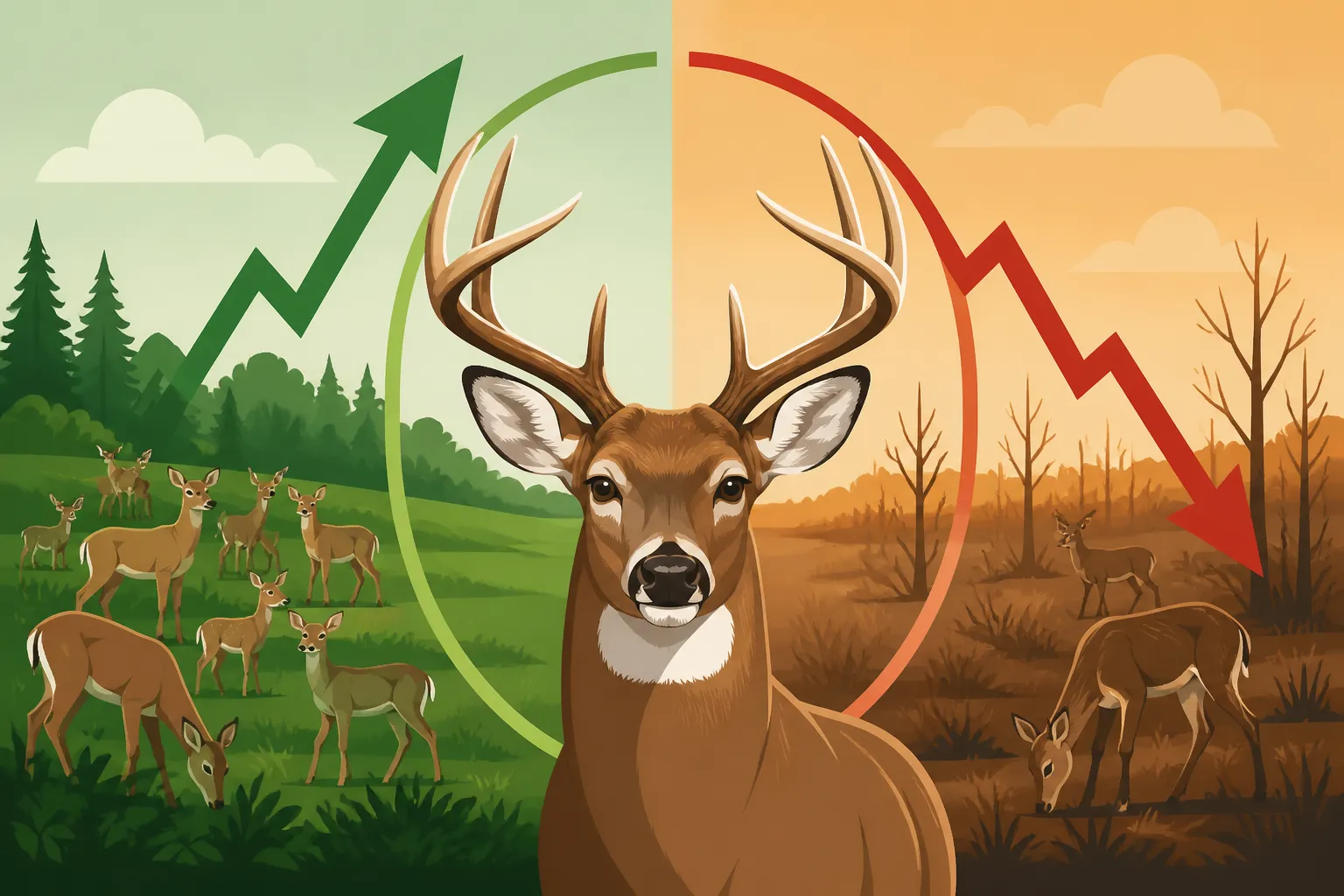
Think of a whitetail population as a living, breathing entity, constantly adjusting to its environment. There's a natural rhythm to it: births increase numbers, while deaths decrease them. In a healthy ecosystem, deer populations tend to cycle, often over several years. A boom period might see abundant food and mild winters, leading to high fawn survival and excellent recruitment into the herd. During these times, you'll see more deer, bigger herds, and often, more competition for resources.
Conversely, a series of harsh winters, an outbreak of disease, or increased predator pressure can quickly tip the scales, leading to a significant downturn. This isn't necessarily a sign of a failing population but often a natural correction. Deer are incredibly adaptable, and their numbers are designed to rebound once conditions improve. What we perceive as a "swing" is often just this natural oscillation playing out in real-time. Knowing this helps set realistic expectations for your hunts and allows you to appreciate the long-term health of the herd.
The Impact of Habitat on Deer Density
Habitat is the bedrock of any wildlife population, and for whitetail deer, it's particularly vital. Manitoba offers a diverse array of habitats, from the sprawling agricultural fields of the south to the dense boreal forests and aspen parklands. The quality and availability of food, water, and cover directly influence how many deer an area can support, a concept known as carrying capacity. If an area has lush browse, ample water sources, and secure bedding cover, it can sustain a higher density of deer. However, when these resources become scarce, whether due to natural succession, human development, or severe weather events, deer numbers will naturally decline.
Consider a mature forest with a dense canopy. While it provides excellent cover, the lack of sunlight reaching the forest floor often means less understory browse, which is crucial for deer. Conversely, areas with early successional growth, such as old clear-cuts or burns, often provide a temporary boom in deer forage, leading to increased local densities. Hunters who use tools like GoHunt often pay close attention to satellite imagery and property maps to identify these varying habitat types, as it gives them a leg up in understanding deer distribution. Changes in agricultural practices, like shifting from cereal grains to more palatable crops or leaving standing corn through winter, can also have a profound local impact, concentrating deer in specific areas and influencing their survival rates.
Environmental Factors and Their Influence
Manitoba is known for its extreme weather, and these environmental conditions play an enormous, often brutal, role in dictating the rise and fall of deer numbers. A single severe winter can undo years of population growth, while a string of mild seasons can lead to burgeoning herds. It’s a constant battle against the elements that shapes the very fabric of deer survival here.
The Role of Severe Winters
There's almost no single factor that impacts Manitoba's whitetail population more dramatically than a harsh winter. We're talking about prolonged periods of deep snow and extreme cold, where temperatures plummet to -30°C or lower for weeks on end. When snow depths reach beyond a deer's chest, especially for fawns, movement becomes incredibly difficult and energy-intensive. This forces deer to "yard up" in sheltered areas, often conifer stands or dense bush, reducing their access to critical browse.
During these challenging months, deer are essentially living off their fat reserves. If a winter is particularly long and severe, these reserves are depleted long before spring, leading to starvation and significantly increased mortality, particularly among fawns and older, weaker deer. A series of consecutive hard winters can truly decimate a herd, taking years for the population to recover. Hunters often see these effects a season or two later, with fewer yearlings and a noticeable drop in overall deer sightings. This is when we truly see Manitoba's winter kill and game numbers come into play, shaping future hunting opportunities.
Drought, Wildfires, and Habitat Change
While severe winters often grab the headlines for deer mortality, other environmental factors like drought and wildfire also exert considerable influence. Prolonged drought conditions, which Manitoba has experienced in recent years, can reduce the quality and quantity of forage. Water sources may dry up, forcing deer to travel farther, expending precious energy and increasing their exposure to predators. Though deer are adaptable, extreme drought can weaken them, making them more susceptible to disease and winter conditions. The article How Drought Moves Manitoba Game offers further insights into this phenomenon.
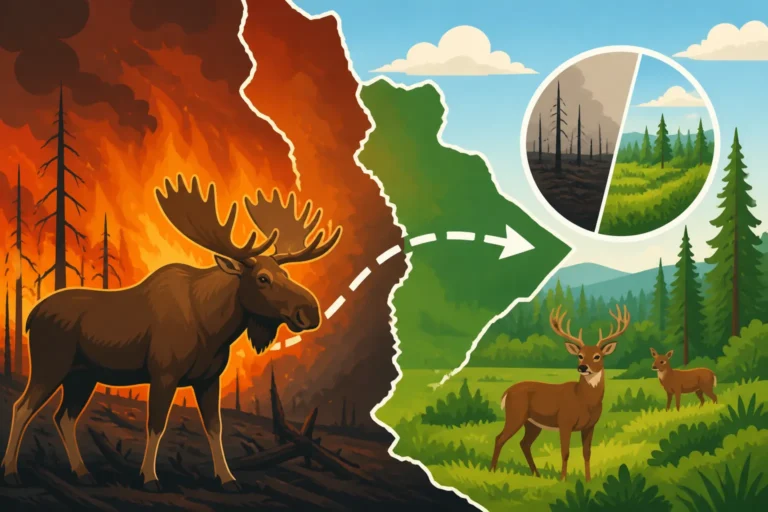
Wildfires, while destructive in the short term, can paradoxically create prime deer habitat in the long run. Initial burns clear out old growth, allowing for a flush of new, nutritious vegetation in the years that follow. This creates excellent browse and cover, often attracting deer from surrounding areas. However, massive, uncontrolled fires can temporarily displace large numbers of deer, pushing them into less familiar or more vulnerable territories. Similarly, human-induced habitat changes, such as extensive logging or residential development, can fragment crucial deer range, isolating populations and reducing overall carrying capacity. The loss of vital shelterbelts and forest edges, for instance, can remove critical travel corridors and winter cover, impacting deer survival. Exploring How Logging Cutblocks Change Deer Range can provide a deeper understanding of these dynamics.
Predation and Disease Pressures
Beyond the direct hand of Mother Nature, whitetail deer in Manitoba face constant pressure from predators and an increasing threat from various diseases. These biological factors play a subtle yet significant role in shaping population trends, often working in conjunction with environmental stressors to impact herd health and numbers.
Predators and Their Effect on Deer Herds
Manitoba's landscape supports a range of predators that prey on whitetail deer, with coyotes and wolves being the most significant. While adult, healthy deer can often evade these predators, fawns are particularly vulnerable. A healthy coyote population, for example, can have a noticeable impact on fawn recruitment, especially if deer numbers are already low due to other factors like a harsh winter. Wolves, typically found in the more northern and remote bush country, can exert even greater pressure on deer populations, especially during periods of deep snow when deer are less mobile.
It's a complex predator-prey relationship; predators rarely "wipe out" a healthy deer herd, but they do play a crucial role in natural selection, often culling the weak or sick. Their presence can also alter deer behavior, forcing them to be more vigilant and to utilize denser cover. For hunters, understanding local predator densities can offer clues about deer movement and the health of the herd. For more on these natural hunters, consider reading Predator Hunting Across Manitoba. It's a natural balance, one that often dictates where and how deer thrive.
The Growing Threat of Wildlife Diseases
Diseases are an increasingly concerning factor in the health and stability of Manitoba's deer populations. Chronic Wasting Disease (CWD) is perhaps the most talked-about threat currently. CWD is a fatal, neurological disease affecting deer, elk, and moose, caused by an abnormal protein called a prion. It's highly contagious and can spread through direct contact or indirectly through environmental contamination (e.g., infected soil). Once an area becomes endemic with CWD, it's incredibly difficult to eradicate.
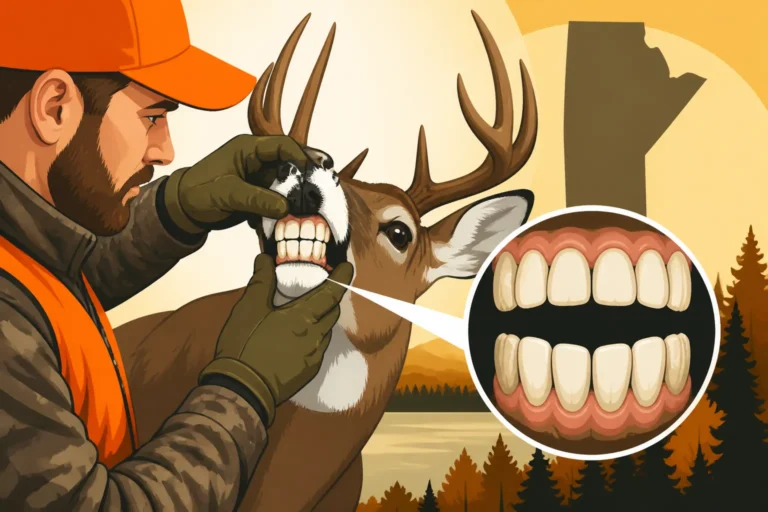
In Manitoba, CWD has been detected in various deer populations, particularly in the southwest. The presence of CWD can lead to significant localized population declines over time, as infected animals waste away and eventually die. Hunters play a vital role in monitoring and managing CWD through mandatory sampling programs. When hunting in designated areas, hunters are required to submit deer heads for testing. This helps wildlife officials track the spread of the disease and implement appropriate management strategies. You can find detailed information on Manitoba's CWD Sampling Requirements to understand your role. Another concern, though less widespread in deer, is Bovine Tuberculosis, which can also affect deer and other ungulates, prompting surveillance and management efforts in specific regions.
Human Impact and Management Strategies
While nature runs its course, human activities also significantly shape Manitoba's deer populations. From the way we manage hunting seasons to the development of land and the practices of our agricultural sector, our actions have both intended and unintended consequences on whitetail numbers. Understanding this human element is key to responsible stewardship and effective hunting.
Hunting Pressure and Harvest Regulations
Hunting is not just a recreational pursuit in Manitoba; it's a vital management tool that helps maintain healthy deer populations. Without regulated hunting, deer numbers in some areas could easily exceed the carrying capacity of the land, leading to overbrowsing, increased disease transmission, and greater human-wildlife conflicts (like crop damage or vehicle collisions). Wildlife managers use harvest data, population surveys, and environmental factors to set season dates, bag limits, and specific regulations for different Game Hunting Areas (GHAs).
For example, in areas where deer numbers are high or increasing, tags for antlerless deer might be more readily available, or extended seasons might be implemented to encourage a greater harvest. Conversely, in areas where populations are struggling, antlerless harvest might be restricted, or seasons shortened. Hunters contribute directly to this management by reporting their harvests and sometimes through voluntary programs like CWD sampling. Responsible hunting ensures that the population remains robust, reducing stress on the habitat and allowing for sustainable hunting opportunities for future generations. Learning more about Manitoba Hunter Education Requirements emphasizes the importance of responsible practices.
Habitat Management and Conservation Efforts
Beyond direct hunting regulations, human efforts in habitat management and conservation are critical for supporting deer populations. Government agencies, conservation organizations like Ducks Unlimited Canada, and even private landowners engage in activities aimed at improving deer habitat. This can include prescribed burns to rejuvenate forest undergrowth, planting cover crops, protecting critical wintering areas, or restoring wetlands that provide water and adjacent cover.
These efforts can mitigate some of the negative impacts of habitat loss due to development or intense agriculture. For example, maintaining bush edges along agricultural fields provides crucial travel corridors and bedding cover for deer. Hunters who understand the importance of habitat are often the first to support these initiatives, recognizing that a healthy environment is paramount for a healthy deer herd. Organizations like GoHunt provide mapping tools that can help hunters identify areas with good habitat potential, allowing them to focus their scouting efforts on locations that offer optimal conditions for deer.
Agricultural Practices and Deer Movement
Manitoba's vast agricultural landscape provides both opportunities and challenges for whitetail deer. Farm fields, especially during certain times of the year, offer an incredibly abundant food source. Standing corn, for instance, can provide both food and excellent thermal cover through late fall and into winter. Swathed grain fields after harvest are veritable buffets for deer, allowing them to put on critical fat reserves before winter. This access to high-energy food can lead to larger body sizes and impressive antler growth, especially in the fertile farmland regions. For tips on hunting these areas, check out Hunting Whitetails on Manitoba Farmland.
However, agricultural practices also influence deer populations in other ways. Intensive cultivation can reduce natural cover, pushing deer into smaller, fragmented pockets of bush. The timing of harvest can suddenly eliminate a food source, forcing deer to shift their patterns. Chemical applications can also indirectly affect deer by reducing insect populations, which in turn impacts bird populations that deer might rely on for alarm calls. Landowners' decisions regarding crop rotation, tillage, and the maintenance of treelines and wetlands all play a role in how deer utilize the landscape and, ultimately, how their numbers fare.
Regional Variations in Deer Populations
Manitoba is a vast province, and the factors influencing deer numbers don't affect all regions equally. What holds true for the rolling farmlands of the southwest might be entirely different from the dense boreal forests of the north or the mixed landscape of the Interlake. Recognizing these regional nuances is key to understanding the province's overall whitetail dynamics.
Parkland and Farmland Deer Trends
The parkland and farmland regions of Manitoba, particularly in the southwestern and central parts of the province, typically support the highest densities of whitetail deer. This is primarily due to the rich mosaic of agricultural fields interspersed with aspen bluffs, oak thickets, and willow-lined sloughs. Deer in these areas benefit from an abundant and diverse food supply from crops like corn, soybeans, and alfalfa, which allows them to put on significant weight and grow impressive antlers.
However, these populations are still subject to swings. A series of deep snow winters can make accessing waste grain difficult, pushing deer into smaller bush pockets where browse might be quickly depleted. Increased coyote populations in these open areas can also impact fawn survival. Furthermore, diseases like CWD, which has been detected in some of these regions, pose a significant long-term threat. Despite these challenges, the sheer abundance of food and pockets of secure cover mean that deer populations in the parkland and farmland often rebound quicker than in more northern zones, provided environmental conditions are favorable. Hunting these areas often involves different strategies compared to the bush, as detailed in Hunting the Parkland Fringe for Big Bucks.
Bush Country and Northern Deer Dynamics
As you move north into Manitoba's bush country and boreal forest, the dynamics of deer populations change considerably. Here, deer rely almost entirely on natural browse, which can be less nutritious and abundant than agricultural crops. Deep snow is a much more significant impediment to movement and foraging in these areas, often leading to deer yarding up in dense coniferous stands for survival. These regions also tend to have higher predator densities, particularly wolves, which can exert a more pronounced influence on deer numbers, especially during harsh winters. Understanding what happens when How Deep Snow Moves Deer Into Cover is critical for these northern herds.
The swings in bush country deer numbers can be more dramatic and take longer to recover from a downturn compared to their southern counterparts. Habitat changes, such as extensive clear-cutting or wildfires, can temporarily disrupt local populations, but can also create new, valuable browse in the long term. Hunters in these areas often find deer populations to be more scattered and elusive, requiring different scouting techniques and a deeper understanding of forest ecology. For insight into hunting these challenging areas, read Hunting Whitetails in Manitoba's Bush Country. The resilience of these northern deer is truly remarkable, adapting to a tougher existence where every calorie counts.
Here's a table summarizing some key factors influencing Manitoba's deer population swings:
| Factor | Impact on Deer Numbers | Typical Effect Duration | Regional Variation (Example) | Notes |
|---|---|---|---|---|
| Severe Winter | Significant Decrease | 1-3 years (recovery) | More severe in Bush/North (deep snow) | High fawn mortality, depletion of fat reserves, increased predation risk. |
| Mild Winter | Significant Increase | 1-2 years (growth) | Benefits all regions, strong fawn survival | Better access to forage, less energy expenditure. |
| Drought | Moderate Decrease (local) | Short-term to Moderate | More impactful in open Farmland (water sources) | Reduced forage quality/quantity, concentrated movement to water. |
| Wildfire | Short-term Decrease, Long-term Increase | Initial drop, 2-5+ years recovery/growth | More prevalent in Boreal/Bush (habitat change) | Initial displacement, then new browse growth. |
| CWD Outbreak | Long-term Decrease (localized) | Ongoing | Primarily SW/Central Manitoba (current detections) | Fatal, slow spread, requires active management & sampling. |
| High Predation | Moderate Decrease (especially fawns) | Ongoing | Higher in remote Bush (wolves), Farmland (coyotes) | Natural selection, can impact fawn recruitment significantly. |
| Abundant Crops | Significant Increase | Seasonal | Farmland regions (food source, cover) | Leads to larger body size, higher fawn survival. |
| Habitat Loss | Long-term Decrease | Permanent | Urban fringe, intensive agriculture | Fragmentation, reduced carrying capacity. |
Disclaimer
Please note that hunting regulations and wildlife management practices can change. Always consult the most current Manitoba Hunting Guide and relevant provincial government resources before planning any hunting activity. This article is for informational purposes only and does not supersede official regulations.