Manitoba’s Elk Herds and Their Range
Understanding where Manitoba's majestic elk herds roam and thrive can feel like solving a complex puzzle, especially when you're trying to plan a hunt or simply appreciate these incredible animals. It's not always obvious which areas support viable populations or how their movements are influenced by our diverse landscape. This comprehensive guide aims to demystify Manitoba's elk, exploring their history, current distribution, habitat preferences, and the ongoing efforts to manage and conserve them across the province.
The Resilient Comeback of Manitoba's Elk Herds
The story of elk in Manitoba is one of remarkable resilience and dedicated conservation. These magnificent animals, once nearly extirpated from much of their historical range, have made a significant comeback, painting a hopeful picture for future generations of hunters and wildlife enthusiasts.
A History of Decline and Restoration
Elk were once widespread across Manitoba's prairies and parklands, but by the late 19th and early 20th centuries, unchecked hunting and habitat destruction pushed their populations to the brink. It's a sad chapter in our wildlife history, reflecting a common struggle many species faced during the era of rapid settlement and agricultural expansion. Imagine vast herds dwindling to scattered pockets, clinging to existence in remote areas.
Thankfully, dedicated conservationists and government agencies stepped in. Reintroduction efforts, particularly in the mid-20th century, were pivotal. Animals were sourced from other strongholds, like Elk Island National Park in Alberta, and released into suitable habitats. Areas like the Riding Mountain region became a cornerstone of this restoration, offering the perfect blend of forest and open country. These early efforts, though challenging, laid the groundwork for the robust herds we see today, proving that with careful management, species can indeed recover from the brink.
Current Population Status and Growth Trends
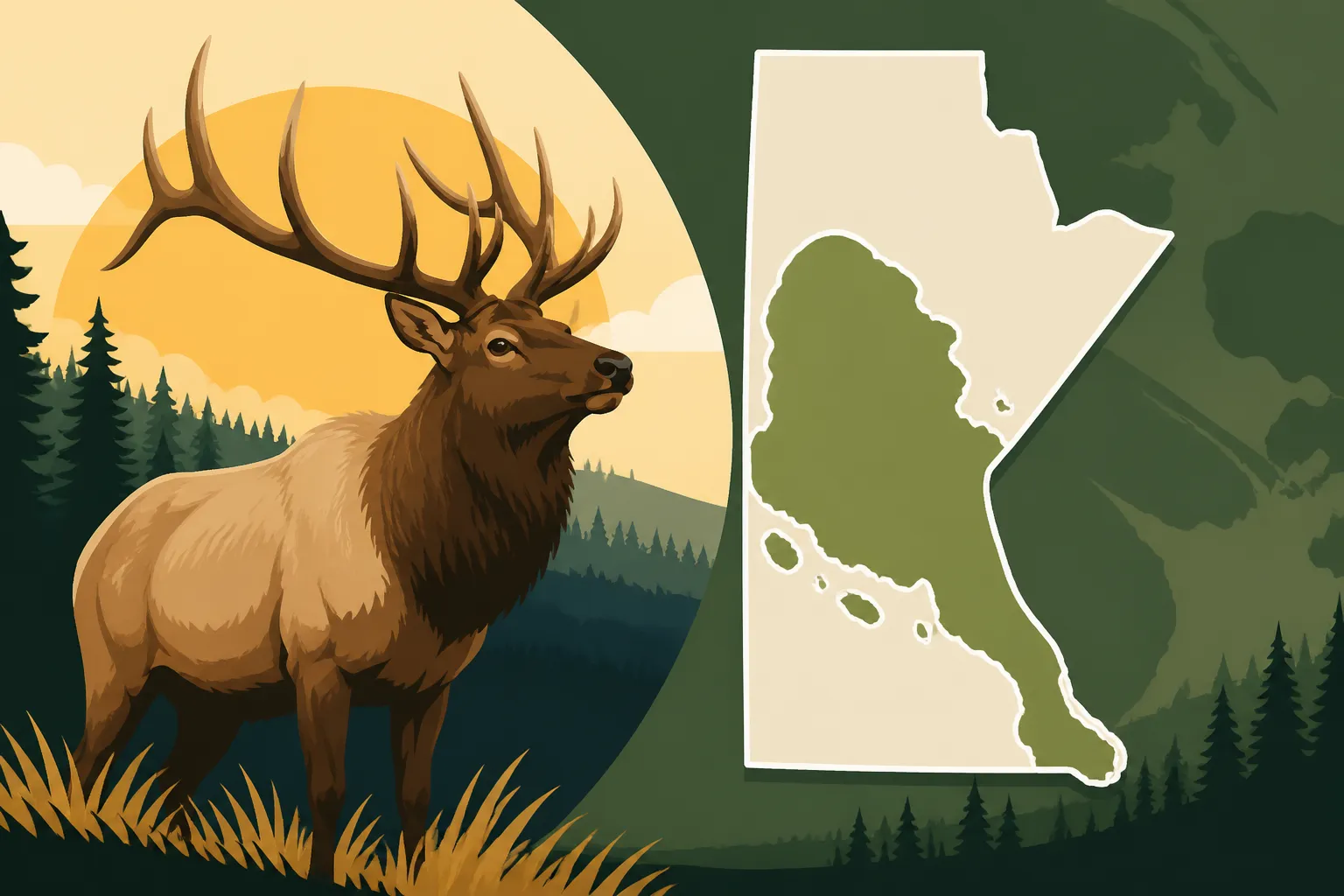
Today, Manitoba's elk populations are generally stable and, in many areas, showing healthy growth. While precise numbers fluctuate year to year based on aerial surveys and ground observations, the overall trend is positive. The Riding Mountain National Park ecosystem, including the surrounding Game Hunting Areas (GHAs), continues to host the largest and most significant herd, often numbering in the thousands. This area is truly the heartland of Manitoba's elk.
Beyond Riding Mountain, the Duck Mountain and Porcupine Hills Provincial Forests also support substantial elk populations, though these herds tend to be more dispersed due to the rugged and heavily forested terrain. We're also seeing exciting expansions into new territories, like parts of the Interlake region and the Pembina Valley. These emerging herds, while smaller, represent the success of both natural dispersal and localized management efforts, demonstrating the species' adaptability. This expansion is often into areas with a mix of aspen parkland and agricultural fringe, offering new opportunities and new challenges for coexistence.
Understanding Elk Population Dynamics in Manitoba
Managing a species as large and wide-ranging as elk requires a deep understanding of the factors that influence their health, numbers, and movements. It's a delicate balance, constantly monitored and adjusted to ensure sustainable populations for the long term.
Key Factors Influencing Herd Health
Several elements contribute to the overall health and stability of Manitoba's elk herds. First and foremost is habitat quality and quantity. Elk need ample forage, which includes a mix of grasses, forbs, and browse. They also require dense cover for security, calving, and thermal regulation, especially during harsh winters. Access to reliable water sources is another non-negotiable requirement. When these elements are abundant and interconnected, herds tend to thrive. Conversely, habitat fragmentation or degradation can put significant stress on a population.
Predation also plays a natural role in shaping elk dynamics. Wolves are the primary natural predators of adult elk, particularly in the more remote boreal and mixedwood forests of the Duck Mountain and Porcupine Hills. Black bears can impact calf survival, especially in spring. While beneficial for maintaining a healthy ecosystem, excessive predation can, in some cases, limit herd growth if other factors are also stressing the population. Disease, too, is a constant concern. While not as prevalent in elk as it can be in deer, vigilance is key. We've seen how serious "Bovine Tuberculosis in Manitoba Wildlife" has been historically, especially around the Riding Mountain area, leading to significant monitoring efforts. More recently, hunters are also submitting samples for Chronic Wasting Disease (CWD), and understanding "What CWD Has Done to Manitoba Deer" helps us appreciate the importance of continued monitoring for all cervids, including elk.
Management Strategies and Herd Monitoring
Manitoba Sustainable Development employs a multi-faceted approach to manage the province's elk herds. This isn't a "set it and forget it" kind of job; it requires constant attention and adaptation. Aerial surveys are a critical tool, flown periodically to estimate population sizes, herd composition (bull-to-cow ratios, calf-to-cow ratios), and distribution. These flights, often conducted during winter when snow cover makes animals easier to spot against the landscape, provide invaluable data for management decisions.
Ground counts, remote cameras, and even collaring studies supplement these efforts, offering more detailed insights into individual animal movements and habitat use. One of the most significant tools for managing hunter pressure and ensuring sustainable harvest levels is the draw system. Hunters apply for limited entry tags in specific GHAs, a system designed to distribute hunting pressure and protect core breeding populations. Understanding "Manitoba's Elk and Moose Draws" is essential for any hunter hoping to pursue these magnificent animals, as it directly impacts your opportunity to hunt.
Prime Elk Ranges and Their Unique Characteristics
Manitoba's elk aren't found in a single, homogenous environment. They occupy distinct regions, each with its own unique characteristics that shape the local herds. Knowing these areas is key to understanding their behaviour and distribution.
The Iconic Riding Mountain Region
When most people think of elk in Manitoba, their minds immediately go to the Riding Mountain region. And for good reason – this area is the stronghold of the province's largest and most well-known elk herd. The unique ecosystem here, a blend of aspen parkland, mixed forest, and sprawling grasslands, provides an ideal habitat. Elk spill out from the protected confines of Riding Mountain National Park, utilizing the adjacent provincial Crown lands and often venturing onto private agricultural fields. If you're looking for information on "Elk Around Riding Mountain National Park", you'll quickly see why this area is so important.
The elk in this region are accustomed to a landscape that includes human activity, often moving between forested blocks for cover and open fields for grazing. This close proximity to agriculture, while providing a rich food source, also leads to challenges, notably "Elk Damage on Manitoba Grain Farms". Understanding these movements and interactions is vital for hunters and landowners alike. The management of this herd is a complex undertaking, balancing conservation with agricultural concerns and hunter opportunities.
Duck Mountain and Porcupine Hills Herds
Venturing north of Riding Mountain, we find robust, albeit more dispersed, elk populations in the rugged terrain of the Duck Mountain and Porcupine Hills Provincial Forests. These areas offer a stark contrast to the parkland fringe of Riding Mountain. Here, vast tracts of mixedwood boreal forest dominate the landscape, characterized by dense timber, numerous lakes and wetlands, and more challenging access. Hunters familiar with "Hunting Elk in the Duck Mountain Country" will attest to the demanding nature of these environments.
The elk in these northern ranges are truly wilderness animals, often requiring more extensive scouting and physical exertion to locate. Their movements are dictated by food availability within the forest, shifting through different timber types as the seasons change. While they may not reach the sheer numbers seen in the Riding Mountain area, these herds offer a wilder, more remote hunting experience for those willing to venture deeper into the bush. The density of roads is much lower, meaning animals can find more sanctuary away from human pressure.
Lesser-Known or Emerging Elk Zones
Beyond these established strongholds, Manitoba is seeing a fascinating expansion of elk into new territories. The Interlake region, between Lake Manitoba and Lake Winnipeg, has developing herds in GHAs like 21, 21A, and 21B. These elk utilize the mosaic of aspen bluffs, marshes, and agricultural fields that characterize the area. While not as numerous as the major herds, these populations offer unique hunting challenges and opportunities for those willing to adapt to a different type of landscape.
Similarly, isolated pockets of elk have been reported and are growing in areas like the Pembina Valley, particularly in GHA 29. These herds often inhabit river bottom thickets, brushy coulees, and the edges of agricultural land. For hunters looking to explore these emerging opportunities, advanced scouting tools like those offered by GoHunt can be incredibly valuable for identifying potential habitat and land ownership, helping to pinpoint where these elusive animals might be found in lesser-known areas. These expansions highlight the species' adaptability and the positive impact of reduced hunting pressure in the past.
Habitat Preferences and Seasonal Movements of Elk
Elk are creatures of habit, yet their lives are also dictated by the changing seasons and the availability of essential resources. Understanding their year-round habitat needs and how they move throughout the year is crucial for anyone trying to predict their presence.
Year-Round Habitat Needs
For elk, survival hinges on having a diverse habitat that provides everything they need throughout the year. Foraging areas are paramount; they are primarily grazers but also browse on woody vegetation. This means they seek out grasslands, open aspen stands with lush undergrowth, and, quite frequently, agricultural fields of cereal grains or hay. These areas provide the caloric intake needed to sustain their large bodies.
Equally important is cover. Dense bush, conifer stands, and heavy river bottom thickets offer crucial security from predators and refuge from harsh weather conditions. Calving cows seek out dense, secluded areas to give birth and protect their vulnerable newborns. Thermal cover, such as thick stands of spruce or pine, helps them conserve energy during bitter cold snaps in winter and provides shade during hot summer days. And, of course, a reliable source of water is non-negotiable, whether it's sloughs, rivers, or lakes. The interconnectedness of these habitat types is what makes an area truly suitable for elk.
Rutting Season Hotspots and Breeding Grounds
The fall rut is a truly spectacular time to observe elk, and their movements during this period are highly concentrated in specific areas. The peak of the elk rut in Manitoba typically occurs from late September through October. Knowing "When the Elk Rut Peaks" is not only fascinating for wildlife viewers but also critical for hunters planning their season. During this time, bull elk become highly vocal, their bugles echoing through the forest as they challenge rivals and gather their harems.
Preferred terrain for rutting activity often includes open parkland fringes, aspen bluffs, and forest edges where bulls can display, chase cows, and spar with other bulls. These areas offer a balance of open visibility for herding and sufficient cover for escape and bedding. If you're interested in the intricacies of "Bugling Elk in Manitoba's Parkland", you'll quickly realize that understanding these seasonal hotspots is paramount. Hunters often focus their efforts on these areas, trying to intercept active bulls drawn in by calls or the scent of competing animals.
Wintering Areas and Survival Strategies
As the seasons turn colder and snow begins to fall, elk alter their movements, often shifting to specific wintering areas to survive Manitoba's challenging winters. Understanding "Where Manitoba's Elk Herds Winter" is crucial for both conservation and hunting strategies. These winter ranges are characterized by several key features: usually lower elevations, southern slopes, and areas with dense thermal cover such as coniferous forests that offer protection from wind and deep snow.
They'll seek out areas where snow depth is manageable, allowing them to conserve energy and access forage. Sometimes this means moving into agricultural areas to feed on leftover crop residues, which can lead to increased human-wildlife conflict. A harsh winter with deep, persistent snow can be incredibly challenging for elk, leading to increased mortality, especially among calves and older animals. Conversely, mild winters allow herds to disperse more widely and maintain better body condition. These seasonal shifts demonstrate the incredible adaptability of elk to their environment, but also highlight their vulnerability to extreme weather.
| Elk Herd Region | Primary Wintering Strategy | Typical Winter Habitat | Risks/Challenges |
|---|---|---|---|
| Riding Mountain | Seeking thermal cover, agricultural field use | Dense spruce/pine stands, river valleys, grain stubble | Bovine Tuberculosis, crop damage, CWD monitoring |
| Duck Mountain | Deep bush, less agricultural reliance | Thick boreal forest, sheltered valleys, logging cutblocks | Deep snow, increased predation, challenging access |
| Porcupine Hills | Remote wilderness, limited human contact | Extensive boreal forest, sheltered basins, old growth | Very deep snow, remote access, high predation |
| Interlake (Emerging) | Aspen bluffs, marsh edges, some agricultural fields | Willow thickets, reed beds, private land woodlots | Human disturbance, limited thermal cover in open areas |
| Pembina Valley (Emerging) | River bottom forests, coulee systems, small woodlots | Dense deciduous forest, sheltered slopes, farm shelterbelts | Fragmented habitat, landowner tolerance |
Challenges and Conservation Efforts for Manitoba Elk
While Manitoba's elk story is largely a success, it's not without its challenges. Balancing the needs of these magnificent animals with human interests, particularly agriculture and hunting, requires ongoing effort and adaptive management.
Coexistence with Agriculture and Landowners
One of the most persistent challenges for elk management, especially in areas bordering agricultural lands like the Riding Mountain fringe or the Interlake, is dealing with crop damage. Elk are large animals with hearty appetites, and a herd can quickly decimate a field of standing grain or bale hay, leading to significant financial losses for farmers. This creates a natural tension between wildlife conservation and agricultural livelihoods. GoHunt, with its detailed land ownership maps, can be an excellent tool for hunters and landowners alike to understand property boundaries and communicate effectively regarding elk movements near agricultural operations.
Manitoba Sustainable Development works with landowners to mitigate these conflicts, offering solutions like scare tactics, fencing assistance, and in some cases, depredation permits to control problem animals. The provincial government also has programs in place to compensate farmers for crop damage. Ultimately, successful coexistence relies heavily on good communication and cooperation between wildlife managers, hunters, and the agricultural community. Hunters play a vital role by respecting private property and being mindful of their presence near active farms.
Balancing Hunter Opportunity and Herd Health
Hunting is a crucial management tool for elk, helping to control population numbers, maintain healthy age structures, and distribute animals. However, striking the right balance between providing hunter opportunity and ensuring the long-term health of the herds is a constant tightrope walk. Manitoba's limited draw system for elk tags is a testament to this careful management, ensuring that harvest levels are sustainable and specific GHAs are not over-pressured.
The future outlook for elk hunting opportunities in Manitoba looks promising, provided these careful management strategies continue. As populations expand into new areas, there may be opportunities for increased harvest, but this will always be balanced against herd health and local carrying capacity. When "When Elk Season Opens by GHA", it's a direct result of these management decisions. Ethical hunting practices, including reporting harvests and adhering strictly to regulations, are paramount for hunters to contribute positively to the conservation efforts.
Future Outlook and Conservation Initiatives
Manitoba's elk populations are a conservation success story, but the work is far from over. Ongoing research projects continue to monitor herd health, disease prevalence, and habitat use, providing the scientific basis for management decisions. For example, understanding how elk adapt to changing landscapes and climate patterns is becoming increasingly important.
Habitat enhancement programs, such as improving forage availability or restoring critical cover areas, also play a significant role. Community involvement, through local wildlife associations and landowner partnerships, is invaluable. These grassroots efforts often provide crucial data, support habitat projects, and foster a greater appreciation for elk. The commitment to these conservation initiatives ensures that Manitoba's majestic elk will continue to thrive, providing awe-inspiring wildlife viewing opportunities and challenging hunts for generations to come. "Scouting a Manitoba Game Hunting Area" for elk and understanding their unique patterns is a rewarding endeavor that relies heavily on accessible, robust public lands like those detailed in "Public Hunting Land in Manitoba". This holistic approach, combining science, public engagement, and responsible hunting, defines the future of elk in our province.
Disclaimer
The information provided in this guide is for general informational purposes only and is not intended to be legal advice. Hunting regulations, season dates, and GHA boundaries can change frequently. Always consult the most current Manitoba Hunting Guide and relevant provincial legislation before planning any hunting activity. It is the individual hunter's responsibility to know and abide by all applicable laws and regulations.