Ptarmigan Season in the Far North
There's a unique call to the wild that draws some hunters far beyond the familiar bush country and agricultural fields of southern Manitoba, a call that whispers of vast, open tundra and an almost mystical bird: the ptarmigan. For many, the idea of pursuing these hardy upland birds in the province's remote northern reaches feels like an impossible dream, riddled with questions about obscure regulations, elusive hunting grounds, and the sheer logistical challenge of getting there. This comprehensive guide aims to demystify the ptarmigan season in Manitoba's far north, offering a detailed roadmap for planning and executing an unforgettable arctic upland hunt.
The Allure of Ptarmigan Hunting in Manitoba's Far North
When most folks think about hunting in Manitoba, their minds often drift to the behemoth whitetails of the Parkland, the incredible waterfowl migration through the Interlake, or the elusive moose in the vast boreal forest. But for a select few, the real adventure lies much further north, beyond the tree line, in the challenging and breathtaking landscape that ptarmigan call home. This isn't just a hunt; it's an immersive experience in one of North America's last true wildernesses.
Why Chase Ptarmigan So Far North?
The appeal of ptarmigan hunting in the far north isn't just about the birds themselves, though they are fascinating creatures. It's about the adventure, the solitude, and the raw beauty of the subarctic and arctic tundra. Imagine walking for miles under a vast sky, with only the crunch of snow or frozen ground beneath your boots, and the occasional whirring flush of white-feathered birds against a stark, beautiful backdrop. It's a challenging environment that strips away the conveniences of modern life and forces you to rely on your skills, preparedness, and appreciation for nature's grandeur. These birds also offer a sporting challenge; their camouflage is legendary, and their tendency to hold tight or flush explosively can test even seasoned upland hunters. Furthermore, a successful ptarmigan hunt often culminates in delicious table fare, a truly wild and rewarding meal after a hard day in the elements. For those looking for an experience beyond the typical, something truly distinct within the realm of Upland Bird Hunting in Manitoba, the far north ptarmigan hunt is it.
The Unique Challenge of the Northern Landscape
Hunting in northern Manitoba, especially as you approach the tree line and venture into the tundra, is fundamentally different from hunting anywhere else in the province. The terrain is often rugged, characterized by rock outcrops, frozen bogs, scattered scrub, and, further north, expansive, treeless plains. Weather can change in an instant, shifting from calm sunshine to biting winds and snow squalls with little warning. Navigation requires keen attention, as landmarks can be few and far between. This isn't a place for casual strolls; it demands respect, preparation, and a healthy dose of self-reliance. Access is often limited, relying on bush planes or winter roads that are only open for a short window, making detailed planning absolutely paramount. Understanding these unique challenges is the first step in preparing for a successful and safe trip to Manitoba's Tundra Transition Country.
Understanding Ptarmigan Seasons and Species
Before you even think about packing your bags, it's crucial to understand the specific regulations surrounding ptarmigan hunting in Manitoba. These vary by species and region, and the far north often has its own set of rules.
Ptarmigan Species Found in Manitoba
Manitoba is home to two main species of ptarmigan, both adapted to the harsh northern climate:
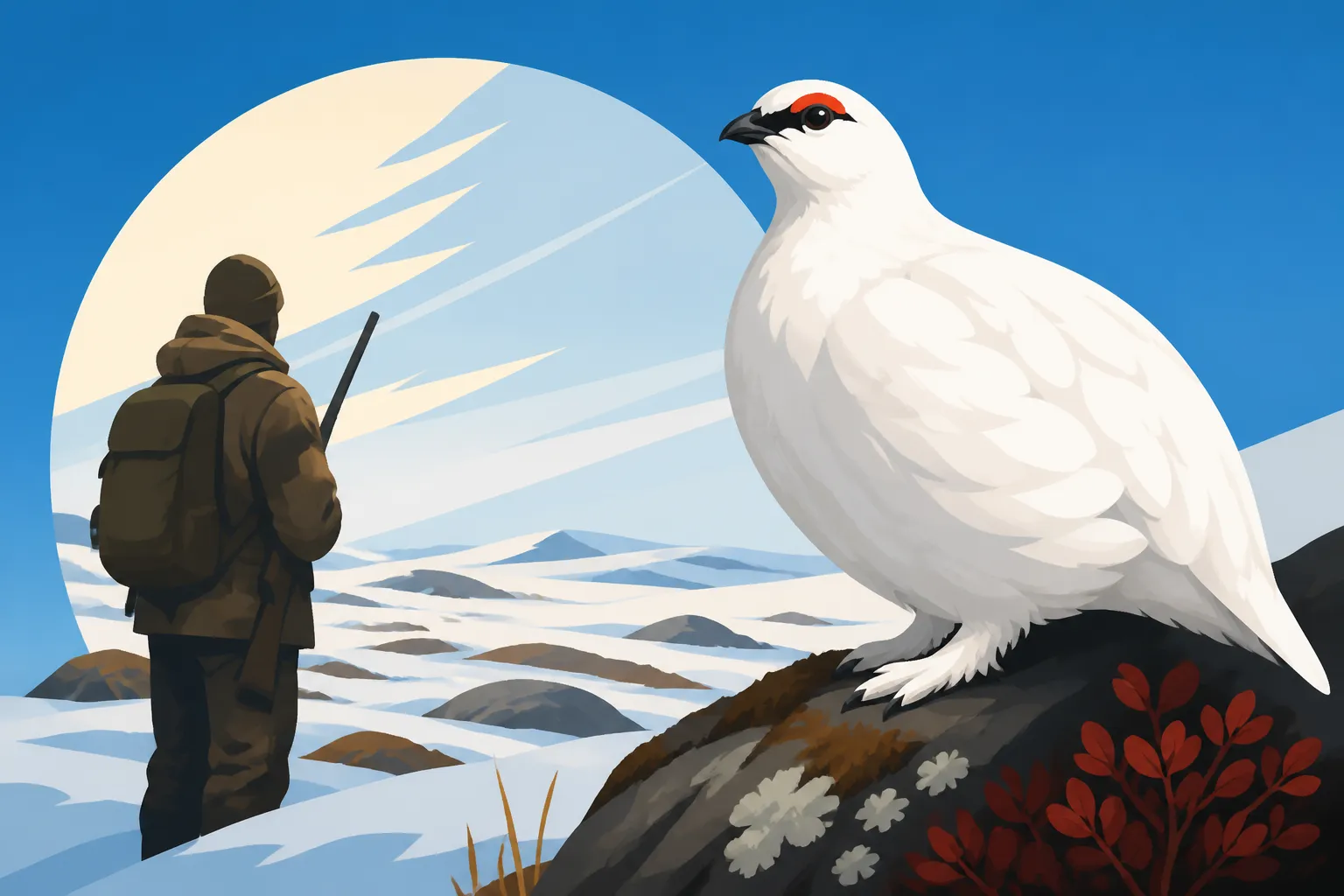
- Willow Ptarmigan: These are generally the most common and widely distributed ptarmigan in Manitoba's northern boreal and tundra regions. They are slightly larger than the Rock Ptarmigan and typically inhabit areas with more willow and dwarf birch scrub, which provides both food and cover. Their calls are often described as a cackling sound.
- Rock Ptarmigan: As their name suggests, Rock Ptarmigan prefer more rugged, rocky, and open tundra environments, often at higher elevations or in more barren landscapes. They are a bit smaller and tend to have a more speckled plumage, particularly during transitional periods.
Both species undergo a remarkable seasonal colour change, from mottled brown in summer to pure white in winter, providing incredible camouflage against the snow. This phenomenon is a highlight for many hunters, seeing a bird perfectly camouflaged and then, with a flush, revealing its brilliant white plumage. Learning about Ptarmigan Colour Change Through the Season is a fascinating aspect of this hunt.
Season Dates and Bag Limits in the Far North
Manitoba's hunting regulations are clearly outlined in the annual hunting guide, which is essential reading for any hunter. For ptarmigan, the season typically opens in September and can extend through March of the following year, though specific dates can vary by Game Hunting Area (GHA). In the far north, specifically in the Northern Region GHAs (e.g., GHAs 1, 1A, 2, 2A, 3, 4), the seasons are usually quite generous, reflecting the vastness of the land and the health of the ptarmigan populations.
- Typical Season: Often runs from September 1st to March 31st.
- Daily Bag Limit: Usually set at a generous number, like 10 birds per day.
- Possession Limit: Often twice the daily bag limit, allowing hunters to accumulate birds over a multi-day trip.
It's absolutely critical to always consult the current Manitoba Hunting Guide published by the provincial government, as these dates and limits can change annually. Never rely on outdated information. You can often find the most up-to-date information on Manitoba Game Bird Seasons and Limits directly on the provincial website. When you're planning your trip, consider using resources like GoHunt to cross-reference GHA maps and ensure you're within legal hunting boundaries for ptarmigan.
Essential Gear and Hunting Tactics for Northern Ptarmigan
Hunting ptarmigan in Manitoba's far north demands specialized gear and tactics, given the challenging environment. This isn't a casual walk in the park; it's an expedition that requires serious preparation.
Clothing and Footwear for Extreme Conditions
The weather in northern Manitoba is notoriously unpredictable and can turn brutally cold, even in what might seem like milder seasons. Layering is not just a suggestion; it's a necessity.
- Base Layers: Start with moisture-wicking synthetic or merino wool next to your skin to manage perspiration.
- Mid Layers: Fleece or down insulation is crucial for warmth. Pack multiple options so you can adjust to changing temperatures.
- Outer Layers: A windproof, waterproof, and breathable shell jacket and pants are non-negotiable. Look for durable materials that can stand up to brush and rocks. Blaze orange requirements for How Much Blaze Orange Manitoba Requires still apply in many areas, so factor that into your outer shell or wear a vest.
- Headwear: A warm hat that covers your ears is vital. A balaclava or neck gaiter can offer extra protection from windburn.
- Gloves/Mitts: Bring multiple pairs. Thin liners for dexterity, and heavy insulated mitts for warmth. Keeping your hands warm and functional is paramount.
- Footwear: Insulated, waterproof boots are critical. Ensure they are comfortable for long walks over uneven terrain and offer good ankle support. Consider packing chemical toe warmers. Wool socks, again in layers, will help keep your feet dry and warm. The last thing you want is cold, wet feet when you're miles from camp.
Remember that you'll be active, generating body heat, but also potentially sitting or standing still for periods. The ability to add or shed layers quickly is key to staying comfortable and preventing hypothermia. This is especially true if you are venturing into areas with limited cell service or are on a Hunting Manitoba's Far North on a Fly-In trip where help isn't just around the corner.
Firearms, Ammunition, and Other Essential Gear
Ptarmigan are not large birds, so heavy firepower isn't necessary. A lightweight shotgun is usually the weapon of choice.
- Shotgun: A 12-gauge or 20-gauge shotgun with an improved cylinder or modified choke is ideal. An over-under or pump-action can be robust choices for the northern environment.
- Ammunition: #6 or #7.5 shot will be more than sufficient. While ptarmigan are upland birds and don't typically fall under non-toxic shot regulations, it's always wise to confirm local rules, especially if hunting near wetlands or areas with specific conservation guidelines. Pack enough for your trip, as resupply options in the far north are virtually non-existent.
- Navigation: A reliable GPS device (like those integrated into some GoHunt apps) loaded with detailed maps, a compass, and physical maps are absolutely essential. Don't rely solely on your phone, as battery life and signal are unreliable. Know how to use all your navigation tools before you go.
- First-Aid Kit: A comprehensive kit, including essentials for cuts, blisters, burns, and hypothermia, is critical. Consider a satellite communication device (SPOT or inReach) for emergencies.
- Survival Gear: Fire starter, emergency shelter, extra food, water purification tablets, and a signaling mirror or whistle are all important additions.
- Game Processing: A sharp knife, game shears, and game bags are needed for field dressing and packing out your birds.
Tactics for Finding and Flushing Ptarmigan
Hunting ptarmigan involves a lot of walking and careful observation.
- Walk, Scan, and Listen: Ptarmigan often hold very tight, relying on their camouflage. Walk slowly, scanning the ground ahead of you, especially around willow thickets, rocky outcrops, and depressions where they might seek shelter from the wind. Listen for their distinctive calls or the explosive flush.
- Hunting with Dogs: A well-trained pointing or flushing dog can be an invaluable asset. Their keen sense of smell can locate birds that would otherwise be missed, and they can retrieve downed birds in tough cover. A dog's enthusiasm also adds to the enjoyment of the hunt.
- Focus on Cover and Food Sources: Look for areas where willow and dwarf birch are prevalent, as these are primary food sources. Ptarmigan will also use natural depressions, snow drifts (later in the season), and rocky areas for cover from predators and weather. In winter, they might burrow into snow for warmth.
- Approach with Caution: Once you spot a bird or your dog goes on point, approach deliberately. Ptarmigan can be surprisingly tame, but they can also flush suddenly. Be ready to shoot quickly.
- Respect the Environment: The far north is a fragile ecosystem. Practice Leave No Trace principles, pack out everything you pack in, and be mindful of your impact on the land.
Navigating Logistics and Regulations for Your Far North Adventure
Planning a ptarmigan hunt in Manitoba's far north is a significant undertaking that requires meticulous attention to detail, from licensing to travel arrangements.
Licensing Requirements and Obtaining Them
Every hunter, resident or non-resident, must possess the appropriate licenses and tags before hunting in Manitoba.
- Resident Requirements: Manitoba residents will need a Resident Game Bird Hunting Licence. You might also need a Federal Migratory Game Bird Hunting Permit if you plan to hunt any migratory birds in addition to ptarmigan, though ptarmigan are not migratory birds in the federal sense. Purchasing your Manitoba Resident Hunting Licence Cost is a straightforward process, often available online.
- Non-Resident Requirements: Non-residents (both Canadian and Foreign) will need a Non-Resident Game Bird Hunting Licence. For foreign residents, specific rules may apply regarding guides or booking with an outfitter, so always check the latest regulations.
- Federal Habitat Conservation Stamp: This is often a prerequisite for obtaining any game bird licence in Canada.
- How to Purchase: You can purchase your licences online through Manitoba's e-licensing portal, at authorized vendors, or directly from the province's natural resources offices. It's often easiest to secure Getting a Manitoba Licence Online well in advance of your trip.
- Carrying Your Licence: Always carry your physical or digital licence with you while afield, as conservation officers can request to see it at any time.
Travel and Access to Northern Hunting Grounds
Reaching the best ptarmigan hunting grounds in Manitoba's far north is often the biggest logistical hurdle.
- Fly-In Camps: Many of the most remote and productive ptarmigan areas are only accessible by float plane in summer/fall or ski plane in winter. Booking with an air charter service that specializes in remote drop-offs or arranging a trip through an outfitter is common. Be mindful of What a Fly-In Camp Weight Limit Means when packing, as every pound counts.
- Winter Roads: During colder months, ice roads and winter trails might provide ground access to certain northern communities and remote areas. However, these roads are temporary, subject to weather closures, and often require specialized, robust vehicles.
- Outfitters and Guides: For non-residents, and even for residents seeking a hassle-free trip, booking with a reputable northern outfitter is often the best option. They can handle all the complex logistics, from transportation to lodging and guiding, allowing you to focus on the hunt. They often have established camps in prime hunting areas.
- Scouting and Maps: Before any trip, thoroughly scout your chosen Game Hunting Area (GHA). Utilizing satellite imagery and digital mapping tools like those from GoHunt can help identify potential ptarmigan habitat, access points, and emergency bail-out routes. Don't underestimate the value of a detailed Reading a Manitoba GHA Map Before You Go.
Safety Considerations in a Remote Environment
Hunting in the far north comes with inherent risks due to its remoteness and harsh conditions. Safety must be your top priority.
- Emergency Communications: As mentioned, cell service is non-existent in many northern areas. Carry a satellite phone, an inReach, or a SPOT device to ensure you can call for help in an emergency.
- Weather Preparedness: Monitor forecasts religiously, but be prepared for sudden and drastic weather changes. Always have emergency shelter and extra layers. Understanding Hunting Safely in Deep Winter Cold is crucial if you plan a late-season hunt.
- Wildlife Encounters: While ptarmigan hunting, you'll be in prime habitat for other northern wildlife, including wolves and black bears, and even polar bears further north toward the coast. Know how to react to encounters, carry bear spray, and be "bear aware" at all times.
- First Aid Training: At least one member of your party should have advanced first aid and wilderness survival training.
- Trip Plan: File a detailed trip plan with someone responsible back home, outlining your route, expected return time, and emergency contacts. This is vital, especially for independent trips.
A ptarmigan hunt in Manitoba's far north is more than just a hunt; it's an adventure into the heart of a magnificent, wild landscape. With careful planning, proper gear, and a deep respect for the environment, it promises an experience you won't soon forget.
Disclaimer
Hunting regulations and season dates are subject to change. Always consult the most current Manitoba Hunting Guide and provincial regulations before planning and undertaking any hunting activity. This guide is for informational purposes only and does not supersede official government regulations.