Goose Season Dates by Zone
Trying to figure out when you can legally chase geese across Manitoba can feel like trying to hit a fast-flying teal with a slingshot – confusing and often frustrating if you don't know exactly where to aim. Each year, hunters grapple with the nuanced regulations, especially when it comes to the specific opening and closing dates for goose seasons, which can vary wildly depending on which part of our vast province you plan to hunt. This comprehensive guide is here to clear up that confusion, breaking down Manitoba's goose season dates by zone so you can plan your hunts with confidence and maximize your time in the field.
Understanding Manitoba's Migratory Bird Zones
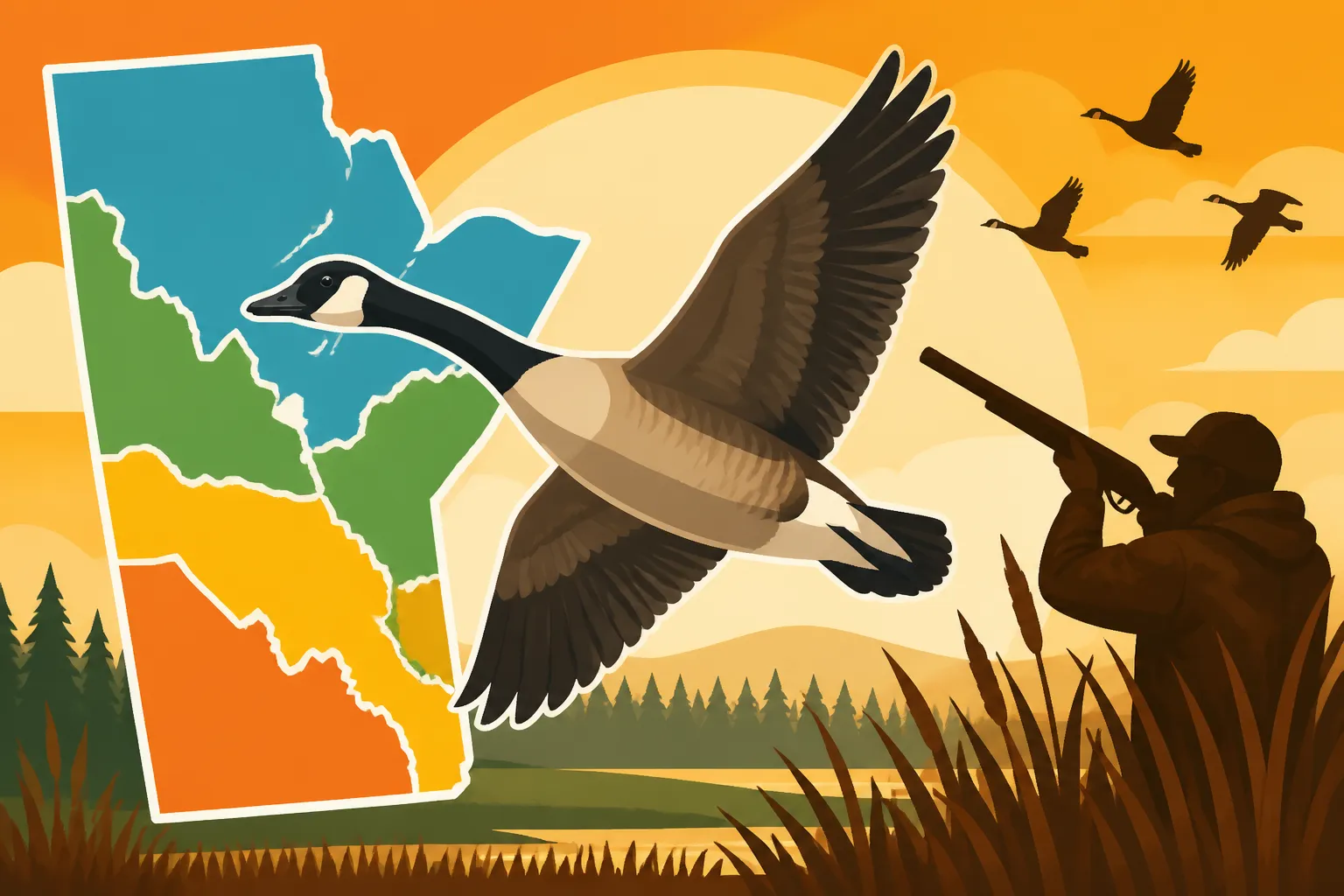
Manitoba is a huge province, stretching from the fertile farmlands in the south to the vast boreal forests and tundra in the north. It’s no surprise that the birds migrating through these different landscapes do so at different times, and in different numbers. This ecological reality is precisely why the province, in conjunction with federal regulations, has divided Manitoba into specific migratory bird zones. These zones aren't just arbitrary lines on a map; they are critical management tools designed to ensure sustainable hunting opportunities while protecting goose populations throughout their migration.
Why Zones Matter for Goose Hunting
The migratory bird zones are established based on a combination of factors, including average migration patterns, nesting areas, staging points, and population densities of various goose species. For example, geese will arrive in northern Manitoba much earlier in the fall than they will in the southern agricultural belt, and they’ll also depart earlier from the north as winter sets in. Without these zones, a single province-wide season would either open too late for northern hunters or close too early for those further south, leading to missed opportunities or, worse, overharvesting during critical periods.
Each zone provides a tailored hunting window that attempts to align with the presence of geese, ensuring hunters have a fair chance while preventing undue pressure on local breeding populations or early arrivals that are merely passing through. This nuanced approach helps maintain healthy goose numbers for future generations of hunters. It also allows for species-specific regulations within these zones, acknowledging that different goose populations, like Canada geese, Snow geese, and Greater White-fronted geese (specklebellies), may have different conservation statuses and migration timing. Understanding these zones is your first step to a successful hunt.
Identifying Your Hunting Zone
Before you even think about packing decoys or scouting fields, you absolutely need to know which migratory bird zone your intended hunting area falls into. This isn't just a suggestion; it's a legal requirement. The official Manitoba Hunting Guide, often found through resources like GoHunt, contains detailed maps outlining these zones. Generally, the province is divided into a Northern, Central, Western, and Southern zone, each with distinct boundaries that follow identifiable geographical features, municipal lines, or major roadways.
If you’re unsure about a specific location, a quick check of the official provincial hunting regulations map online or in the printed guide is essential. Don't rely on guesswork or what you remember from last season, as boundaries can occasionally be adjusted. For instance, a farmer's field that was just within the Central Zone last year might now be classified into the Southern Zone due to a minor boundary shift or a re-evaluation of bird patterns. Always double-check your current location against the most up-to-date maps to ensure you're hunting within the correct season dates and adhering to all local regulations. This foresight will save you a lot of headaches and potential fines.
Detailed Goose Season Dates by Zone
Manitoba offers diverse goose hunting opportunities, from early season resident Canada goose hunts to massive migrations of Snow geese and Specklebellies in the fall. The dates vary significantly by zone, reflecting the differing migration timings and population dynamics across the province. Below is a breakdown of the typical seasons for the most commonly hunted goose species in each zone. Keep in mind that specific dates can shift slightly year-to-year, so always consult the most current Manitoba Game Bird Seasons and Limits publication before heading out.
The Northern Zone
The Northern Zone encompasses the vast wilderness areas north of roughly 53 degrees latitude, including areas around The Pas, Thompson, and extending all the way to Hudson Bay. This zone often sees the earliest goose seasons due to the early onset of fall and winter conditions and the southward push of arctic-nesting species. Hunters in this region primarily target Canada geese and often see early flights of Snow geese and White-fronted geese.
Typically, the season for Canada and Cackling geese, as well as White-fronted geese, might open in early September and run through late October or early November. Snow geese often have an even longer season, starting earlier in September and sometimes extending into late December or early January, as they use these northern staging grounds before their long push south. Hunting here can be challenging, often involving remote access and unpredictable weather, but it offers incredible solitude and a chance to intercept birds that haven't seen much hunting pressure. Flying North for Manitoba Caribou or even considering a combination hunt often involves traversing these same vast landscapes.
The Central Zone
The Central Zone generally covers the area south of the Northern Zone, running down to roughly the Trans-Canada Highway (Highway 1). This includes a mix of boreal forest, mixed-wood zones, and some agricultural pockets, especially towards the Interlake region. Geese start to arrive here in force as temperatures begin to cool in the north, creating fantastic opportunities.
For Canada and Cackling geese, the season typically opens around mid-September and can run through late December. White-fronted geese usually align with these dates, but their peak presence is often in late September and early October. Snow geese have a similar long season, often from mid-September through to the end of December. The Interlake region, in particular, is renowned for concentrating birds, making it a prime destination for hunting. Consider exploring areas like the Alonsa Wildlife Area or Lake Francis Wildlife Area for strong waterfowl concentrations. The hunting pressure can be higher here than in the far north, but proper scouting and securing good locations can lead to excellent hunts.
The Western Zone
The Western Zone stretches along Manitoba's western border, encompassing much of the Parkland region and the fertile agricultural lands leading into Saskatchewan. This area, with its abundant grain fields and numerous potholes, is a major staging area for geese. Hunters in this zone can experience intense migratory flights, especially when large numbers of birds are moving through or feeding up for their long journey.
Canada and Cackling geese seasons typically kick off in mid-September, extending into mid to late December. White-fronted geese follow a similar pattern, with prime opportunities in late September and October. Snow goose seasons are often the longest, opening in mid-September and potentially running well into January, offering ample time to intercept these vast flocks. If you're looking to consistently find birds, knowing how to scout fields for Manitoba waterfowl is paramount in this area. Often, you'll be focused on Hunting Manitoba's Sandhill Cranes in this zone as well, which share similar habitats and migration timing. The flat, open landscape here lends itself well to elaborate field spreads for these wary birds.
The Southern Zone
The Southern Zone covers the most densely populated and agriculturally rich part of Manitoba, south of the Trans-Canada Highway and extending to the US border. This region is a magnet for geese, particularly during the late fall migration when birds are gorging on waste grain in preparation for winter. The seasons here tend to be slightly later due to warmer conditions, and hunting opportunities can be exceptional, though often with significant competition for prime spots.
Canada and Cackling geese seasons in the Southern Zone usually open in late September and can run into late December or even early January, depending on local conditions and specific regulations. White-fronted geese typically have a shorter, but intense, window from late September through October, coinciding with their primary push through the region. Snow geese, being late migrants and often holding in huge numbers, have the longest season, often opening in late September and extending all the way through late January. This prolonged season allows hunters ample opportunity to hunt snow geese over a big spread as they move through the region. Knowing when Snow geese pass through Manitoba is key to timing your hunt effectively in this zone.
Here’s a simplified table outlining the typical goose season dates by zone. Always remember to cross-reference with the official annual regulations, as dates can vary.
| Zone | Species | Typical Season Start (Approx.) | Typical Season End (Approx.) |
|---|---|---|---|
| Northern | Canada/Cackling Geese | Early September | Early November |
| White-fronted Geese | Early September | Early November | |
| Snow Geese | Early September | Late December / Early January | |
| Central | Canada/Cackling Geese | Mid-September | Late December |
| White-fronted Geese | Mid-September | Late December | |
| Snow Geese | Mid-September | Late December / Early January | |
| Western | Canada/Cackling Geese | Mid-September | Late December |
| White-fronted Geese | Mid-September | Late December | |
| Snow Geese | Mid-September | Late January | |
| Southern | Canada/Cackling Geese | Late September | Early January |
| White-fronted Geese | Late September | Late October | |
| Snow Geese | Late September | Late January |
Key Regulations and Considerations Beyond Dates
While knowing the season dates by zone is absolutely foundational, there's a whole world of other regulations and considerations that every goose hunter in Manitoba needs to be intimately familiar with. Overlooking any of these details can quickly turn a fantastic day afield into a frustrating encounter with a conservation officer. Think of it like tuning your shotgun – the dates are your choke selection, but all the other regulations are like ensuring your barrel is clean and your sights are true.
Federal and Provincial Requirements
First and foremost, goose hunting in Manitoba involves a dual layer of regulation: federal and provincial. Because geese are migratory birds, the federal government, through Environment and Climate Change Canada, sets the overarching rules, while the province of Manitoba implements its specific seasons and bag limits within those federal guidelines. This means you'll need both a federal Migratory Game Bird Hunting Permit and a Manitoba hunting licence.
The federal permit is mandatory for hunting any migratory game birds in Canada. You can purchase this online, and it’s valid across the country. Additionally, you'll need to purchase a Canadian Wildlife Habitat Conservation Stamp, which is often integrated with the federal permit purchase. This stamp is vital, as the funds generated directly support wetland and wildlife habitat conservation efforts. On the provincial side, you'll need a valid Manitoba Game Bird Licence. Even if you're a resident, you still need to purchase this. For up-to-date details on costs and where to buy, checking the Manitoba Hunting Licences and What They Cost article can be helpful. Always carry both your federal permit and provincial licence with you while hunting; digital copies on your phone are generally acceptable, but a physical printout is often preferred for easy inspection, especially in areas with spotty cell service.
Species-Specific Regulations and Limits
It's not enough to just know it's "goose season." You also need to understand the daily bag and possession limits, which vary significantly by species and sometimes even by zone. For instance, Canada geese, Snow geese, and White-fronted geese often have different daily bag limits to reflect their population health and migratory abundance. Some years, there might be liberal bag limits on Snow geese to help manage overpopulation concerns, while Canada geese might have a more conservative limit.
For example, on a typical day, you might be allowed to harvest 8 Canada geese, 10 White-fronted geese, and 20 Snow geese. Possession limits are usually twice the daily bag limit. It's crucial to correctly identify the species before you pull the trigger. Mistaking a protected species or exceeding a bag limit is a serious offense. This is where experience, good optics, and perhaps even studying different goose identification guides, like those available through GoHunt, become invaluable. Remember, hunters have a responsibility to know their quarry and abide by these specific limits to ensure sustainable hunting for all.
Non-Toxic Shot Requirements
This is a non-negotiable rule that every waterfowl hunter must adhere to: the use of non-toxic shot is mandatory throughout Manitoba for hunting all migratory game birds. This regulation has been in place for decades to prevent lead poisoning in waterfowl and other birds that ingest spent lead shot. Lead shot is highly toxic, and its ingestion can lead to a slow, painful death for birds.
Common non-toxic alternatives include steel, bismuth, and various tungsten alloys. Steel shot is the most common and affordable, but it behaves differently from lead, often requiring a larger shot size and different chokes for optimal patterns. Bismuth and tungsten alloys offer densities closer to lead but come at a higher cost. Ensure your shotgun is rated for the non-toxic shot you choose, especially if using high-velocity steel loads, as some older shotguns may not be safe for them. Always double-check your ammunition before heading out to the field. Failing to use non-toxic shot is a serious federal offense that carries substantial penalties, so leave any lead waterfowl loads at home. For more details on the specifics, check out our guide on Non-Toxic Shot Requirements for Waterfowl.
Maximizing Your Manitoba Goose Hunt
Once you’ve got the dates down and the regulations squared away, the next step is transforming that knowledge into actual success in the field. Goose hunting in Manitoba, particularly for widespread species like Canada Geese and Snow Geese, is as much about strategy and preparation as it is about knowing the rules. It's a game of chess against some of the most wary birds on the continent, and every move counts.
Scouting and Migration Timing
Successful goose hunting begins long before opening day. The number one rule for consistent success is thorough scouting. Geese are creatures of habit, but those habits can change daily based on food availability, hunting pressure, and weather. Driving around Manitoba's agricultural belt, especially around dawn and dusk, looking for concentrations of birds in fields or resting on water bodies, is paramount. Look for fresh droppings, trampled stubble, and actual geese. Tools like GoHunt can assist with property boundaries and land ownership, which is crucial for identifying potential access points and securing permission.
Understanding the broader migration timing is also vital. While our season dates give you a window, geese don't arrive and depart on a strict calendar. Cold fronts pushing down from the north often trigger massive movements, bringing fresh birds into an area. Warm spells can delay their southward journey. Paying attention to weather forecasts across the prairie provinces and even into the northern US states can give you an edge. For instance, knowing when snow geese pass through Manitoba in significant numbers can help you plan your vacation days. If you're targeting specific species, like specklebellies, understanding when Where Specklebellies Stage in Manitoba can guide your scouting efforts to those particular areas. A keen understanding of both local bird patterns and broader migration trends will put you on the X more often than not.
Field Hunting Strategies
Most goose hunting in Manitoba, particularly for Canada and Snow geese, takes place in agricultural fields where birds are feeding on waste grain. This means a solid field hunting strategy is essential. It starts with your decoy spread. For Canada geese, realistic full-body decoys or even well-placed silhouettes can be effective. A common setup involves a family group of decoys with a few sentinels, arranged to mimic natural feeding patterns. For Snow geese, which often travel in immense flocks, sheer numbers of decoys are often key – the bigger the spread, the better. Spread sizes of 500-1000 white "rags" or shell decoys are not uncommon when hunting snow geese over a big spread.
Your blind setup is equally important. Geese have incredible eyesight. Whether you're using layout blinds, A-frame blinds, or natural cover along a bush edge or willow run, concealment is paramount. Make sure your blinds blend seamlessly with the surroundings. For instance, if you're Hunting a Swathed Grain Field at Dusk, use materials that match the stubble. Calling is another critical component. Learning to use a variety of calls for Canada geese, Snow geese, and White-fronted geese can help draw birds closer and calm wary flocks. Practice makes perfect, and subtle, realistic calling is often more effective than loud, aggressive honking. Lastly, pay attention to the wind. Geese almost always land into the wind, so position your blinds and decoys accordingly to bring birds in close and offer optimal shooting opportunities.
Disclaimer
Please note that hunting regulations, season dates, and limits are subject to change. This guide is intended for informational purposes only and should not be considered a substitute for the official Manitoba Hunting Guide and federal migratory bird regulations. Always consult the most current publications from Manitoba Sustainable Development and Environment and Climate Change Canada before planning and engaging in any hunting activities. It is the hunter's responsibility to know and follow all applicable laws.