Which Species Foreign Hunters Must Book Guided
Planning a hunting trip to Manitoba from outside of Canada can feel like navigating a maze of regulations, especially when it comes to understanding who needs a guide and for which species. Many foreign hunters arrive with assumptions based on experiences elsewhere, only to find Manitoba has specific requirements designed to ensure both hunter safety and wildlife management. This guide is here to clarify precisely which species require a licensed guide for foreign residents, helping you prepare for a successful and compliant hunting adventure in our beautiful province.
Understanding Manitoba's Hunter Residency Rules
Before we dive into the specifics of guided hunts, it's absolutely crucial to understand how Manitoba defines different types of hunters. This distinction dictates everything from licence eligibility to whether you’re required to hire a guide. Misinterpreting these categories can lead to significant headaches, wasted time, and even legal issues, which nobody wants when they’re planning a dream hunt.
Who Qualifies as a Manitoba Resident?
First off, a "Manitoba Resident" is someone who has lived in the province for at least six consecutive months immediately prior to applying for a licence. This means you have a permanent home here, pay taxes here, and your main life activities are rooted in Manitoba. For these hunters, there's a broad spectrum of hunting opportunities available, often at a lower cost, and with more flexibility regarding guided hunts. They generally don't need a guide for big game, unless they choose to hire one for convenience, expertise, or to access remote areas. For more details, you can look into specific aspects of the provincial regulations for Manitoba Resident Licence Options.
The "Canadian Non-Resident" Category
Next up are "Canadian Non-Residents." These are individuals who are Canadian citizens or permanent residents, but they do not reside in Manitoba. So, if you live in Alberta, Ontario, or any other Canadian province or territory, you fall into this group. The rules for Canadian Non-Residents are a bit different from both Manitoba Residents and true foreign hunters. In some cases, a Canadian Non-Resident might be able to hunt unguided for certain species if they own property in Manitoba or are hunting as a guest of a Manitoba resident. However, even within this category, certain big game hunting opportunities might be restricted or have specific conditions attached. It’s always best to check the latest Rules for Non-Residents Hunting Manitoba to be sure.
What Defines a "Foreign Resident" for Hunting?
This is where our main topic comes into sharp focus. A "Foreign Resident" is anyone who is not a Canadian citizen or permanent resident, regardless of where they reside outside of Canada. This typically refers to hunters coming from the United States, Europe, or other international destinations. For foreign residents, Manitoba has a clear and strict regulation: you must employ the services of a licensed Manitoba outfitter or guide for all big game hunting. This isn't just a suggestion; it's a legal requirement. This rule is in place for several reasons, which we'll delve into later, but primarily it ensures proper oversight, enhances safety, and helps manage our precious wildlife resources effectively.
Specific Big Game Species Requiring a Guide for Foreign Hunters
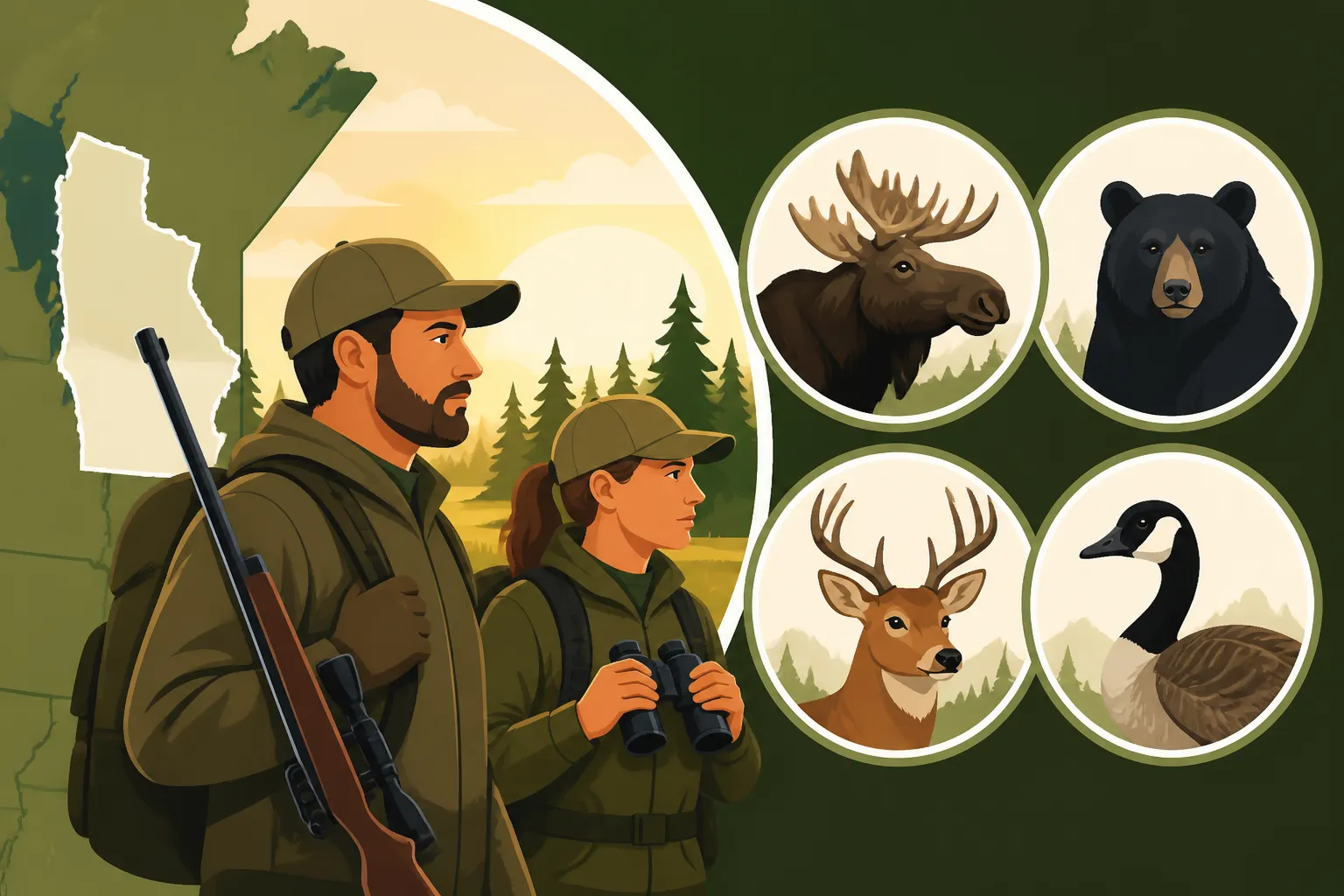
Now that we've established who a "Foreign Resident" is, let's pinpoint the exact species that trigger this mandatory guiding requirement. It’s not just a select few; the regulation is quite encompassing for big game. Understanding this is crucial for planning your trip and avoiding any last-minute surprises or disappointments. Whether you're dreaming of a massive whitetail or a formidable black bear, your foreign resident status means a guide will be part of the adventure. Many hunters rely on resources like GoHunt to research these regulations, ensuring they have all the necessary information before even applying for licenses.
Moose Hunting Regulations
For foreign residents, hunting moose in Manitoba unequivocally requires the services of a licensed outfitter. There are no exceptions to this rule. Moose hunting often takes place in remote, vast tracts of boreal forest, far from paved roads and populated areas. The terrain can be challenging, and tracking a large animal like a moose through dense bush or muskeg requires significant local knowledge and logistical support. Outfitters provide this essential expertise, from navigating remote areas to understanding moose behavior in different habitats. They also ensure compliance with specific regulations, such as those related to Manitoba's Moose Conservation Closures, which can vary by Game Hunting Area (GHA). Without a guide, navigating these complexities would be incredibly difficult and potentially unsafe for someone unfamiliar with the territory.
Elk Hunting Requirements
Similar to moose, foreign residents wishing to hunt elk in Manitoba must engage a licensed outfitter. Manitoba's elk herds, while robust in certain regions like the Parkland and Duck Mountain areas, also inhabit challenging landscapes. Elk are known for their wariness and ability to cover vast distances, making them a formidable quarry. A guide's intimate knowledge of the local habitat, elk migration patterns, and preferred bedding and feeding areas is invaluable. They can help you understand the nuances of Bugling Elk in Manitoba's Parkland during the rut, or how to approach them effectively in dense cover. Furthermore, guides are often crucial for accessing private lands where elk frequently feed, as they typically have established relationships with landowners, securing the necessary permissions.
Black Bear Hunting Considerations
If you're a foreign resident planning a black bear hunt in Manitoba, you'll also need to book it through a licensed outfitter. Manitoba is renowned for its high black bear population and the opportunity for trophy-class bears, including various colour phases. Most black bear hunting, especially the spring and fall seasons, revolves around baiting or spot-and-stalk methods, often in heavily wooded areas. An outfitter provides not just the bait sites, but also ensures they are set up legally and safely, with proper tree stands or ground blinds. They manage multiple sites and know which ones are active, significantly increasing your chances of success. They also have the experience to help you accurately Judging a Boar From a Sow With Cubs, which is critical for ethical hunting and compliance with regulations. Trying to set up a legal and effective bait site as a foreign hunter without local knowledge or a guide would be incredibly difficult and likely unproductive. For those considering Booking a Manitoba Black Bear Hunt, remember a guide is mandatory.
Barren-Ground Caribou and Deer Rules
Rounding out the big game species, foreign residents must also hunt Barren-Ground Caribou and white-tailed deer with a licensed outfitter. Caribou hunting in Manitoba takes place in the far northern reaches of the province, often requiring fly-in access to remote camps. The logistical challenges, extreme weather conditions, and sheer vastness of the tundra make a guided experience absolutely essential. Outfitters arrange transportation, provide specialized gear, and have the tracking and navigation skills necessary for hunting Barren-Ground Caribou in Northern Manitoba. For white-tailed deer, while they are more widespread, the rule still applies to foreign residents. A guide ensures you are hunting in appropriate Manitoba's Game Hunting Areas and helps with everything from Scouting a Manitoba Game Hunting Area to knowing the best times for Hunting the Rut in Early to Mid November. Even for Whitetail Hunting in Manitoba, a foreign hunter must be guided. This uniform approach simplifies regulation for enforcement and safety, ensuring all foreign hunters benefit from local expertise.
| Species | Foreign Hunter Guide Required? | Typical Habitat | Key Considerations |
|---|---|---|---|
| White-tailed Deer | Yes | Parkland, bush country, farmland, river valleys | Knowledge of local deer movement, rutting activity. |
| Moose | Yes | Boreal forest, muskeg, remote wilderness | Access to remote areas, tracking skills, understanding Moose Across Manitoba's Boreal Forest population dynamics. |
| Elk | Yes | Parkland, forested uplands, agricultural fringes | Locating herds, understanding Elk in Manitoba's Parkland and Mountains behavior, landowner relations. |
| Black Bear | Yes | Mixed forest, bush country | Managing bait sites, identifying mature bears, safety in Black Bears Across Manitoba's Bush Country. |
| Barren-Ground Caribou | Yes | Tundra, northern transition zone | Remote access via float plane, extreme weather preparedness, understanding Barren-Ground Caribou in Northern Manitoba migrations. |
The Rationale Behind Guided Hunts for Foreign Hunters
It might seem like an extra hoop to jump through, but Manitoba's requirement for foreign hunters to use a licensed guide isn't arbitrary. It's a carefully considered policy rooted in a few key principles that benefit everyone involved – the hunters, the wildlife, and the province itself. These regulations are part of a broader framework to ensure hunting remains sustainable, safe, and contributes positively to the local economy.
Conservation and Management Efforts
One of the primary reasons for mandatory guiding is to support conservation and sustainable wildlife management. Licensed outfitters are not just businessmen; they are often deeply invested in the health of the game populations in their operating areas. They have a vested interest in ensuring a healthy future for the species they hunt. Outfitters are typically well-versed in bag limits, season dates, and ethical hunting practices. They act as an extension of the provincial wildlife department in many ways, helping to ensure that regulations are followed by all hunters under their care. This oversight is particularly important for species like moose and elk, where population dynamics can be complex and sensitive, sometimes necessitating Manitoba's Moose Conservation Closures in certain areas. Furthermore, guides play a role in monitoring game populations, reporting unusual observations, and sometimes assisting with initiatives like Manitoba's CWD Sampling Requirements, which helps protect the overall health of our herds.
Safety and Hunter Success
Hunting in Manitoba, particularly for big game, can present unique challenges, especially in our vast wilderness areas. The weather can change rapidly, terrain can be rugged, and remote locations mean help can be hours away. For someone unfamiliar with these conditions, venturing out unguided could be risky. Licensed guides bring unparalleled local knowledge, an understanding of the terrain, emergency preparedness, and expertise in tracking and retrieving game safely. They know the subtle signs of animal movement, where to find water, and how to navigate dense bush. This significantly enhances the hunter's safety, minimizing the risk of getting lost or injured. Beyond safety, a guide dramatically increases a foreign hunter's chances of success. They spend countless hours scouting, setting up stands or baits, and learning animal patterns. This intimate knowledge is invaluable, transforming a potentially frustrating trip into a rewarding one. When you're spending good money on a big game hunt, maximizing your opportunity for success is a huge factor, and a guide is instrumental in that.
Economic Impact and Tourism
Finally, the mandatory guiding requirement for foreign hunters contributes significantly to Manitoba's economy and its tourism sector. Outfitters, their guides, and their support staff are often small business owners who rely on hunting tourism for their livelihoods. These operations create jobs, from cooks and camp attendants to bush pilots and local suppliers. When foreign hunters book trips, they not only pay for the guiding service but also spend money on accommodations, meals, fuel, gear, and other local services. This influx of capital directly supports rural communities and strengthens the province's reputation as a premier hunting destination. By ensuring a quality, regulated experience, Manitoba encourages repeat visits and positive word-of-mouth, which is vital for the long-term health of our hunting tourism industry. It’s an investment in the province’s natural resources and the people who make these hunting experiences possible.
Navigating the Process of Booking a Guided Hunt
So, you're a foreign hunter, and you know you need a guide. Now what? The next step is to actually book that hunt, which can be an exciting but also a daunting task. There are many outfitters to choose from, and making the right decision is crucial for a memorable and successful trip. Think of this as planning a major expedition; attention to detail at this stage will pay dividends in the field. Tools like GoHunt can be invaluable in filtering through options and reading reviews from other hunters.
Choosing a Reputable Outfitter
Selecting the right outfitter is arguably the most critical decision you'll make. Start by doing thorough research. Look for outfitters specializing in the species you wish to hunt – for instance, if you're targeting deer, find one known for Whitetail Hunting in Manitoba. Check their website, social media, and read reviews on independent hunting forums. Don't be shy about asking for references; a reputable outfitter will gladly provide contacts for past clients. When speaking with references, ask specific questions about the quality of the hunting experience, the camp, the food, the guides' knowledge, and their overall satisfaction. Ensure the outfitter is licensed by the province of Manitoba, which is a non-negotiable legal requirement. You can also research the Manitoba Outfitters in the Parkland or other regions to narrow down your choices geographically.
Understanding Package Inclusions and Exclusions
Once you've shortlisted a few outfitters, it's time to dig into the details of their packages. Hunting packages can vary wildly in what they include. Some are all-inclusive, covering everything from airport pick-up and drop-off to meals, lodging, guiding services, and even initial meat processing. Others might be more basic, with Day Rates Versus Full Packages for guiding, requiring you to arrange your own travel, food, and accommodation. Be sure to clarify what is covered and, more importantly, what is not. Ask about licences and tags – will the outfitter assist you with purchasing your Manitoba Hunting Licences and What They Cost? What about trophy fees, taxes, or How Much to Tip a Manitoba Guide? Understanding these financial details upfront will prevent any unwelcome surprises during or after your hunt. Don't forget to inquire about Manitoba Meat Processing and Cold Storage options after a successful harvest.
Essential Preparations for Your Guided Trip
With your outfitter chosen and booking confirmed, the focus shifts to preparation. This phase involves both paperwork and practical considerations. For foreign hunters, especially those from the United States, managing firearms paperwork is paramount. You'll need to complete a Non-Resident Firearm Declaration form (RCMP 5589) to bring your rifle or shotgun into Canada. Make sure this is correctly filled out and presented at the border. Also, review the Legal Firearms and Bows for Big Game regulations in Manitoba. Beyond firearms, consider your physical conditioning; Sitting All Day in a Manitoba Blind or tracking a moose through heavy brush requires stamina. Plan your travel, ensuring you know how to get to Flying Into Winnipeg for a Hunt and then onward to your outfitter's camp. Pack appropriate gear for Manitoba's often unpredictable weather, especially if you're hunting in the late fall or Hunting Safely in Deep Winter Cold. Communicate regularly with your outfitter in the weeks leading up to your trip to confirm details and address any last-minute questions. For a deeper dive into preparation, consider reading a guide on Planning a Manitoba Hunting Trip.
Disclaimer
The information provided in this article is for general guidance only and does not constitute legal advice. Hunting regulations in Manitoba can change, and it is the hunter's responsibility to review and comply with the most current regulations set forth by the Government of Manitoba and any federal laws. Always consult the official Manitoba Hunting Guide or contact Manitoba Conservation and Climate directly for the most accurate and up-to-date information before planning your hunt.