Hunting Moose Where Seasons Stay Open
It's incredibly frustrating when you're passionate about moose hunting, only to find so many prime areas have restricted or even closed seasons. The challenges of navigating regulations and finding reliable spots can make planning a hunt feel like a monumental task. This guide is here to cut through that confusion, focusing on where and how you can still pursue moose in Manitoba in areas where the seasons remain open, giving you actionable strategies to find success.
Understanding Manitoba's Moose Season Landscape
Manitoba is a vast province, but when it comes to moose hunting, not all areas are created equal. Recent conservation efforts have led to significant changes in season structures, and understanding these shifts is the first step toward a successful hunt.
The Reality of Moose Closures
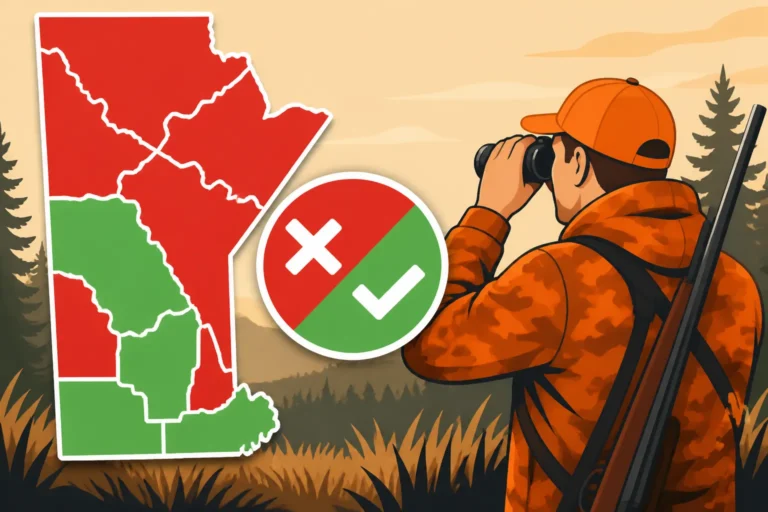
Let's be honest, it stings to see areas you once hunted, or hoped to hunt, become restricted. Many moose populations in Manitoba have faced challenges over the years, from habitat changes and disease to predation and, in some cases, overharvesting. Because of these concerns, the province has had to make some tough decisions to protect and recover these majestic animals. This has led to widespread Manitoba's Moose Conservation Closures in various Game Hunting Areas (GHAs) across the province, particularly in regions that historically held strong numbers.
For instance, areas like the Duck Mountain region, which once offered fantastic moose hunting opportunities, have seen seasons closed or severely limited to allow populations to rebound. These closures are implemented to give moose populations a chance to stabilize and grow, often in consultation with local communities and Indigenous groups who also rely on these resources. While these decisions are made with the best intentions for wildlife, they can certainly leave resident hunters feeling a bit lost when trying to pinpoint an open area. It's a common lament around hunting camps—where did all the moose seasons go?
Identifying Open Moose Hunting Areas
Despite the challenges, there are still opportunities for moose hunting in Manitoba. The key is knowing where to look and staying current with the regulations. Generally, the more remote, northern regions of Manitoba, often within the Boreal Forest, tend to have more stable moose populations and, consequently, more consistent open seasons. These areas are typically less accessible and experience less hunting pressure, allowing moose to thrive.
To find these open areas, your best friend is the current Manitoba Hunting Guide, published annually by the provincial government. It provides detailed maps and regulations for all Manitoba's Game Hunting Areas. You’ll want to pay close attention to the specific GHA numbers that have open moose seasons. Digital mapping applications, like GoHunt, can also be incredibly useful here. They often layer GHA boundaries and can sometimes even integrate season dates directly onto your map, making it easier to visualize where you can hunt legally. Always cross-reference with the official provincial guide, but tools like GoHunt provide an excellent starting point for narrowing down your search.
Strategies for Locating Moose in Open Areas
Once you’ve identified GHAs with open seasons, the next challenge is actually finding the moose. These animals are masters of their environment, often blending seamlessly into the dense cover they prefer. Success hinges on understanding their habitat and employing smart scouting tactics.
Focusing on Remote and Less-Pressured Zones
Moose, especially mature bulls, are wary creatures. In areas where hunting pressure is present, they will quickly retreat to the deepest, most inaccessible parts of their range. This means that to find them in open season areas, you're going to have to be willing to put in the effort to get away from the easy access points. Think beyond the main roads and well-worn trails. These remote zones might require long hikes, ATV access on old logging roads, or even boat travel across lakes and rivers.
Consider areas that are a significant distance from population centers, or GHAs that are large and relatively undeveloped. In these vast tracts of wilderness, moose can often live out their lives with minimal human disturbance. For hunters willing to venture deeper, these less-pressured areas offer a higher probability of encountering mature animals. It's not uncommon to find successful hunters targeting moose deep within Hunting Moose in Manitoba's Boreal Forest, far from any road, relying on their physical endurance and bush skills to get into prime territory.
Reading the Landscape: Habitat Preferences
Moose are creatures of habit, and their presence is strongly tied to specific habitat types that provide both food and cover. They are often found in wetlands, swamps, bogs, and areas with dense willow and alder thickets. These environments offer a rich supply of aquatic vegetation, a favorite food source, and dense cover to escape predators and harsh weather. Look for areas where these features converge.
Beyond wetlands, moose also frequent spruce-fir forests, especially those with an understory of palatable browse. Recent burns and cutblocks can also be prime moose habitat. A few years after a wildfire, for instance, the regenerated growth—especially young willow, aspen, and birch—provides an explosion of food for moose. Similarly, clear-cut logging operations, once the initial disturbance subsides, create open areas with abundant new growth that moose will readily exploit. Learning to recognize these habitat components on a map, perhaps using satellite imagery features available on platforms like GoHunt, and then verifying them on the ground, will drastically improve your chances. Pay particular attention to the edges of muskeg, as these transitional zones can be highly productive, especially when you're Hunting a Boreal Muskeg Edge.
The Importance of Pre-Season Scouting
You wouldn't head into a major exam without studying, and you shouldn't head into a moose hunt without serious pre-season scouting. This doesn't necessarily mean boots on the ground months in advance, though that's ideal. It means studying maps, understanding terrain, and identifying potential moose hot spots. Look for areas with fresh sign: large tracks, beds, heavily browsed willows or aspen, and fresh droppings. Moose are creatures of habit, and they will often return to areas with good food and cover year after year.
Satellite imagery from tools like Google Earth or the advanced mapping on GoHunt can help you identify remote pockets of prime habitat, potential travel corridors, and even specific feeding areas. Look for dark timber bordering swamps, or dense stands of young growth within larger forest blocks. Pay attention to water sources and how they might funnel moose movement. Once hunting season approaches, if possible, spend a day or two driving or hiking into these chosen areas. This ground truthing will confirm what you saw on the map and help you pinpoint the best spots to set up. Detailed Scouting a Manitoba Game Hunting Area is crucial for moose, more so than almost any other big game animal.
Effective Moose Hunting Methods for Open Seasons
Once you've zeroed in on promising areas, it's time to consider the best tactics for bringing a moose within range. Moose hunting often combines patience with periods of intense action, and knowing which method to employ at the right time can make all the difference.
Calling and Still-Hunting in the Rut
The moose rut, typically occurring from late September through mid-October, is arguably the most exciting time to hunt. During this period, bulls are actively searching for cows, making them more vocal and less cautious. This is when calling becomes an incredibly effective strategy. Mimicking a cow's mournful bawl or a bull's guttural grunts can draw an inquisitive or aggressive bull right into your setup. Raking antlers against trees to simulate a bull fighting or thrashing brush can also be highly effective.
The best times for calling are usually early morning and late evening, when moose are most active. However, during the peak of the rut, calling can work throughout the day, especially on overcast or drizzly days. Patience is key; a bull might take minutes or even an hour to respond, sometimes circling downwind before presenting a shot. Pair calling with still-hunting, slowly moving through prime habitat, stopping frequently to listen and call. Learning to effectively use calls to bring in a bull is an art form, and mastering the sounds is essential when Calling a Bull Moose in the Rut. Many hunters find success by combining cow calls with bull grunts and antler raking, drawing out a territorial bull. For a deeper dive into vocalizations, explore Calling Moose in Manitoba's Boreal Forest.
Hunting Around Water and Feed Sources
Moose are semi-aquatic animals, and they absolutely love water. Shallow lakes, beaver ponds, and marshy areas are magnets for moose, particularly during warmer weather when they feed heavily on aquatic plants. These plants are rich in minerals and offer a cool respite from insects. Hunting these water sources can be incredibly productive.
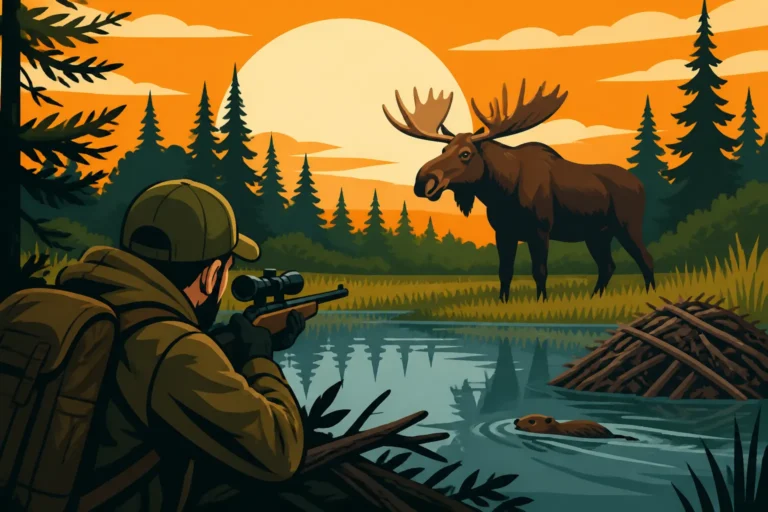
One effective technique is to set up a blind or find a vantage point overlooking a known feeding area early in the morning or late in the afternoon. Moose will often emerge from dense cover to feed in these open, nutrient-rich spots. Another strategy involves slowly still-hunting the edges of these wetlands, moving quietly and constantly scanning for movement. Pay attention to fresh tracks leading to and from the water. In areas with recent cutblocks or burns, moose will also concentrate on the abundant new growth. These areas offer excellent opportunities for spot-and-stalk or still-hunting, particularly in the fall when they’re bulking up for winter. A well-placed stand near a Hunting Moose Around Manitoba Beaver Ponds can often prove fruitful. If you're fortunate enough to hunt a recently burned area, understanding how the environment changes is critical for Hunting a Burned-Over Boreal Block.
Utilizing Cutlines and Old Trails
In many parts of Manitoba's boreal forest, especially in GHAs that have seen past logging or exploration, you'll find a network of cutlines, seismic lines, and old logging roads. While these aren't natural features, moose often use them as easy travel corridors. They offer a clear path through otherwise impenetrable bush and are often bordered by dense cover, providing security.
Hunting these linear features involves a combination of strategies. You can still-hunt along them, moving very slowly and quietly, constantly scanning the edges for moose. Look for fresh tracks, droppings, and browsed vegetation along the margins. Another tactic is to set up an ambush point where a cutline intersects with a natural travel corridor or leads to a prime feeding or bedding area. Moose will often use these paths during their daily movements between feeding and bedding sites. Remember to be mindful of wind direction and scent control, as moose have an excellent sense of smell. Always be aware of your surroundings and other hunters when utilizing these access points. Many a big bull has been intercepted on a Hunting Moose on a Manitoba Cutline as it moves between different sections of its home range.
Practical Considerations for Extended Moose Hunts
Hunting moose, especially in Manitoba’s remote open season areas, is not for the faint of heart. It requires meticulous planning and preparation, often involving multi-day excursions deep into the wilderness.
Gear and Logistics for Remote Hunts
When planning an extended moose hunt, particularly in more remote areas, your gear list takes on critical importance. Reliability is paramount. A high-quality, dependable GPS unit with extra batteries is non-negotiable for navigation, especially if you're venturing off-trail. Proper layered clothing, suitable for extreme weather fluctuations common in Manitoba, is essential. Think high-quality base layers, insulation, and a waterproof outer shell. Don't skimp on good boots—waterproof, insulated, and broken-in boots are your feet's best friend.
Beyond personal gear, consider your extraction plan. Moose are massive animals, and getting one out of the bush is a Herculean task. Do you have a reliable ATV or side-by-side? A good game cart? Plenty of rope? Even an old toboggan can be invaluable for dragging meat in snowy conditions. Ensure your vehicle is properly maintained and equipped for rough bush roads. A well-stocked Winter Truck Kit for a Manitoba Hunt can be a lifesaver, even in early fall, as weather can turn quickly. Always pack emergency supplies, including a first-aid kit, fire-starting materials, extra food and water, and a satellite communication device for areas without cell service.
Meat Care in the Field
Harvesting a moose is a huge accomplishment, but the work is far from over once the animal is down. Proper meat care in the field is critical, especially when hunting in warmer early season conditions or far from immediate refrigeration. Moose meat can spoil quickly if not handled correctly. The first priority is to field dress the animal immediately to allow the carcass to cool.
For remote hunts, you'll almost certainly need to quarter the moose in the bush. This involves breaking the animal down into manageable pieces that can be packed out. This process needs to be done cleanly and efficiently to prevent contamination. Once quartered, the meat should be hung off the ground to allow for air circulation and to protect it from scavengers. Tree branches work well, or you can bring game bags and rope. Get the hide off quickly, as it retains a lot of heat. If you're Quartering a Moose Alone in the Bush, having the right knives and a good plan is crucial. In colder temperatures, Meat Care in Manitoba's Cold Snaps involves different considerations but is no less important for preserving your harvest.
Respecting Regulations and the Spirit of the Hunt
Successfully hunting moose where seasons remain open in Manitoba isn't just about finding the animal; it's also about upholding the integrity of the sport and ensuring its future. This means staying on the right side of the law and embracing ethical hunting practices.
Double-Checking GHA-Specific Rules
While this guide focuses on areas with open seasons, it's absolutely paramount to remember that regulations can vary significantly even within those open GHAs. Some areas might have specific antler point restrictions, certain hunting methods prohibited, or even limited entry draws for specific tags that are separate from general season tags. What's legal in one GHA might not be in another, even if they're adjacent.
Before you ever step foot into a GHA with your rifle or bow, you must consult the most current official Manitoba Hunting Guide. This document is the ultimate authority on all regulations, season dates, bag limits, and GHA-specific rules. Don't rely solely on word-of-mouth or last year's guide. Regulations can change annually based on population surveys and conservation needs. While digital resources like GoHunt are fantastic for mapping and initial planning, always use them as a supplement to, not a replacement for, the official government publication. Verifying these details carefully ensures you have a legal and ethical hunt.
Ethical Harvesting and Conservation
Beyond simply following the law, there's a deeper responsibility that comes with hunting any big game animal, especially moose. Ethical harvesting means making clean, humane shots and making every effort to recover any animal you hit. This often involves diligent tracking, even if the blood trail is sparse, and being prepared for follow-up shots if necessary. A wounded animal left unrecovered is a waste, and the provincial regulations are clear about Rules on Wasting Game Meat.
Hunters play a vital role in conservation. By participating in moose hunting within open seasons, you're not just pursuing a personal goal; you're also contributing to wildlife management through licence fees and, importantly, through your adherence to regulations designed to maintain healthy moose populations. When you fill out your mandatory harvest report, provide accurate information. This data helps wildlife biologists make informed decisions about future seasons and management strategies. Our collective respect for the animal, the land, and the regulations ensures that moose hunting opportunities will continue for generations to come.
Moose Hunting Strategies Comparison
| Strategy | Best Conditions | Advantages | Challenges |
|---|---|---|---|
| Calling (Rut) | Peak rut (late Sept-mid Oct), calm weather, early/late light | Can draw wary bulls from dense cover, exciting and engaging | Requires skill to mimic calls, moose may circle downwind, long waits |
| Still-Hunting | Any season, dense cover, quiet footing, light drizzle | Stealthy approach, covers ground, good for scouting and ambushing | Slow moving, requires excellent woodsmanship, easy to miss sign |
| Ambush (Water/Feed) | Early morning/late evening, near known feeding areas | Moose predictable in movement, can offer clear shots, less physical exertion | Requires extensive scouting, limited to specific times/locations, wind critical |
| Cutline/Trail Hunting | Any season, especially transitional periods | Exploits natural travel corridors, can cover large areas | Can be high pressure, requires safety awareness of other hunters, moose are wary |
Disclaimer
The information provided in this guide is for general informational purposes only and is not a substitute for the official Manitoba Hunting Guide. Hunting regulations, seasons, and GHA boundaries are subject to change annually. It is the responsibility of every hunter to consult the most current official Manitoba hunting regulations before planning or undertaking any hunting activity. Failure to do so may result in fines or other penalties.