Manitoba Combination Hunt Packages
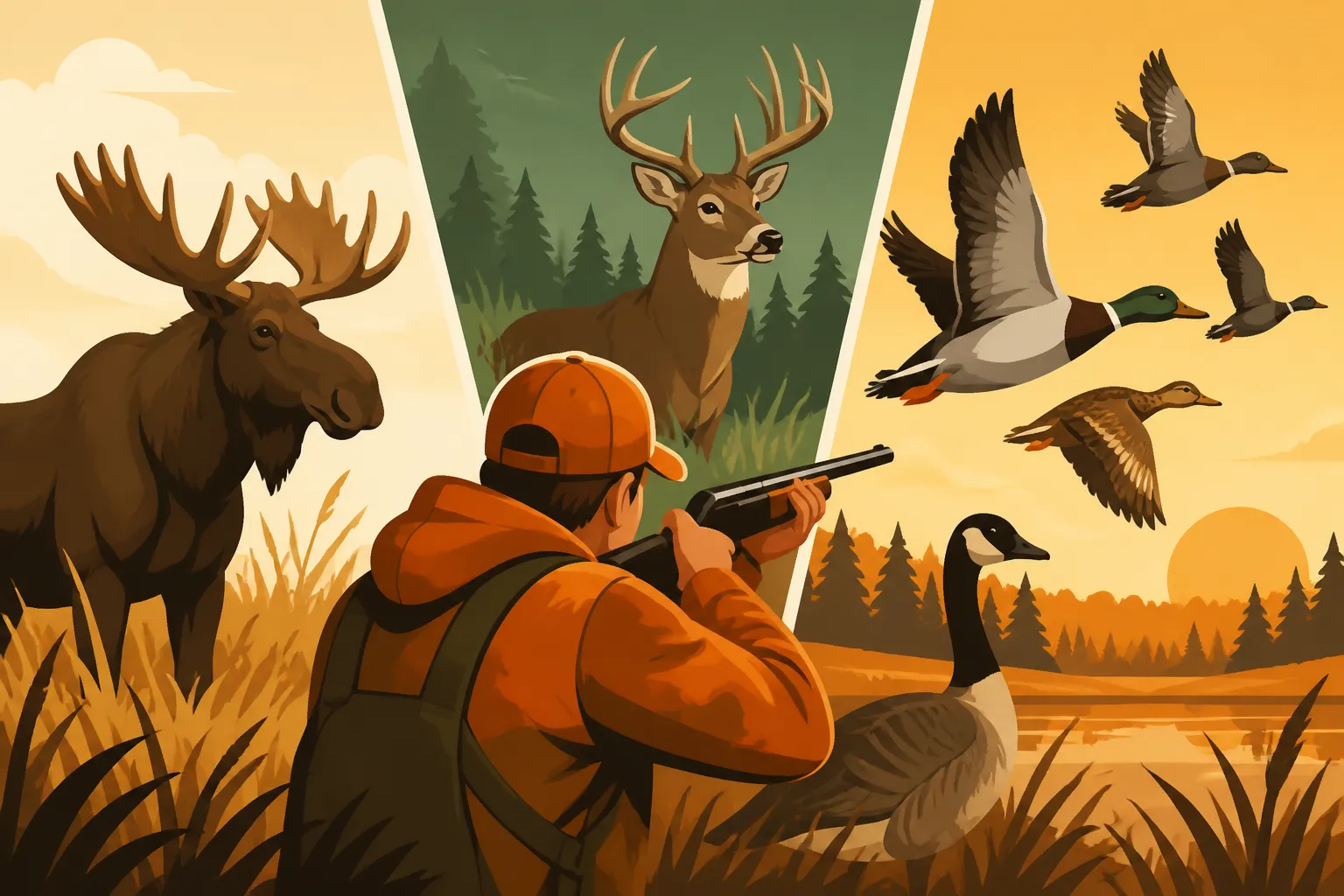
Hunting in Manitoba offers incredible diversity, but often, hunters feel torn between pursuing a trophy whitetail, experiencing a world-class waterfowl shoot, or chasing a black bear. The logistical hurdles and costs of multiple trips can be daunting, leading many to wish they could combine their passions into one epic adventure. This guide will explore the exciting world of Manitoba combination hunt packages, detailing popular options, planning considerations, and how to make the most of an extended stay in our wild province.
Why Consider a Combination Hunt in Manitoba?
Manitoba is a land of incredible biodiversity, boasting rich agricultural lands, vast boreal forests, and pristine tundra. This unique geography means that within a relatively compact area, you can find a surprising array of game species. For many hunters, the idea of a combination hunt isn't just about bagging more animals; it's about maximizing their time, effort, and investment in a single, memorable trip. It’s about experiencing more of what Manitoba's diverse landscapes have to offer.
Maximizing Your Hunting Investment
Let's face it, planning and executing a hunting trip, especially if you're traveling from afar, involves a significant investment of both time and money. There are travel costs, accommodation, licenses, tags, gear, and time off work. Spreading these fixed costs across two different species, or even two distinct hunting experiences, can offer a better return on your overall investment. Instead of making two separate trips, you consolidate your travel and camp time, which often leads to a more efficient and cost-effective adventure. You're already here, so why not make the most of it?
It’s not just about the money, either. The time commitment is huge. Many of us have limited vacation days, and using them all on a single-species hunt, only to wish we could have pursued another, can be a real dilemma. A well-planned combination hunt allows you to tick off multiple bucket-list items within the same timeframe, leveraging the unique seasonal overlaps and geographical proximity of Manitoba's game. Imagine chasing ducks in the morning and scouting for deer sign in the afternoon – that’s the kind of immersive experience these packages offer.
Experiencing Manitoba's Diverse Ecosystems
Manitoba isn't just one type of hunting country. We have the vast grain fields of the south, the sprawling aspen parkland, the dense mixed boreal forest, and the remote, rugged Shield country stretching north. Each of these ecosystems supports different game, and a combination hunt allows you to truly immerse yourself in the province's natural grandeur. You might start your week calling coyotes in the open prairie, and then transition to stalking elk in the rolling hills of the parkland, or waiting on a bear bait in dense timber.
This diversity adds a whole new layer of excitement and challenge to the hunt. You’re not just repeating the same tactics for one animal; you're switching gears, adapting to new terrain, and employing different hunting strategies. This forces you to become a more versatile hunter and truly appreciate the intricate relationships between wildlife and their habitats across our province. For those who love the sheer variety of the outdoors, a combination hunt is an unparalleled opportunity to see and hunt more of Manitoba. You might even find yourself in an area where species overlap, presenting unique tracking and stalking opportunities, such as Hunting a Manitoba Bush Edge where deer, bear, and sometimes even elk might use the same travel corridors.
Popular Combination Packages in Manitoba
Manitoba offers several fantastic opportunities for combination hunts, largely due to the seasonal overlaps and the distribution of our game species. These packages are carefully designed by outfitters to maximize your chances of success and provide a diverse hunting experience.
Whitetail and Waterfowl
This is perhaps one of the most popular and classic combination hunts in Manitoba, particularly in the agricultural zones of the south and central regions. The fall migration of ducks and geese often coincides perfectly with the early archery and then the rifle whitetail seasons. Imagine waking up before dawn, heading to a decoy spread in a cut grain field, and enjoying some incredible Field Hunting Geese in Manitoba Stubble or Hunting Ducks on a Manitoba Stubble Field. Then, after the morning flight is over, you switch gears, grab your bow or rifle, and spend the afternoon still-hunting timber edges or sitting a stand for a mature whitetail buck.
The logistics for this combination are relatively straightforward, as many outfitters specializing in either waterfowl or whitetail already operate in the same general areas. They can often arrange for morning waterfowl hunts and afternoon/evening deer hunts. The challenge lies in having the right gear for both and being ready to transition quickly. You might be focused on Hunting Manitoba's November Whitetail Rut in the afternoon, while in the morning, you're tracking the incredible Manitoba's Snow Goose Migration overhead. It's a truly exhilarating experience that showcases the richness of Manitoba's fall hunting.
Black Bear and Fishing
For those who prefer a spring or early summer adventure, a black bear hunt combined with some world-class fishing is an absolute gem. Manitoba's spring bear season kicks off when the bears emerge from their dens, often coinciding with excellent fishing for walleye, northern pike, or lake trout in our numerous lakes and rivers. This combination is especially prevalent in the vast boreal forest regions, where bears roam freely and fishing opportunities are abundant. Outfitters in these areas are well-equipped to provide both experiences.
Picture spending your afternoons and evenings patiently sitting over a bear bait, hoping for a big boar to step out. Then, in the mornings, you might be out on a boat, casting for monster pike or jigging for walleye. It's a fantastic way to break up the intense waiting of a bear hunt with the active thrill of fishing. Many camps are strategically located on lakes or rivers known for their angling opportunities, providing a seamless transition between the two activities. It’s also a great option if you’re thinking about Spring Bear Hunting in Manitoba and want to add another layer of enjoyment to your trip.
Barren-Ground Caribou and Wolf
For the truly adventurous hunter seeking a remote, rugged experience, combining a barren-ground caribou hunt with a wolf hunt in northern Manitoba is an unforgettable journey. This is a fly-in hunt into the tundra and boreal transition zones, an experience that few get to undertake. The caribou migrations through these northern reaches can offer incredible hunting, and where caribou roam, wolves often follow, presenting a unique opportunity to harvest both iconic northern species.
These hunts are generally conducted in the late summer or early fall when the caribou are on their migration paths. The terrain is challenging, the weather can be unpredictable, and the hunting is often spot-and-stalk. Success depends heavily on being in the right place at the right time, intercepting migrating herds. A wolf tag is often a relatively inexpensive add-on to a caribou hunt, and if the opportunity arises, it provides an incredible bonus trophy. These expeditions are definitely for the hunter looking for a true wilderness test, where every step is earned and the rewards are profound. Considerations for these remote trips should include proper gear for Hunting Safely in Deep Winter Cold even in fall, as northern weather can change quickly.
Planning Your Manitoba Combination Hunt
A successful combination hunt requires meticulous planning, often more so than a single-species trip. You’re juggling different seasons, regulations, gear requirements, and logistics. It’s definitely a case where choosing the right outfitter can make or break your experience.
Season and Species Overlaps
The absolute first step is understanding when the seasons for your desired species overlap. Manitoba’s hunting regulations specify season dates by species and by Game Hunting Area (GHA), and these can vary significantly. For instance, you might find that early September offers an overlap for archery deer and certain waterfowl seasons, while late October and early November might provide opportunities for rifle deer and goose hunting. Bear seasons are typically spring and fall, with fall often overlapping with other big game and bird seasons. It’s crucial to consult the provincial hunting guide for Manitoba Big Game Season Dates and Manitoba Game Bird Seasons and Limits to identify these windows.
You’ll also need to consider the prime times for each species within that overlap. For example, while whitetail season might be open, if you’re hoping for rutting activity, that narrows your window to November. Similarly, while waterfowl might be present for weeks, specific species like snow geese might have peak migration periods that are more productive. Balancing these prime times for each target species within your chosen combination is key to maximizing your chances of success for both.
Logistics and Gear Requirements
Combining hunts means you essentially need to pack and prepare for two or more distinct hunting trips within one. Your gear list will be longer and more varied. For a whitetail and waterfowl hunt, you’ll need both camouflage appropriate for the deer woods and field camo for waterfowl blinds. You'll need different ammunition, potentially different firearms (or a versatile one), and specialized calls for each species. Warm, waterproof gear is almost always a necessity in Manitoba, regardless of the season, but its importance is magnified when you might be sitting in a wet marsh for ducks in the morning and a cold deer stand in the evening.
Transporting all this gear, especially if flying, can be a logistical challenge. You'll need to consider weight limits, firearm declaration processes for Bringing Firearms Into Manitoba, and how your outfitter will handle gear transport from camp to your various hunting spots. If you're driving, vehicle space will be a factor. Discuss these details thoroughly with your outfitter beforehand to ensure you’re prepared and there are no surprises once you arrive. Having a clear understanding of What an Outfitter Needs From You Beforehand is paramount.
Finding an Outfitter for Combination Hunts
Not all outfitters offer combination hunts, and those that do often specialize in specific pairings. It’s essential to find an outfitter with proven experience and success in both components of your desired combination. Don't just assume an excellent deer outfitter will also provide a top-notch waterfowl experience, or vice versa. Look for outfitters who explicitly advertise combination packages. This often means they have dedicated guides, different camp setups, and the logistical know-how to manage both aspects of the hunt simultaneously.
Online platforms can be a huge asset here. Websites like BookYourHunt allow you to filter by species and even by combination packages, helping you identify outfitters who offer exactly what you're looking for. Similarly, resources like GoHunt can provide insights into specific GHAs known for multiple species, helping you narrow down your search. Don't hesitate to ask for references from hunters who have completed similar combination hunts with a potential outfitter. Their firsthand accounts will be invaluable. A good outfitter will be transparent about their success rates for each species and how they structure the daily schedule to accommodate both hunts.
Cost Considerations for Combination Hunts
While combination hunts can offer efficiency, they generally come with a higher price tag than a single-species hunt. This is due to the increased logistical demands, additional guide services, and often, more tags and permits. Understanding these costs upfront is crucial for budgeting and avoiding any unwelcome surprises.
Package Pricing Versus Individual Hunts
When comparing a combination package to booking two separate hunts, you'll often find that the combined package offers a slight discount or a more streamlined experience, even if the total dollar amount is higher. An outfitter packaging these hunts together can optimize guide time, camp usage, and travel, passing some of those efficiencies onto the client. However, you're paying for more time in the field, more animals to pursue, and more complex logistics from the outfitter's side.
Expect a combination hunt to encompass multiple days of hunting, often a week or more, and include everything from lodging, meals, guiding, and initial game care for both species. It’s important to clarify exactly What a Manitoba Guided Hunt Costs and what is included in the package price. Are all tags and licenses covered, or are those an additional expense? What about trophy preparation or meat processing? Many outfitters list a base package cost, and then itemize extra costs for specific permits or services.
Licenses, Tags, and Permits
This is where the costs for combination hunts can really add up, as you’ll need separate licenses and tags for each species you intend to harvest. For example, a whitetail and waterfowl combination would require a Manitoba Resident Hunting Licence (or a non-resident equivalent), a deer tag, and a federal Migratory Game Bird Permit along with a Manitoba game bird stamp. If you add in a bear, that's another tag and potentially different season dates to manage.
It's vital to clarify with your outfitter which licenses and tags are necessary for your chosen combination and whether the outfitter assists with purchasing them. Some outfitters will facilitate the process, while others expect you to handle all license and tag purchases independently. Be sure to factor in the cost of each individual tag, as Manitoba Big Game Tag Cost Per Species can vary significantly. Keep in mind that some species, like moose or elk, often require draw applications, which might not align with a flexible combination hunt schedule unless you've planned years in advance.
Table: Sample Combination Hunt Considerations
| Combination Hunt | Primary Season | Typical Duration | Primary Challenges | Common Species Synergy | Key Logistics |
|---|---|---|---|---|---|
| Whitetail & Waterfowl | Fall (Sept-Nov) | 6-8 Days | Gear management, daily transitions | Deer in fields, birds in fields | Separate blinds/stands, different ammo/clothing |
| Black Bear & Fishing | Spring (May-June) | 5-7 Days | Patience at bait, varying weather | Bears near water, fish in lakes | Boat access, bait maintenance, fishing gear |
| Caribou & Wolf (Northern) | Late Summer-Fall | 7-10 Days | Remote access, unpredictable migration | Wolf follows caribou herds | Fly-in access, extreme weather gear, remote camp support |
| Elk & Upland Birds | Fall (Sept-Oct) | 5-7 Days | Elk movement, bird flushing skills | Elk in parkland, grouse in bush | Spot-and-stalk for elk, walking for birds, varied terrain |
Note: Durations and challenges are typical and can vary greatly by outfitter and specific location.
Choosing the Right Outfitter for Your Combination Hunt
Selecting the right outfitter is critical for any guided hunt, but it's even more important for a combination hunt where the logistics and expertise required are magnified. You're entrusting them with two distinct hunting experiences, so their capability in both areas is paramount.
Expertise in Multiple Species
When researching outfitters, don't just look for general glowing reviews. Dig deeper to see if they have specific, consistent success across all the species you want to pursue. An outfitter might be world-renowned for their Whitetail Hunting in Manitoba but have a limited or unproven track record for Waterfowl Hunting Manitoba's Grain Fields. For a combination hunt, you need an outfitter who genuinely excels in both fields. Ask for specific references from clients who have done the exact combination hunt you are considering. Their insights will be invaluable.
A reputable outfitter will have dedicated guides, or at least highly proficient guides, for each component of your hunt. This means someone with deep knowledge of deer behavior and habitat, and another (or the same, if truly multi-talented) who understands waterfowl flight patterns, decoy spreads, and calling techniques. They should be able to articulate how they manage the daily schedule to ensure you get quality time for each species, rather than just shoehorning one hunt into the other.
Camp Setup and Daily Schedule
Combination hunts often mean longer days and more transitions, so the camp setup and the daily schedule are crucial to your comfort and success. Ask the outfitter how they structure a typical day. Will you be spending mornings in a duck blind and evenings in a deer stand? How much travel time is involved between locations for different species? Is there dedicated time for lunch and rest, or is it a non-stop hustle?
Consider the camp itself. Does it offer comfortable accommodations for an extended stay? Is there adequate gear storage for all your varied equipment? Does the camp have the necessary facilities for handling both big game (e.g., Meat Care in Manitoba's Cold Snaps, skinning areas) and birds (e.g., bird cleaning stations, freezers)? A well-run camp for a combination hunt will have thought through all these details, ensuring that the transitions between hunting disciplines are as smooth as possible, allowing you to focus on the experience rather than logistical headaches. You want an outfitter that truly facilitates your Planning a Manitoba Hunting Trip, not one that adds complexity.
Making the Most of Your Combination Hunt
A combination hunt in Manitoba is an investment in an unforgettable experience. To ensure it lives up to its potential, there are a few key things you can do as a hunter.
Realistic Expectations and Flexibility
It’s easy to get caught up in the excitement of harvesting multiple species, but it's important to maintain realistic expectations. Hunting, by its very nature, is unpredictable. While an outfitter will do everything in their power to put you on game, success is never guaranteed, especially when you're pursuing more than one animal. Be prepared that one part of the hunt might be more successful than the other, or that weather might impact one species more severely.
Flexibility is your best friend. The weather in Manitoba can change on a dime, impacting bird flights or deer movement. Your outfitter might need to adjust the daily plan based on conditions, scout reports, or game activity. Embrace these changes as part of the adventure. A positive attitude and willingness to adapt will significantly enhance your experience, even if things don't go exactly as planned. After all, you're out there to enjoy the wild, and sometimes the wild has its own plans.
Physical Preparation and Skill Building
A combination hunt often means more physically demanding days. You might be walking more miles in various terrains, sitting longer hours, and dealing with potentially colder or wetter conditions. Being in good physical shape will allow you to enjoy the hunt more and keep up with the demands of chasing multiple species. This is particularly true if you’re doing something like Walking Up Sharp-Tailed Grouse in Manitoba in the morning and then still-hunting for a buck in the afternoon.
Beyond physical fitness, honing your skills for both types of hunting is crucial. Practice your shooting with both your rifle/bow and shotgun. Spend time calling for ducks, geese, or predators if that's part of your hunt. Watch videos, read articles, and do what you can to brush up on the tactics specific to each species. The better prepared you are, the more confident you'll be in the field, and the more likely you are to capitalize on opportunities when they arise. Your outfitter will appreciate a well-prepared client, and it will contribute significantly to your overall satisfaction.
Disclaimer
This article is for general informational purposes only and does not constitute professional advice. Laws, prices and regulations vary by location and change over time. Consult a qualified professional for guidance on your specific situation.