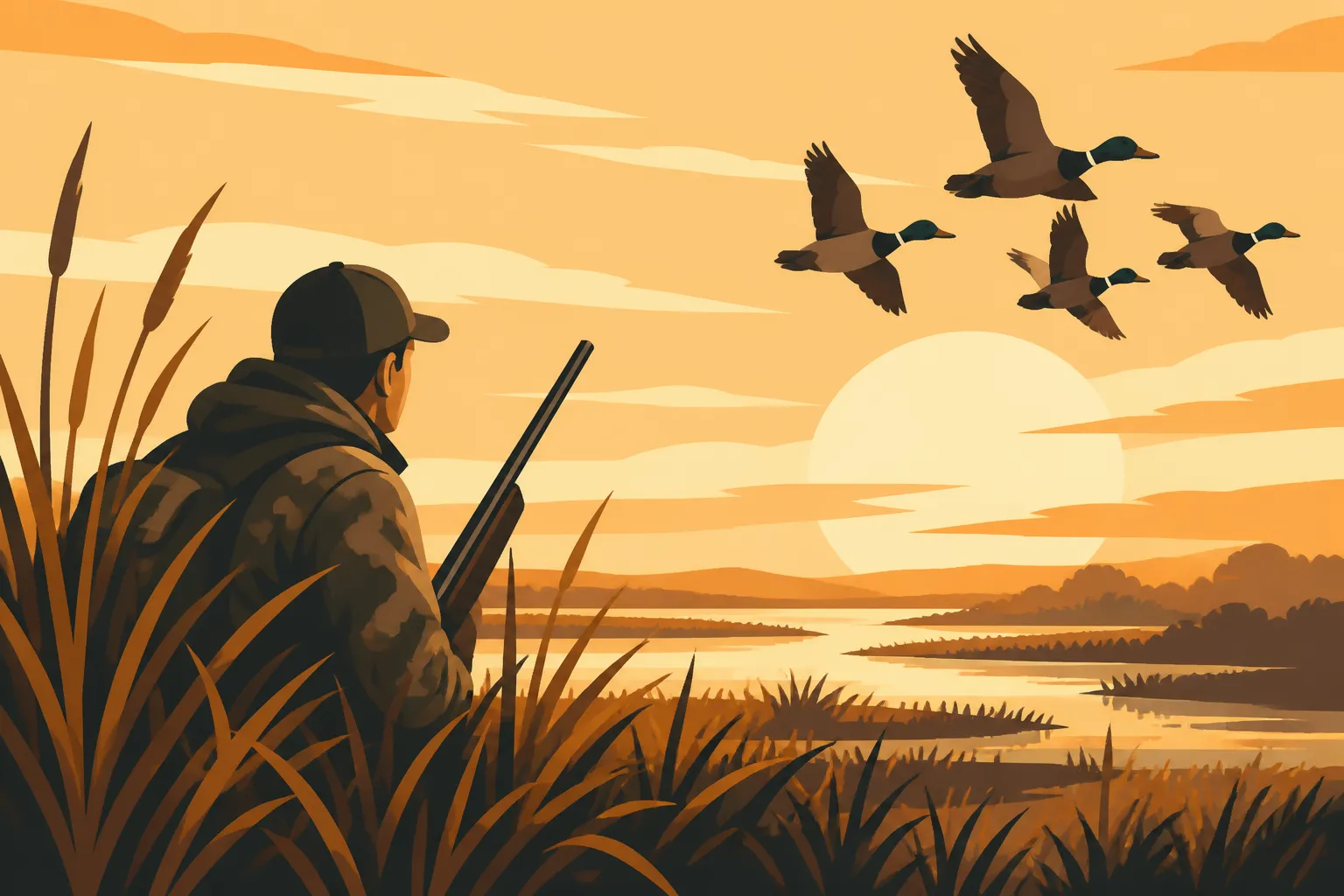
Manitoba Outfitters in the Interlake
Hunting in Manitoba's vast and diverse landscapes is a dream for many, but for those eyeing the unique challenges and rewards of the Interlake region, navigating the terrain, understanding local game patterns, and securing the best opportunities can feel like an overwhelming task. This comprehensive guide is designed to help you understand the invaluable role that reputable Manitoba outfitters play in turning your Interlake hunting dreams into a successful and memorable reality, offering insights into what they provide and how to choose the perfect partner for your adventure.
Understanding the Interlake Region's Unique Appeal
The Interlake region of Manitoba, nestled between the massive freshwater bodies of Lake Winnipeg and Lake Manitoba, is a truly distinctive hunting area. It's a blend of dense bush, aspen parkland, agricultural fields, and countless marshes and sloughs, creating a mosaic of habitats that support a thriving population of various game species. It's a place where the wild meets agricultural fringes, offering diverse hunting scenarios that can be hard to decipher without local knowledge.
Geography and Game Species of the Interlake
Imagine an area where you can find prime whitetail habitat that transitions from thick spruce and poplar bluffs into open stubble fields within a mile or two. That's the Interlake. This region's unique geography, with its endless water features and varied cover, makes it a hotspot for certain game. White-tailed deer are the undisputed kings here, often growing to impressive body sizes due to the rich food sources and heavy cover. You'll find them using the willow runs, the edges of standing corn, and the dense bush pockets for bedding. White-Tailed Deer, Manitoba's Most Hunted Animal calls this area home in abundance.
Beyond whitetails, the Interlake also offers excellent opportunities for black bear. These bears thrive in the extensive bush country, feasting on berries, roots, and the occasional grain from nearby fields. Their numbers are healthy, and the region is known for producing some truly magnificent animals, including a good percentage of colour-phase bears. Waterfowl hunting is also exceptional in the Interlake, with ducks and geese staging in massive numbers during migration. Hunting Manitoba's Interlake Between the Lakes offers some of the best bird hunting anywhere. It's truly a diverse ecosystem, presenting a wide array of potential hunting experiences.
Why Hunt the Interlake with an Outfitter?
For many hunters, especially those new to Manitoba or unfamiliar with the Interlake's specific nuances, a guided hunt simply makes sense. The terrain, while rich with game, can be incredibly challenging to navigate. There are vast tracts of private land mixed with Manitoba's Crown Land Access, and understanding access rules and property lines can be a full-time job. An outfitter possesses the intimate, on-the-ground knowledge of these areas – where the deer are bedding, which fields the geese are hitting, and where the bears are most active.
Beyond navigation, outfitters provide access to prime hunting locations that might otherwise be impossible to secure. They often have long-standing relationships with landowners, granting permission to hunt on private agricultural lands crucial for intercepting deer and waterfowl. This kind of access can be the difference between a frustrating week and a successful harvest. Moreover, they understand the local game movements, the best times to hunt different species, and how to adapt strategies to changing weather conditions, which can be notoriously unpredictable in Manitoba.
What to Expect from an Interlake Outfitter
When you decide to book with an outfitter in the Interlake, you're not just paying for access to land; you're investing in a comprehensive hunting experience. Reputable outfitters pride themselves on offering a full package that takes the guesswork out of your trip, allowing you to focus on the hunt itself.
Common Hunt Packages and Inclusions
Interlake outfitters typically offer specialized packages tailored to the species they primarily hunt. For deer, you'll often find rifle hunts during the rut or archery hunts during the early season. Black bear hunts are almost exclusively over bait, with specific spring or fall seasons. Waterfowl hunts will be field-based, often involving large decoy spreads and comfortable blinds. These packages usually include lodging, meals, transportation to and from hunting areas, and the services of an experienced guide. Some may also include initial field dressing of game, although specific meat processing is usually an add-on.
It's vital to read the fine print of any package. What's included in the base price? Are licences and tags separate? What about transportation to and from the nearest airport, if you're flying in? Do they provide weapons or just advice on legal calibres and bow draw weights? Understanding these details upfront will prevent surprises down the line and help you compare different outfitters accurately. For example, some might include taxidermy prep, while others might simply get your trophy out of the bush.
The Role of a Licensed Interlake Guide
A licensed guide in Manitoba is far more than just someone who points you to a stand. They are your eyes, ears, and local expert in the field. They spend countless hours scouting, setting up blinds, monitoring game camera activity, and assessing the daily movements of animals. What a Licensed Manitoba Guide Provides goes beyond mere navigation; they are often skilled callers, trackers, and strategists, constantly adjusting plans based on weather, wind, and game behavior.
During your hunt, your guide will be focused on your success and safety. They'll ensure you're positioned correctly, help you identify legal animals, assist with tracking, and ensure all regulations are followed. For many, the camaraderie and wealth of knowledge shared by a good guide are as valuable as the hunt itself. They often become friends and mentors, turning a hunting trip into a deeper, more enriching experience. Their expertise is especially crucial in a region as intricate and dynamic as the Interlake.
Typical Camp and Lodging Experiences
The lodging offered by Interlake outfitters can vary significantly, from rustic cabins deep in the bush to comfortable lodges with modern amenities. Many pride themselves on creating a true "hunting camp" atmosphere, where stories are shared over hearty meals after a long day in the field. You can expect clean, warm accommodations, often with shared bunk rooms, but some higher-end outfits might offer private rooms or even individual cabins.
Meals are usually home-cooked, plentiful, and designed to fuel hungry hunters. Think hot breakfasts before dawn, packed lunches for the field, and delicious dinners featuring local fare – sometimes even wild game. It's worth inquiring about specific dietary needs or preferences when booking. The overall camp experience is a big part of the adventure, offering a chance to unwind, connect with fellow hunters, and truly immerse yourself in the hunting lifestyle away from the daily grind.
Choosing the Right Interlake Outfitter for Your Hunt
Selecting an outfitter is a critical step, as it can make or break your hunting experience. With many options available, taking the time to research thoroughly and ask the right questions will pay dividends.
Researching and Vetting Potential Outfitters
Start your research early. Many hunters begin by browsing online directories where outfitters list their services, often with reviews and photos. Platforms like BookYourHunt and GoHunt are valuable resources, aggregating information and helping you narrow down your choices based on species, dates, and package types. Pay close attention to reviews, but also consider checking official provincial outfitter associations, if available, for their member lists and accreditation.
Once you have a few potential outfitters in mind, dive deeper. Visit their websites, look at their photo galleries, and read any testimonials. See if they specialize in the type of hunting you're interested in, whether it's Whitetail Hunting in Manitoba or Black Bear Hunting in Manitoba. A strong online presence is a good sign, but nothing beats direct communication. Ask for references from past clients, and make sure to follow up with those references. A reputable outfitter will be happy to connect you with previous hunters who can share their honest experiences.
Questions to Ask Before Booking Your Hunt
Before committing, arm yourself with a list of questions to ask potential outfitters. Don't be shy; this is your investment in a dream hunt. Here are a few key areas to cover:
- Experience & Licensing: How long have they been operating in the Interlake? Can they provide proof of their provincial licensing?
- Success Rates: What are their typical success rates for the specific species and weapon type you're interested in? Ask what "success" means to them – is it opportunity, or harvest?
- Hunt Details: What is the hunter-to-guide ratio? How are hunting areas accessed (walking, ATV, vehicle)? What type of stands or blinds do they use?
- Game Care: What happens once an animal is harvested? Who handles field dressing, quartering, and transport to camp? Do they have cold storage facilities?
- Unexpected Circumstances: What is their policy on cancellations, unforeseen weather events, or if you need to leave early? Understanding these policies is crucial.
- Logistics: Can they assist with Rules for Non-Residents Hunting Manitoba or firearms declarations if you're traveling from outside Canada?
An outfitter's willingness to answer these questions transparently speaks volumes about their professionalism and commitment to their clients.
Understanding Costs and What's Included
The cost of a guided hunt in the Interlake can vary significantly depending on the species, duration, inclusions, and level of luxury. It's important to get a clear, itemized breakdown of costs. The "all-inclusive" term can mean different things to different outfitters. Typically, the base price covers guiding services, lodging, and meals.
However, you'll almost always need to budget separately for your hunting licence and species tags. Manitoba Hunting Licences and What They Cost can vary, and non-residents will have different costs than residents. What a Non-Resident Licence Costs should be factored in carefully. Travel expenses to and from Manitoba, gratuities for guides and camp staff, meat processing, taxidermy services, and alcohol are almost universally not included. Be sure to clarify these additional expenses, so you can build an accurate overall budget for your adventure. A good outfitter will provide a comprehensive list of what to expect and what you'll need to cover on your own.
Planning Your Interlake Hunting Adventure
Once you've chosen your outfitter, the real planning begins. There's more to a successful hunt than just showing up; proper preparation ensures a smoother, more enjoyable, and potentially more successful trip.
Timing Your Hunt for Optimal Success
Timing is everything in hunting, and the Interlake is no exception. For white-tailed deer, many hunters target the rut, typically in early to mid-November, when bucks are most active and vulnerable. If you're an archery hunter, the early season in September offers different challenges and opportunities. For black bear, spring hunts (May-June) are popular as bears emerge from dens, while fall hunts (August-October) often coincide with excellent berry crops, putting bears on the move. Manitoba Big Game Season Dates will show you the exact windows. Waterfowl seasons generally run from September through late October, capitalizing on the migration.
Your outfitter will be the best resource for advising on peak times for their specific hunting areas and methods. They understand how local conditions, such as crop harvest schedules or specific weather patterns, can influence game movement and success. Aligning your trip with these optimal windows, combined with your outfitter's expertise, greatly increases your chances of a memorable harvest.
Licences, Permits, and Border Crossings
Securing the correct licences and permits is non-negotiable. For big game, this means a base hunting licence and a species-specific tag. If you're hunting migratory birds, a federal migratory game bird permit is also required. Your outfitter can guide you through the process of purchasing these, often recommending the provincial online portal. Be aware of deadlines, especially for special draws if you're hoping for an elk or moose tag (though less common in the core Interlake).
For non-residents, especially those from the United States, crossing the Canadian border with firearms requires specific declarations. This is a crucial step that must be completed accurately to avoid issues. Your chosen outfitter should be well-versed in these requirements and able to provide guidance. Ensure all your documentation – passport, firearms declaration, hunting licences, and permits – are in order well in advance of your trip. Don't leave this to the last minute!
Essential Gear for the Interlake Climate
Manitoba weather is notoriously unpredictable, especially during hunting season. You can experience everything from warm, sunny days to freezing rain and heavy snowfall, sometimes all within the same week. Packing appropriate gear is paramount for comfort and safety. Layers are your best friend. Start with good base layers that wick moisture, add insulating mid-layers, and finish with waterproof and windproof outer shells.
Here's a quick checklist of essentials:
| Category | Items | Notes |
|---|---|---|
| Clothing | Layered system (base, mid, outer), blaze orange (as required), waterproof boots, warm hat, gloves/mitts | How Much Blaze Orange Manitoba Requires is important to know. Ensure boots are comfortable for walking and warm for sitting. |
| Optics | Binoculars, rangefinder | Essential for spotting game in dense cover and judging distances accurately. |
| Navigation | GPS device, compass, maps (your guide will have these, but backups are good) | While your guide leads, having personal navigational aids can be reassuring, especially if venturing slightly off path with permission. |
| Personal | Headlamp, small first-aid kit, toiletries, medication, insect repellent (especially for spring/fall bear) | Consider a portable charging bank for electronics. |
| Weapon | Rifle/shotgun/bow, ammunition, cleaning kit, hard case | Ensure your weapon is sighted in and you've practiced extensively. Legal Rifle Calibres for Big Game and Bow Draw Weight Rules in Manitoba should be confirmed beforehand. |
| Miscellaneous | Small daypack, water bottle, snacks, camera | Carry enough water and high-energy snacks for a full day afield. |
Your outfitter will likely provide a detailed packing list, but use this as a starting point. Being prepared for varying conditions will make your hunt far more enjoyable, no matter what the Manitoba weather throws at you.
The Hunt Itself: What to Expect in the Field
The moment you've been waiting for! The actual hunting days are a blend of early mornings, strategic movements, patience, and often, thrilling encounters. Understanding the methods your outfitter employs will help you prepare mentally for what's ahead.
Common Hunting Methods Employed
Interlake outfitters utilize a range of hunting methods tailored to the species and terrain. For white-tailed deer, stand hunting is prevalent, either from elevated tree stands in bush edges or comfortable ground blinds overlooking bait sites or travel corridors. This is especially true during the November rut, where waiting patiently can pay off big. They might also employ rattling and calling techniques, particularly if Hunting the Rut in Early to Mid November is your target. Still-hunting or stalking through bush pockets or along field edges is also common, especially when trying to intercept deer moving between bedding and feeding areas.
For black bears, baiting is the primary method. Hunters will typically sit in a ground blind or tree stand overlooking an active bait site. Baiting Black Bear in Manitoba allows for ethical shot selection and careful judging of the animal. Waterfowl hunting involves setting up large decoy spreads in grain fields or over marsh edges, with hunters concealed in layout blinds or pit blinds, waiting for ducks and geese to commit. Your guide's knowledge of local game patterns and habits will dictate the chosen method each day.
Game Care and Trophy Handling Post-Harvest
Once an animal is on the ground, the work isn't over. Proper game care is essential to preserve the meat and any trophy elements. Your outfitter and guide will be instrumental here, as they have the experience and equipment to handle game efficiently in the field. This usually involves field dressing the animal promptly to cool the meat. For larger animals like deer or bear, they may be quartered in the field for easier extraction.
Many outfitters have facilities at their camp for hanging and cooling meat. They can also assist with preparing your trophy for transport, whether that means caping a deer for a shoulder mount or skinning a bear for a rug. It's wise to discuss your taxidermy plans with your outfitter beforehand. They often have trusted local contacts for meat processing and taxidermy, which can simplify getting your meat home or shipping your trophy. Understanding Meat Care in Manitoba's Cold Snaps is especially important if hunting in late fall.
Safety First in the Interlake Wilderness
Safety should always be the top priority on any hunting trip, and a reputable outfitter will make it theirs too. The Interlake wilderness, while beautiful, can be unforgiving. Your guide will provide essential safety briefings and ensure proper protocols are followed, from safe firearm handling to navigating unfamiliar terrain. Always listen to your guide's instructions; they know the area best and are looking out for your well-being.
Emergency preparedness is also part of an outfitter's responsibility. This includes having communication devices (satellite phones or radios in remote areas), first-aid kits, and knowledge of emergency procedures. Hunters should also take personal responsibility by carrying their own emergency whistle, being familiar with their hunting weapon, and informing someone of their general whereabouts, even when with a guide. Hunting Safely in Deep Winter Cold also means dressing appropriately and staying hydrated.
Maximizing Your Interlake Outfitter Experience
A guided hunt is an investment, and like any investment, you want to get the most out of it. Beyond just harvesting an animal, there are ways to enrich your entire experience and create lasting memories.
Beyond the Hunt: Interlake Experiences
While the primary goal is often to harvest game, don't overlook the broader experience the Interlake has to offer. Take the time to appreciate the natural beauty of the region. Witnessing a sunrise over a vast stubble field, hearing the roar of a bull moose in the distance, or watching a flock of geese spiral down into your decoys are moments that transcend the trigger pull. Ask your guide about the local history, the ecology of the area, or other wildlife you might encounter.
Many outfitters are passionate about their region and can offer insights into its unique characteristics. Some might even offer additional activities like fishing or wildlife viewing if you have downtime or if the hunting slows. Embrace the opportunity to learn, observe, and connect with the natural world. It's these smaller moments, woven into the fabric of the hunt, that often become the most cherished memories.
Building Relationships with Guides and Staff
A strong relationship with your guide and the camp staff can significantly enhance your hunting experience. These individuals are often hardworking, dedicated, and passionate about hunting and the outdoors. Show respect for their knowledge, listen to their advice, and engage with them beyond just the immediate hunting tasks. Asking questions, sharing stories, and offering to help with camp chores (within reason) can go a long way in building rapport.
Tipping is also an important aspect of showing appreciation for the hard work and dedication of your guide and camp staff. While not mandatory, it's customary in the outfitting industry and reflects the level of service you received. Your outfitter can often provide guidance on appropriate gratuity ranges. A positive relationship can lead to not only a better hunt but also friendships that last for years, potentially paving the way for future hunting adventures in the Interlake.
The Interlake region of Manitoba is a truly special place for hunters, offering abundant game and diverse landscapes. While its wildness can be daunting, an experienced outfitter provides the expertise, access, and support needed to navigate this incredible area successfully. By doing your homework, asking the right questions, and embracing the full experience, your guided hunt in the Interlake can become an unforgettable chapter in your hunting story.
Disclaimer
This article is for general informational purposes only and does not constitute professional advice. Laws, prices and regulations vary by location and change over time. Consult a qualified professional for guidance on your specific situation.