Best Manitoba Ground for Whitetails
Trying to find the absolute best ground for whitetail hunting in Manitoba can feel like searching for a needle in a very large, diverse haystack. With landscapes ranging from vast agricultural fields to dense boreal forest, knowing where to focus your efforts for that elusive big buck is crucial. This guide is here to walk you through the key characteristics of prime whitetail habitat in our beautiful province, helping you understand why certain areas consistently produce and how you can identify them yourself.
Understanding Whitetail Habitat Preferences in Manitoba
Before we can pinpoint specific "best" locations, it's vital to understand what makes ground truly excellent for whitetails. These aren't just random preferences; they're driven by fundamental survival needs: food, water, cover, and security. In Manitoba, these elements combine in unique ways across our varied terrain.
Cover, Food, and Water Basics
At its core, a whitetail needs reliable access to all three of these essentials. Cover isn't just about hiding from predators; it's also about thermal regulation, especially during our harsh winters. Dense stands of spruce, thick willow bottoms, or even heavy cattails in a slough can provide crucial protection from biting winds and deep snow. For food, Manitoba offers an incredible buffet. From agricultural crops like corn, soybeans, and alfalfa in the south to aspen browse, saskatoon berries, and various forbs in the bush country, deer adapt their diets to what's available. Water is often abundant with countless potholes, rivers, and streams, but in drier falls, a reliable water source can concentrate deer movement significantly. A great piece of ground will offer all these elements within a small, defensible home range.
When you're out there, look for where these components intersect. A small bluffy aspen stand tucked between two large grain fields with a creek running through it is a classic example of prime whitetail real estate. It offers bedding cover, a consistent food source, and water, all within easy reach. The deer don't have to travel far, which reduces their exposure to predators and hunters alike. Think about how these basic needs are met throughout the seasons, as what's available in July is vastly different from what sustains a deer herd in November.
The Importance of Edge Habitat
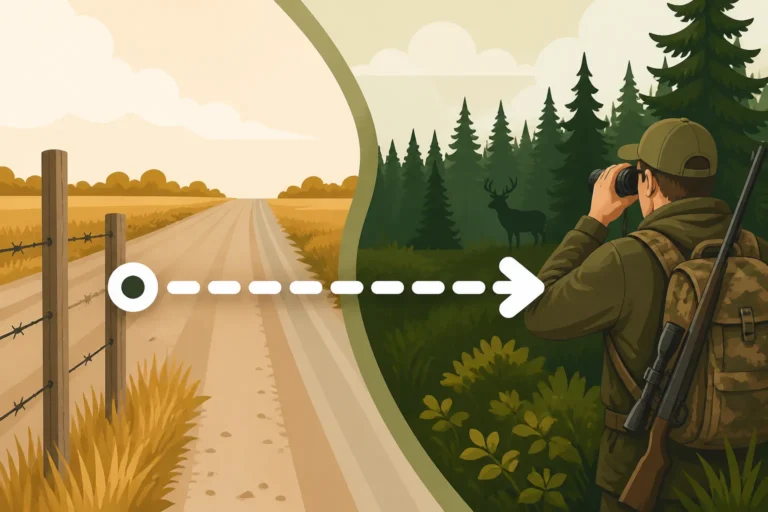
If you've spent any time chasing whitetails, you've probably heard the term "edge habitat." This isn't just a buzzword; it's a critical concept for understanding deer movement and behavior. Edge habitat is simply where two different types of habitat meet. Imagine a field meeting a forest, or a dense thicket bordering an open marsh. These transition zones are goldmines for deer. Why? Because they offer the best of both worlds with minimal travel.
Deer can feed openly in a field or along a browse line and quickly dart into the safety of dense cover at the first sign of danger. The varied plant life along an edge also often provides a greater diversity of food sources than either habitat type alone. In Manitoba, these edges can be dramatic, like a steep riverbank dropping into a bush bottom, or subtle, like a strip of tall weeds between a freshly cut field and a standing one. Pay close attention to these transitional areas. Rubs, scrapes, and well-used trails often follow these natural seams. Hunting a Manitoba Bush Edge is a classic strategy that capitalizes on this preference. Even subtle changes in elevation or vegetation type can create a significant edge that deer will exploit.
Seasonal Movement and Pressure
Whitetail movements in Manitoba are heavily influenced by the seasons and, perhaps even more so, by hunting pressure. What might be fantastic early season archery ground could be completely devoid of deer once the rifle season opens and pressure mounts.
- Early Season: During the archery opener, deer are often still on their summer patterns. They're more predictable, focused on abundant food sources like standing crops or lush alfalfa fields, and haven't yet felt significant hunting pressure. They might still be moving in daylight, especially near water.
- Rut Period: As the rut approaches in late October and November, bucks become far more mobile, cruising for does. Their focus shifts from pure survival to breeding, leading them into areas they might avoid at other times. This is when patience and understanding buck travel corridors become paramount. Hunting the Rut in Early to Mid November is a prime example of targeting these movements.
- Late Season/Deep Winter: Once the snow gets deep and temperatures plummet, deer will yard up in the densest, most sheltered cover available. Cedar swamps, heavy spruce stands, or thick river bottoms become critical sanctuaries. Food sources might shift to woody browse. Pressure from other hunters will also push deer into these remote, hard-to-reach pockets, emphasizing the need to Hunt Manitoba Late When Roads Drift In.
Understanding this ebb and flow of deer behavior is crucial. The "best" ground isn't static; it changes with the calendar and with the amount of human activity in the area.
Top Regional Types of Whitetail Ground in Manitoba
Manitoba's landscape is incredibly diverse, offering various distinct environments where whitetails thrive. While the underlying needs for food, water, and cover remain constant, how those needs are met differs dramatically from one region to the next.
Parkland Fringe and Aspen Bluffs
The Parkland region, particularly the "fringe" areas where the prairies transition into the boreal forest, is arguably Manitoba's most celebrated whitetail country. This is where you find the perfect blend: rich agricultural land providing abundant food sources, interspersed with rolling hills, aspen bluffs, and willow thickets offering excellent cover.
Think about the areas around Riding Mountain National Park, the Duck Mountain, or the Pembina Valley. These are landscapes of mixed deciduous forest patches, open grasslands, and active farmland. Deer here have a smorgasbord of food year-round, from cultivated crops to natural browse like aspen, willow, and various forbs. The bluffs and coulees provide natural travel corridors and thermal cover, allowing deer to move freely while remaining largely concealed. Bucks here often grow to impressive sizes due to consistent nutrition and the opportunity to reach maturity in relatively secure habitats. Hunting Manitoba's Parkland Region is a highly effective strategy for those looking for trophy whitetails. The density of deer, combined with diverse habitat, creates fantastic opportunities.
Bush Country and Forest Edge
Further north, or in the more forested tracts of southern Manitoba like the Sandilands or Spruce Woods, you encounter true "bush country." This typically means denser forest cover, often with a mix of aspen, spruce, and pine. While perhaps not offering the same agricultural smorgasbord, these areas provide incredible security cover, especially for mature bucks looking to escape pressure.
The key here is to focus on the edges within this bush. This could be where a clear-cut is regenerating, offering new browse, or along old logging roads and hydro lines where sunlight penetrates and encourages fresh growth. River drainages, creek bottoms, and dense swamps also act as natural highways and bedding areas. Deer here often live longer lives due to the sheer amount of dense cover, allowing bucks to reach older age classes and develop larger racks. Hunting these areas requires a different approach, often involving still-hunting or stand placement along natural funnels within the heavy timber. Hunting Whitetails in Manitoba's Bush Country can be incredibly rewarding, but demands patience and a keen eye for subtle sign. Look for changes in tree species, density, or elevation that create natural travel routes.
Farmland Pockets and River Bottoms
Moving south and west into the predominantly agricultural regions, whitetails still thrive, but their habitat preferences shift. Here, the "best ground" often means pockets of cover within vast expanses of cropland. These pockets might be shelterbelts, small woodlots, deep coulees, or, most importantly, river and creek bottoms.
River systems like the Assiniboine, Souris, or Pembina provide essential lineal strips of cover, food, and water in an otherwise open landscape. These riparian zones become critical travel corridors, bedding areas, and sanctuaries. Deer will often bed down in dense willow thickets along a river, then emerge at dawn and dusk to feed in adjacent corn or soybean fields. The challenge here is finding access to these often private lands, and understanding how deer use the available cover to escape the relentless pressure from farmers and hunters alike. Hunting Whitetails on Manitoba Farmland requires careful scouting and landowner relations. Sometimes, even a deep, overgrown ditch can act as a significant travel corridor in flat country.
Scouting and Identifying Prime Whitetail Locations
Finding the "best ground" isn't about sheer luck; it's about diligent scouting, both from your armchair and boots on the ground. Modern technology has revolutionized the initial stages of scouting, but there's no substitute for getting out there and seeing the landscape firsthand.
Using Mapping Tools for Reconnaissance
In today's hunting world, digital mapping tools are an absolute game-changer. Services like onX Hunt and GoHunt allow you to virtually scout vast areas from the comfort of your home. You can identify potential bedding areas (dense timber, thick willows), feeding zones (croplands, clearings), water sources (ponds, creeks), and, most importantly, the funnels and pinch points that connect them.
Here's how these tools help:
- Identify Public/Private Land: Crucial for knowing where you can legally hunt and where you need permission.
- Topography: Look for elevation changes, ridges, and draws that deer will naturally follow to conserve energy or stay hidden.
- Vegetation Layers: Many apps have satellite imagery that helps distinguish between dense bush, open fields, and wetlands. Look for those "edge" areas we discussed earlier.
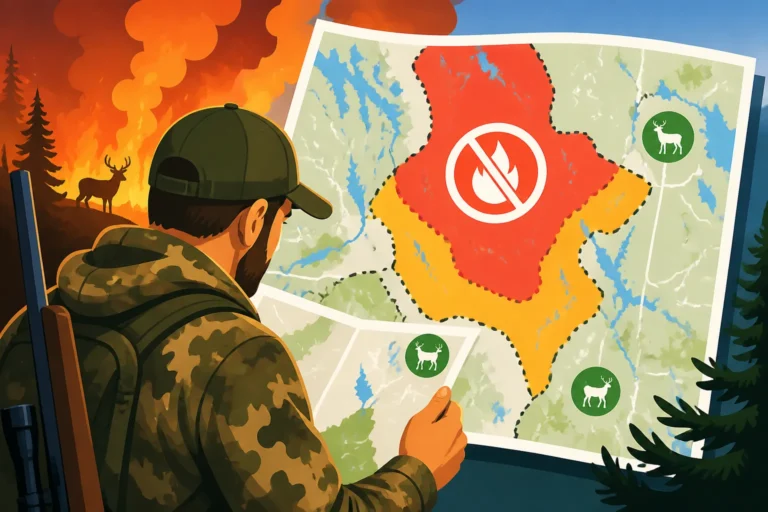
- Historical Data: Some platforms even show historical hunting pressure, public access points, or fire boundaries, giving you an idea of past patterns or habitat changes.
- Mark Waypoints: You can drop pins for potential stand sites, food plots, water sources, or access trails, creating a digital blueprint for your hunt.
Before you ever step foot in a new area, spend hours poring over these maps. Look for anomalies, isolated pockets of cover, or routes that offer deer maximum security. It helps to envision how a deer would move through that landscape, especially during different times of the day or under hunting pressure. This kind of Scouting With Satellite Imagery in Manitoba is a fundamental first step.
Reading Sign on the Ground
While digital maps get you close, nothing beats actual boots-on-the-ground scouting to confirm your suspicions and find the fresh sign. Once you've identified promising areas on your map, it's time to hit the bush and become a detective.
What are you looking for?
- Tracks: Fresh tracks indicate recent deer activity. Pay attention to size – larger tracks might mean bigger deer.
- Trails: Well-worn trails are highways for deer. Look for primary trails connecting bedding to feeding, and smaller, less obvious trails bucks might use to skirt the main travel routes.
- Rubs: Bucks rub their antlers on trees to mark territory and remove velvet. Fresh rubs, especially large ones, are a clear sign of a mature buck in the area.
- Scrapes: Bucks will paw the ground and urinate in these spots, often underneath a low-hanging "licking branch," to communicate with other deer. Active scrapes are another prime indicator.
- Droppings: Fresh droppings indicate recent feeding and bedding activity.
- Bedding Areas: Look for flattened grass or leaves in dense cover, often with an escape route that allows the deer to see, smell, or hear approaching danger.
Reading Whitetail Sign in Manitoba Aspen can tell you volumes about the deer in an area, their size, their habits, and their recent movements. Always scout as quietly and non-intrusively as possible to avoid alerting resident deer. The freshest, most dominant sign is what you're after.
Gaining Access and Respecting Land
Once you've found promising ground, the next hurdle is gaining access. Manitoba offers a significant amount of Crown land (public land), which is open to hunting. However, much of the prime whitetail habitat, especially in the Parkland and agricultural regions, is privately owned.
- Crown Land: If you're hunting Crown land, research the specific Game Hunting Area (GHA) regulations and access points. Be mindful of areas that might see heavy pressure, especially on opening weekend. Using your mapping app to identify less accessible pockets of Crown land that other hunters might overlook can be a winning strategy.
- Private Land: For private land, you must obtain permission from the landowner before hunting. This isn't just common courtesy; it's the law. Asking a Manitoba Landowner for Permission can be intimidating, but a polite, respectful approach often yields positive results. Offer to help with chores, share some of your harvest, or simply promise to be a responsible steward of their land. Many landowners are happy to grant access to ethical hunters, especially if deer are causing crop damage. Always carry written permission if possible, and be crystal clear about where you're allowed to hunt.
Remember, responsible land access, whether public or private, is crucial for preserving hunting opportunities for everyone. Leave no trace, close all gates, and respect property boundaries.
Specific Manitoba GHAs Known for Whitetails (General Regions)
While I won't pinpoint exact coordinates (partly because that changes, and partly because a good hunter earns their own secret spots!), I can certainly highlight general regions within Manitoba that consistently stand out for whitetail hunting. These areas provide the right mix of habitat and, importantly, have historically produced impressive deer.
| Region Type | Key Characteristics | Habitat Mix Examples | Best for | Considerations |
|---|---|---|---|---|
| Western/Central Parkland | Rolling hills, mixed forest, abundant agriculture | Aspen bluffs, oak stands, corn/soybean fields, willow thickets, river bottoms | Trophy bucks, high deer density | Can be heavily pressured, often private land, need permission |
| Interlake & Eastern Fringe | Wetlands, bush, mixed forest, some agriculture | Marshes, cedar swamps, spruce forests, aspen stands, hayfields | Good deer numbers, secluded spots | Access can be challenging (wetlands), some moose/bear overlap, CWD monitoring |
| Southern Farmland Bluffs | Isolated treed bluffs, river valleys, vast cropland | Poplar bluffs, river breaks, deep coulees, corn/canola fields, shelterbelts | Stealthy hunting, pressured deer | Almost entirely private land, requires extensive permission seeking, limited cover |
| Boreal Transition | Denser forest, small clearings, fewer roads | Spruce/pine forests, regenerating clear-cuts, muskeg edges, remote lakes | Less pressured bucks, wilderness feel | Difficult access, tougher terrain, lower deer density in places |
Western and Central Parkland
This is often considered the heart of Manitoba's trophy whitetail country. GHAs in the western and central parts of the province, particularly those bordering or within the Aspen Parkland ecoregion, consistently produce big-bodied, heavy-racked bucks. Areas around the Riding Mountain escarpment, the Duck Mountain, and the rolling hills to the south and west of these larger features are prime examples.
The magic here is the nutrient-rich soils that grow massive crops, directly translating into well-fed deer. Combine that with the excellent escape cover provided by the aspen bluffs, willow draws, and dense river bottoms, and you have a recipe for success. Deer have everything they need to grow old and big. The challenge, as mentioned, is often gaining access to the prime parcels of private land. However, with good boots-on-the-ground scouting and diligent permission-seeking, you can unlock incredible opportunities. Remember to look for Hunting a Poplar Bluff at First Light or focusing on deep coulees that connect larger blocks of cover.
Interlake and Eastern Fringe
The Interlake region, nestled between Lake Winnipeg and Lake Manitoba, and the eastern fringe towards the Canadian Shield, offer a different flavor of whitetail hunting. While perhaps not as renowned for the sheer size of bucks as the Parkland, these areas boast very healthy deer populations and some incredibly wild country.
Here, you'll find a landscape dominated by wetlands, dense bush, and pockets of agricultural land. Deer often thrive in the mixed habitats created by the numerous marshes, spruce bogs, and aspen stands. The denser cover can make hunting more challenging, requiring patience and often different tactics like still-hunting or methodical drives if hunting with a group. The Eastern fringe areas, while more rugged Shield country, also have river valleys and small pockets of hardwoods that concentrate deer. These areas can be excellent for hunters looking for a more remote experience with fewer crowds. Hunting the Interlake Between Two Lakes offers unique challenges and rewards due to the complex wetland and forest mosaic.
Southern Farmland Bluffs
South of the main Parkland belt, where the land flattens into vast agricultural fields, you might think deer are scarce. But you'd be wrong. Whitetails adapt incredibly well to these environments, often concentrating in the few remaining pockets of cover: isolated treed bluffs, deep river valleys, and dense shelterbelts.
The Pembina Valley, the Assiniboine River corridor, and the Souris River Valley are classic examples. These deep river breaks offer miles of unbroken cover, vital for deer survival in an otherwise open landscape. Deer will use these valleys as primary travel routes and bedding areas, venturing out into the surrounding corn and bean fields under the cover of darkness. Hunting these areas often involves patiently watching field edges at dawn and dusk, or carefully still-hunting the dense river bottoms. Success hinges on finding those secluded pockets that provide security in a highly visible world. Consider Hunting a Shelterbelt Between Two Fields or a hidden draw that connects bigger cover to food.
Wherever you choose to hunt in Manitoba, remember that the "best ground" is often the ground you've thoroughly scouted, understand intimately, and have respectful access to. Good luck out there!
Disclaimer
This article is for general informational purposes only and does not constitute professional advice. Laws, prices and regulations vary by location and change over time. Consult a qualified professional for guidance on your specific situation.