Manitoba GHAs You Can Hunt From a Truck
It's no secret that life gets busy, and for many of us, chasing game means balancing precious free time with family, work, and everything else. The idea of "hunting from a truck" often sparks images of lazy hunters or those who don't want to work, but for a lot of folks, it's simply a practical necessity. This guide is all about helping you understand which Game Hunting Areas (GHAs) in Manitoba offer solid truck-accessible hunting opportunities, making the most of your time in the field without sacrificing the thrill of the chase.
The Reality of Truck Hunting in Manitoba
Let's be honest, not everyone has the luxury of packing into remote wilderness for a week-long hunt. For many Manitoba hunters, especially those with limited vacation time, physical limitations, or just a desire to cover more ground efficiently, the ability to utilize a truck for access is a game-changer. This isn't about shooting from the window – that's illegal and unethical – but rather leveraging our extensive road and trail systems to get into prime habitat, scout new areas, and recover game more easily.
What "Hunt From a Truck" Really Means
When we talk about hunting from a truck in Manitoba, we're not advocating for road hunting in the traditional, often frowned-upon sense. What it does mean is using your vehicle as a primary tool for efficient access and reconnaissance. Imagine driving down a gravel road, pulling over when you spot promising sign – a fresh rub line, a well-used trail crossing, or a patch of cover that just screams "bedding area." You might then park, grab your gear, and head out on foot for a focused stalk or to set up for a sit.
It's about minimizing the time spent slogging through less productive areas and maximizing your time in high-potential spots. For many, especially those who can't hike miles into the bush anymore, this approach extends their hunting careers and keeps them in the game. It allows you to quickly check several locations within a GHA, adapting to changing conditions or game movements, without needing to establish a remote spike camp or undertake strenuous, multi-mile treks.
The Appeal of Roadside Access
The draw of roadside access is multifaceted. For starters, it significantly reduces the physical demands of a hunt. This is huge for older hunters, those recovering from injuries, or even parents trying to introduce their kids to hunting without overwhelming them. Secondly, it saves time. Instead of spending hours walking in the dark to reach a distant stand, you can drive closer, park, and be on stand or still-hunting much quicker, especially crucial for those precious early morning or late evening hours.
Furthermore, truck access simplifies game recovery, which is a major benefit, especially for larger animals like deer or even a smaller moose if you're lucky enough to draw a tag in a more accessible area. Getting a field-dressed animal back to a vehicle is far easier when the vehicle isn't miles away. It also opens up hunting opportunities in areas that might otherwise be overlooked by hunters seeking deep wilderness, sometimes leading to pleasant surprises in less-pressured pockets along well-travelled routes.
Identifying Road-Accessible GHAs
Finding those sweet spots where good hunting meets good road access requires a bit of homework, but it's totally worth the effort. Manitoba has a vast network of roads, from paved highways to gravel municipal roads, and even less-maintained Crown land trails, all of which can be valuable for your scouting and hunting efforts.
Key Features to Look For on Maps
When you're poring over maps, whether they're paper or digital, you're looking for a confluence of factors. First, identify the road network itself. Paved and well-maintained gravel roads often have adjacent private land, requiring permission, but they can also border Crown land or provide access points to trails. Look for municipal roads, concession roads, and even less-travelled trails within areas designated as Crown land or Wildlife Management Areas (WMAs). Digital mapping tools like onX Hunt and GoHunt are incredibly valuable here, as they overlay property lines and land designations directly onto topographic maps, making it easy to distinguish public from private.
Beyond the roads, scan for habitat features that game animals love, right alongside that access. Look for fingers of bush extending into agricultural fields, shelterbelts, river or creek bottoms that act as travel corridors, and even slough edges or willow thickets that provide cover. Scouting With Satellite Imagery in Manitoba can reveal hidden pockets of cover or natural funnels close to roads that might be overlooked from the ground. Topographic maps can also show subtle elevation changes or draws that funnel game, often crossing close to accessible roadways.
Interpreting GHA Boundaries and Road Networks
Understanding Manitoba's Game Hunting Areas and their boundaries is paramount. You need to know exactly which GHA you're in and what the specific regulations are for that zone. Many GHAs, particularly in the agricultural and mixed-wood regions, are crisscrossed by public roads. Your task is to identify where these roads intersect with Crown land, provincial forests, or WMAs. Digital apps truly shine here; with a tool like onX Hunt, you can see not only GHA boundaries but also land ownership, allowing you to drive right up to a public land parcel, verify it's legal to hunt, and then step out of your truck and into the woods.
It's also crucial to distinguish between main public roads and private driveways or access roads. Always err on the side of caution and respect posted signs. Even if a road looks like a public access, if it leads directly into private property, you need Knocking on Doors in Manitoba Farm Country to secure permission. A good practice is to carry a printed map or have a reliable offline map downloaded to your device, as cell service can be spotty in many desirable hunting areas. Double-checking your location against GHA maps before you go is a critical step in responsible hunting.
Top Manitoba Regions for Truck-Accessible Hunting
Manitoba is a diverse province, offering a wide array of landscapes, and with that comes different opportunities for truck-accessible hunting. While truly remote wilderness demands significant effort, there are plenty of areas where you can leverage your vehicle to enhance your hunt.
Farmland Fringe and Parkland Zones
These areas are a hunter's paradise for truck accessibility. Imagine the rich agricultural lands of southwestern Manitoba or the central plains, where fields meet pockets of aspen, willow, and oak bluffs. GHAs in the Parkland region, like those around Riding Mountain National Park, or the southwest near the Turtle Mountains, are prime examples. Here, a grid of municipal roads provides excellent access to countless quarter sections. Many of these roads directly border small woodlots, treed coulees, or river breaks that act as vital cover for deer, elk, and even a surprising number of black bears.
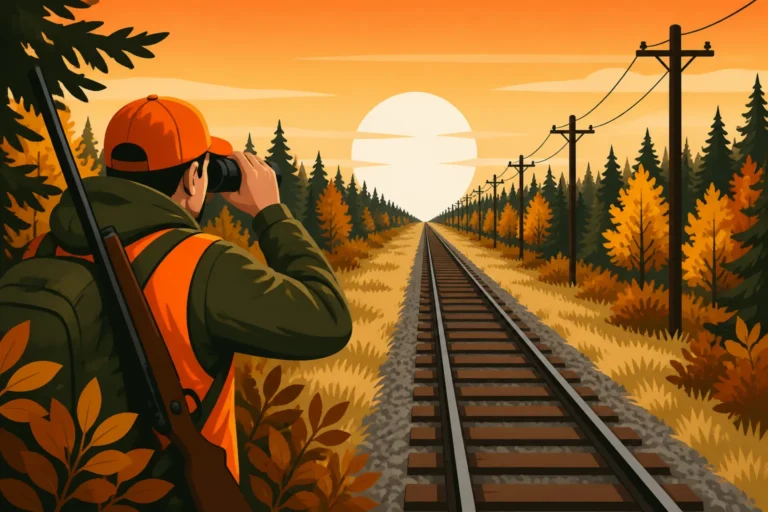
You can often drive gravel roads, glassing field edges at dawn and dusk, looking for deer moving between bedding and feeding areas. When you spot sign or an animal, you can strategically park and walk into the cover. Hunting Whitetails on Manitoba Farmland often involves this exact technique – working shelterbelts, willow runs, and small bluffs that are literally a stone's throw from a road. This style of hunting demands good optics and patience, as you're often covering ground, observing, and then planning a quick, surgical approach.
Exploring Provincial Forests and WMAs by Road
Manitoba's provincial forests and Wildlife Management Areas (WMAs) are fantastic resources for public land hunting, and many of them have well-established road systems. Areas like the Spruce Woods Provincial Forest, the Sandilands Provincial Forest, or even portions of the Duck Mountain Provincial Forest, while offering deeper bush, also feature a network of gravel roads, fireguards, and old logging trails. These allow hunters to penetrate deeper into the forest than would be possible on foot alone.
For instance, within many WMAs, you'll find numerous trails suitable for vehicles, provided you adhere to Vehicle Rules on Manitoba Crown Land. These roads might lead to prime staging areas for waterfowl, ruffed grouse habitat, or provide access to excellent deer bedding in mature timber. Always grab a specific map for the provincial forest or WMA you plan to hunt. These maps often detail designated access points, campsites, and restrictions on motorized vehicles, ensuring you stay legal while exploring. Hunting a Manitoba Wildlife Management Area offers unique opportunities, and careful road-based scouting can unlock their potential.
Understanding Northern Road Systems
While much of Northern Manitoba evokes images of fly-in camps and vast wilderness, there are pockets with truck-accessible hunting opportunities, particularly for species like moose, black bear, and various furbearers. The main highways heading north, like the one to Thompson or Flin Flon, have secondary roads and logging trails branching off them. These roads can lead to areas of recent logging activity, burns, or river systems that concentrate game.
For example, areas around The Pas or some of the more southern boreal GHAs can offer drive-to moose hunting. Hunters might drive old logging cuts, spotting for moose feeding on new growth, or looking for tracks crossing the road. However, it's vital to understand that road quality can deteriorate rapidly, and cell service quickly disappears. Manitoba Road and Winter Access in these regions can be challenging, requiring a well-equipped 4×4, proper recovery gear, and a solid understanding of wilderness navigation. This isn't for the faint of heart, but for those prepared, it offers a taste of the north without the full fly-in commitment.
Practical Considerations for Truck Hunting
Hunting from a truck, even when done ethically and legally, comes with its own set of responsibilities and considerations. It's not just about driving around; it's about smart, safe, and respectful hunting.
Respecting Private Land and Posted Boundaries
One of the most critical aspects of truck-accessible hunting in Manitoba is respecting private property. Even if a gravel road cuts through farmland, the land on either side is likely private, and you absolutely need landowner permission to hunt it. Manitoba Trespass Law for Hunters is clear: you must have permission to enter private land. Look for "No Hunting" or "No Trespassing" signs, and if in doubt, assume it's private and seek permission.
When using digital maps like those from onX Hunt, pay close attention to the property boundaries. A public road might have private land right up to the shoulder. This doesn't mean you can't hunt nearby public land; it simply means your entry and exit points must respect those boundaries. Always park on a public road or an approved parking area, never blocking private access or farm gates. A friendly knock on a door, explaining your intentions and asking for permission, can often open up access to excellent private land that's easily accessible by truck.
Legalities and Ethics of Hunting Near Roads
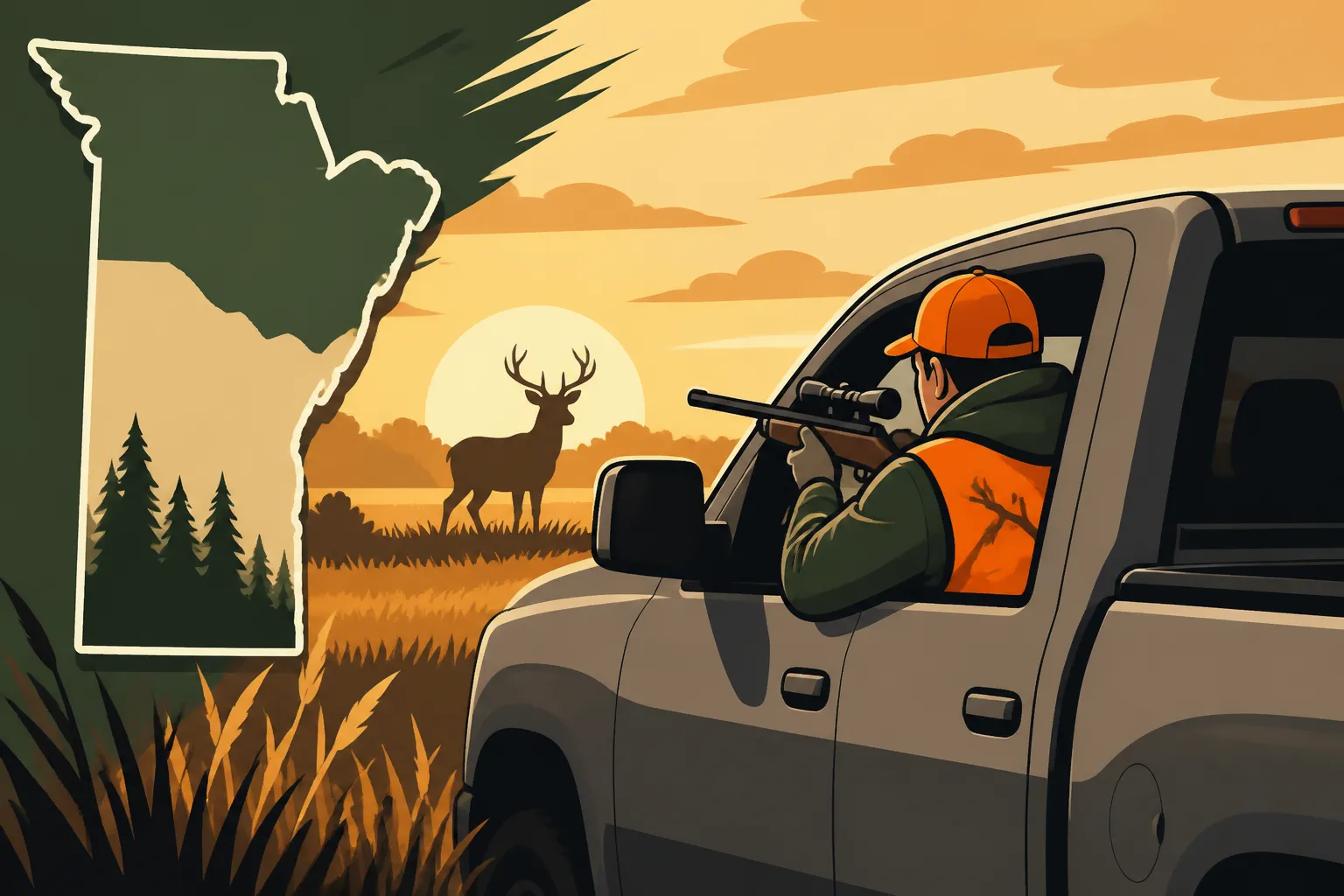
It's imperative to understand that hunting from a vehicle is illegal in Manitoba. This means no shooting from inside or on a vehicle, or even leaning on your vehicle to shoot. There are also specific regulations regarding discharging a firearm within certain distances of roads, dwellings, and other structures. These rules are in place for public safety and to maintain fair chase principles. Always review the current Manitoba hunting regulations guide for specific distances and rules applicable to your chosen GHA.
Ethically, even if you're legally allowed to shoot near a road, consider the optics. Other road users, including non-hunters, might be present. Always prioritize safety and public perception. Make sure your backdrop is clear, and that your shot is safe and responsible. Hunting from a truck effectively means using the truck to get to your hunting spot, then exiting the vehicle and hunting on foot, in a manner consistent with all regulations and ethical standards.
Vehicle Preparedness and Safety
Relying on your truck for hunting access means your vehicle itself needs to be hunt-ready. This is especially true if you're venturing onto less-maintained roads or trails, or Hunting Safely in Deep Winter Cold. A reliable 4×4 or AWD vehicle with good ground clearance is often a must, particularly outside of the main farming grid. Essential gear in your truck should include a full-size spare tire, a jack, basic tools, a shovel, tow straps, jumper cables, and a first-aid kit.
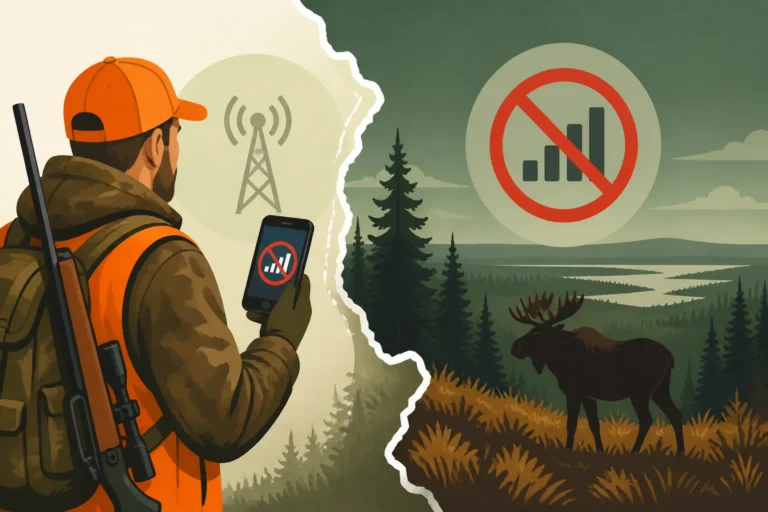
If you plan on heading out on winter roads, tire chains, a robust recovery kit, and extra warm clothing are not optional – they're lifesavers. Cell service can be spotty to non-existent in many prime hunting GHAs, so a satellite messenger or two-way radio can be invaluable for emergencies. Always tell someone where you're going and when you expect to return. Being prepared means your "truck hunt" stays enjoyable and safe, rather than turning into a stranded wilderness survival scenario.
| GHA Type / Region | Typical Road Access | Game Species Common to Roadsides | Considerations for Truck Hunters |
|---|---|---|---|
| Farmland & Parkland | Extensive grid of gravel municipal roads; some paved | Whitetail deer, coyote, waterfowl | Requires landowner permission for fields; great for glassing. |
| Provincial Forests | Main gravel roads, old logging roads, fireguards | Whitetail deer, black bear, grouse, moose (select areas) | Check vehicle restrictions; roads can degrade quickly. |
| Wildlife Management Areas | Designated access roads, often gravel or unimproved | Waterfowl, whitetail deer, upland birds | Check specific WMA rules; some have seasonal road closures. |
| Northern Boreal (Limited) | Main highways, some industrial/logging roads | Moose, black bear, wolf | Very remote; extreme preparedness needed; cell service limited. |
This table illustrates how different types of GHAs in Manitoba offer varying degrees of truck-based hunting opportunities. Remember, "truck hunting" is really about smart access, not shooting from the vehicle. By combining mapping tools like GoHunt with a good understanding of GHA regulations and private land etiquette, you can unlock a world of accessible hunting in Manitoba. Whether you're chasing Whitetail Hunting in Manitoba or seeking Upland Bird Hunting in Manitoba, your truck can be your best friend in covering ground and getting you to the action efficiently.
Disclaimer
This article is for general informational purposes only and does not constitute professional advice. Laws, prices and regulations vary by location and change over time. Consult a qualified professional for guidance on your specific situation.