Elk Around Riding Mountain National Park
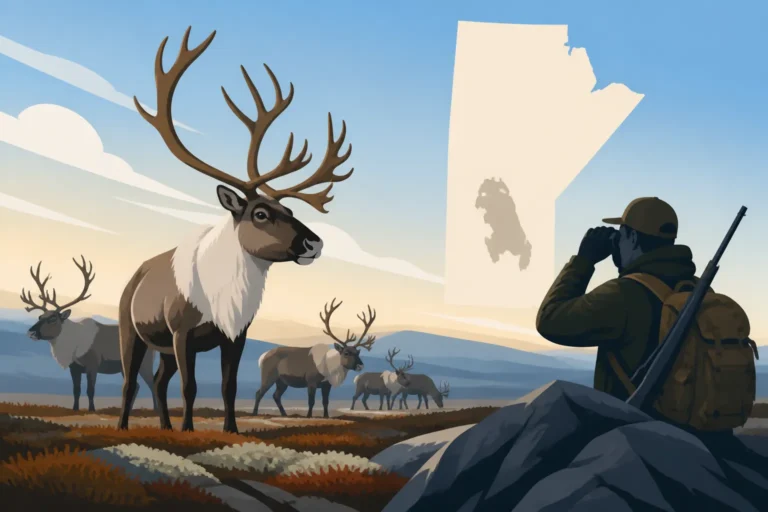
For many hunters, the thought of pursuing elk in Manitoba conjures images of remote northern forests. However, there's a unique and often challenging opportunity right in the heart of the province: hunting the elk herds that roam the areas surrounding Riding Mountain National Park. These are not your typical backcountry elk; their lives are inextricably linked to the park's sanctuary, presenting distinct challenges and rewards for those who understand their patterns. This guide will delve deep into the world of elk around Riding Mountain, offering insights into their movements, the specific hunting considerations, and how to approach this remarkable hunting experience.
The Riding Mountain Elk Herd Dynamics
The elk population in and around Riding Mountain National Park is a fascinating study in wildlife management and natural behavior. The park itself serves as a crucial refuge, offering vast tracts of untouched habitat where elk can thrive with minimal human disturbance. However, these animals are far from confined. They regularly move in and out of the park boundaries, driven by seasonal changes, food availability, and pressures from predators and hunting activity in the surrounding Game Hunting Areas (GHAs). Understanding this delicate balance is key to any successful hunt in the region.
Seasonal Movements and Habitat Use
The elk around Riding Mountain are masters of adapting to their environment, and their movements are largely dictated by the changing seasons. In the warmer months, they might disperse deeper into the park's dense forests and lush meadows, taking advantage of abundant forage and secluded calving grounds. As autumn approaches and hunting seasons open in the surrounding GHAs, the pressure begins to build. While some elk may retreat further into the park, others, particularly the older bulls, will often move out onto adjacent agricultural lands, seeking out nutrient-rich crops like canola, oats, or standing corn fields. These movements can be quite localized, with a herd making short forays out of the park edge at dawn or dusk, only to quickly retreat to safety.
During the harsh Manitoba winters, the situation shifts again. Deep snow can push elk towards areas with more accessible forage or sheltered timber stands, which may be either inside or outside the park. They often utilize the mature aspen and oak stands that provide both cover and browse. Hunters who understand these wintering patterns can gain valuable insights for future seasons, even if the current hunt is not occurring in deep snow. It's a constant chess match between the elk and their environment, influenced heavily by snowfall, temperature, and human presence, so knowing what elk eat through the year can really make a difference.
Population Health and Management Challenges
The health of the Riding Mountain elk herd is a topic of ongoing discussion and careful management by provincial wildlife authorities, often in cooperation with Parks Canada. While generally robust, like any large ungulate population, they face specific challenges. Chronic Wasting Disease (CWD) is a significant concern, and regular sampling is undertaken in certain GHAs, including some around the park. Understanding Manitoba's CWD Sampling Requirements is crucial for hunters in these areas, as participation helps monitor and manage the disease's spread.
Predation by wolves, which also call the park home, plays a natural role in shaping the elk population, often targeting the weakest or oldest animals. This dynamic helps maintain a healthy herd but also influences elk behavior and distribution, making them more vigilant and prone to seeking dense cover. Additionally, human-wildlife conflict, particularly elk damage to agricultural crops on the park fringes, is a recurring issue. This sometimes leads to special depredation permits or management strategies designed to mitigate agricultural losses, highlighting the complex relationship between a thriving wildlife population and surrounding human communities. These factors contribute to why Elk Damage on Manitoba Grain Farms is a real challenge for producers.
Navigating Hunting Opportunities and Regulations
Hunting elk around Riding Mountain National Park is not a walk in the park—pun intended! It requires a deep understanding of the regulations, the specific Game Hunting Areas, and a good dose of persistence. Because of the unique circumstances of a herd bordering a national park, the opportunities are often highly regulated to ensure sustainable harvesting and to manage the interface between wildlife and agriculture.
Understanding Game Hunting Areas Adjacent to the Park
The critical first step for any hunter eyeing the Riding Mountain elk is to intimately know the boundaries of the Game Hunting Areas (GHAs) that border the park. These are the zones where hunting is permitted, and they literally butt up against the protected area. GHAs like 23A, 23B, and 23C are prime examples, along with other adjacent zones. It’s absolutely essential to have a detailed map, whether paper or digital (something like GoHunt's mapping features can be invaluable here), that clearly delineates the park boundary from the hunting areas. This isn't just about legality; it's about understanding elk movement. Elk will often spend daylight hours safe within the park, only to venture into the GHAs at dusk or through the night to feed, retreating again at first light. Hunting the park fringe means being intimately familiar with these transition zones, knowing where the park line is down to the meter, and respecting it completely. The proximity to the park means these areas can experience higher hunting pressure, but also offer the chance at older, wiser animals. To get a handle on the broader system, it's worth reviewing Manitoba's Game Hunting Areas.
The Manitoba Elk Draw System for the Parkland Region
Unlike some deer or bear tags in Manitoba, acquiring an elk tag for the GHAs surrounding Riding Mountain National Park is not as simple as walking into a vendor and buying one. These are coveted animals, and the management strategy focuses on a limited draw system. This means hunters must apply through the provincial draw, putting their name in the hat for a chance at a tag. The draws are competitive, and the odds can vary greatly year to year and by specific GHA. Patience is a virtue here, as it might take several years of applying to finally draw a tag.
It's crucial to understand the application process, deadlines, and the specific GHAs you want to target. Researching Manitoba Elk Draw Odds by GHA can help you make an informed decision on which zones might offer the best chance, balancing opportunity with the desirability of the area. Some hunters opt to apply with a party, which can sometimes increase the collective chance of a tag for the group, though individual odds remain a factor. For a comprehensive look at how it all works, you'll want to dig into How Manitoba's Draw Application Works and specifically Manitoba's Elk and Moose Draws. Don't forget that draw results are typically posted at specific times of the year, so keeping an eye on those dates is critical.
Scouting Strategies for Riding Mountain Elk
Once you've navigated the draw system and secured that elusive elk tag, the real work begins. Scouting for elk, especially around a national park sanctuary, is a specialized skill that combines modern technology with old-fashioned legwork and community engagement. You can't just expect to stumble upon them; these elk are smart, pressured, and know exactly where their safe zones are.
E-Scouting and Topographical Research
In today's hunting world, effective scouting often starts long before you ever set foot in the woods. E-scouting, using online mapping tools, satellite imagery, and topographical maps, is an indispensable part of preparing for an elk hunt around Riding Mountain. Platforms like GoHunt, for instance, allow you to pour over aerial views, identifying key terrain features that elk are likely to use. Look for major timber blocks, creek bottoms, natural funnels, and points where agricultural fields meet dense forest cover. These are the pinch points and travel corridors where elk will move between the park and feeding areas.
Pay close attention to changes in elevation, water sources, and areas with thick cover that provide security. Identifying these potential hotspots on a map before you go can save you countless hours of unproductive walking. You can also trace old logging roads, power lines, or farm approaches that might offer access into areas frequented by elk. Overlaying different map layers, such as vegetation types or past burn areas, can reveal even more about where elk might feed, bed, or travel. Getting started with Scouting With Satellite Imagery in Manitoba can give you a significant advantage.
Boots-on-the-Ground and Landowner Relations
While e-scouting provides a fantastic foundation, there's no substitute for boots-on-the-ground reconnaissance. This involves physically walking the ground, checking those identified pinch points, looking for fresh sign like tracks, droppings, rubs, and wallows. Early season scouting, even before the leaves drop, can give you a sense of preferred travel routes, but remember that elk patterns can shift once hunting pressure begins.
Crucially, because so much of the land bordering Riding Mountain National Park is private agricultural property, building good relationships with landowners is paramount. Many elk move onto private fields, and gaining permission to access these lands is often the difference between a successful hunt and a frustrating one. Start early, approach landowners respectfully, and offer to help in any way you can, perhaps even assisting with crop damage mitigation if that's a concern for them. It's not just about asking to hunt; it's about building trust and showing respect for their property and livelihood. This is where Knocking on Doors in Manitoba Farm Country becomes a critical skill for success. A good relationship can open doors that no map ever could.
Hunting Tactics for Parkland Elk
Once you've done your homework, secured your tag, and thoroughly scouted your area, it’s time to put all that knowledge into action. Hunting elk around Riding Mountain is a different beast than deep-woods mountain elk, but with the right tactics and mindset, it can be incredibly rewarding.
Understanding Elk Behavior Near Sanctuary
The elk that live around Riding Mountain National Park are arguably some of the most pressure-savvy elk you'll encounter. They are acutely aware of the safety offered by the park's boundaries and will often use it to their advantage. This means they are likely to be nocturnal or crepuscular (most active at dawn and dusk) when outside the park, retreating to dense cover or back into the park during daylight hours. Patience is your greatest ally here. You need to be in your chosen location well before first light, ready to intercept them as they move off fields, and stay until legal shooting light fades, hoping to catch them as they emerge.
They also tend to be very jumpy, reacting quickly to unusual sounds or movement. Wind direction is absolutely critical; always keep it in your favour. Think about hunting travel corridors, especially those that parallel the park boundary, or natural funnels that lead from deep cover to feeding areas. Don't be afraid to sit for extended periods, even all day if conditions allow, especially if you've identified a key crossing or feeding area. Your goal is to be invisible and silent, letting the elk make the mistake, not you. Remember, these animals have likely survived numerous hunting seasons by being cautious.
Calling and Spot-and-Stalk Approaches
Both calling and spot-and-stalk can be effective tactics for elk around Riding Mountain, but they need to be employed strategically. During the rut, which generally peaks in September, elk can be quite vocal. Understanding When the Elk Rut Peaks is key. Bugling can be an incredibly exciting way to locate and potentially call in a bull, but be prepared for a wary animal. These bulls have heard it all, so subtle cow calls or satellite bull bugles might be more effective than aggressive challenge bugles, especially when targeting mature animals. Be ready to move quickly and quietly once you get a response, using the terrain to close the distance.
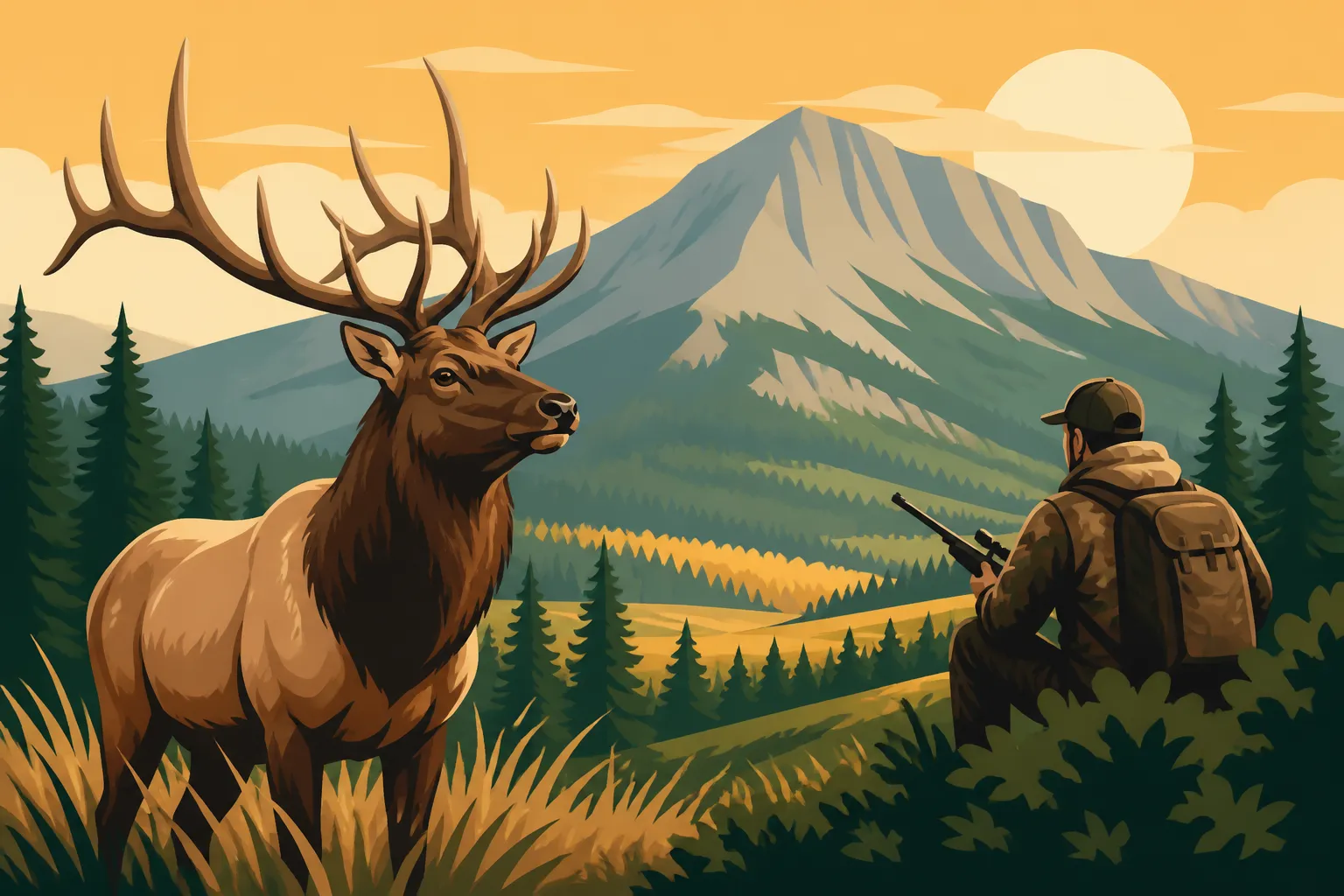
Spot-and-stalk hunting often works well in the more open agricultural fringes or mixed timber patches. This involves using optics (binoculars or a spotting scope) from a vantage point at dawn or dusk to locate elk feeding in fields or moving along treelines. Once spotted, a careful and patient stalk, using cover and wind to your advantage, is necessary to get within range. This approach demands stealth, a good understanding of the terrain, and the ability to make quick decisions. Sometimes, it's a combination of both: using calls to pinpoint general locations, then employing a spot-and-stalk approach to close the distance once an animal is sighted. Always be mindful of other hunters, especially when calling, and prioritize safety above all else.
| GHA Bordering Riding Mountain | Primary Habitat | Typical Elk Movement | Draw Difficulty (General) | Notes |
|---|---|---|---|---|
| 23A | Mixed Forest/Ag | Park edge, field forays | Moderate-High | Good mix of cover and feed, high pressure. |
| 23B | Forested/Parkland | Primarily park influence, some private land | Moderate | Heavier timber, good for more secluded elk. |
| 23C | Agricultural/Fringe | Frequent field feeding, quick retreats | Moderate-High | Focus on private land access, dawn/dusk hunting. |
| 23 | Forested/Marshy | Dispersed, deep cover | Moderate | More challenging access, fewer elk but less pressure. |
| 23D | Agricultural | Primarily private land | High | Excellent feeding grounds, but tough access without permission. |
Disclaimer
This article is for general informational purposes only and does not constitute professional advice. Laws, prices and regulations vary by location and change over time. Consult a qualified professional for guidance on your specific situation.