How the Qamanirjuaq Herd Migrates
For many hunters dreaming of a northern Manitoba adventure, understanding the elusive Qamanirjuaq caribou herd's migration patterns can feel like trying to solve a vast, frozen puzzle. It’s a huge challenge, trying to predict the movements of thousands of animals across immense, wild landscapes, and it can make or break a hunting trip. This guide will unravel the mysteries of the Qamanirjuaq herd’s annual journey, giving you a clearer picture of when and where these magnificent animals roam and how to best prepare for a hunt.
The Qamanirjuaq Herd: A True Northern Phenomenon
When we talk about hunting caribou in northern Manitoba, more often than not, we're discussing the incredible Barren-ground caribou of the Qamanirjuaq herd. These aren't just any caribou; they're a massive, migratory population that traverses thousands of kilometers across the remote tundra and boreal forest. Their movements are legendary, driven by ancient instincts and the harsh realities of their environment. For hunters, knowing their general patterns is absolutely essential, but it’s always complicated by the sheer scale of their range and the unpredictable nature of the northern climate.
Who Are the Qamanirjuaq?
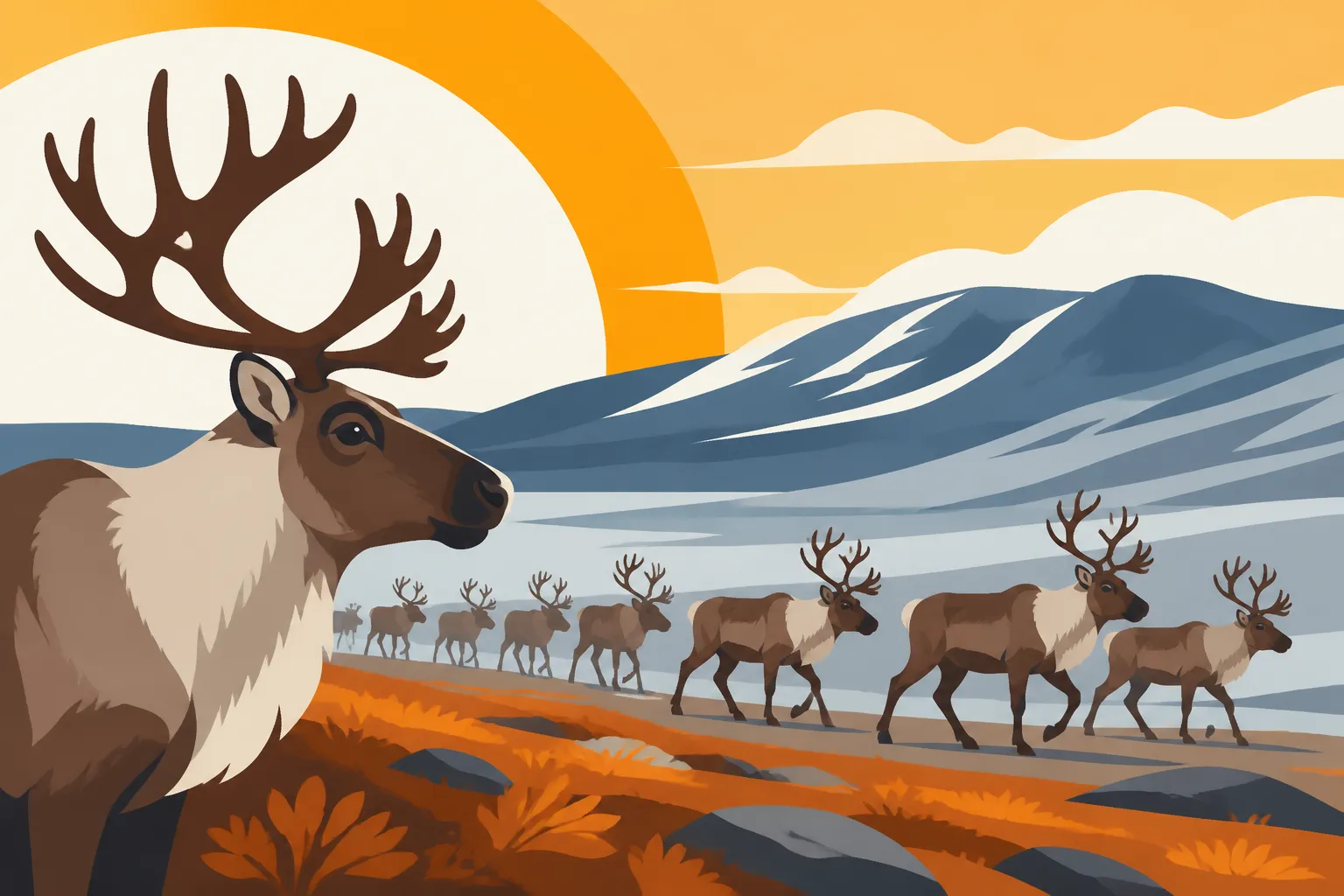
The Qamanirjuaq herd is one of the largest herds of Barren-ground caribou in North America. Their range spans from Nunavut, through the northeastern parts of Manitoba, and into Saskatchewan. They are literally a river of animals, often moving in vast columns that stretch for miles. These animals are built for endurance, with broad hooves that act like snowshoes, allowing them to navigate deep snow, and thick coats that insulate them against the biting winds of the Arctic. They are the backbone of many northern ecosystems and traditional ways of life, and for hunters, they represent the ultimate northern big game challenge. Their sheer numbers and wild nature make them an awe-inspiring sight, and pursuing them is an experience unlike any other in Manitoba.
Why Migration is Essential for Survival
The Qamanirjuaq caribou don’t migrate just for fun; their survival absolutely depends on it. Their annual journeys are meticulously timed to coincide with specific seasonal resources and to escape environmental pressures. In spring, they push north to calving grounds where nutrient-rich, early growth vegetation provides critical sustenance for mothers and newborns, and the open tundra offers some relief from predators like wolves and bears. As summer progresses, they disperse to graze on a variety of plants, building fat reserves. Then, as winter approaches, they turn south, seeking out areas with more accessible forage, often lichen, and shelter from the deepest cold and snow. This constant movement is a masterclass in adaptation, allowing them to exploit transient resources and mitigate threats across an immense territory. Understanding this fundamental driver is key to grasping why they move the way they do.
Unpacking the Annual Migration Cycle
The Qamanirjuaq caribou undertake one of the longest terrestrial migrations on the planet. This isn't just a simple back-and-forth; it's a complex, multi-stage journey influenced by a myriad of factors. While there are general patterns, no two years are exactly alike, adding to the challenge for those hoping to intercept them. For hunters, being able to read these general movements and understand the influencing factors is paramount. This deep understanding also helps in appreciating the sheer resilience of these animals.
The Spring Journey to Calving Grounds
As the brutal grip of winter begins to loosen, typically in April and May, the pregnant cows of the Qamanirjuaq herd start their arduous northward trek towards their traditional calving grounds, primarily located east and north of northern Manitoba, deep within Nunavut. This is a truly remarkable feat of endurance, as they navigate melting snow, swollen rivers, and sometimes lingering ice, all while carrying their unborn calves. They are driven by an innate biological clock, knowing that the specific conditions of these calving grounds offer the best chance of survival for their young. These areas provide relatively safe havens from predators and a burst of high-protein forage when the calves are born. The bulls and non-breeding cows typically follow in smaller groups, often a bit later and sometimes on slightly different routes, but all heading in the general northward direction.
Summer Grazing and Antler Growth
Once calving is complete in late May and early June, the herd disperses across vast areas of the tundra and northern boreal forest. Throughout June, July, and August, the caribou spread out to graze on the abundant summer vegetation. This period is crucial for them to regain body condition after the rigours of calving and migration, and for the bulls, it’s when they grow their magnificent antlers. They seek out areas rich in sedges, grasses, willow leaves, and various forbs. This dispersal makes them incredibly difficult to locate during the summer months; they are literally needle-in-a-haystack small dots across an enormous canvas. Hunters rarely pursue them during this time due to the difficulty of access and finding concentrated animals. It's a time for growth and recovery before the next big push.
The Fall Migration: Heading South
This is often the most anticipated phase for hunters, as the caribou begin their southward migration from their northern summer ranges, passing through or adjacent to northern Manitoba. This movement usually commences in late August and continues through September and October, sometimes even into November, depending on weather and snow conditions. The rut typically occurs during this southward push, adding another layer of dynamic movement as bulls fiercely compete for cows. The goal is to reach wintering grounds that offer more reliable forage and shelter from the deepening snow and extreme cold.
This southbound migration brings the caribou into more accessible regions for some hunters, often following well-worn migration corridors. These corridors can be vast, spanning many kilometres, and are influenced by topography, vegetation, and the presence of ice-free water crossings. Hunters diligently watch weather patterns and early snowfalls, as these can trigger or alter the migration. If you’re looking to intercept these animals, understanding Hunting Caribou on the Migration Route is paramount, and using tools like GoHunt to track historical movement patterns or satellite imagery can give you a crucial edge in predicting their path. Without a clear migration front, hunting can be incredibly challenging.
Wintering Grounds and Survival
As winter sets in, typically from November through March, the Qamanirjuaq herd settles into their wintering grounds, which can vary significantly from year to year based on snow conditions and food availability. These areas are often found in the more sheltered portions of the taiga and open boreal forest, where there is a greater abundance of lichen – a primary winter food source – and protection from the harshest winds. They might utilize areas with thinner snow cover on exposed ridges or seek the shelter of black spruce forests. During this time, the caribou conserve energy, relying on their fat reserves and the sparse winter forage. Deep, crusted snow can be a major challenge, making it difficult for them to crater down to feed, and forcing them to expend more energy. Survival is a daily struggle, and the herd's distribution can shift widely as they search for accessible food.
Factors Shaping Caribou Movements
The Qamanirjuaq caribou’s migration isn’t a rigid, fixed route; it’s a fluid dance with the environment. Many factors, both natural and increasingly human-influenced, dictate the exact timing, speed, and pathways of their incredible journeys. For anyone planning a trip to hunt Barren-Ground Caribou Hunting in Northern Manitoba, recognizing these variables is key to setting realistic expectations and adapting your strategy.
Weather and Landscape
Perhaps the most significant drivers of caribou migration are weather and landscape. Snow depth and crusting are huge. If early heavy snow blankets the northern tundra, it can push the herd south earlier and faster as they seek areas where they can more easily access lichen and other forage. Conversely, a mild fall might delay their southern movement. Ice conditions on major rivers and lakes are also critical; caribou will often take routes that allow for easier crossings or avoid areas with treacherous, thin ice. Extreme cold can also influence their pace, forcing them to seek more sheltered routes.
Topography also plays a role. Caribou, while adept at traversing all types of terrain, will often follow features like eskers (long, winding ridges of sand and gravel), river valleys, or the edges of large lakes, which provide easier travel corridors. Areas with abundant lichen fields or specific vegetation types can act as magnets, drawing portions of the herd. Using advanced mapping tools, such as those often found on GoHunt platforms, can help hunters analyze historical weather data and topographic features to anticipate where the caribou might congregate or travel. This deep understanding of how physical geography influences their movement is crucial for intercepting them.
Predator Dynamics
Predation, primarily from wolves, also influences caribou migration patterns. Caribou often use their large numbers and migratory movements as a defence mechanism against predators. While individual caribou might be taken by wolves Wolf Pack Size in the Boreal Forest throughout the year, the sheer scale of the migrating herd can overwhelm predators. Pregnant cows especially seek out calving grounds that offer a degree of safety from opportunistic bears and wolves.
During migration, a concentrated herd can also make it harder for predators to target individuals, as there are simply too many eyes and ears. However, if portions of the herd become bottlenecked at river crossings or funnel into narrower corridors, predators can take advantage. Caribou might alter their routes slightly to avoid areas with known high predator densities, demonstrating their constant vigilance. It’s a delicate balance, where both predator and prey are constantly adapting their strategies.
Human Influence and Conservation
While the Qamanirjuaq herd roams vast wilderness, they are not entirely immune to human influence. Industrial development, such as mining projects or access roads, can potentially disrupt traditional migration routes or fragment habitat. While these impacts are often carefully mitigated, any barrier or significant disturbance can cause caribou to alter their movements, sometimes leading to longer, more energy-intensive detours. Climate change is also an overarching concern, potentially altering vegetation patterns, snow and ice conditions, and the timing of spring melt, all of which can affect the caribou's ability to successfully complete their migrations and find sufficient forage.
Conservation efforts, including monitoring herd numbers and health, are crucial for understanding these influences and ensuring the long-term viability of the Qamanirjuaq herd. Management agencies work to gather data on their movements and population trends, which in turn informs hunting regulations and land use planning. Understanding the broader context of Barren-Ground Caribou in Northern Manitoba means recognizing the role we all play in their future.
Hunting the Migratory Qamanirjuaq Caribou
Hunting these truly wild, migratory caribou is an experience like no other, but it requires significant planning, patience, and a deep respect for the environment and the animals. It's often not a casual trip; it's an expedition into one of Manitoba's most remote and challenging landscapes.
Timing Your Hunt with the Migration
The key to a successful Qamanirjuaq caribou hunt, especially for non-residents, is timing your trip to coincide with the fall southward migration. This window typically opens in late August and runs through September and October, with peak migration often occurring mid-fall. When Caribou Reach Northern Manitoba is highly variable year to year. During this period, the caribou are often more concentrated and actively moving, making them more interceptible. If you arrive too early, they might still be dispersed on their summer ranges further north. Arrive too late, and they could have already passed through your hunting area into more southern wintering grounds or become scattered due to heavy snow.
Working with an experienced outfitter is often the best strategy, as they have historical knowledge and can adjust based on real-time observations of the herd. They understand how factors like early snow or persistent high pressure systems might accelerate or delay the movement. Paying attention to government wildlife reports and even anecdotal reports from trappers or other northern residents can provide valuable clues about where the caribou are located at any given moment. For serious hunters, leveraging scouting tools, potentially found through a service like GoHunt, can provide satellite imagery analysis or historical movement data that might aid in identifying potential travel corridors or staging areas based on current conditions.
Understanding Access and Logistics
Hunting the Qamanirjuaq caribou in northern Manitoba almost always involves a remote, fly-in camp scenario. The areas these caribou traverse are vast, roadless wilderness. This means that access is typically by float plane or sometimes by specialized tundra-tired aircraft, often flying out of northern communities like Thompson or Lynn Lake. Flying North for Manitoba Caribou is a significant part of the adventure and the cost. Planning for this kind of logistics is crucial, as you’ll need to consider weight limits for gear, fuel, and meat, and be prepared for potential weather delays that can strand you for days.
Everything from your food to your fuel must be flown in, and then, after a successful hunt, your meat and trophy (knowing What a Barren-Ground Bull Weighs will help with planning) must be flown out. This requires careful consideration for Packing Caribou Out to a Float Plane and often involves quartering the animal efficiently in the field. This isn't a hunt where you can just drive up and pitch a tent; it requires robust planning and a significant investment in time and resources.
Reading the Land and Signs
Even when the caribou are moving, they leave behind tell-tale signs of their presence. Tracks in the snow, droppings, rubs on small willows or spruce trees (from bulls polishing their antlers), and disturbed vegetation are all indicators that caribou are or have been in an area. When they’re actively migrating, these signs will be abundant and fresh along their travel corridors. Learning to interpret these signs, even on the vast tundra, is a skill developed over time.
For hunters Glassing Tundra for Manitoba Caribou, especially in the open tundra areas, patient observation from high points is critical. Caribou often appear as distant specks, slowly materializing into a moving mass. Binoculars and spotting scopes are indispensable tools. Utilizing maps and GPS with land feature layers, perhaps from a GoHunt subscription, can help identify natural funnels or high points that caribou might use. Even in the absence of obvious trails, understanding the topography can help you predict their most likely travel paths.
Patience and Adaptability
Above all, hunting migratory caribou requires immense patience and adaptability. The caribou are wild animals on their own schedule. They don't follow a precise calendar or map. One day, thousands might be streaming past your camp; the next, the landscape might be devoid of animals as the main migration front has moved on or veered in a different direction due to a shift in wind or an unexpected snowstorm. Hunters must be prepared to sit for extended periods, enduring harsh weather, and be ready to move quickly if the situation changes. Having a flexible mindset and embracing the unpredictability of the northern wilderness is not just recommended, it's essential. This truly is a hunt where the journey and the experience of being in such an incredible place are as rewarding as the harvest itself.
Summary of Qamanirjuaq Caribou Migration Phases
To help visualize the movements of this magnificent herd, here's a general overview of their annual cycle. Remember, these timings are approximate and can shift year to year.
| Migration Phase | General Timing | Direction & Purpose | Key Challenges/Features |
|---|---|---|---|
| Spring Migration | April – Early June | Northward to calving grounds | Pregnant cows leading, navigating melting snow, swollen rivers. |
| Summer Range | June – August | Dispersed across tundra/boreal; grazing, antler growth | Hard to locate due to dispersal, minimal hunting pressure. |
| Fall Migration | Late August – Nov. | Southward towards wintering grounds; rutting season for bulls | Peak hunting opportunity, influenced by early snow/cold. |
| Wintering Grounds | Nov. – March | Southern boreal forest/taiga; seeking lichen & shelter | Deep snow can impact forage access, energy conservation. |
Disclaimer
This article is for general informational purposes only and does not constitute professional advice. Laws, prices and regulations vary by location and change over time. Consult a qualified professional for guidance on your specific situation.