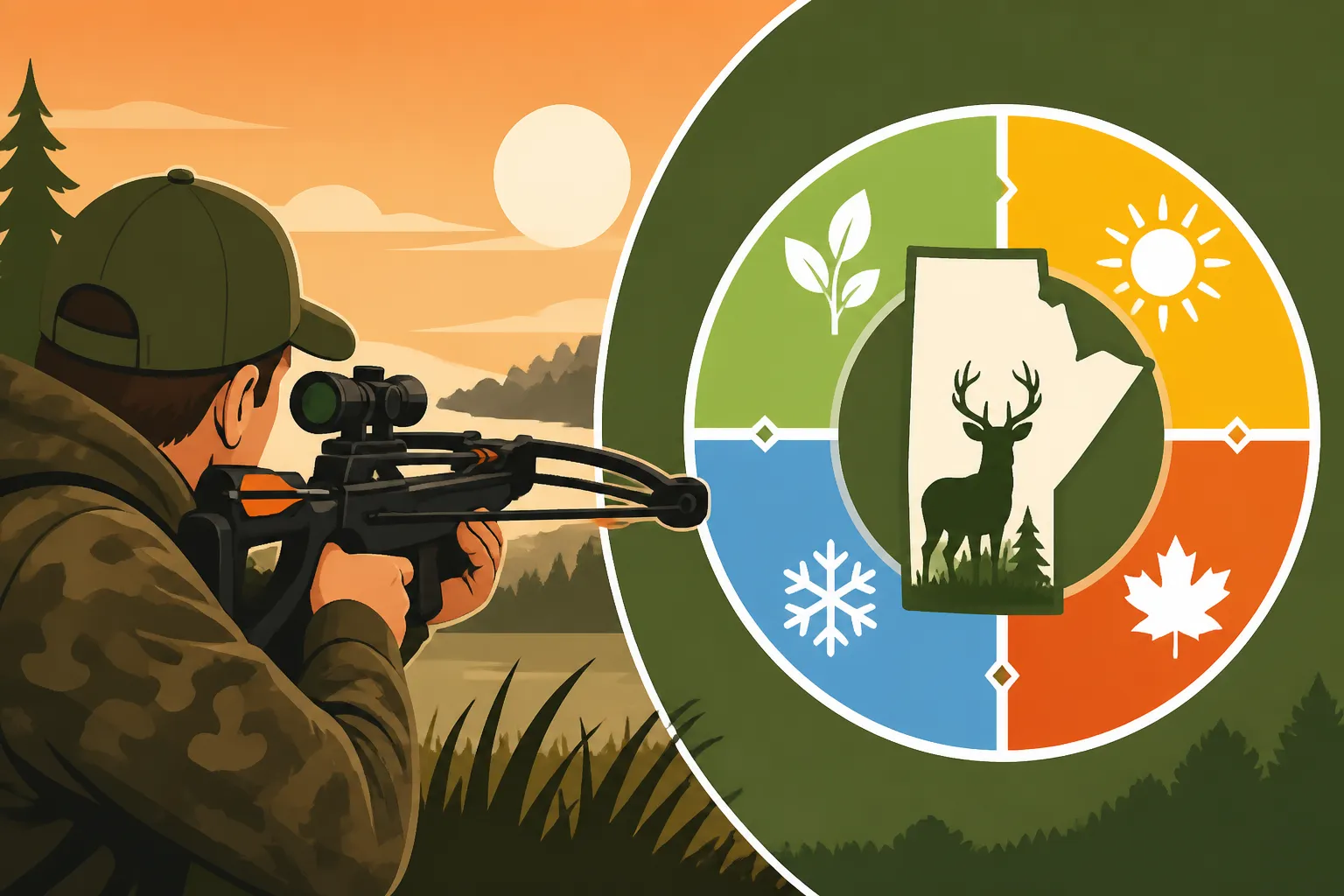
When a Crossbow Is Legal to Use
It’s a common question, and one that often causes a bit of head-scratching for hunters, especially those new to the sport or those coming from other jurisdictions: when exactly is a crossbow legal to use for hunting in Manitoba? Navigating hunting regulations can feel like sifting through a maze of jargon and fine print, but understanding your weapon options is crucial. This guide will cut through the confusion and lay out precisely when and where you can legally wield a crossbow for your hunting pursuits in our beautiful province.
Understanding Crossbow Legality in Manitoba
Let’s get right to it: yes, crossbows are generally legal for hunting in Manitoba. This might come as a surprise to some, as historically, crossbows often sat in a grey area or were restricted to specific disability permits in other regions. However, Manitoba has embraced crossbows as a legitimate hunting tool, treating them largely similar to traditional bows during specific seasons and sometimes even within general firearms seasons. The key is understanding the specific conditions and seasons under which they can be used, as these details are what truly matter.
The Evolution of Crossbow Regulations
For many years, the perception of crossbows in hunting was often tied to special accommodations or seen as a departure from "traditional" archery. In some provinces or states, a hunter might need a doctor's note or a special permit to use a crossbow, reserving it for individuals with physical limitations that prevented them from drawing a conventional bow. Manitoba, however, has taken a more progressive stance, recognizing crossbows as a valid and challenging method of hunting that requires skill and ethical judgment, much like any other weapon. This shift reflects a broader understanding of hunting inclusivity and the capabilities of modern archery equipment. It means fewer hoops to jump through for hunters who prefer or need to use a crossbow, as long as they adhere to the established rules.
Hunter Education and Licensing Requirements
Regardless of whether you choose a compound bow, a recurve, a rifle, or a crossbow, the foundational requirements for hunting in Manitoba remain consistent. Every hunter must complete the necessary Manitoba Hunter Education Requirements and possess the appropriate licences and tags for the species they intend to pursue. This isn't just about carrying a piece of paper; it’s about ensuring you understand ethical hunting practices, wildlife identification, conservation principles, and firearm safety, which applies equally to crossbow safety. Obtaining your Manitoba Hunting Licences and What They Cost is the first step, and it's a critical one that validates your right to be in the field. Don’t ever skip this part – conservation officers are diligent, and ignorance of the law is never an excuse. Always have your physical licence on you when hunting.
Specific Seasons and Species for Crossbow Use
This is where the rubber meets the road. While crossbows are legal, their use is often tied to specific hunting seasons, particularly those designated for archery equipment, but also extending into general seasons. It’s vital to check the current year’s hunting guide for precise dates and Game Hunting Area (GHA) specific regulations, as these can sometimes change. However, the general framework remains quite consistent year to year. Knowing these details is paramount to avoiding potential infractions and ensuring a legal hunt.
Archery Seasons for Big Game
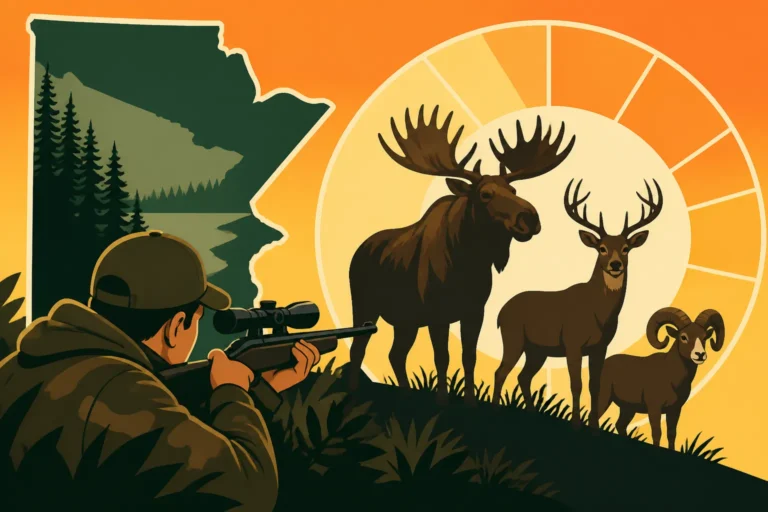
For many big game species, Manitoba offers dedicated archery seasons. This is typically when crossbows shine brightest in terms of specific legality. During these archery-only periods, which often precede or overlap with general firearms seasons, crossbows are permitted right alongside traditional bows. This means if you’re heading out for White-Tailed Deer, Manitoba's Most Hunted Animal during the early bow season, your crossbow is a perfectly acceptable tool. The same often applies to other big game animals like Black Bears Across Manitoba's Bush Country, Elk in Manitoba's Parkland and Mountains, and even Moose Across Manitoba's Boreal Forest, depending on the GHA and specific season dates.
It’s an excellent opportunity for hunters who appreciate the challenge and intimacy of archery hunting but prefer the stability and reduced physical demand of a crossbow. These seasons are often quieter in the bush, offering a unique experience before the full swing of rifle season. Always double-check the specific GHA you plan to hunt in, as some areas might have nuances. For instance, some managed hunting areas might have specific rules. Using modern mapping and scouting applications, such as GoHunt, can help you visualize these areas and cross-reference them with regulation summaries.
Here’s a simplified breakdown of common big game species and typical crossbow legality during archery seasons in Manitoba:
| Species | Primary Archery Season | Crossbow Legal? | Typical Season Notes |
|---|---|---|---|
| White-tailed Deer | Early September to mid-November (dates vary by GHA) | Yes | Crossbows are explicitly permitted during all open archery deer seasons province-wide, including special antlerless hunts. Always verify specific dates for your chosen GHA. |
| Black Bear | Spring (April-June) and Fall (August-October) | Yes | Crossbows are legal during both spring and fall black bear archery seasons. Baiting is a common method for bear hunting and is allowed with appropriate permits and adherence to baiting regulations. |
| Moose | Early September to mid-October (highly restricted GHAs) | Yes | Where moose archery seasons are open (which are limited due to conservation efforts), crossbows are legal. Always check specific GHA closures and draw requirements very carefully for moose. |
| Elk | Mid-August to late October (limited GHAs) | Yes | Crossbows are permitted during open elk archery seasons. Elk draw tags are highly sought after, so applying in the draw is usually necessary. |
Disclaimer: This table provides a general overview. Always consult the current Manitoba Hunting Guide for the most accurate and up-to-date regulations.
General Rifle and Muzzleloader Seasons
Here's another crucial point of clarification: in Manitoba, crossbows are also generally legal to use during the regular general deer rifle seasons, and often during muzzleloader seasons as well. This is a departure from many other jurisdictions where archery equipment is strictly limited to archery-only seasons. So, if you're out during the heart of Manitoba Rifle Season Dates or perhaps trying your hand during Manitoba Muzzleloader Rules and Seasons, you can technically carry your crossbow.
However, just because you can use it doesn't always mean it's the most practical choice. During general firearms seasons, hunters are typically spread out more, and the range limitations of a crossbow might put you at a disadvantage compared to a rifle hunter operating at longer distances. It’s more about providing flexibility than suggesting a crossbow is always the optimal tool for these seasons. The important takeaway is that you won’t be breaking the law by having a crossbow during these periods, as long as it meets all other equipment requirements.
Crossbows for Specific Big Game Species
Let’s dig a little deeper into individual species. For White-Tailed Deer, Manitoba's Most Hunted Animal, the crossbow is a fantastic option during the long archery seasons, allowing for stealthy, close-range hunting often from a stand or blind. When you're trying to fill a tag, especially for a meat deer, the crossbow provides a dependable method.
Black Bears Across Manitoba's Bush Country are also excellent quarry for crossbows, particularly when hunting over bait. The controlled environment of a bait site allows hunters to ensure a close, ethical shot on an animal that requires precise shot placement due to its robust build. Many outfitters cater to crossbow hunters for bear, recognizing its effectiveness in this scenario.
For Elk in Manitoba's Parkland and Mountains, crossbows can be used, particularly during the early archery seasons when bulls are bugling, and close encounters are possible. However, given the wary nature of elk and the vast open spaces they often inhabit, getting within crossbow range can be a significant challenge. Success often hinges on exceptional calling skills and patience.
When it comes to Moose Across Manitoba's Boreal Forest, where seasons are increasingly restricted, crossbows are legal in the open GHAs. However, moose hunting is generally an immense challenge, often requiring extensive tracking and calling in dense cover. While a crossbow is legal, the difficulty of getting within prime shooting range of these massive animals in thick bush adds another layer of complexity. For comprehensive GHA information, many hunters find digital mapping systems like GoHunt incredibly helpful for understanding terrain and regulations.
Important Considerations for Crossbow Hunters
Beyond simply knowing if you can use a crossbow, there are several practical and ethical considerations that every crossbow hunter should be aware of. Just like any hunting tool, a crossbow demands respect, practice, and a deep understanding of its capabilities and limitations. It's not just a matter of pulling a trigger; it's about making an ethical shot every time.
Equipment Requirements and Limitations
Manitoba has specific regulations regarding the crossbow itself, just as it does for traditional bows and firearms. While the specifics can sometimes shift, generally you’ll need to ensure your crossbow meets minimum draw weight requirements to ensure sufficient kinetic energy for a humane kill on big game. For big game like deer, moose, elk, and bear, the minimum draw weight for a crossbow is usually 150 lbs, though you should always check the current regulations for exact numbers. Furthermore, broadheads used on bolts must be specific types – usually, fixed blade or mechanical broadheads are permitted, but they must have at least two cutting edges and be a certain width. You can’t just use target points! These rules are in place to ensure that the equipment is capable of dispatching an animal quickly and humanely. Make sure your bolts are properly matched to your crossbow for accuracy and penetration. It’s always a good idea to revisit the Legal Firearms and Bows for Big Game section of the hunting guide to confirm these details.
Safety and Ethical Hunting Practices
A crossbow, like any hunting weapon, is a serious tool that demands serious responsibility. Safety should always be your top priority. Always treat a crossbow as if it were loaded, keep the safety on until you are ready to shoot, and ensure your finger is off the trigger until you have a clear, ethical shot. Never point it at anything you don't intend to shoot. Practicing regularly is key to becoming proficient and confident. Understand your effective range – just because your crossbow can send a bolt 80 yards doesn't mean you should attempt a shot at that distance in a hunting scenario. Ethical hunting means knowing your limits and only taking shots that you are highly confident will result in a quick, humane kill. This commitment to ethical hunting is part of the Manitoba Hunter Education Requirements and should be a personal guiding principle.
Scouting and Game Management
Using a crossbow effectively often means getting closer to your quarry, which places a premium on scouting and understanding animal movement. This is where tools and knowledge become invaluable. Planning your hunt, whether it's for whitetails or a spring bear, means knowing your terrain, understanding feeding patterns, and identifying bedding areas. Tools like GoHunt can be invaluable for scouting, allowing you to mark waypoints, track animal sign, and understand property boundaries long before you step foot in the woods.
Knowing the specific Manitoba's Game Hunting Areas and their unique characteristics will also help tailor your approach. Are you hunting the dense bush of the Interlake, the open farmlands, or the rolling hills of the Parkland? Each environment requires different tactics for a crossbow hunter. For comprehensive GHA information, many hunters find digital mapping systems like GoHunt incredibly helpful for pre-season planning and in-field navigation. Always check the specific GHA regulations for any nuances, a task made easier with detailed resources often found on platforms like GoHunt. This dedication to preparation not only increases your chances of success but also ensures a more responsible and enjoyable hunting experience.
Disclaimer
The information provided in this guide is for general informational purposes only and is not a substitute for the official Manitoba Hunting Guide and current provincial regulations. Hunting laws and regulations can change, and it is the hunter's responsibility to review and comply with all current provincial and federal hunting laws. Always consult the official Manitoba Hunting Guide for the most up-to-date and accurate information before planning and executing your hunt.