Manitoba Muzzleloader Equipment Rules
It’s easy to get lost in the nuances of hunting regulations, especially when it comes to specific gear like muzzleloaders. Many hunters, whether new to the sport or crossing provincial borders, find themselves scratching their heads, wondering if their trusty black powder rifle meets Manitoba's exact standards. This comprehensive guide aims to clear up the confusion, walking you through the ins and outs of Manitoba's muzzleloader equipment rules so you can hunt confidently and legally.
Understanding the Legal Definition of a Muzzleloader in Manitoba
One of the biggest hurdles for any hunter considering a muzzleloader season is simply knowing what qualifies as a legal muzzleloader in the eyes of Manitoba’s regulations. It's not as simple as "if it loads from the front, it's good." The rules are specific, designed to ensure fair chase and safe hunting practices. Misinterpreting these definitions can lead to unwanted complications in the field, so let’s get down to the brass tacks.
Traditional Versus Modern Muzzleloaders
Manitoba’s hunting regulations primarily focus on the method of loading and the type of projectile, rather than making a hard distinction between "traditional" flintlock or percussion cap rifles and their more "modern" inline counterparts. Essentially, if your firearm is loaded from the muzzle with black powder or an approved black powder substitute, and then the projectile is seated on top, it falls under the muzzleloader category. This means both a classic Hawken-style rifle and a sleek, synthetic-stocked inline will likely be considered muzzleloaders, provided they adhere to other specific requirements. The key is that it must be a single-shot firearm, loaded externally, not a cartridge-based weapon. This might seem obvious, but it’s a point often overlooked when hunters, perhaps used to different rules elsewhere, look at the versatility of some contemporary designs.
Permitted Ignition Systems
The type of ignition system allowed is another critical factor. Generally, Manitoba permits firearms that use percussion caps or flintlock mechanisms. For many years, these were the standard. However, most modern inline muzzleloaders utilize 209 shotshell primers for ignition. The good news for contemporary muzzleloader enthusiasts is that 209 primers are indeed legal in Manitoba for muzzleloader hunting. This flexibility acknowledges the advancements in muzzleloader technology while maintaining the spirit of "black powder" hunting. What you cannot use are any systems that would allow for self-contained cartridges or any form of ignition that isn't integral to the single-shot, muzzle-loading nature of the firearm. It’s always a good idea to ensure your specific model and its ignition system are clearly compliant before your hunt, perhaps by reviewing the current Manitoba Hunting Guide or checking with a Conservation Officer.
Projectiles, Powder, and Caliber Requirements for Muzzleloaders
Beyond the general definition, Manitoba's regulations get quite granular when it comes to what you actually load into your muzzleloader. This isn't just about safety; it's about ensuring humane harvesting of game animals. The wrong combination of powder or projectile can lead to wounded game or non-compliance with the law.
Legal Projectiles and Sabots
When it comes to projectiles, the rules are fairly straightforward but leave some room for modern options. For hunting big game in Manitoba, you must use a single projectile. This means no buckshot or birdshot in your muzzleloader for deer, elk, or moose. The good news is that both traditional lead round balls and modern conical bullets are generally acceptable. This includes saboted projectiles, which consist of a smaller caliber bullet encased in a plastic sabot that peels away after leaving the muzzle, allowing for greater accuracy and bullet performance. So, if you're a fan of those highly accurate .45 caliber sabots loaded into your .50 caliber muzzleloader, you're usually in the clear. However, always confirm that your chosen projectile meets the minimum energy and expansion requirements typically associated with ethical big game hunting. The projectile must be designed for big game, meaning it should expand upon impact to deliver a quick, humane kill. While you'll often see hunters using these modern saboted options, the humble patched round ball still accounts for many harvested deer each year, and it remains a perfectly legal choice.
Permitted Powders and Their Limitations
This is perhaps one of the most critical areas where hunters can go wrong. Manitoba's regulations explicitly state that only black powder or approved black powder substitutes are legal for muzzleloader hunting. This is a crucial distinction. Black powder substitutes include popular options like Pyrodex, Triple Se7en, and Blackhorn 209. These powders are designed to mimic black powder's burning characteristics and are generally less corrosive and easier to clean.
What is absolutely not allowed is smokeless powder. Even in small quantities, smokeless powder can create dangerously high pressures in a muzzleloader barrel designed for black powder, leading to catastrophic failure and severe injury. Many modern inline muzzleloaders might look robust, but their metallurgy and pressure ratings are not designed for smokeless powder. Always, always stick to the manufacturer's recommendations and the legal requirements to use only black powder or an approved substitute. The frustration of blowing up a valuable firearm, or worse, injuring yourself, isn't worth trying to get a little more velocity out of your load. Ensure you understand the distinction and only use safe, legal propellants.
Minimum Caliber for Big Game
Just like with cartridge rifles, there are minimum caliber requirements for muzzleloaders used to hunt big game in Manitoba. These are in place to ensure enough kinetic energy and bullet mass to humanely dispatch animals. For most big game species, like white-tailed deer, elk, and moose, a minimum bore diameter of .45 caliber is required. While some hunters might opt for a .50 caliber or even a .54 caliber for larger game like moose or bear, a .45 is the smallest you can go for deer and elk.
This means your trusty .32 or .36 caliber squirrel rifle, while a blast for small game, isn't going to cut it for big game season. The intent here is clear: use enough gun to do the job effectively and ethically. Hunters often find that .50 caliber muzzleloaders strike a great balance between power, recoil, and readily available components. Before you head out, make sure your specific muzzleloader, regardless of whether you're chasing a trophy buck or trying to fill a second deer licence, meets this minimum bore requirement.
| Muzzleloader Equipment Component | Legal in Manitoba for Big Game Hunting | Notes/Restrictions |
|---|---|---|
| Loading Method | Muzzle-loaded, single shot | Firearm must be loaded from the muzzle. |
| Ignition Systems | Percussion cap, Flintlock, 209 Primer | Most modern inline muzzleloaders using 209 primers are legal. |
| Projectile Type | Single projectile | Round balls, conical bullets, and saboted projectiles (e.g., .45 cal sabot in .50 cal bore) are all generally permitted. No buckshot or birdshot for big game. |
| Powder Type | Black powder or approved substitutes | Pyrodex, Triple Se7en, Blackhorn 209 are common examples. Smokeless powder is strictly prohibited and dangerous. |
| Minimum Caliber | .45 caliber | Required for most big game species like deer, elk, and moose. |
| Sights | Open sights, peep sights, scopes | Scopes are generally allowed on muzzleloaders in Manitoba. |
Muzzleloader Seasons and General Considerations
Beyond the gear itself, knowing when you can legally use your muzzleloader is just as important. Manitoba offers specific muzzleloader seasons that can provide unique opportunities, often with less hunting pressure than general rifle seasons. These seasons are a fantastic way to extend your time in the field, but they come with their own set of considerations.
Muzzleloader Specific Seasons
Manitoba often schedules dedicated muzzleloader seasons, particularly for deer. These seasons frequently precede or follow the general rifle seasons, giving hunters a unique window to pursue game. For example, you might find a muzzleloader-only deer season running in late November or early December, providing a chance to hunt post-rut bucks when other firearms might not be permitted. This allows for a more traditional hunting experience and often attracts hunters seeking that challenge.
It's crucial to consult the official Manitoba Hunting Guide each year for specific dates, as these can vary by Game Hunting Area (GHA). Sometimes, these seasons might overlap with archery seasons or even late rifle seasons in specific GHAs, so always be aware of the regulations for your chosen hunting grounds. Using tools like GoHunt can help you research specific GHA boundaries and potential opportunities, but the official guide is your ultimate source. Being aware of the Muzzleloader Deer Dates and Rules is paramount to a successful and legal hunt.
Safety and Maintenance: Muzzleloader Specifics
Hunting with a muzzleloader comes with its own set of safety and maintenance protocols that differ from modern cartridge firearms. These aren't just good practices; they're essential for your safety and the longevity of your equipment.
One key aspect is managing powder. Unlike cartridges, black powder and its substitutes are bulk-loaded, meaning you measure your charge directly from a flask or dispenser. Always use a reliable powder measure and never load directly from the powder container to avoid accidental ignition. Hangfires are also a unique characteristic of muzzleloaders, where the primer or cap ignites but the main powder charge doesn't immediately fire. If this happens, keep the muzzle pointed in a safe direction for at least 30-60 seconds before attempting to recock or reclear the firearm.
Corrosion is another major concern. Black powder and many substitutes are corrosive, meaning they can rapidly pit and damage your barrel if not cleaned promptly and thoroughly. After every shooting session, and especially after hunting in damp conditions, a complete cleaning is essential. Warm, soapy water (or specialized black powder solvent) followed by thorough drying and oiling is typically recommended. Neglecting this can turn your prized muzzleloader into a rusty wall-hanger very quickly. Remember, part of the challenge and reward of muzzleloader hunting is this hands-on approach to both loading and maintenance.
Gear and Preparation for Manitoba Muzzleloader Hunting
Beyond the firearm itself, a successful muzzleloader hunt in Manitoba requires specific accessories and a keen understanding of how to prepare for the unique demands of this hunting method. It's not just about what you can shoot, but how you manage your gear in the field.
Essential Muzzleloader Accessories
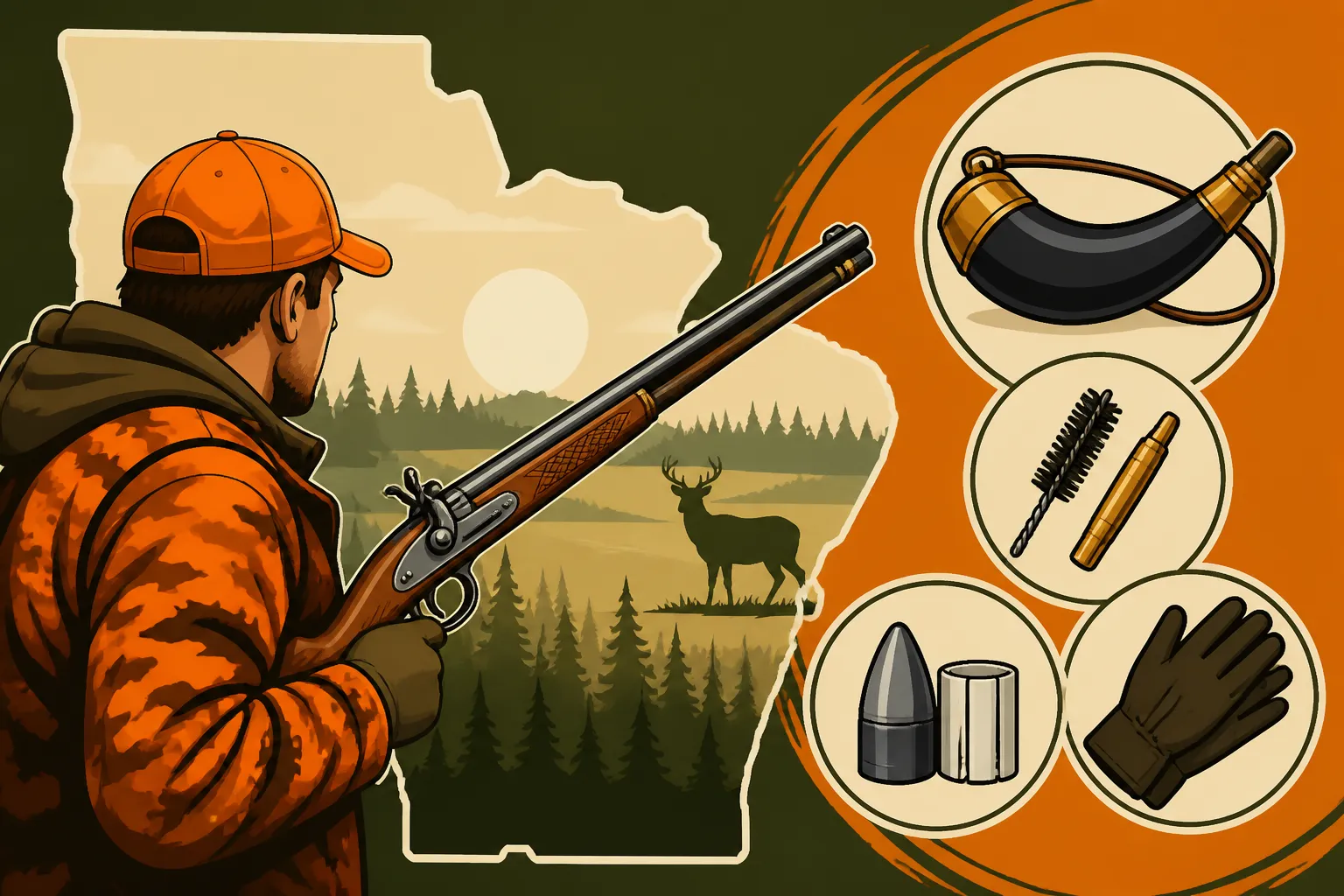
You’ll need more than just your rifle and powder for a muzzleloader hunt. A dedicated kit of accessories is crucial. This includes a reliable powder flask and measure, a capper (if using percussion caps), a bullet starter for seating projectiles properly, and a ramrod extension or a separate range rod for easier loading. Many hunters also carry a small, portable cleaning kit for quick in-field swabbing, especially if they plan on multiple shots or are hunting in wet conditions.
Additionally, always bring extra primers or caps, and sufficient powder and projectiles. Unlike modern rifles where you can carry a spare magazine, reloading a muzzleloader in the field is a slower, more deliberate process, so having everything organized and accessible is key. For those longer hunts, particularly during late season opportunities like Hunting the Late December Season, ensure you have enough supplies to last. Being caught short on primers or dry powder far from your vehicle is a frustrating experience you want to avoid.
Practice and Proficiency with Your Muzzleloader
Just like with any hunting firearm, proficiency with your muzzleloader is paramount. Muzzleloaders often have different recoil characteristics, sight pictures, and effective ranges compared to modern centerfire rifles. Spend ample time at the range practicing with the exact load you intend to hunt with. This means shooting different bullet types, powder charges, and ignition systems to see what performs best in your particular firearm.
Understanding your muzzleloader’s limitations is crucial. While some modern inlines can achieve impressive accuracy out to 200 yards or more, many traditional muzzleloaders are best kept to shorter ranges, often under 100 yards. Practice shooting from various field positions – offhand, kneeling, from a rest – to simulate real hunting scenarios. This also helps you become accustomed to the smoke, the slower bullet speed, and the unique loading process under pressure. Consider that the conditions in Manitoba can be quite challenging, from deep snow to cold snaps, so getting comfortable with your gear when your fingers are numb is important. Many hunters find that resources, even those like GoHunt, offer tips and articles on practicing with various hunting equipment, which can be helpful. Remember, ethical hunting starts with being a proficient and confident shooter.
Navigating Manitoba's Regulations and Resources
Staying informed about hunting regulations can feel like a full-time job. With changes happening periodically, it’s vital to know where to find the most accurate and up-to-date information. Relying on outdated information can lead to serious consequences in the field.
Where to Find Official Regulations
The single most important resource for all Manitoba hunting regulations is the official Manitoba Hunting Guide published annually by the provincial government. This guide is usually available online through the provincial government's website and at most licensing vendors or outdoor stores. It covers everything from Manitoba Big Game Season Dates to specific equipment rules, GHA maps, and more. While online forums, hunting blogs, or apps like GoHunt can provide useful insights and discussions, they should never be your sole source of information. Always cross-reference with the official guide.
It's also a good idea to periodically check the provincial website for any in-season updates or emergency closures, especially if you're planning an extended trip or hunting in a new area. Understanding Manitoba's Game Hunting Areas and their specific regulations is a continuous learning process for responsible hunters.
The Importance of Hunter Education
For any hunter, especially those new to Manitoba or to specific hunting methods like muzzleloading, completing a hunter education course is fundamental. Manitoba Hunter Education Requirements ensure that all hunters understand not only firearm safety but also ethical hunting practices, wildlife identification, and conservation principles. While hunter education courses might not dive deep into every single muzzleloader equipment rule, they provide the foundational knowledge necessary to interpret the regulations and make informed decisions in the field. Plus, most provinces and states require proof of hunter education to purchase a license, so it's a necessary step for everyone.
Embracing muzzleloader hunting in Manitoba offers a unique and rewarding experience, steeped in tradition and demanding a higher level of fieldcraft. By understanding and adhering to the specific equipment rules, you ensure your hunt is not only successful but also safe, legal, and ethical.
Disclaimer
The information provided in this guide is for general informational purposes only and is subject to change. While efforts have been made to ensure accuracy, hunting regulations are complex and can be updated by the Province of Manitoba at any time. Hunters are solely responsible for consulting the official Manitoba Hunting Guide and all current provincial regulations before participating in any hunting activities. Always prioritize safety and adherence to the law.