Where Manitoba’s Moose Are Recovering
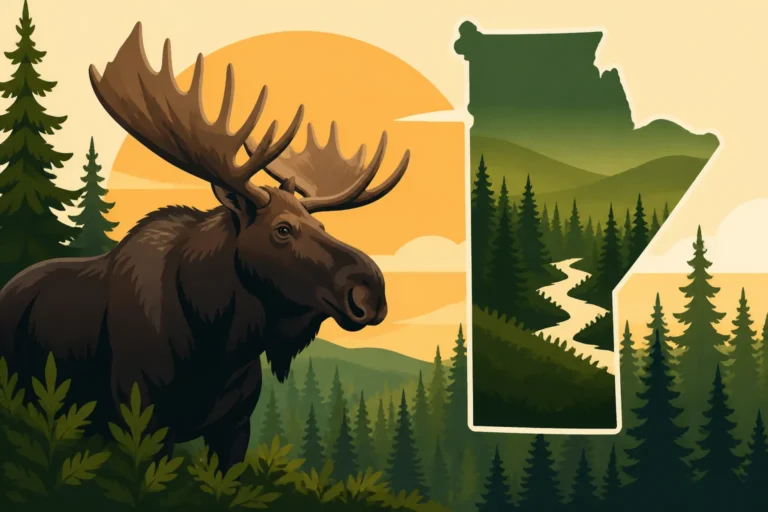
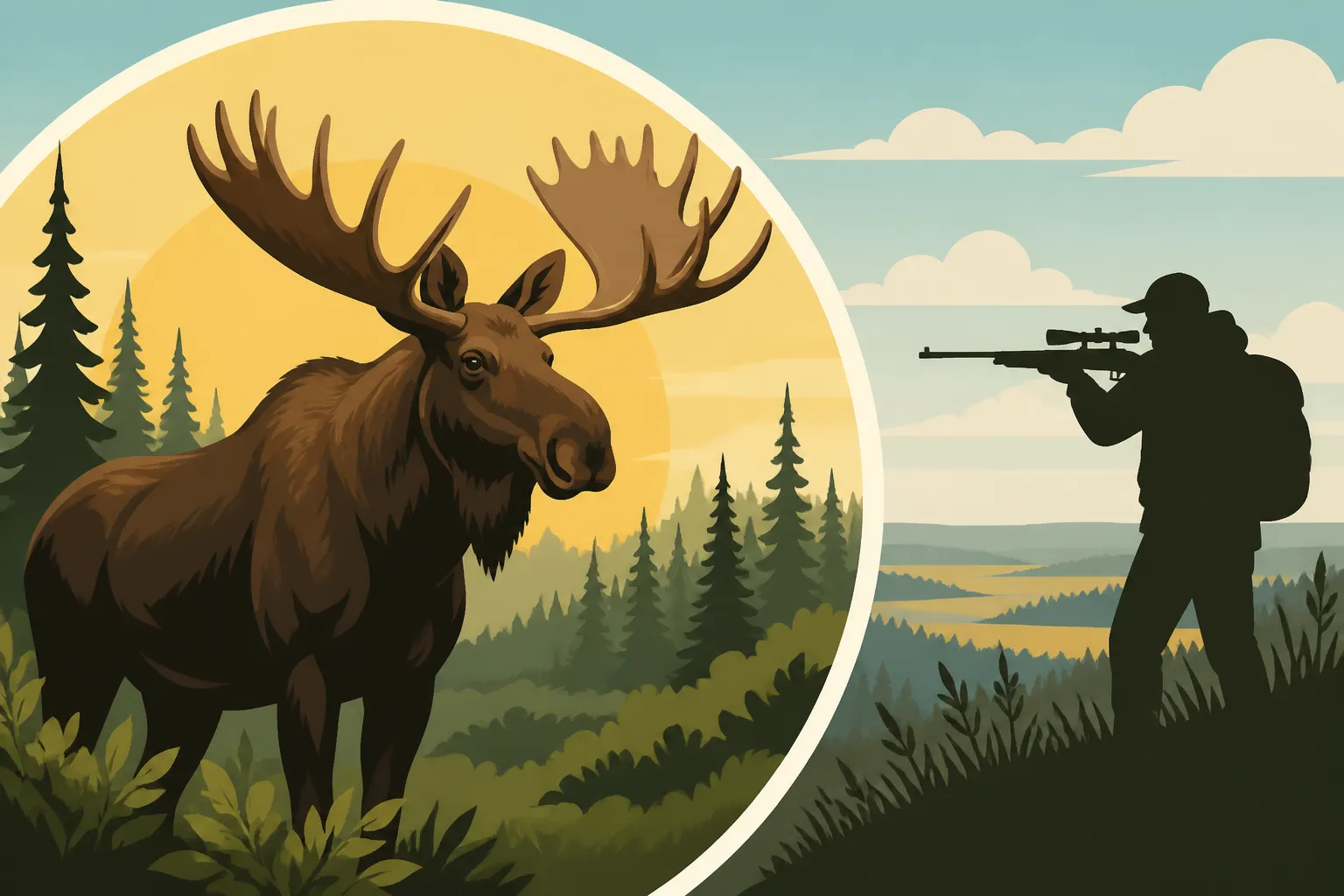
For years, the talk around the campfire often turned to the worrying decline of Manitoba's moose, a frustrating reality for many of us. We've seen fewer tags, tighter seasons, and even closures in areas we once hunted freely. But the good news is, moose are indeed showing signs of recovery in certain parts of our province. This guide will take a deep dive into where these magnificent animals are making a comeback, the efforts driving their resurgence, and how we, as dedicated hunters, can play a vital role in their ongoing success.
The Difficult History of Manitoba's Moose Populations
It’s impossible to talk about moose recovery without first acknowledging the tough road we've travelled. For a significant period, moose populations across Manitoba faced considerable pressures, leading to declines that truly worried everyone with a vested interest in these iconic animals. Understanding the challenges they faced helps us appreciate the recovery efforts even more.
Understanding the Steep Decline
The decline of Manitoba’s moose populations wasn't due to a single culprit; it was a complex web of interconnected issues. Habitat loss played a significant role, as forestry practices, agricultural expansion, and other human developments fragmented or degraded critical moose habitat, making it harder for them to thrive. Disease, particularly brainworm (Parelaphostrongylus tenuis) carried by white-tailed deer, was a silent killer. While deer are largely unaffected by brainworm, it's often fatal for moose. Then there were the winter ticks, Dermacentor albipictus, which in severe infestations, can literally bleed a moose dry or cause them to rub off so much hair that they die from hypothermia. Predation by wolves and bears, while natural, can have a disproportionate impact on weakened populations, especially calves. Lastly, in some areas, unsustainable harvest rates prior to tighter regulations also contributed to the downward trend. For a deeper look, understanding Why Manitoba Moose Numbers Fell is crucial to grasping the historical context.
Impact on Hunting Opportunities
For hunters, these declines translated into very real and often heartbreaking consequences. Many traditional moose hunting grounds saw drastically reduced tag allocations, or worse, complete season closures. Imagine applying for a coveted moose draw year after year, only to be met with disappointment, or hearing that your favourite GHA (Game Hunting Area) was now entirely off-limits for moose. This wasn't just about missing out on a hunt; it was about the loss of tradition, the uncertainty of future opportunities, and the emotional toll of seeing an important part of Manitoba's wildlife heritage struggling. The provincial government had to make some very difficult decisions, often leading to Manitoba's Moose Conservation Closures to give populations a fighting chance. These decisions, while tough, were necessary to lay the groundwork for any future recovery.
Beacon of Hope: Key Moose Recovery Zones
Despite the past challenges, there's tangible proof that moose are resilient, and with concerted efforts, they can begin to rebound. While we’re not out of the woods everywhere, specific regions across Manitoba are showing promising signs of recovery.
Northern Boreal Forests and Shield Country
When we talk about where moose are truly making a comeback, the vast, relatively untouched expanses of Manitoba’s northern boreal forests and the rugged Canadian Shield country are often at the forefront. GHAs like 1, 2, 6, and 6A, which stretch into the provincial north, are seeing stable or increasing populations. These areas benefit from immense stretches of uninterrupted habitat, often less fragmented by human development. Access can be challenging, requiring float planes, winter roads, or serious bush vehicles, which inherently reduces human pressure. Here, you'll find healthy stands of willow, aspen, and aquatic vegetation – the dietary staples of moose – along with large tracts of mixed forest that provide essential cover and thermal regulation. These areas are the strongholds for Moose Across Manitoba's Boreal Forest, proving that given the right conditions, these animals can thrive.
Western Parkland Fringe and Central Regions
While the northern areas are seeing robust recovery, some parts of the western Parkland fringe and certain central regions, which suffered significant declines, are now showing slow but steady improvement. Areas around the Duck Mountain and Porcupine Hills, once facing severe moose population drops, are seeing stabilization and even slight increases in localized pockets. These improvements are largely attributed to aggressive conservation measures and reduced hunting pressure over the past decade. It’s a much slower process here, with more human population density and habitat fragmentation posing ongoing challenges. However, the dedication to recovery in these areas means that while a full return to historical numbers might be a long way off, the trend is certainly moving in the right direction. Hunters should always check the most current regulations for specific GHAs like 18, 18A, and 18B to understand the local status of moose populations and hunting opportunities.
Driving Forces Behind the Resurgence
The current signs of moose recovery aren’t accidental. They are the direct result of deliberate actions, shifts in management, and a bit of help from Mother Nature herself. It's a testament to what can be achieved when conservation is prioritized.
Conservation Measures and Hunting Restrictions
Perhaps the most impactful factor in moose recovery has been the implementation of stringent conservation measures, particularly in hunting regulations. The province enacted widespread season closures and moratoriums in severely affected areas, often for many years. Where hunting was allowed, tag allocations were dramatically reduced, and seasons shortened. Specific GHAs like those within the Duck Mountain and Porcupine Hills, where closures were implemented, have seen populations begin to stabilize, demonstrating the direct positive effect of reduced pressure. This approach, alongside How Shared Management Changed Moose Seasons with Indigenous communities, has been fundamental. These decisions were tough on hunters, but they were critical to allowing moose populations to rebuild their numbers, especially adult cows that contribute to calf recruitment. You can review all the details on Manitoba Big Game Season Dates to see how these adjustments played out over the years.
Habitat Improvement and Management
Healthy habitat is the cornerstone of a healthy moose population. Active habitat management, often in partnership with forestry operations, has helped create mosaic landscapes that benefit moose. Sustainable forestry practices, for example, can create early successional forests with new growth of willow, aspen, and other browse species that moose absolutely love. Controlled burns and natural wildfires, while sometimes devastating in the short term, can also reset forest ecosystems, leading to a flush of new growth that provides excellent forage years down the line. Furthermore, initiatives aimed at protecting critical wetlands and riparian zones – vital areas for moose to feed on aquatic plants and find relief from insects in summer – are also quietly contributing to the recovery.
Predator-Prey Dynamics and Environmental Factors
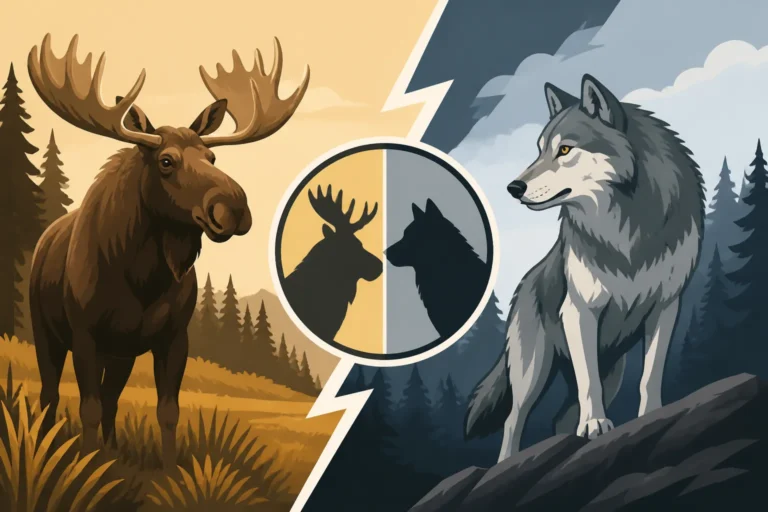
The intricate balance of predator-prey dynamics also plays a role. While wolf and bear predation can be a factor in declining moose populations, a recovering moose population can better withstand this natural pressure. When moose numbers are low, predation can be detrimental; when numbers are robust, it's part of a healthy ecosystem. Milder winters, especially those with less persistent deep snow, can significantly improve calf survival rates. Deep snow can hinder moose movement, increase energy expenditure, and make calves more vulnerable to predators. On the flip side, extreme winter tick infestations, often exacerbated by successive mild winters, can still set back local populations. Therefore, while conservation measures are key, environmental conditions remain a powerful, sometimes unpredictable, factor in the long-term health of Manitoba’s moose herds.
Navigating Hunting in Recovering Moose Areas
For hunters keen to participate in Manitoba's moose hunting, understanding the current landscape of recovering populations is paramount. This means staying informed about regulations and embracing responsible hunting practices that align with ongoing conservation goals.
Current Regulations and Draw System
Moose hunting in Manitoba, especially in areas with recovering populations, is highly regulated. Most opportunities are managed through a draw system, making a tag a truly coveted prize. Hunters must apply annually for limited tags in specific GHAs. The draw system is designed to control harvest pressure precisely, ensuring that only a sustainable number of animals are taken. It's essential to thoroughly review the current year's hunting guide for season dates, bag limits, and specific GHA regulations, as these can change to reflect population trends. Online platforms and resources, like those often aggregated by GoHunt, can be invaluable for cross-referencing information, studying Manitoba's Big Game Draws, and checking historical draw odds to help you strategically plan your applications. Keeping up-to-date is not just about legality; it's about respecting the hard-won recovery efforts.
Ethical Hunting Practices and Data Collection
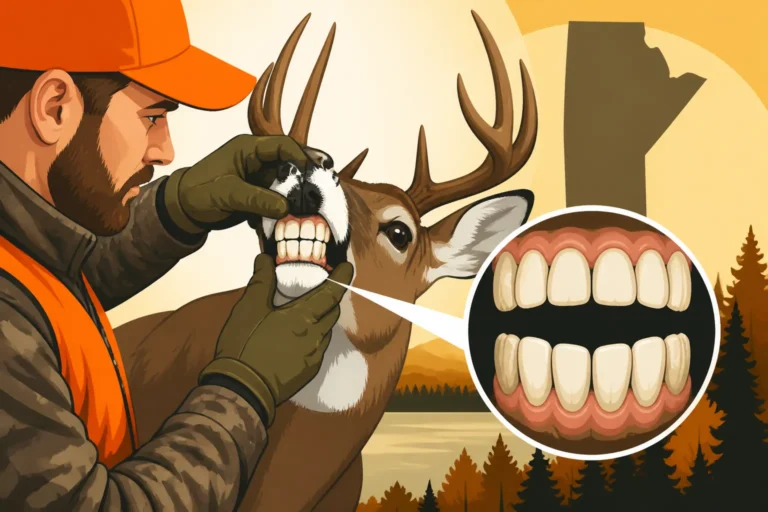
As hunters, we are critical stakeholders in conservation. In recovering moose areas, ethical practices take on even greater importance. This includes selective harvesting, prioritizing older bulls if antlerless tags are not available, and avoiding cow-calf pairs. Every harvested moose contributes valuable data. Mandatory reporting of harvests, including location, sex, and age, allows wildlife managers to monitor population health and adjust future regulations. In some areas, hunters may also be asked to participate in disease surveillance, such as providing samples for Chronic Wasting Disease (CWD) testing, even if moose are less commonly affected than deer. This meticulous data collection is vital for understanding trends and making informed management decisions.
Scouting and Accessing Remote Moose Country
Hunting in recovering moose areas often means heading into more remote, challenging terrain. These animals thrive where human disturbance is minimal. Effective scouting requires more than just driving roads; it involves pouring over topographical maps, utilizing satellite imagery, and being prepared to put in the legwork. Resources like GoHunt, with its detailed mapping layers, can be incredibly useful for identifying potential moose habitat like dense timber pockets, willow swamps, and cutlines. Understanding Hunting Moose on a Manitoba Cutline or Hunting Moose Around Manitoba Beaver Ponds can give you an edge in these areas. Access to these regions can be restricted, with many requiring ATVs, boats, or even bush planes. Always plan for contingencies, pack emergency gear, and let someone know your travel plans, especially when venturing into remote northern areas where cell service is non-existent. These are places where moose find sanctuary, and as hunters, we must respect their domain.
The Hunter's Role in Sustainable Recovery
Moose recovery isn't just a government initiative; it’s a collective effort, and hunters are, and always have been, at the very heart of wildlife conservation. Our passion for the outdoors and the species we pursue makes us natural advocates and contributors to their well-being.
Advocacy and Education
One of the most powerful roles a hunter can play is that of an advocate. This means speaking up for sound wildlife management, supporting initiatives that protect and enhance moose habitat, and engaging with policy-makers. It also means educating others – both within and outside the hunting community – about the challenges moose face and the successes being achieved. Sharing knowledge about the importance of sustainable practices and why regulations are in place helps to foster a broader understanding and appreciation for these animals. Groups like the Manitoba Wildlife Federation are excellent conduits for hunters to pool their voices and influence conservation policy effectively.
Financial Contributions and Volunteerism
Every time you purchase a hunting licence or a big game tag in Manitoba, you're directly contributing to conservation efforts. A significant portion of those fees goes directly into wildlife management programs, habitat restoration, research, and enforcement. Beyond financial contributions, volunteerism is equally critical. Participating in habitat clean-ups, assisting with wildlife surveys, or dedicating time to local conservation projects can make a tangible difference on the ground. Think about joining local chapters of conservation organizations. Their boots-on-the-ground work, supported by hunter dollars and volunteer hours, is invaluable for the continued success of species like the moose. Whether it’s helping to improve habitat or simply understanding What Moose Eat Through the Year to better appreciate their needs, every effort counts.
Moose Population Trends in Manitoba GHAs (Illustrative)
Here's an illustrative table showing how moose populations might be categorizing across different types of GHAs in Manitoba, reflecting various stages of recovery and management strategies. Always consult the latest Manitoba Hunting Guide for official GHA status and regulations.
| GHA Type | Example GHAs (Illustrative) | Population Trend (Last 5-10 Years) | Hunting Season Status | Management Focus | Recovery Outlook |
|---|---|---|---|---|---|
| Northern Strongholds | GHA 1, 2, 6, 6A | Stable to Increasing | Regular Seasons, Draw | Habitat Protection, Sustainable Harvest | Excellent, continued monitoring |
| Western Recovery Zones | GHA 18, 18A, 18B | Stabilizing to Slowly Increasing | Limited Draw, Specific Seasons | Reduced Pressure, Habitat Enhancement | Guarded Optimism, long-term commitment needed |
| Closed/Restricted | GHA 13, 13A, 19 | Stabilizing | Closed or Very Limited Draw | Strict Moratoriums, Intensive Monitoring | Fragile, full recovery years away |
| Other Open Zones | GHA 26, 26A | Stable | Regular Seasons, Draw | Routine Management, Disease Surveillance | Good, but vigilance needed against emerging threats |
Disclaimer
The information provided in this guide is for general informational purposes only and is not intended to be legal advice. Hunting regulations and wildlife management policies in Manitoba are subject to change. Always consult the most current Manitoba Hunting Guide, issued by the provincial government, and relevant provincial and federal legislation before engaging in any hunting activities. It is your responsibility to know and follow all applicable laws and regulations.