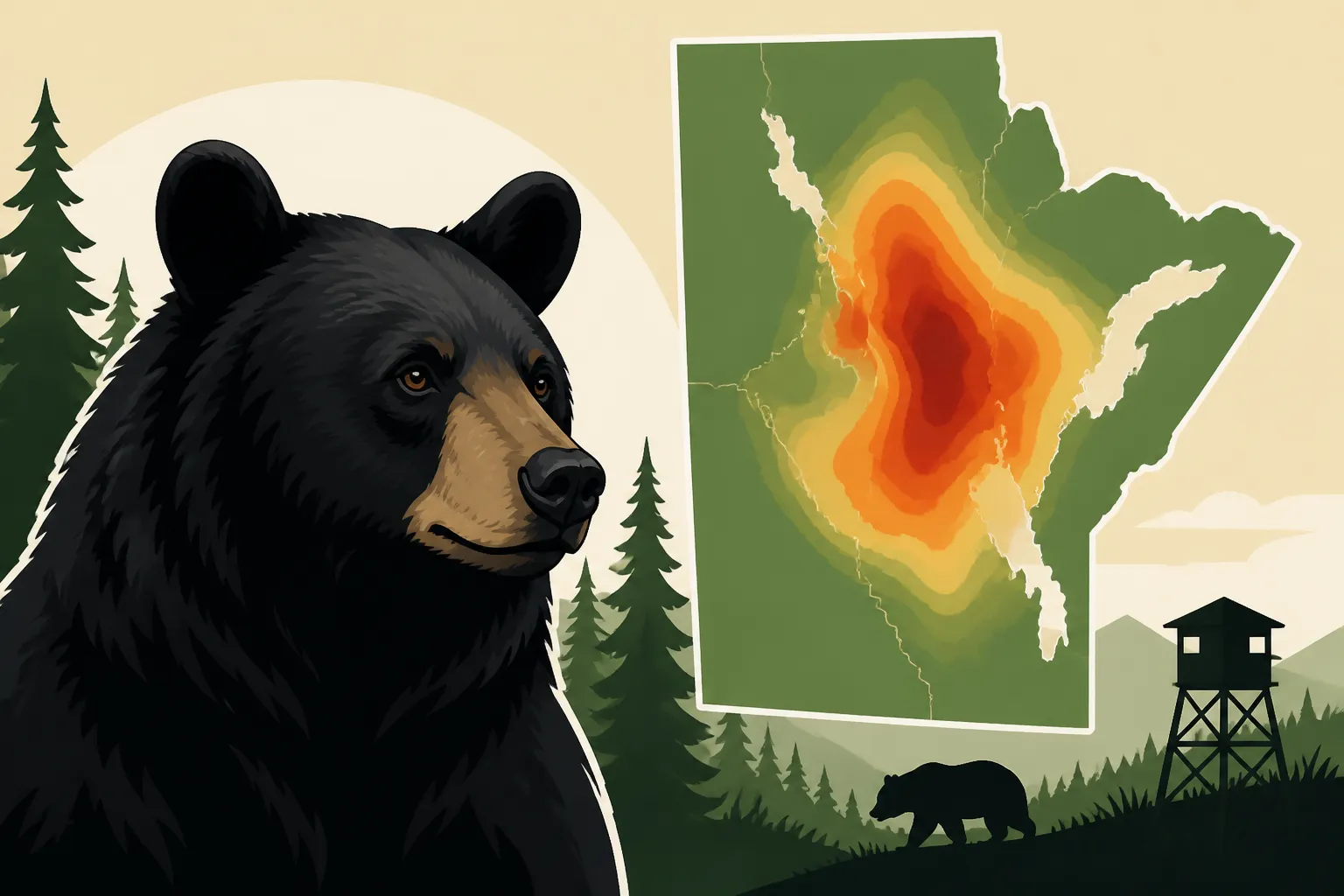
Black Bear Numbers and Where They Peak
Trying to figure out where the black bears truly are in Manitoba can feel like chasing ghosts in the bush, leaving many hunters frustrated by inconsistent sightings and uncertain patterns. It’s tough to commit time and effort when you’re not sure if you’re even in the right neighborhood. This comprehensive guide will deep dive into the fascinating world of Manitoba's black bear populations, revealing where their numbers are strongest and why, helping you understand their movements and ultimately plan your next adventure with confidence.
Understanding Manitoba's Black Bear Population Dynamics
Manitoba's black bear population is a remarkable success story, thriving across vast swathes of the province. Unlike some other big game species, their numbers have remained robust and even seen growth in many areas, a testament to effective wildlife management and abundant habitat. But understanding the overall health of the population is only part of the puzzle; knowing why they are where they are is key to finding them.
The Current State of Bear Numbers
Manitoba is home to an estimated 30,000 black bears, a truly impressive figure that speaks volumes about the quality of the habitat and the balance of the ecosystem. These numbers generally indicate a healthy, stable, and in many regions, growing population. This stability is largely due to vast, relatively untouched wilderness areas, diverse food sources, and careful management strategies by the provincial government. Hunters contribute to this management through regulated harvests, which help maintain healthy population densities and prevent overpopulation in specific regions, mitigating potential human-bear conflicts. You'll find good opportunities for Black Bear Hunting in Manitoba across numerous game hunting areas.
The province conducts surveys and monitors harvest data to keep a pulse on the bear population. What they consistently find is that bears are remarkably resilient and adaptable. They can thrive in a variety of environments, from dense boreal forests to the bush country bordering agricultural lands. This adaptability means that while certain areas are historically known as bear hotspots, new opportunities can emerge as habitat changes or food sources fluctuate from year to year. Keeping an eye on these trends is crucial for any serious hunter, and platforms like GoHunt can provide valuable insights into reported densities and harvest locations.
Factors Influencing Bear Distribution
Black bears, like all wildlife, are driven by their basic needs: food, water, and cover. Where these resources are abundant and consistently available, you'll find higher concentrations of bears.
Food is arguably the most significant driver of bear distribution. Manitoba offers an incredible smorgasbord for bears throughout the year. In spring, they seek out fresh green growth, winter-killed animals, and insect larvae. As summer progresses, berries become a primary focus – blueberries, saskatoons, raspberries, and pin cherries are all vital. Come fall, the bears turn their attention to hard mast crops like acorns and hazel nuts, and importantly, agricultural fields. Oats, corn, and even sunflower fields become prime feeding grounds, especially in the parkland and fringe zones. The availability and abundance of these food sources in any given year directly influence where bears will congregate.
Cover is equally important. Bears need dense bush, thickets, and remote forested areas for security, denning, and raising cubs. Large tracts of unfragmented forest, especially those interspersed with wetlands and rocky outcrops, provide ideal sanctuaries. Think of the vast boreal forests and the rugged terrain of the Eastern Shield, which offer endless opportunities for a bear to disappear into the wilderness. Water, too, is essential, particularly in hotter months, and bears will often be found near lakes, rivers, and secluded swamps. Minimal human disturbance in these areas allows bears to live out their lives with less pressure, leading to more settled populations and often, older, larger animals.
Prime Black Bear Territories in Manitoba
When it comes to black bears, Manitoba truly is a land of opportunity. While bears can be found across much of the province's forested regions, certain areas consistently stand out for their higher densities and potential for trophy-class animals. These prime territories are characterized by a rich blend of food, water, and extensive cover.
Boreal Forest Strongholds
The vast Boreal Forest that blankets much of central and eastern Manitoba is undoubtedly one of the strongest holdouts for black bears. This expansive wilderness, particularly areas within the Eastern Shield and the northern reaches of the province, offers everything a bear could desire. Here, you'll find endless miles of mixed forest—spruce, pine, balsam fir, and poplar—interspersed with countless lakes, rivers, and muskeg.
Regions like the Whiteshell and Nopiming Provincial Parks (with specific hunting regulations, of course), and the provincial forests like Sandilands and Duck Mountain, are classic examples. In these areas, bears feast on an abundance of natural foods. Blueberries and saskatoons grow in profusion, especially in areas with recent burns or clear-cuts that encourage new growth. The sheer scale of the landscape means less human pressure, allowing bears to reach impressive sizes and ages. Many of Manitoba's largest black bears, including impressive color phases, come from these deep bush environments. If you're looking for What a Big Boreal Black Bear Weighs, these areas are where you'll find them. The consistent food sources and minimal disturbance contribute to dense populations and the potential for exceptional bears.
Parkland and Fringe Zones
While the boreal forest is a traditional bear haven, don't overlook the parkland and fringe zones, particularly in areas like the Interlake or along the edges of the Riding Mountain National Park. These transition zones, where forest meets agriculture, can be incredibly productive for black bears, often producing some of the heaviest animals.
The appeal here lies in the rich diversity of food sources. Bears benefit from both natural forage within the bush pockets, bluffs, and river valleys, and the high-calorie bounty of agricultural crops. Fields of oats, corn, and sunflowers are like magnets for bears, especially in late summer and fall as they prepare for hibernation. They'll travel from the security of the bush into these fields at dusk and throughout the night, packing on fat for the winter. These areas can often support a surprisingly high density of bears because of this super-abundance of food. However, hunting these areas often requires careful scouting, understanding travel corridors, and securing landowner permission, as much of the land is private. Accessing these areas can be challenging, but the rewards can be substantial. You'll find many Colour Phases in Manitoba Black Bears in these regions too.
Interlake Region's Unique Bear Habitat
The Interlake region, nestled between Lake Winnipeg and Lake Manitoba, presents a unique and often underestimated environment for black bears. This area, characterized by its mosaic of dense bush, extensive marshlands, aspen parkland, and interspersed agricultural fields, provides an ideal mix of cover and caloric resources.
The abundant wetlands and marsh areas, such as those found near the Delta Marsh or Lake Francis Wildlife Management Areas, offer incredible sanctuary and a wealth of insect larvae, frogs, and other small protein sources for bears in spring and early summer. As the season progresses, the numerous bush pockets and aspen bluffs become prime feeding grounds for berries. Crucially, the Interlake is also a significant agricultural region. Bears here have learned to exploit standing crops, especially during the fall hyperphagia period, allowing them to accumulate significant fat reserves. This blend of remote, secure cover and readily available high-energy food contributes to consistently high bear densities in many parts of the Interlake. Many hunters specifically target the Interlake for its robust bear population and potential for large, well-fed animals, making it one of the Where the Highest Bear Densities Are in the province.
Identifying High-Density Bear Areas
Finding high-density bear areas isn't just about knowing what regions hold bears; it's about getting granular with your scouting and understanding what specific features on the landscape attract them. Bears are creatures of habit and opportunity, and recognizing their preferred spots can significantly increase your chances of success.
Interpreting Habitat Features
When you're trying to pinpoint those high-density pockets, start by looking at a map, whether it's a traditional paper map or a digital satellite imagery tool. What you're seeking are areas that offer a combination of dense cover, proximity to water, and diverse food sources. For example, large, unfragmented blocks of coniferous forest or thick aspen stands provide the security bears crave. Look for areas with a high density of beaver ponds, small lakes, or meandering streams, as these not only provide water but also create edge habitat that bears often utilize.
Food-wise, identify recent clear-cuts or burns from a few years back; these areas often become prolific berry patches. Old growth forests with mature oak or hazel can indicate potential hard mast crops in the fall. Beyond satellite imagery, boots-on-the-ground scouting is invaluable. Look for fresh tracks in soft ground near water sources or trails. Keep an eye out for scat, especially with remnants of berries or grain, which can tell you what they're eating and how recently they've been there. Tree rubs—where bears scratch and bite trees—are clear indicators of activity. You might also find broken branches where they’ve reached for berries or stripped bark from trees. Finding good sign gives you the confidence that bears are indeed in the area.
Utilizing Data and Local Knowledge
While personal scouting is critical, leveraging available data and the wisdom of local experts can fast-track your understanding of bear densities. Provincial wildlife agencies often conduct surveys, collect harvest data, and provide reports that can hint at general population health and regional hotspots. Websites and apps like GoHunt can be powerful tools, as they often aggregate hunter success data, reported sightings, and even habitat maps that can highlight promising areas. These digital platforms allow you to overlay property lines, topographic maps, and satellite imagery, helping you visualize potential bear habitat from your couch.
Don't underestimate the value of local knowledge either. Conversations with seasoned local hunters, trappers, or even farmers can provide invaluable, real-time information about current bear activity. They spend countless hours in the field and often notice subtle shifts in animal behavior or new feeding patterns. Outfitters who operate in specific regions also have an intimate understanding of bear movements. For instance, reputable outfits might be able to tell you about historical success rates in particular Game Hunting Areas (GHAs) and provide guidance on what to expect for Manitoba black bear season dates. While specific spots might be closely guarded secrets, general information about overall bear presence and recent activity can be freely shared and highly useful.
Here's a quick reference for general high-density bear areas in Manitoba:
| Region | Primary Habitat Features | Key Attractants | Best Hunting Times |
|---|---|---|---|
| Eastern Boreal Shield | Dense coniferous/mixed forest, lakes, rock outcrops | Blueberries, saskatoons, insect larvae, secure cover | Spring & Fall |
| Northern Boreal Forest | Vast wilderness, spruce/pine forests, muskeg, rivers | Berries, browse, small mammals, remote undisturbed areas | Spring & Fall |
| Interlake Parkland Fringe | Mixed bush, wetlands, aspen bluffs, agricultural edges | Agricultural crops (oats, corn), berries, diverse protein | Spring & Fall (especially good for fall crop feeding) |
| Duck Mountain/Porcupine Hills | Mixed forest, hilly terrain, provincial forest | Berries, nuts, forest browse, secure cover, river valleys | Spring & Fall |
| Spruce Woods | Mixed forest, sand hills, river valleys, diverse plant life | Berries, acorns, insect larvae, natural corridors | Spring & Fall |
Seasonal Movements and Feeding Patterns
Understanding the seasonal ebb and flow of a black bear's life is absolutely critical for successful hunting in Manitoba. Their movements and preferences change dramatically throughout the year, driven primarily by their relentless search for food and their biological imperatives. What works in May won't necessarily work in September, and vice-versa.
Spring Emergence and Early Season Behavior
When the snow begins to melt and the temperatures rise, usually in April or early May, Manitoba's black bears start to emerge from their dens. This is a crucial period for them; they've spent months in hibernation, losing significant body mass, and their immediate priority is to find easily digestible food. Their stomachs have shrunk, and their digestive systems need to get back up to speed. For hunters, this translates into specific patterns.
Initially, bears will seek out fresh green growth like skunk cabbage, sedges, and young grasses, which act as a natural laxative to clear their systems. They'll also actively scavenge for winter-killed animals, making them key opportunists. You might find them along south-facing slopes where the snow melts earliest, or near beaver ponds where green shoots appear quickly. This is also when males are actively ranging, seeking out sows. This early season activity is exactly what draws many hunters to Spring Bear Hunting in Manitoba. Setting up bait sites, which are legal in Manitoba, is a popular strategy during this time. Bears are often more predictable in their movements as they follow established trails from denser cover to newly emerging food sources or bait stations, making them vulnerable. Knowing When Bears Leave the Den in Spring can help you time your first scouting trips or bait setups.
Summer Foraging and Fattening Up
As spring transitions into the warmer months of June, July, and August, the bears' diet shifts dramatically. This is the time of abundant berries, and bears become veritable eating machines, focusing intensely on building up fat reserves. Blueberries, raspberries, saskatoons, and pin cherries ripen throughout the summer, providing a high-calorie feast. Bears will spend hours, often in dense, secluded patches, gorging themselves.
Their movements become less predictable during this period, as they can find food almost anywhere. They might become more nocturnal to avoid the heat and human disturbance, especially if they are feeding in more open areas. River bottoms, regenerating forest clearings, and swamp edges become prime locations. While hunting pressure is typically lower in the summer months (Manitoba's main bear seasons are spring and fall), understanding this foraging behavior is still vital for pre-season scouting or for those few areas that may have extended summer seasons. During this time, the focus shifts to protein and high-energy carbs like What Bears Eat in a Boreal Spring, which fuels their growth throughout the year.
Fall Hyperphagia and Pre-Denning
The fall, typically from late August through October, is a period of intense feeding known as hyperphagia. This is when bears are in a race against time to consume as many calories as possible before returning to their dens for winter. Their internal clocks tell them winter is coming, and every calorie counts. For hunters, this makes the fall an incredibly exciting and productive time to be in bear country. You can learn more about this period by looking into Hunting Manitoba's Fall Bear Season.
Natural food sources like acorns, beechnuts (less common in Manitoba, but possible), and hazel nuts become critical. However, in agricultural areas, the real magnet is standing or swathed grain fields. Oats, corn, and sunflower fields can draw bears from miles around. Bears will concentrate heavily in these areas, often feeding at dawn and dusk, but also throughout the night, using the standing crops for cover. This concentration makes them more vulnerable and predictable. Hunters often find success by locating these active feeding fields, scouting travel routes from nearby bush, and setting up ground blinds or treestands overlooking these food sources. Many hunters specifically look into Baiting Black Bear in Manitoba to draw them consistently to a specific location during this crucial pre-denning phase, maximizing their chances of a successful harvest before the bears finally disappear into their dens, usually in late October or November depending on the weather.
Planning Your Manitoba Black Bear Hunt
Successfully hunting black bears in Manitoba goes beyond knowing where the bears are; it involves meticulous planning, understanding access, and timing your efforts for optimal success. A well-prepared hunter has a significant advantage.
Scouting and Accessing Prime Areas
Effective scouting is the bedrock of any successful black bear hunt. This isn't just a pre-season activity; it's an ongoing process. Start by thoroughly studying maps – topographical maps to understand terrain, water features, and elevation changes; satellite imagery to identify dense cover, clearings, and potential food sources like berry patches or agricultural fields. Online tools and resources, potentially through platforms like GoHunt, can help you overlay different map layers, visualize bear travel corridors, and even locate public land boundaries or access points.
Once you have a few promising locations marked, it's time for boots-on-the-ground scouting. Look for actual bear sign: tracks in muddy areas near water, scat (which can tell you what they're eating), tree rubs, and disturbed ground where they've been rooting for grubs. Pay close attention to trails leading from thick cover to food sources. For baiting, which is a common and effective strategy in Manitoba, choosing the right location is paramount. It should be in an area with good bear activity, accessible but secluded, and offer suitable stand placement for a clean shot. Resources like Setting a Bear Bait Site in Manitoba offer detailed advice on establishing and maintaining an effective bait site. Remember to always understand the distinction between Crown land access and private land, as securing permission is essential for private property.
Timing Your Hunt for Success
Manitoba offers both spring and fall black bear hunting seasons, and each has its unique advantages and challenges. The "best" time often depends on what kind of hunt you're after and what your personal schedule allows.
Spring hunts, typically from late April to mid-June, coincide with bears emerging from hibernation. They are hungry, actively seeking food, and often more predictable in their movements as they clean out their digestive systems and transition to fresh greens and scavenged winter kill. This makes them receptive to baiting. Spring also offers the chance to see sows with cubs (which are always protected), but more importantly, it's when boars are actively roaming, seeking mates, and often presenting themselves more readily. If you're looking for a specific spring experience, consider delving into Timing a Manitoba Spring Bear Hunt. The biggest challenge in spring can be the bugs – mosquitoes and blackflies can be relentless, so proper insect protection is non-negotiable.
Fall hunts, generally from late August through October, are driven by hyperphagia – the intense pre-hibernation feeding frenzy. Bears are gorging themselves on berries, nuts, and most significantly, agricultural crops. This can be a fantastic time to hunt over natural food sources or strategically placed baits. Fall bears are typically heavier and often have denser, darker coats than spring bears, making for impressive hides. However, their movements can be less predictable than in spring, especially if natural food sources are abundant and widely dispersed. The weather can also be more variable, ranging from warm Indian summer days to cold, frosty mornings. For specific strategies during this period, explore Hunting Manitoba's Fall Bear Season.
Essential Gear for Manitoba Bear Country
Heading into Manitoba's bear country demands the right gear, both for comfort and safety. This isn't a walk in the park; it's often rugged terrain with variable weather and, of course, the presence of apex predators.
First and foremost, appropriate clothing is crucial. Layering is key, as temperatures can fluctuate wildly, especially during spring and fall seasons. Durable, quiet outerwear in camouflage patterns is ideal. For spring hunts, a high-quality head net, bug spray (with DEET or Picaridin), and even a bug suit are absolutely essential to remain comfortable and focused on your hunt. Waterproof boots are a must, as you'll likely encounter wet ground, muskeg, or stream crossings. For late fall hunts, extreme cold weather gear may be necessary, especially if you're sitting for extended periods.
Beyond clothing, think about your hunting setup. If you're baiting, a sturdy treestand or ground blind that can withstand the elements and provide good concealment is necessary. Binoculars are invaluable for scouting and identifying bears, especially at dusk. Bear spray is a non-lethal deterrent that many hunters carry for personal safety, especially when scouting in dense cover. A reliable flashlight or headlamp is critical for navigating in the dark. GPS or a good mapping app on your phone (like GoHunt's offline maps) will keep you from getting lost in unfamiliar territory. And, of course, a properly sighted-in firearm or bow suitable for big game, along with appropriate ammunition or arrows, is fundamental. Don't forget a sharp knife, game bags, and a way to retrieve your bear, as these animals are heavy, and often fall in challenging terrain.
Disclaimer
Please note that hunting regulations, season dates, and specific GHA rules can change. Always consult the official Manitoba Hunting Guide and relevant provincial resources before planning any hunting trip. This article is for informational purposes only and does not supersede official government regulations.