Where Manitoba’s Biggest Bulls Come From
The dream of a truly massive moose bull, one that makes your heart pound just looking at its massive rack, is a powerful draw for many hunters. But figuring out where these giants actually roam in a province as vast and wild as Manitoba can feel like trying to find a needle in an enormous haystack. It's not just about being in "moose country"; it's about understanding the specific ingredients that grow those exceptional bulls. This guide is here to shed light on those secret spots and the conditions that produce Manitoba's biggest moose.
Understanding Manitoba's Prime Moose Habitat for Trophy Bulls
Manitoba is a huge province, and while moose are found across a significant portion of it, not all moose country is created equal when it comes to producing truly monumental bulls. The biggest bulls don't just happen; they are a product of specific environmental conditions that provide everything they need to thrive: rich forage, mature age, and secure cover.
The Northern Boreal Forest Advantage
When you hear talk of record-book moose in Manitoba, your mind should immediately drift north, deep into the boreal forest. This isn't a coincidence. The vast, untamed wilderness of northern Manitoba offers conditions that are hard to beat anywhere else. This region provides the solitude and resources necessary for moose to grow old and develop impressive racks.
Picture endless stretches of spruce, fir, and aspen interspersed with countless lakes, rivers, and bogs. This complex mosaic of habitat is critical. The dense forest offers unparalleled security from predators and human pressure, allowing bulls to reach prime trophy age. More mature bulls generally mean larger antlers. Within this expanse, specific areas truly shine. Think about the regions north of The Pas, extending into the Grass River Country and towards the Nelson River. These aren't easy places to access, often requiring fly-in trips or extensive navigation by boat and ATV, but the reward can be immense. Here, bulls aren't pressured into premature growth or harvest, giving them years to pack on mass and antler points. When you're Hunting Moose Across Manitoba's Boreal Forest, remember that the most remote areas often hold the oldest, biggest animals.
Rich Forage and Mineral Deposits
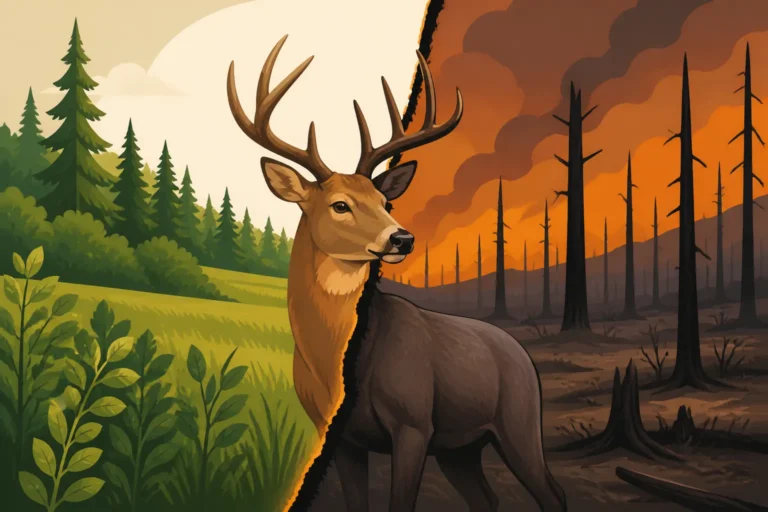
It's not enough for a bull to simply live long; he needs a consistent, high-quality diet throughout his life to reach his full genetic potential. Manitoba's prime moose habitats are characterized by a wealth of browse, particularly crucial for antler development. Young, regenerating forest growth, often following wildfires or logging activity, provides an abundance of deciduous shrubs and trees like willow, aspen, and birch, which are primary moose foods.
Areas that have seen controlled burns or selective logging operations a few years prior can be absolute magnets for moose. These new growth areas are packed with easily accessible, nutritious browse, fueling rapid body growth and, subsequently, impressive antler development. Look for these "burn and regrowth" zones, or old logging blocks where new saplings are flourishing. Additionally, regions with natural mineral licks, rich in calcium, phosphorus, and other trace elements, provide essential nutrients that directly contribute to antler mass and density. Hunters often overlook the importance of these natural mineral sources, but they are vital. A bull that can consistently access these resources, particularly through the spring and summer when antlers are growing, is more likely to carry a heavier, wider rack. Understanding What Moose Eat Through the Year can help you pinpoint these nutrient-rich locations.
The Ecosystem Factors Behind Manitoba's Record-Setting Moose
Beyond general habitat, several interconnected ecological factors play a significant role in determining where you'll find those truly monstrous moose bulls. These factors influence not just moose presence, but their health, growth rates, and ultimately, their trophy potential.
Age Structure and Genetics
For a moose to grow a truly massive rack, it needs to reach maturity, typically between 6 and 10 years old, sometimes even older. In areas with high hunting pressure or significant predation, bulls may not live long enough to express their full genetic potential. The northern boreal zones, with their lower human populations and vast, unpressured landscapes, naturally allow more bulls to reach these older age classes. This, combined with good genetics passed down through generations, means a higher likelihood of encountering truly massive animals.
It's a numbers game in a way. When you have a healthy, thriving moose population with a good age structure – meaning a mix of young, middle-aged, and older bulls – the chances of a giant emerging are much higher. These areas also tend to have strong genetic lines that produce larger body sizes and impressive antler configurations. This isn't something you can easily scout for, but it's a fundamental reason why certain remote regions consistently produce bigger animals. Wildlife management efforts, like those reflected in Manitoba's Moose Population Trend, are crucial for maintaining these healthy age structures.
Predator-Prey Dynamics and Management
While natural predators like wolves are part of a healthy ecosystem, their population levels and hunting pressure on moose can certainly impact the number of older bulls in an area. In some regions, a higher predator density might reduce the number of moose reaching advanced ages, thus limiting trophy potential. Conversely, a balanced predator-prey relationship ensures a robust and healthy moose population, as weaker animals are culled, allowing stronger, more genetically superior animals to thrive.
Manitoba's wildlife management carefully monitors these dynamics. Areas with robust moose populations and balanced predator numbers are often the ones that will consistently yield bigger bulls. This isn't about eliminating predators, but about understanding how the entire ecosystem functions. When moose populations are healthy and well-managed, even with natural predation, the opportunity for a trophy animal remains high. For non-residents, understanding Which Species Need a Manitoba Guide in these remote areas is also critical, as many northern hunts are done through licensed outfitters who understand these delicate balances.
Strategic Scouting and Hunting in Big Bull Country
Finding a monster moose isn't just about knowing the general location; it's about meticulous scouting, smart planning, and understanding moose behaviour in these prime areas. Even with the best habitat, you need a strategy to connect with these elusive giants.
Remote Access and Fly-in Hunts
The biggest bulls often inhabit the most inaccessible areas. This isn't a coincidence; lack of human pressure allows them to mature undisturbed. For many prime northern Manitoba locations, this means thinking beyond driving in. Fly-in camps and remote drop-off points accessed by float plane are often the keys to unlocking these vast, untamed territories. These areas are characterized by undisturbed wilderness, minimal hunting pressure, and plentiful natural food sources.
When considering a remote hunt, logistics are paramount. You'll need to coordinate float plane charters, understand weight limits for gear, and be prepared for true wilderness camping. Outfitters often specialize in these types of hunts, offering services that handle the complexities of remote access. They know the lakes, the rivers, and the specific bays where big moose are known to frequent. Using a service like GoHunt can help you research potential outfitters and their success rates in these remote, trophy-rich zones, giving you a better idea of what to expect from a Manitoba Moose Hunt Prices.
Focusing on Waterways and Old Cuts
Moose, especially large bulls, are often found near water. They utilize lakes, rivers, and beaver ponds not just for drinking, but for escape from insects, thermoregulation, and access to aquatic vegetation. Large, remote beaver ponds nestled deep in the boreal forest can be absolute honey holes for big bulls, particularly during the rut when they are more active and vocal. These ponds create openings in the dense canopy, fostering succulent new growth around their edges.
Beyond water, old logging cuts or burn areas that are now in a prime stage of regeneration (usually 5-15 years post-event) are crucial. These areas offer both dense cover on the edges and abundant, nutritious browse within. Scouting these areas, perhaps with the help of satellite imagery from GoHunt or by referencing Scouting With Satellite Imagery in Manitoba, can reveal hidden pockets of activity. Look for sign: heavily browsed saplings, large tracks, rub lines, and big beds. During the rut, these locations become prime spots for Calling a Bull Moose in the Rut, as bulls will be actively searching for cows. Knowing When Manitoba's Moose Rut Peaks is key to timing your hunt in these locations.
Patience and Persistence
Hunting trophy moose in Manitoba's most productive areas is a game of patience. These animals are smart, have extensive home ranges, and live in some of the densest cover imaginable. It's rare for a giant bull to just step out into the open for a convenient shot. You need to commit to long days, often still-hunting or calling patiently for hours from a strategic location near good cover and forage.
Success often comes to those who are willing to go deeper, wait longer, and adapt to the challenges of the bush. This might mean sitting for an entire day over a remote beaver pond, or slowly working through a thick block of timber. Don't get discouraged if you don't see a giant immediately. The effort required to access and hunt these prime areas often weeds out less dedicated hunters, further contributing to the older age structure of the bulls found there. This dedication, coupled with detailed map study through platforms like GoHunt to identify potential travel corridors and bedding areas, increases your odds significantly.
Key Factors for Trophy Moose in Manitoba
To help summarize, here's a quick overview of the elements that come together to produce Manitoba's biggest moose bulls:
| Factor | Description | Impact on Trophy Quality | Key Regions/Areas |
|---|---|---|---|
| Habitat Type | Remote boreal forest, mixedwood stands, lakes, rivers, extensive bogs. | Provides security, abundant browse, and escape cover for mature bulls. | Northern Manitoba, Grass River, Nelson River, remote Interlake |
| Forage Quality | Abundant young deciduous growth (willow, aspen, birch), aquatic vegetation. | Fuels rapid body growth and antler development, rich in minerals. | Post-burn/logging areas, mineral licks, riparian zones |
| Age Structure | Low hunting pressure, minimal road access, balanced predator populations. | Allows bulls to reach older age classes (6-10+ years), maximizing antler size. | Deep wilderness, fly-in access zones |
| Genetics | Inherited traits for larger body size and antler potential. | Contributes to the overall size and mass of the rack. | Consistently producing areas often have strong genetics |
| Low Pressure | Remote areas, difficult access, less human disturbance. | Allows bulls to thrive without constant stress or displacement. | Wilderness Management Areas, remote Crown Land |
Challenges and Considerations for Chasing Giants
Hunting the remote areas known for Manitoba's biggest bulls isn't without its challenges. It demands a different level of preparation and respect for the wilderness.
Logistics of Remote Hunting
Accessing the truly remote regions of northern Manitoba presents significant logistical hurdles. This isn't a hunt where you can just hop in your truck and drive down the road. Often, you're looking at flying into a remote lake or using extensive ATV trails that aren't for the faint of heart. This means careful planning for fuel, food, emergency supplies, and communication. Satellite phones or inReach devices are not luxuries; they are necessities when cell service ends far behind you.
Moreover, if you are successful, getting a What a Big Bull Moose Weighs Here out of the bush is a monumental task. Quartering an animal and packing it out by canoe, ATV, or even by hand requires immense physical effort and a well-thought-out strategy. Consider how you will handle Quartering a Moose Alone in the Bush or Getting a Moose Out With a Quad before you even head out. The sheer scale of the landscape and the density of the cover mean every step needs to be planned.
Wilderness Skills and Safety
These prime moose habitats are true wilderness, and they demand a high level of outdoor skill and safety consciousness. Navigation, especially without reliable trails, can be incredibly challenging. Knowing how to use a map and compass, in addition to GPS, is critical. Understanding Hunting Safely in Deep Winter Cold if you're on a late-season hunt, or being prepared for severe weather changes at any time, is vital.
Wildlife encounters, beyond just moose, are also a real possibility. This is bear country, and you need to be prepared with bear spray and knowledge of bear safety protocols. Proper first aid training, survival skills, and a comprehensive emergency plan are non-negotiable. Hunting a massive animal like a moose in remote terrain also means being acutely aware of your surroundings, your shooting lanes, and the potential for a wounded animal to disappear into thick cover. Respect for the land, the animals, and the challenges they present will be your greatest asset in these wild Manitoba landscapes.
Disclaimer
This article is for general informational purposes only and does not constitute professional advice. Laws, prices and regulations vary by location and change over time. Consult a qualified professional for guidance on your specific situation.