The Habitat Conservation Stamp Requirement
Navigating the myriad of regulations and fees associated with hunting can often feel like deciphering ancient texts, and one question that frequently pops up for hunters, both seasoned and new, is about the Habitat Conservation Stamp. It's easy to wonder if it's just another bureaucratic hurdle, but understanding this requirement is crucial for every hunter heading into Manitoba's incredible outdoors. This guide will meticulously break down what the Habitat Conservation Stamp is, why it matters, how to get it, and how it contributes directly to the health and future of Manitoba's wildlife and their homes.
Understanding the Habitat Conservation Stamp
Let's face it, when you're gearing up for a hunt, the last thing you want is another piece of paper or an extra fee to worry about. But the Manitoba Habitat Conservation Stamp isn't just another stamp; it's a vital cog in the machinery of wildlife preservation and habitat management across our province. It's an investment, really, one that ensures the landscapes we cherish and the game we pursue continue to thrive for generations to come.
What Exactly Is It and Why Does it Exist?
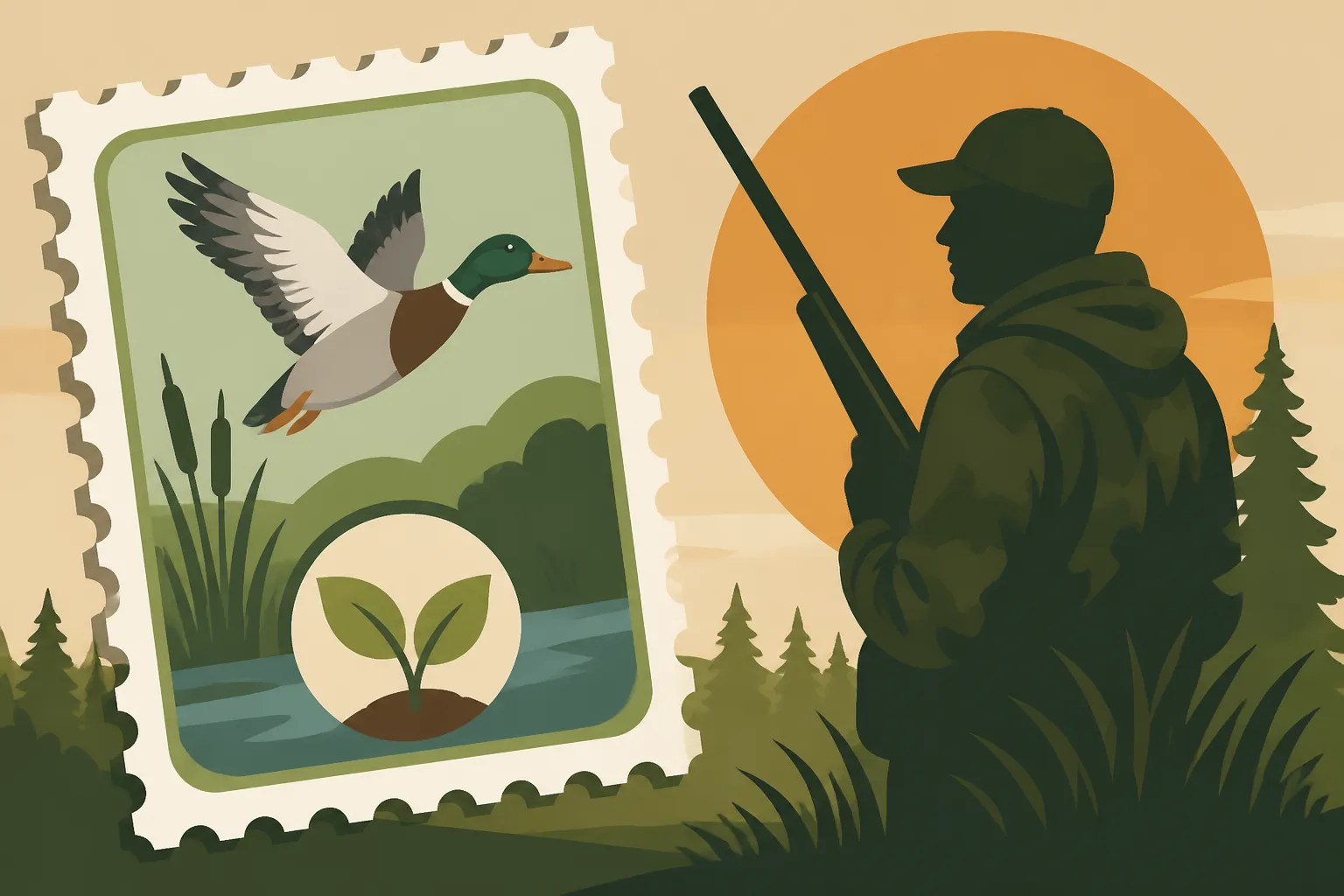
At its core, the Manitoba Habitat Conservation Stamp is a mandatory purchase for most hunters participating in game hunting within the province. It's essentially a special fee, collected provincially, that is specifically earmarked for wildlife habitat conservation initiatives. Think of it as your direct contribution to ensuring ducks have healthy wetlands to nest in, whitetails have dense cover for bedding, and moose have thriving boreal forests to browse. It’s an acknowledgment that hunting isn't just about the harvest; it's about being an active participant in maintaining the very ecosystems that support these animals.
Historically, hunters have always been the original conservationists, pushing for regulations and funding mechanisms to protect wildlife long before broad public awareness. The Habitat Conservation Stamp continues this legacy. It was established to create a dedicated funding stream, separate from general government revenue, ensuring that money raised from hunting directly benefits the land and its creatures. While it might sometimes feel like "just another fee" when you're calculating your total Manitoba Hunting Licences and What They Cost, it's designed with a very tangible and important purpose: to put boots on the ground, literally and figuratively, for habitat projects. Without these dedicated funds, many critical habitat restoration, land acquisition, and research projects would simply not happen.
Who Needs to Buy One?
This is a common point of confusion, so let's clear it up. Generally speaking, if you plan to hunt any game bird or big game species in Manitoba, you are required to purchase the Habitat Conservation Stamp. This applies universally to both Manitoba resident hunting licence options and non-resident hunters alike. It's not species-specific in the way a migratory bird stamp might be, but rather a blanket requirement for participation in most hunting activities.
So, whether you're heading out for White-Tailed Deer, Manitoba's Most Hunted Animal, or planning a trip for Moose Across Manitoba's Boreal Forest, or even chasing after Manitoba's Ducks and Geese by Flyway, this stamp is a prerequisite. There are very few exceptions. For instance, if you're solely trapping furbearers under a specific trapping licence and not engaging in any other form of hunting, the stamp may not apply. However, for the vast majority of hunters purchasing a general big game or game bird licence, the stamp is an integral part of their legal hunting package. It's typically purchased concurrently with your primary licence, making it fairly straightforward to ensure you're compliant. Always double-check the current regulations, as requirements can occasionally be updated, but for all practical purposes, assume you need one if you're heading afield with a firearm or bow for game.
How Your Funds Contribute to Conservation
It's natural to wonder, "Where exactly does my money go?" This stamp isn't just about collecting funds; it's about putting them to work. The revenue generated from the sales of the Habitat Conservation Stamp is directed into the Manitoba Habitat Heritage Corporation (MHHC), a non-profit organization dedicated to conserving, restoring, and enhancing fish and wildlife habitat in the province. This direct allocation model ensures transparency and accountability, allowing hunters to see the tangible results of their contributions.
The MHHC, funded significantly by this stamp, undertakes a wide array of projects critical to Manitoba's ecosystems. These include:
- Wetland Restoration and Enhancement: This is huge for waterfowl and numerous other species. Funds are used to restore drained wetlands, enhance existing ones, and manage water levels to create optimal breeding and staging habitats for ducks, geese, and migratory birds. This directly supports the health of populations for hunters pursuing Waterfowl Hunting Manitoba's Grain Fields or Marsh Hunting Ducks in the Interlake.
- Grassland Preservation: Native grasslands are vital for upland birds like Sharp-Tailed Grouse, as well as providing crucial nesting cover for ducks and fawns. The stamp helps fund programs that protect and enhance these diminishing habitats, often through working with private landowners.
- Forest Habitat Management: For big game like deer, moose, and bear, healthy forest ecosystems are paramount. Funds support sustainable forestry practices, creating diverse age classes of timber, and protecting critical wintering yards and browse areas. Projects might involve planting trees, managing invasive species, or creating openings that benefit wildlife.
- Land Acquisition and Securement: In some cases, prime habitat is purchased or secured through conservation easements to ensure its permanent protection from development or harmful land use practices. This creates permanent Public Hunting Land in Manitoba, accessible to everyone, and ensures vital corridors and breeding grounds remain intact.
- Research and Monitoring: Understanding wildlife populations and their habitat needs is essential for effective conservation. A portion of the funds supports scientific research, surveys, and monitoring programs that inform management decisions, helping to understand why Manitoba Deer Numbers Swing or how to mitigate the effects of Winter Kill and Game Numbers.
By purchasing the Habitat Conservation Stamp, you become an active partner in these vital initiatives. It’s a direct, measurable way that hunters support the long-term sustainability of the resources they enjoy.
The Process of Acquiring Your Stamp
While the concept of the Habitat Conservation Stamp is clear, the actual process of getting it and ensuring you're legally compliant in the field needs a bit of explanation. Thankfully, it's designed to be as integrated and straightforward as possible with your other licence purchases. No one wants to miss out on a hunt because of a technicality!
Where to Purchase Your Stamp
Gone are the days when you had to physically visit a specific government office or authorized vendor to buy every single stamp and permit. Modern convenience has made acquiring your Manitoba Habitat Conservation Stamp much simpler. The primary way most hunters obtain it now is directly through the Manitoba's online licence portal. When you go to buy your annual hunting licence – whether it's for deer, bear, or waterfowl – the system will automatically prompt you to add the Habitat Conservation Stamp to your cart. It's typically an integrated purchase, appearing as an additional line item on your transaction. This is by far the most convenient method for most hunters, allowing them to complete their licensing from home, any time of day.
However, if you prefer a more traditional route, you can still purchase your stamp, along with your other licences, from authorized licence vendors across the province. These include many sporting goods stores, bait shops, and some general stores in rural areas. It's always a good idea to call ahead to ensure they are set up to issue hunting licences and the accompanying stamp. For those who might be travelling from out of province, or even internationally, working with a reputable outfitter often means they'll assist you with the entire licensing process, including the stamp, taking some of the guesswork out of it.
Integrating it with Your Hunting Licence
The beauty of the current system is that the Habitat Conservation Stamp isn't usually a separate, physical stamp you have to meticulously glue onto your licence, as was once the case with some federal permits. Instead, it's digitally integrated into your overall hunting licence document. When you purchase your licences online, the Habitat Conservation Stamp will be noted on your printed licence as an item you've acquired. It's part of the comprehensive document that shows your name, licence type, and validity dates.
This seamless integration simplifies things considerably. You don't have to worry about losing a tiny sticky stamp or ensuring it's properly affixed. Your single printed licence document or digital copy serves as proof of all your required permits, including the Habitat Conservation Stamp. It's important to remember that this provincial stamp is distinct from the federal migratory game bird permit, which is another crucial document for those pursuing ducks and geese. You'll need both if you're migratory bird hunting.
Ensuring You're Compliant in the Field
Being compliant in the field means having proof that you've purchased your Habitat Conservation Stamp, along with all other required licences and tags. Manitoba regulations are clear that you must carry your valid hunting licence, including proof of your Habitat Conservation Stamp, while actively hunting.
For most hunters today, this means carrying a printed copy of their licence that clearly shows the stamp as part of the purchase. Many hunters also keep a digital copy on their smartphone, which is generally accepted, but always ensure your device is charged and protected from the elements. Imagine being deep in the bush, miles from your vehicle, and your phone dies just as a conservation officer approaches – not ideal! A physical printout is always a reliable backup, especially when you're in areas with no cell service, which is common in many of Manitoba's Game Hunting Areas.
When a Conservation Officer requests to see your licence, they'll be checking not only your primary big game or game bird licence but also confirmation of the Habitat Conservation Stamp. Failure to have it could result in a fine or other penalties. This isn't about being punitive; it's about ensuring everyone is contributing to the shared responsibility of conservation. Just like you ensure you have your proper Manitoba Big Game Season Dates or Manitoba Game Bird Seasons and Limits noted, make sure your stamp is in order. Using tools like GoHunt, for example, can help you keep track of all your regulations and even aid in scouting a Manitoba Game Hunting Area, ensuring you're prepared on all fronts.
| Feature | Manitoba Habitat Conservation Stamp | Federal Migratory Game Bird Permit (Canadian Wildlife Habitat Conservation Stamp) |
|---|---|---|
| Issuing Authority | Province of Manitoba | Government of Canada (Environment and Climate Change Canada) |
| Purpose | Funds provincial wildlife habitat initiatives | Funds federal migratory bird conservation across Canada |
| Who Needs It | Most hunters of big game and game birds in Manitoba | Anyone hunting migratory game birds (ducks, geese, cranes, etc.) in Canada |
| Where to Buy | Manitoba's online licence portal, authorized vendors | Canada Post, online through Environment and Climate Change Canada |
| Cost | ~$5 – $10 (varies slightly) | ~$17.00 |
| Integration | Noted on provincial hunting licence document | Separate stamp, often available digitally or physically from Canada Post |
Broader Implications for Manitoba Hunters
The Habitat Conservation Stamp is more than just a regulatory hurdle; it's a profound statement about the role of hunters in conservation and the long-term health of Manitoba's wild places. Understanding its broader implications helps us appreciate its value and encourages continued support for these vital programs.
The Collective Impact on Manitoba's Wildlife
The cumulative effect of thousands of hunters purchasing this stamp each year is truly significant. When you consider the sheer volume of hunters heading out into the field for White-Tailed Deer, Manitoba's Most Hunted Animal, or those taking part in Waterfowl Hunting Manitoba's Grain Fields, the funds add up quickly. This money forms the backbone of many habitat projects that might otherwise struggle for funding. The continuous investment in habitat restoration, land acquisition, and scientific research means healthier ecosystems and more robust wildlife populations.
For example, extensive wetland projects funded by the stamp create critical breeding habitat, ensuring a strong annual recruitment of ducks and geese. This directly benefits waterfowl hunters year after year. Similarly, grassland initiatives provide vital fawning cover for deer and nesting areas for Sharp-Tailed Grouse, species that are highly valued by hunters and photographers alike. When you're out there hunting a Manitoba Bush Edge or hunting a frozen slough crossing, you're experiencing the direct benefits of these investments. It's a self-sustaining cycle where hunters' dollars fuel conservation, which in turn sustains the hunting opportunities we cherish. Without this dedicated funding stream, the quality and quantity of habitat would undoubtedly decline, leading to reduced game populations and, ultimately, fewer hunting opportunities.
Distinguishing from Other Federal Stamps
One area where hunters often get a little mixed up is differentiating between the provincial Habitat Conservation Stamp and the federal migratory game bird permit (often still referred to colloquially as the "duck stamp," though it's more comprehensive than that). Both are stamps, both contribute to conservation, and both are crucial for specific hunting activities, but they serve different jurisdictions and purposes.
The Manitoba Habitat Conservation Stamp (the focus of this article) is a provincial requirement. Its funds stay within Manitoba and are specifically directed by the Manitoba Habitat Heritage Corporation for provincial land and wildlife initiatives, as detailed earlier. It's required for most hunting in Manitoba, regardless of species.
The Federal Migratory Game Bird Permit is a federal requirement, issued by the Government of Canada. This permit, which includes a Canadian Wildlife Habitat Conservation Stamp, is only required if you are hunting migratory game birds such as ducks, geese, woodcock, snipe, or Sandhill Cranes. The funds from this federal permit are allocated across Canada to support national migratory bird habitat conservation efforts. So, if you're planning on hunting geese over a big spread in Manitoba, you'll need your regular Manitoba hunting licence, your provincial Habitat Conservation Stamp, and your federal migratory game bird permit. It’s a bit of a layered system, but each layer plays its own distinct and important role in the broader conservation landscape. Understanding the specifics helps you avoid any last-minute scramble or, worse, being caught without the correct documentation.
The Future of Conservation Funding
The Habitat Conservation Stamp represents a forward-thinking model for funding conservation that relies heavily on the direct contributions of those who benefit most from healthy wildlife populations: hunters. As landscapes change, development pressures increase, and climate patterns shift, the need for robust, dedicated conservation funding only grows. The stamp ensures that there's always a financial engine powering these essential efforts.
Looking ahead, the importance of this kind of funding will only intensify. With more people engaging with the outdoors, and the increasing need for land stewardship, the funds from the stamp are crucial for maintaining the ecological balance of our province. Programs like those supported by the MHHC are constantly adapting, whether it’s through new scientific methods for habitat improvement, or strategic land acquisitions. These efforts help ensure healthy populations of game for future generations, maintain biodiversity, and provide ongoing opportunities for hunters to participate in activities like Upland Bird Hunting in Manitoba or pursuing predators across Manitoba. It's a testament to the fact that hunters aren't just consumers of wildlife resources but are, in fact, their staunchest and most effective protectors. Your small contribution through this stamp is a direct investment in the long-term health and vitality of Manitoba's wild heritage.
Disclaimer
The information provided in this guide is for general informational purposes only and does not constitute legal advice. Hunting regulations, licence requirements, and fees in Manitoba are subject to change. Hunters are responsible for consulting the most current official Manitoba hunting guide, regulations, and statutes published by the provincial government (Manitoba Environment and Climate Change) before engaging in any hunting activities. Always ensure you are fully compliant with all federal and provincial laws.