Manitoba Duck Season Dates
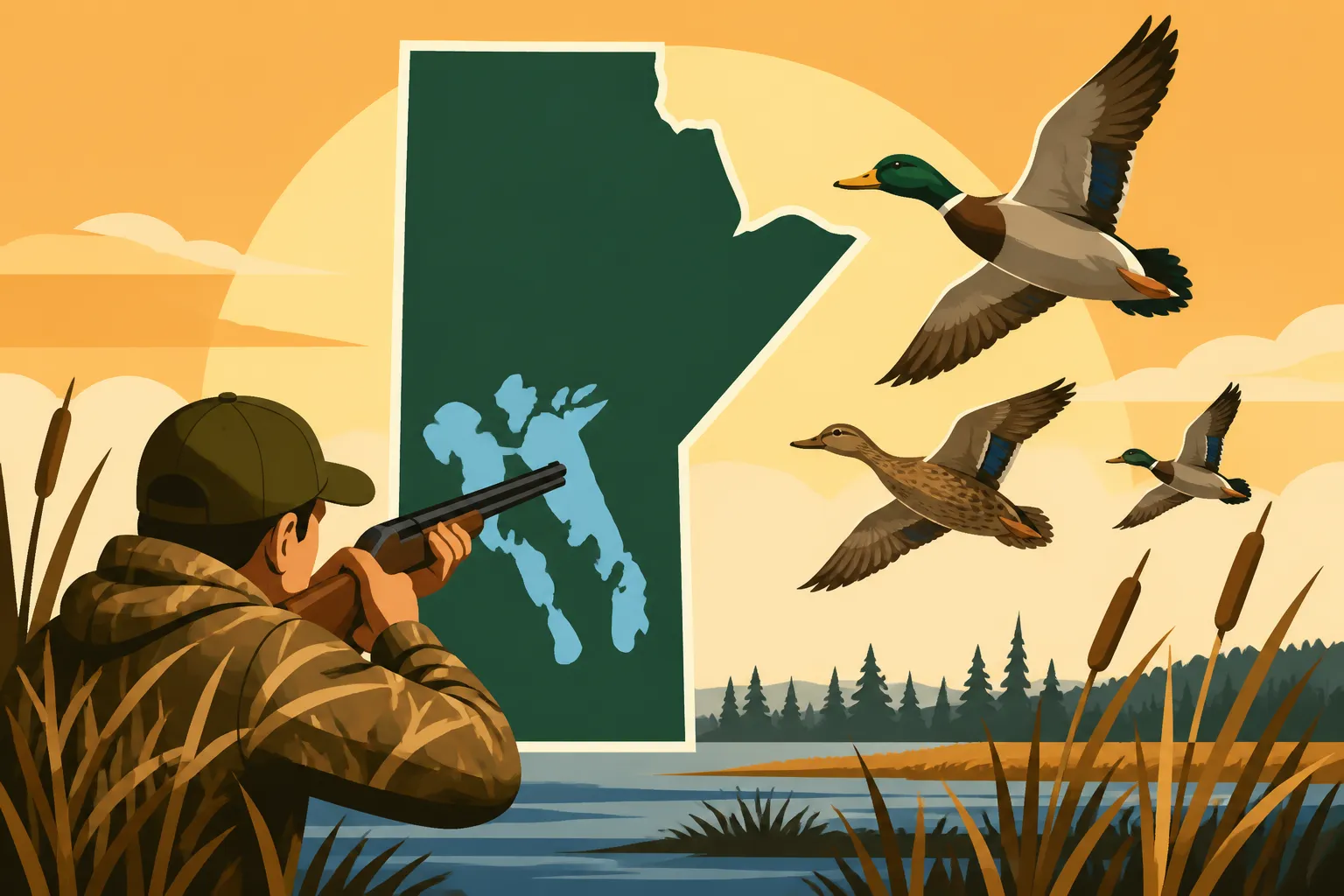
The excitement of duck season in Manitoba is palpable, but the confusion around exact season dates can quickly turn that excitement into a headache. Many a keen waterfowler has found themselves scrambling to confirm opening days, bag limits, and specific zone regulations, often feeling like they need to be a legal expert just to get out in the blind. This comprehensive guide is here to untangle the complexities of Manitoba's duck season dates, ensuring you're ready and legal for your next hunt.
Understanding Manitoba's Game Bird Hunting Zones
Before we dive into the specific dates, it’s absolutely vital to understand that Manitoba isn't just one big, uniform hunting area. For migratory game birds, including ducks, the province is divided into two distinct zones: Game Bird Hunting Zone 1 and Game Bird Hunting Zone 2. This zoning isn't just some bureaucratic whim; it’s a strategic decision made to account for the varying migration patterns and population dynamics of waterfowl across our vast landscape.
Imagine standing on the wide-open prairie of the Red River Valley compared to the dense boreal forest of Northern Manitoba. The ducks moving through these areas, and the timing of their migrations, can be drastically different. Zone 1 typically covers the southern, more agricultural parts of the province, where birds arrive earlier and stage longer on their way south. Zone 2 encompasses the more northern reaches, where the season generally starts a bit earlier to catch resident birds before the major pushes from further north arrive, and also accommodates the earlier freeze-up common in those regions. Getting these zones mixed up could mean hunting out of season, or worse, missing out on prime hunting opportunities because you misinterpreted the rules. Always consult an up-to-date map or a digital mapping application for the precise boundaries, as even a quarter-section can make a difference.
General Duck Season Dates by Zone
Manitoba's duck season dates generally offer a fantastic window of opportunity, running from early September right into December in some areas. However, these dates are highly dependent on which of the two zones you plan to hunt in. It's not uncommon for hunters to have separate plans, or even two different sets of gear, ready for trips to both zones as the season progresses.
Typically, Zone 2, covering the northern regions, opens slightly earlier than Zone 1. This is designed to allow hunters to target early migrating waterfowl and resident populations before the weather really turns cold and ice starts to form on smaller water bodies. Think about those crisp, cool mornings in late August or early September where the local ducks are abundant, and the first northern birds are just starting to push through. For those who enjoy a true northern adventure, this early opener in Zone 2 can be a real treat. For those who enjoy Marsh Hunting Ducks in the Interlake, Zone 1 will be their focus.
Zone 1, which covers the majority of the agricultural belt and the more heavily hunted areas closer to population centers, usually opens a week or two later. This timing is critical because it coincides with the main wave of migration, especially for species like mallards and pintails that are moving south from their northern breeding grounds. Hunters in Zone 1 often experience incredible flights through September and October, especially when the weather conditions are right, pushing new birds into the area daily. Late November and December can still offer fantastic hunting, particularly in areas with open water like rivers or spring-fed sloughs, often presenting opportunities for Hunting a Frozen Slough Crossing for those late-season tough birds.
Here’s a general overview of typical season dates for ducks in Manitoba, but please remember, these dates can shift slightly year to year. Always confirm with the official Manitoba Hunting Guide for the current season.
| Species Group | Game Bird Hunting Zone 1 (South) | Game Bird Hunting Zone 2 (North) |
|---|---|---|
| Ducks | Early Sept. – Mid-Dec. (approx.) | Late Aug. – Mid-Dec. (approx.) |
| Specific Dates (Example based on recent years) | ||
| Ducks (excl. scoters, eiders, long-tailed ducks) | Sept. 10 – Dec. 16 | Sept. 1 – Dec. 16 |
| Scoters, Eiders, Long-tailed Ducks (Sea Ducks) | Sept. 10 – Dec. 16 | Sept. 1 – Dec. 16 |
It’s worth noting that the closing date often remains the same for both zones, effectively allowing hunters across the province to pursue waterfowl well into the colder months. This late season hunting can be incredibly rewarding, especially for hardy birds like mallards and goldeneyes, but it also demands a different approach and gear for Hunting Safely in Deep Winter Cold.
Daily Bag and Possession Limits for Ducks
Understanding when you can hunt is only half the battle; knowing how many birds you can legally take is equally crucial. Manitoba's regulations include specific daily bag limits and possession limits for ducks, which are designed to manage populations sustainably. Ignoring these limits isn't just unethical; it's illegal and can carry significant penalties.
The daily bag limit refers to the maximum number of birds you can harvest in a single day. The possession limit, on the other hand, is the maximum number of birds you can have in your possession at any given time, whether they are freshly shot, stored in a cooler, or in your freezer at home. For ducks, the possession limit is generally three times the daily bag limit. This allows hunters to take multi-day trips and store their birds responsibly without exceeding legal limits.
Manitoba often employs an aggregate daily bag limit for ducks, meaning a total number of ducks you can take regardless of species, but with sub-limits for certain species. This is where it can get a little tricky, and why paying close attention to species identification is paramount. For instance, while the general daily bag limit for ducks might be eight, there could be a specific sub-limit for pintails (e.g., one pintail per day) or mallards (e.g., four mallards, only two of which can be hens). This means you could shoot seven other ducks and one pintail, but not two pintails, even if your total duck count is still under eight. You can learn more about these specifics in articles like Duck Daily Bag Limit by Species.
The rationale behind these sub-limits is typically conservation-driven. Species that are experiencing population declines or are slower to reproduce will have stricter limits to aid in their recovery. Hunters have a responsibility to know their ducks well, both in flight and on the water, to ensure they comply with these rules. It’s also wise to keep birds identifiable during transport, especially until you’ve reached your final destination or processed them. Removing wings or heads can sometimes make identification difficult for a conservation officer.
Essential Regulations Beyond Season Dates
While knowing the season dates and bag limits is fundamental, there’s a whole raft of other regulations that every duck hunter in Manitoba needs to be intimately familiar with. Missing even one of these details can turn a successful hunt into a costly lesson.
Federal Migratory Game Bird Hunting Permit and Habitat Conservation Stamp
First and foremost, to hunt migratory game birds in Canada, you must possess a valid Federal Migratory Game Bird Hunting Permit. This isn't just a Manitoba thing; it's a federal requirement. You'll also need to purchase the Canadian Wildlife Habitat Conservation Stamp. These two items go hand-in-hand, with the funds from the stamp directly supporting wetland and waterfowl conservation efforts across the country. It’s a small investment for the immense privilege of hunting these incredible birds. You can often purchase these online or at designated vendors. Make sure you understand the requirements for The Federal Migratory Game Bird Permit and The Habitat Conservation Stamp Requirement.
Non-Toxic Shot Requirements
This is non-negotiable: all hunters pursuing migratory game birds in Manitoba must use non-toxic shot. This regulation has been in place for years to protect waterfowl and other wildlife from lead poisoning, which can occur when birds ingest spent lead pellets. Steel shot is the most common and widely available non-toxic alternative, but bismuth, tungsten, and other alloys are also legal and effective options. Never, under any circumstances, use lead shot for duck hunting in Manitoba. Make sure you're stocked up on approved ammunition, as outlined in Non-Toxic Shot Requirements for Waterfowl.
Shooting Hours
Waterfowl hunting in Manitoba, like all game hunting, adheres to specific shooting hours. Generally, these hours extend from one-half hour before sunrise to one-half hour after sunset. This is critical for safety and fair chase. Hunting outside these hours is strictly prohibited. Always carry a reliable light source and know the precise sunrise and sunset times for your specific location on the day you plan to hunt. Many hunters rely on apps on their smartphones or a watch with an accurate sunrise/sunset calculator.
Decoys, Blinds, and Other Equipment
While generally less restrictive than other regulations, there are rules around the use of decoys and blinds. For instance, using live decoys is strictly prohibited. Electronic calls that imitate waterfowl are also illegal for hunting migratory game birds. Most hunters use static decoys made of plastic or foam, and these are perfectly fine. When it comes to blinds, natural cover is always your best bet, but manufactured blinds are also widely used. Just ensure your blind location is on legal hunting ground, especially if you're Hunting Whitetails on Manitoba Crown Land or Getting Permission for a Goose Field.
Checking the Official Hunting Guide
Every year, the provincial government publishes the Manitoba Hunting Guide. This guide is your ultimate, official source for all current regulations, season dates, bag limits, and any recent changes. While online resources and apps like GoHunt can be incredibly useful for quickly checking information or digitally scouting new spots, they should always be cross-referenced with the official guide. Laws can change, and a quick check on a reliable platform like GoHunt can confirm these nuances, but the government's publication is the final word. It's a hunter's responsibility to know and abide by these rules, and ignorance is never a valid defense. Always keep a copy, digital or physical, accessible when you're in the field. Leveraging digital mapping resources, like what GoHunt provides, can significantly improve your chances of finding productive ground and knowing whether it's public or private, making your Scouting Fields for Manitoba Waterfowl efforts much more efficient.
For those planning a trip, resources like GoHunt can be incredibly helpful for digital scouting, identifying potential access points, and marking promising marsh edges where Which Ducks Nest in Manitoba's Potholes may be present. However, always double-check the official Manitoba hunting guide, and if you use a planning app, make sure your GoHunt data is up-to-date with the latest provincial regulations. Understanding these layers of information is what separates a prepared hunter from one who might encounter unexpected challenges. Tools such as GoHunt also allow you to overlay property lines, helping you avoid accidental trespass, which is crucial whether you're targeting ducks or big game like when Black Bear Hunting in Manitoba. This attention to detail will ensure a safe, enjoyable, and legal duck hunting experience in Manitoba.
Disclaimer
Please remember that hunting regulations, season dates, and bag limits can change. It is the individual hunter's responsibility to review and understand the most current official Manitoba Hunting Guide and federal migratory bird regulations before participating in any hunting activity. This guide is for informational purposes only and does not constitute legal advice.