Minimum Age to Hunt in Manitoba
It’s a truly special moment when you think about bringing a younger family member into the fold of Manitoba’s hunting traditions. But let's be honest, figuring out the specific rules and regulations surrounding the minimum age to hunt in Manitoba can feel like a maze, full of conflicting information and a lot of "what ifs." Parents and guardians often worry about doing things correctly, ensuring safety, and providing the best possible start for their aspiring hunters. This comprehensive guide will walk you through everything you need to know, from initial hunter education to supervised field experiences, so you can confidently introduce the next generation to our incredible outdoor heritage.
The Essential First Step: Hunter Education Requirements
Before anyone, young or old, can even dream of heading into Manitoba's rich hunting grounds, there’s a critical requirement that needs to be met: completing a certified hunter education course. This isn't just about ticking a box; it's about instilling a foundational understanding of firearm safety, wildlife conservation, ethical hunting practices, and the legal framework that keeps everyone safe and preserves our resources. For young hunters, this is the very bedrock of their journey.
Understanding the Hunter Education Course Age
In Manitoba, a prospective hunter can actually begin their hunter education journey at a surprisingly early age. To enroll in a recognized hunter education course, a young individual needs to be at least ten years old. This early start is fantastic because it allows kids to absorb crucial safety principles and legal knowledge well before they’re old enough to actually carry a firearm in the field or apply for a licence. Think of it as laying the groundwork – giving them plenty of time to learn and understand the responsibilities that come with hunting.
The course itself covers a wide array of topics, from proper handling of firearms and bows to understanding different species, identifying legal game, and even basic survival skills. It often involves both classroom learning (or online modules) and practical components. Successfully completing this course earns them their Hunter Education Certificate, which is a mandatory credential for anyone applying for their first hunting licence in the province. Without this certificate, there's no path forward, making it the non-negotiable first hurdle. Many parents find this a great opportunity to learn alongside their child, reinforcing the lessons and setting a good example. You can find more details on this process by checking out our guide on Manitoba Hunter Education Requirements.
The Progression to Getting a Hunting Licence
While the hunter education certificate can be obtained at age ten, it doesn't immediately grant the ability to hunt with a firearm. There's a logical progression designed to ensure young hunters gain experience safely and under close guidance. A Minor's Hunting Licence is the next significant step. This licence becomes available when the youth reaches 12 years of age. However, this isn't a licence for independent hunting. It strictly requires the minor to be under the direct supervision of an adult who holds a valid hunting licence and is at least 18 years old. This adult supervisor takes on full responsibility for the minor's actions and ensures all safety protocols are followed to the letter.
The minor's licence is a fantastic opportunity for kids to get out into the field with a parent or guardian, learn the ropes firsthand, and apply what they’ve learned in their hunter education course. They can hunt small game and migratory birds under supervision, and for big game, depending on the specific Game Hunting Area (GHA) and season dates, they can participate as well. It’s during these supervised hunts that real-world experience is gained, teaching them about tracking, field dressing, understanding animal behaviour, and the sheer patience required. It's truly a mentorship period, allowing them to slowly build confidence and competence. For those curious about the financial aspect, our post on Manitoba Resident Hunting Licence Cost breaks down the costs involved for various licences, including those for youth.
Mentored Hunting Opportunities: Learning by Doing
Manitoba places a strong emphasis on mentorship, recognizing that hands-on experience guided by a seasoned hunter is invaluable. The provincial hunting regulations are structured to encourage this, providing clear pathways for young, aspiring hunters to gain practical experience safely under the watchful eye of an experienced adult. This supervised environment is crucial for developing safe habits and ethical decision-making in the field.
The Power of the Mentored Youth Hunting Program
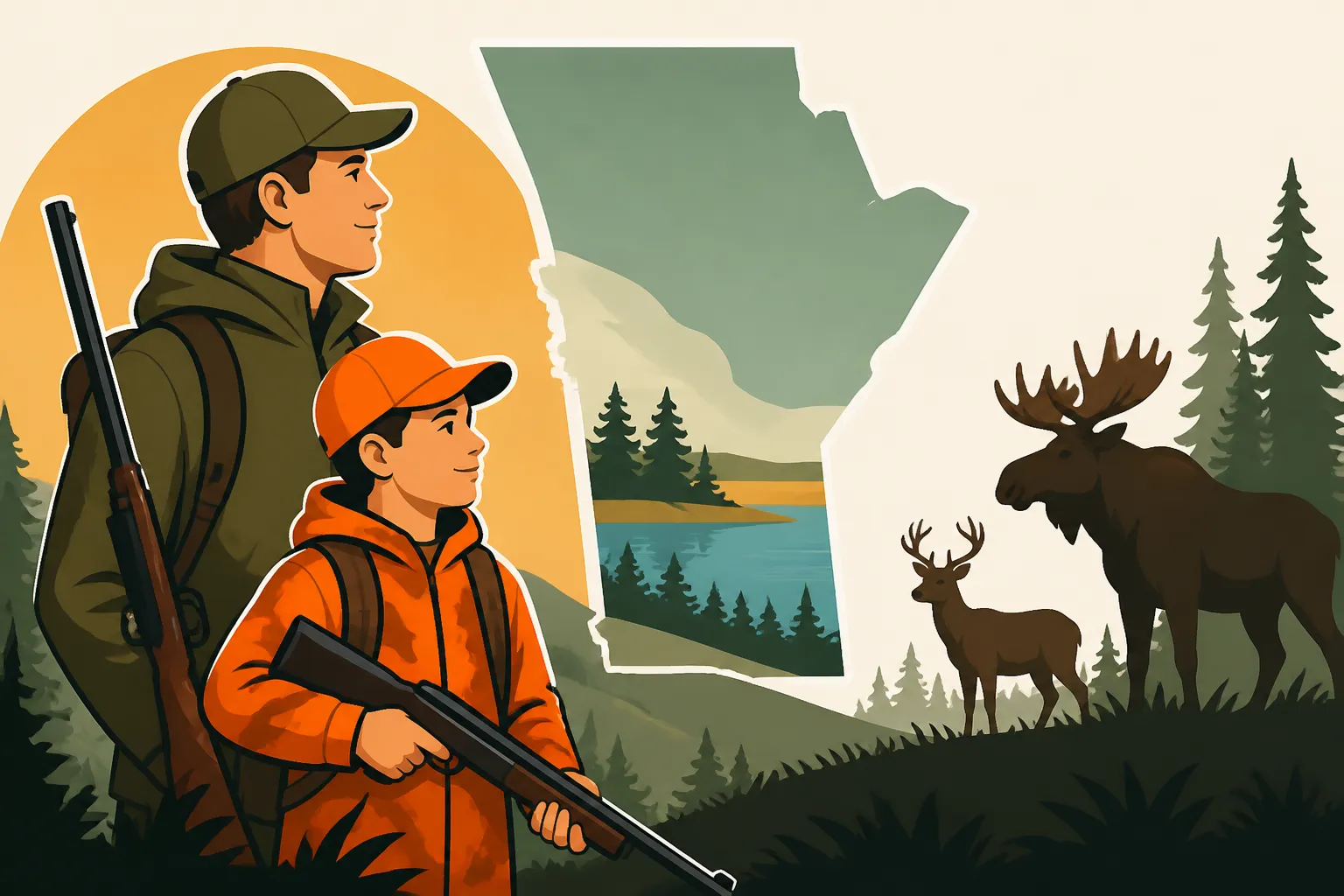
Manitoba actively promotes a Mentored Youth Hunting Program, which is essentially the framework for those 12 to 15 years of age to legally participate in hunting. This program is a cornerstone of introducing youth to big game hunting specifically. Under this program, a youth hunter (aged 12-15) can hunt big game (like deer, bear, or even moose if they’re drawn for a tag, under strict conditions) provided they are directly supervised by an adult mentor. The mentor must be 18 years or older, hold a valid hunting licence, and be adequately experienced to guide the youth safely and effectively. This means understanding the species, the terrain, and most importantly, firearm safety.
The beauty of this program lies in its allowance for younger individuals to immerse themselves in the full hunting experience, from scouting to tracking to field dressing, all while learning from a knowledgeable adult. This isn't just about pulling a trigger; it's about understanding the entire ecosystem, the animal's habits, and the responsibility that comes with being a hunter. It’s an opportunity to build a connection with nature and learn valuable life skills. You can delve deeper into the specifics of this invaluable program in our article on Manitoba Youth and Mentored Hunting.
Navigating Supervised Hunting Regulations
The term "direct supervision" isn't just a suggestion; it's a legal requirement with specific implications. For a minor hunting under supervision, the adult mentor must be close enough to the youth to provide immediate assistance, guidance, and take control of the firearm or bow if necessary. This typically means being within arm's reach or a very short distance, capable of communicating clearly and seeing exactly what the youth is doing. The mentor is legally responsible for ensuring the youth adheres to all hunting laws, including bag limits, hunting hours, and firearm handling rules. This means no wandering off, no taking shots without explicit guidance, and constant communication.
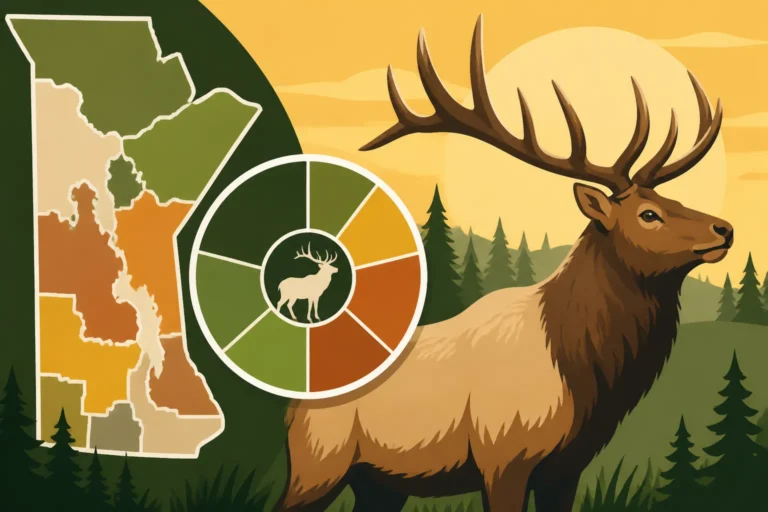
It's also essential to consider the type of game being pursued and the specific GHA (Game Hunting Area). Different GHAs might have unique regulations or special conditions that apply. Before any hunt, it's paramount for the mentor to review the current hunting guide and, if necessary, check with Manitoba Conservation for any specific local rules. Platforms like GoHunt can be incredibly helpful for consolidating this information, allowing you to quickly look up GHA maps, season dates, and specific regulations for various species. This due diligence ensures everyone stays safe and within the bounds of the law. You can explore how these areas are defined in Manitoba's Game Hunting Areas.
Building Confidence: Independent Hunting and Practical Advice
The transition from supervised hunting to independent hunting is a significant milestone for any young hunter. It signifies a level of competence, responsibility, and confidence that has been honed through years of mentorship and practical experience. Understanding when this transition officially occurs and what it entails is crucial for continued safe and ethical hunting.
When Independence Becomes a Reality
In Manitoba, a hunter is generally considered capable of hunting independently – that is, without requiring direct adult supervision – once they reach the age of 16. At this point, having already completed their Hunter Education course and likely accumulated valuable field experience through the Minor's Hunting Licence and Mentored Youth Hunting Program, they can apply for a full resident hunting licence. This licence allows them to hunt without the constant, immediate presence of a supervising adult, provided they adhere to all other provincial and federal hunting regulations.
This shift to independence doesn't mean the learning stops. It simply means the primary responsibility now rests squarely on the young hunter’s shoulders. Many experienced hunters will tell you that even after decades in the field, they are still learning. It's a journey of continuous improvement, and the best way to foster this is through ongoing self-education, ethical reflection, and perhaps still occasionally hunting with a seasoned partner to share knowledge and experiences. Having access to platforms like GoHunt can also help them stay up-to-date with any changes in regulations or permit requirements, especially for species like deer or bear, whose seasons and limits can vary.
Equipping Young Hunters for Success and Safety
Beyond the legal age requirements, there are many practical considerations for ensuring a young hunter's success and, most importantly, their safety.
- Appropriate Gear: Selecting the right firearm or bow is paramount. It should be proportional to their size and strength, allowing for safe and accurate handling. For firearms, this often means starting with smaller calibres like a .22 for small game, progressing to something like a .243 or 7mm-08 for deer when they are ready. For archery, draw weight and length must be suitable for their build. Don't forget proper fitting blaze orange, durable boots, and layered clothing, especially when facing Manitoba's unpredictable weather. Our guide on Legal Firearms and Bows for Big Game offers more insights into equipment specifics.
- Safety First, Always: Reinforce trigger discipline, muzzle control, and target identification continuously. Practice at the range often, not just before the season. Ensure they understand the importance of clear communication, especially when hunting in groups or unfamiliar terrain. A well-stocked first-aid kit and knowledge of its use are also non-negotiable.
- Physical and Mental Preparedness: Hunting, especially big game, can be physically demanding. Ensure they are physically capable of handling the terrain, the cold, and the potential effort of tracking and recovering game. Mentally, they need to be mature enough to handle the realities of hunting, including the possibility of wounding an animal, ethical shot placement, and respecting the animal.
- Planning the Hunt: Start with simpler hunts. Focus on small game or local deer species in familiar GHAs before tackling more challenging quarry or remote locations. Utilize resources like Scouting a Manitoba Game Hunting Area to teach them how to identify sign, understand animal patterns, and choose good stand locations. Always have a plan, communicate it, and have contingencies for unexpected situations. This includes knowing how to handle meat properly in various temperatures, as highlighted in Meat Care in Manitoba's Cold Snaps. For more ambitious pursuits, knowing how Manitoba's Big Game Draws work is essential.
Nurturing a Lifelong Ethic
Ultimately, the goal isn't just to get a young person hunting, but to instill in them a deep respect for wildlife, the environment, and the traditions of hunting. Encourage them to participate in conservation efforts, understand the importance of sustainable harvesting, and uphold the highest ethical standards. This means learning about the species they hunt, understanding their habitat, and appreciating the role hunters play in conservation. This generational transfer of knowledge and values is what truly sustains Manitoba's rich hunting heritage for years to come.
| Activity/Licence | Minimum Age | Key Requirements |
|---|---|---|
| Hunter Education Course | 10 years | Successfully complete approved course. |
| Minor's Hunting Licence | 12 years | Hunter Ed Certificate, direct supervision by 18+ adult. |
| Supervised Big Game Hunt | 12 years | Minor's Licence, direct supervision by 18+ adult mentor. |
| Independent Hunting (Full Licence) | 16 years | Hunter Ed Certificate, purchase appropriate licence. |
Disclaimer
The information provided in this guide is intended for general informational purposes only and does not constitute legal advice. Hunting regulations in Manitoba can change, and it is the responsibility of every hunter to consult the most current Manitoba Hunter's Guide and relevant government publications before engaging in any hunting activities. Always ensure you are aware of and comply with all federal, provincial, and local laws and regulations.