Manitoba Mentored Youth Hunting Rules
Bringing a young person into the world of hunting is one of the most rewarding experiences a seasoned hunter can have, but navigating the rules and ensuring their safety can feel like a daunting task. Many parents and guardians wonder how to introduce their children to this tradition legally and responsibly without overwhelming them. This comprehensive guide will walk you through Manitoba's mentored youth hunting rules, helping you understand the requirements, responsibilities, and best practices to ensure a safe, educational, and memorable experience for the next generation of outdoors enthusiasts.
Understanding Manitoba's Mentored Youth Hunting Program
Manitoba's mentored youth hunting program is designed to foster a love for the outdoors and ethical hunting practices in young people under the direct supervision of experienced adult hunters. It's a fantastic initiative that allows youth to get hands-on experience in the field, learning everything from tracking and calling to safe firearm handling and wildlife identification, all before they're fully independent licence holders. The program acknowledges that true learning happens through participation, not just from a textbook, and aims to bridge that gap with supervised, practical experience.
This isn't just about getting a tag; it's about passing on a legacy. Many of us remember our first time in the bush with an elder, soaking in every word and movement. These programs recreate that vital intergenerational transfer of knowledge, ensuring that the skills and values of conservation continue for years to come. It’s an investment in the future of hunting and the health of our natural landscapes.
Who Qualifies as a Mentored Youth Hunter
In Manitoba, a "mentored youth hunter" refers to a resident youth who is at least 10 years of age but has not yet turned 18. This age range is critical because it defines who can participate under these specific rules. A youth must hold a valid minor's hunting licence, which is a prerequisite for participating in any mentored hunt for big game or game birds. This isn't just a formality; it ensures that even young participants are recognized within the province's licensing system.
While they hold a minor's licence, the key is that they must always be accompanied and directly supervised by a qualified adult mentor. This means the youth is never alone in the hunting process, from identifying game to taking a shot. The intent is to provide a structured learning environment where every action is guided and reviewed. It's a stepping stone, preparing them for the day they hold their own full hunting licence and responsibilities.
For big game hunting specifically, there are sometimes additional age considerations or draw requirements, which can be found by checking the current provincial hunting guide. For instance, while a 12-year-old might be able to hunt certain game birds with a mentor, the opportunity for drawing a big game tag might be reserved for slightly older youth or have specific rules that apply. Always consult the official regulations or the GoHunt portal for the most up-to-date details on age and species-specific eligibility.
Who Qualifies as a Mentor
Being a mentor is a significant responsibility, and Manitoba's regulations are clear about who can fill this crucial role. A mentor must be a resident hunter, 18 years of age or older, and possess all the necessary licences and tags for the species being hunted. This means they are not just supervising; they are actively participating as a licensed hunter themselves, carrying their own tags for big game, for example. They also must have successfully completed a hunter education course, demonstrating their knowledge of safe hunting practices and wildlife conservation. You can find more information about these requirements in the article on Manitoba Hunter Education Requirements.
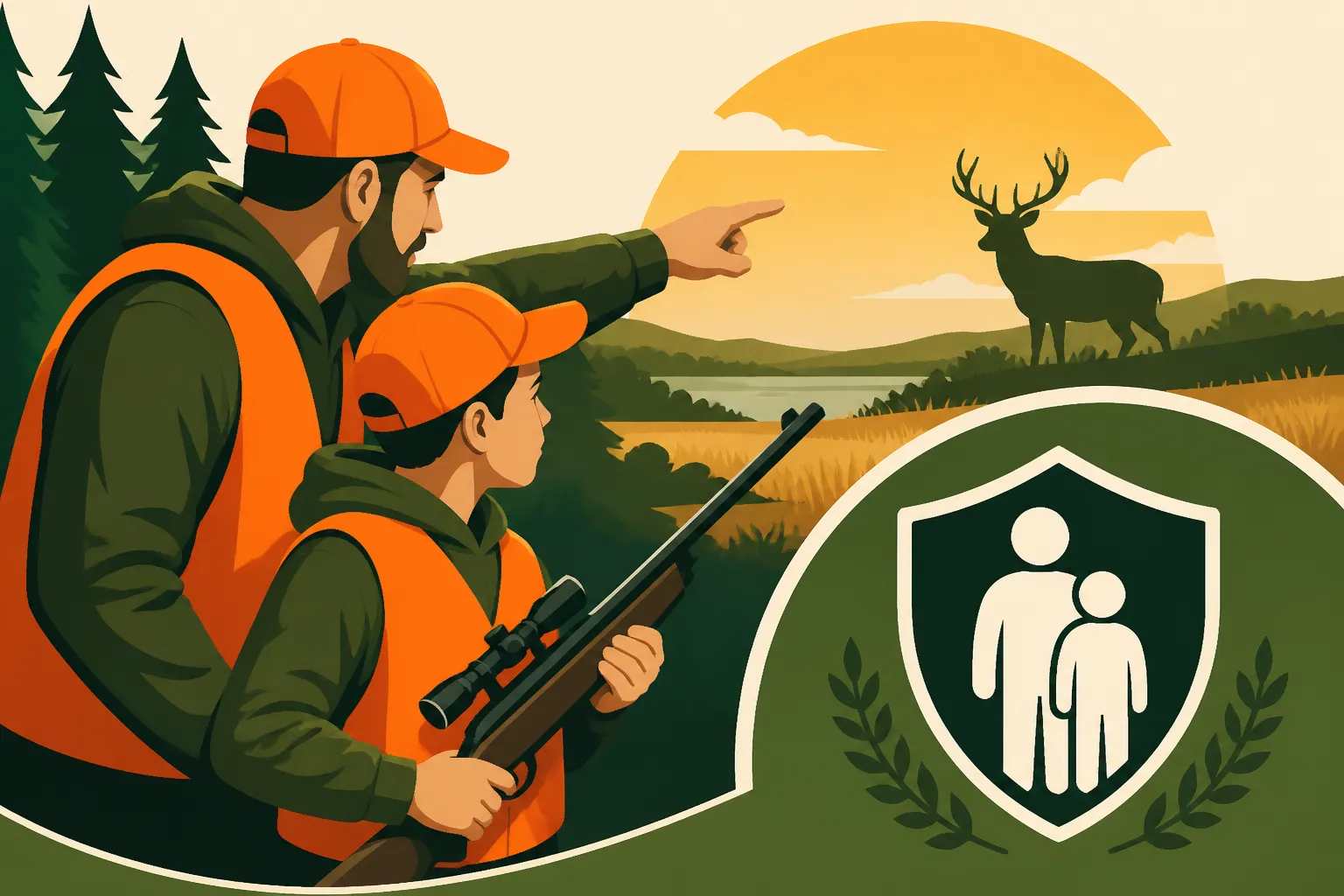
Furthermore, the mentor must be the direct supervisor of the youth hunter at all times while hunting. This isn't a passive role; it means being within arm's reach, able to take immediate control of the situation, and providing constant instruction and guidance. The mentor essentially acts as the youth's immediate safety net and primary educator in the field. They are responsible for ensuring all hunting laws are followed, and that the youth is handling firearms or bows safely.
It's also essential that the mentor is a responsible, ethical hunter themselves, someone who embodies the values of fair chase, respect for wildlife, and adherence to regulations. They are modeling behaviour, and their actions will profoundly influence the young hunter's perception of hunting. Choosing the right mentor, whether it's a parent, grandparent, or another trusted adult, is arguably one of the most critical decisions in a youth hunter's journey, as their guidance shapes a lifelong approach to the sport.
Why These Programs Matter for Future Generations
Mentored youth hunting programs are absolutely vital for the future of hunting and conservation. They are the primary pipeline for recruiting new hunters, directly addressing the concern of declining hunter numbers across North America. Without these programs, many young people might never have the opportunity to experience hunting firsthand, leading to a disconnect from the natural world and a lack of understanding about wildlife management. By nurturing this interest early, we ensure that hunting traditions continue, along with the critical conservation funding that hunters provide through licence sales and excise taxes on gear.
Beyond just recruitment, these programs instill a deep sense of responsibility and ethics. Learning directly from an experienced mentor in the field teaches respect for the animal, the land, and the regulations in a way that classroom instruction simply can't replicate. Youth learn about wildlife biology, habitat, and the role of hunting in managing healthy populations. They come to understand that hunting isn't just about taking an animal; it's about participation in a larger ecosystem and contributing to its health.
Ultimately, these programs cultivate future conservationists. A young person who learns to hunt ethically and appreciate the outdoors is more likely to become an advocate for wildlife and wild spaces. They grow up with an understanding of where their food comes from, the challenges faced by wildlife, and the importance of active stewardship. This isn't just about preserving hunting; it's about fostering a generation that values and protects our natural heritage.
Key Regulations for Mentored Youth Hunts
Navigating the specific legalities of a mentored youth hunt can feel a bit like reading fine print, but it's absolutely crucial for a safe and lawful experience. Manitoba has specific regulations in place to protect both the youth and the wildlife, ensuring that every hunt is conducted responsibly. It's important to remember that these aren't arbitrary rules; they are designed to provide a structured, safe, and educational introduction to hunting, minimizing risks while maximizing learning.
It's tempting to think a minor's licence makes things simpler, but in many ways, it adds layers of specific responsibilities for the mentor. Every detail, from the type of licence to the precise moment a firearm is handled, falls under careful scrutiny. This framework is what makes these programs successful in creating knowledgeable and safe future hunters.
Licence Requirements for Youth and Mentors
For a youth to participate in a mentored hunt for big game or game birds, they must first hold a valid minor's hunting licence. This licence is distinct from an adult general hunting licence and is specifically issued to eligible youth. It signals that they are acknowledged participants in the hunting system, even though they operate under strict supervision. The cost for these licences is typically much lower than adult licences, making it more accessible for families. Details on specific costs can be found on the GoHunt portal or by checking Manitoba Resident Hunting Licence Cost.
The mentor, on the other hand, must possess all the licences and tags required for themselves to hunt the particular species and season. For example, if you're mentoring a youth for whitetail deer, you, as the mentor, must have a valid Manitoba resident hunting licence and a valid whitetail deer tag for the Game Hunting Area (GHA) you are in. This is critical because the game animal, if harvested by the youth under supervision, will be tagged with the mentor's valid tag. This means the mentor must have an available tag to legally cover the animal harvested by the youth.
Additionally, both the youth and the mentor must possess any required federal permits, such as the Migratory Game Bird Hunting Permit, if they are hunting migratory birds. It's easy to overlook federal requirements when focusing on provincial rules, but both are essential for legal hunting. Always check the specific regulations for the species and season you plan to hunt to ensure all necessary paperwork is in order for both parties before you head out into the field.
Age Restrictions and Firearm Use
Manitoba's regulations specify the minimum age for youth to participate in various hunting activities. While a minor's licence is generally available from age 10, the actual use of firearms has additional age considerations. For instance, a youth under 12 cannot carry a firearm or shoot a big game animal. They can still participate in the hunt, observe, and learn, which is incredibly valuable, but they cannot actively discharge a firearm for big game.
When it comes to firearm use by youth aged 12 to 17, direct and continuous supervision by the mentor is non-negotiable. The mentor must be within immediate reach, able to physically assist or take control of the firearm at any moment. This level of supervision is paramount for safety, especially with young, less experienced shooters. The youth must also possess a valid Possession and Acquisition Licence (PAL) or a Minor's Licence (for firearms) issued by the Canadian federal government if they are to handle or possess a firearm. It's crucial to understand these federal firearm regulations in addition to provincial hunting rules.
For species like upland birds or waterfowl, the age at which a youth can carry and discharge a firearm might be different, but the principle of direct supervision remains constant. The mentor is responsible for the safe handling of the firearm by the youth, from loading and unloading to pointing and shooting. This constant oversight minimizes the risk of accidents and reinforces proper firearm etiquette, which is a cornerstone of safe hunting. You can review more details on legal firearms and bows for big game at Legal Firearms and Bows for Big Game.
Species and Season Considerations
Mentored youth hunters can typically hunt a wide range of species that are open to general resident hunters, provided the mentor has the appropriate tags and licences. This includes species like white-tailed deer, black bear, various upland birds, and waterfowl. However, there are some important considerations regarding specific species and seasons. For big game, the youth's harvest counts against the mentor's tag, so if the mentor only has one deer tag, and the youth harvests a deer, that tag is filled.
It's also important to be aware of GHA-specific regulations and draw results. Some areas might have specific antler restrictions for deer, or seasons that are only open for a limited time. The mentor must be intimately familiar with the regulations for the specific GHA they are hunting in. Using resources like the GoHunt website or the official hunting guide is essential to verify season dates and bag limits for both big game and game birds. You can find detailed season dates for various species, such as Manitoba Big Game Season Dates and Manitoba Upland Bird Seasons.
For species that require a special draw, like moose or elk in certain GHAs, the youth typically cannot apply directly for these draws. Instead, they hunt on the mentor's drawn tag, if the mentor was successful. This reinforces the idea that the youth is participating under the mentor's licence authority. This structure ensures that youth hunts don't circumvent the management of limited-entry species while still allowing an opportunity for experience. It’s always best to check the current hunting guide for any exceptions or specific rules related to draw species for mentored youth.
Safety First: Responsibilities and Best Practices
Safety is, without a doubt, the number one priority when introducing youth to hunting. The natural excitement of being in the field, coupled with the responsibility of handling a firearm or bow, requires constant vigilance and a clear understanding of best practices. A mentored hunt is an incredible opportunity for a young person, but it carries a serious obligation for the adult mentor to ensure every moment is as safe as possible. This goes beyond just following the letter of the law; it's about instilling a culture of safety that lasts a lifetime.
Every decision, every action, from walking through the bush to setting up in a blind, must be filtered through a safety-first lens. The mentor is not just a guide; they are the primary safety officer on the hunt, responsible for anticipating risks and preventing accidents before they happen.
Mentor's Role in Safety and Education
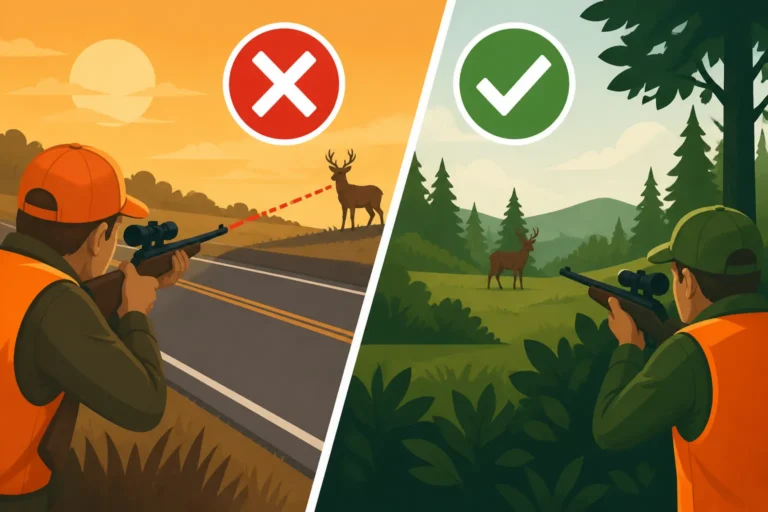
The mentor's role in a youth hunt is multifaceted, but safety and education form its core. Firstly, the mentor is directly responsible for the safe conduct of the youth hunter at all times. This means teaching and enforcing the fundamental rules of firearm safety: always assume a firearm is loaded, always point the muzzle in a safe direction, keep your finger off the trigger until ready to shoot, and be sure of your target and what is beyond it. These rules must be recited, understood, and practiced rigorously.
Beyond firearm safety, the mentor is responsible for teaching ethical hunting practices. This includes understanding fair chase, proper shot placement, tracking wounded game, and meat care. They also teach conservation principles, explaining how hunting contributes to wildlife management and why regulations exist. This educational aspect is crucial for developing a well-rounded hunter who respects wildlife and adheres to responsible practices. It's not just about pulling a trigger, but about understanding the entire process, from scouting to processing.
The mentor must also lead by example, demonstrating impeccable safety habits and ethical behaviour. This includes wearing appropriate blaze orange, communicating clearly, scouting thoroughly (see Scouting a Manitoba Game Hunting Area), and making sound judgment calls in the field. When a young hunter sees their mentor consistently prioritizing safety and ethics, those lessons become deeply ingrained. The mentor is the living embodiment of responsible hunting, and their actions speak volumes about what it means to be a true conservationist.
Practical Safety Tips in the Field
When you're actually out in the field with a mentored youth, there are several practical tips that can significantly enhance safety. Always start by reviewing a safety checklist before leaving the vehicle: confirm firearms are unloaded, safety is on, and all members know the plan. Visibility is key, so both the mentor and youth should wear appropriate blaze orange, especially when hunting big game, to ensure they are seen by other hunters. Manitoba has specific requirements for blaze orange, which should always be followed.
Communication is another critical element. Establish clear hand signals and verbal commands, especially when moving through dense cover or when separating (even if briefly). The mentor should always know where the youth is, and vice versa. When setting up in a blind or stand, ensure the youth understands their zone of fire and is aware of their surroundings, including the location of the mentor and any potential hazards. This is particularly important when Hunting Safely in Deep Winter Cold where conditions can impact visibility and awareness.
Furthermore, consider the physical capabilities of the youth. Don't push them beyond their limits, whether it's walking long distances, enduring cold weather, or sitting still for extended periods. Fatigue can lead to mistakes. Keep the hunt enjoyable and manageable, prioritizing their learning and comfort over solely harvesting an animal. Taking frequent breaks for snacks, water, and warm-ups can make a huge difference, ensuring the experience remains positive and safe.
Ethical Hunting and Conservation Lessons
A mentored youth hunt is an unparalleled opportunity to teach ethical hunting and conservation lessons that go far beyond what any textbook can convey. The first lesson is respect for the animal. Discuss shot placement to ensure a clean, humane kill, and if an animal is wounded, emphasize the tireless effort required to track and recover it. This teaches responsibility and commitment to the animal, recognizing that hunting is not just about the moment of the shot, but the entire process.
Conservation is another cornerstone. Explain why certain seasons and bag limits exist, connecting them to population management and habitat health. Show them firsthand the different types of habitat – a bush edge, a slough, or a grain field – and discuss how various species rely on these environments. Visiting Manitoba's Game Hunting Areas together can be a great way to show them varied ecosystems. Discuss the importance of leaving no trace, respecting private property (see Getting Private Land Permission in Manitoba), and understanding the role hunters play as stewards of the land.
Finally, instill the value of the harvest. Whether it's deer, bear, or birds, emphasize that the animal provides sustenance and that no part of the animal should be wasted. Involve the youth in field dressing, meat processing, and even preparing meals from the game. This completes the cycle of the hunt, reinforcing the connection between the harvest and the table, and fostering a deep appreciation for the wild food source. These hands-on experiences are invaluable in shaping a responsible and ethical hunter who values wildlife and conservation.
Navigating the Practicalities of a Youth Hunt
Once you've got the rules and safety down, it’s time to think about the practical aspects of actually executing a successful and enjoyable youth hunt. This means considering everything from the gear you'll bring to how you approach the hunt itself, all with the young hunter’s experience at the forefront. The goal is to make it accessible, comfortable, and, above all, a positive memory that encourages them to continue hunting in the future.
This isn't just about bagging game; it's about building a foundation of positive experiences that foster a lifelong passion. The practicalities, often overlooked in the excitement of the chase, are what truly make or break that initial experience for a young person.
Gear Considerations for Young Hunters
When outfitting a young hunter, comfort and proper fit are paramount. Start with clothing: layers are essential in Manitoba's often unpredictable weather. Ensure boots are waterproof and well-insulated, as cold, wet feet can quickly turn a fun outing into a miserable one. Gloves and hats that fit well and stay on are also critical for warmth. Remember that youth get cold faster than adults, so err on the side of over-dressing.
For firearms, choose a caliber that is appropriate for the youth's size and recoil tolerance. A smaller, lighter caliber with less kick will be much more enjoyable and instill confidence than a heavy-hitting magnum that causes flinching. Many manufacturers offer youth models with shorter stocks and lighter weights. Consider starting with a .22 for target practice to build fundamental shooting skills before moving to larger calibers for hunting. For archery, ensure the bow has a manageable draw weight and length that fits the youth comfortably. A good entry-level compound bow can be easily adjusted as they grow stronger.
Don't forget accessories like binoculars, a comfortable pack, and perhaps even a small portable stool if they'll be sitting in a blind. Letting them carry their own lightweight gear gives them a sense of responsibility and ownership. The GoHunt website or local sporting goods stores in Manitoba often have recommendations or specific gear lists suitable for young hunters. Making sure they have comfortable, well-fitting gear can be the difference between a great day and a quickly abandoned hunt.
Finding Accessible Hunting Opportunities
Finding suitable hunting land for a mentored youth hunt requires a bit of research and planning. Look for areas with high game density and relatively easy access, as long treks or challenging terrain can be discouraging for young hunters. Wildlife Management Areas (WMAs) and certain Crown Lands in Manitoba can be excellent choices, often providing public access and good habitat. When planning, reference maps of Manitoba's Crown Land Access to identify suitable locations.
Private land, with landowner permission, can also offer fantastic opportunities, often with less pressure from other hunters. Approach landowners respectfully, explain that you're introducing a youth to hunting, and emphasize your commitment to safety and ethical conduct. Sometimes, landowners are keen to help foster the next generation of hunters, especially if they have wildlife concerns on their property. Building these relationships can open doors to unique experiences for the youth.
Consider species that offer more action or higher success rates for a first-time hunter. Upland birds like ruffed grouse or sharp-tailed grouse can provide exciting opportunities for walking and flushing game, keeping the youth engaged. Waterfowl hunting can also be thrilling with plenty of activity. For big game, choose GHAs known for healthy deer populations. The key is to select an area and species that offer a reasonable chance of success and engagement, keeping the young hunter's attention and enthusiasm high.
Making the Hunt a Positive Experience
The ultimate goal of a mentored youth hunt is to create a positive, lasting memory that encourages a lifelong passion for the outdoors. This means shifting focus from "getting something" to "experiencing something." Celebrate small victories: identifying tracks, spotting a distant animal, patiently waiting, or even just spending quality time together in nature. A successful hunt isn't always measured by a full game bag.
Involve the youth in every step of the process. Let them help scout, set up blinds, choose calling locations, and learn to read signs. Explain why you're doing what you're doing. Ask questions, encourage observation, and foster their curiosity about the wildlife and their environment. This active participation makes them feel like a valuable part of the team, not just a tag-along. Even if you come home empty-handed, the shared experience and lessons learned are invaluable.
Patience is key. Youngsters have shorter attention spans and less endurance. Be prepared to adapt your plans, take breaks, and end the hunt early if needed. Bring snacks, hot chocolate, and stories to share. The more positive and engaging you make the experience, the more likely they are to want to come back. A successful mentored hunt is one where the youth walks away with a smile, new knowledge, and an eagerness for the next adventure, whether it's Hunting Whitetail in Manitoba's Bush Country or Waterfowl Hunting Manitoba's Grain Fields.
Key Differences: Mentored Youth vs. Licensed Adult Hunter Responsibilities
Here's a quick overview of some key differences in responsibilities and permissions between a mentored youth and a fully licensed adult hunter in Manitoba:
| Feature/Responsibility | Mentored Youth Hunter (e.g., age 12-17 with Minor's Licence) | Licensed Adult Hunter (18+ with General Licence) |
|---|---|---|
| Licence Type | Minor's Hunting Licence (provincial) & potentially Minor's PAL | General Hunting Licence (provincial) & PAL |
| Direct Supervision | Mandatory by a qualified mentor at all times | Not required, can hunt independently |
| Firearm Possession | Can possess and use firearm only under direct mentor supervision, with federal Minor's PAL | Can possess and use firearm independently with valid PAL |
| Firearm Carrying (Under 12) | Cannot carry a firearm for big game hunting. | No specific restriction based on age. |
| Bag Limit/Tag Use | Harvest counts against mentor's valid tag | Harvest counts against own valid tag |
| Application for Draws | Cannot apply for big game draws independently | Can apply for big game draws independently |
| Ethical & Safety Responsibility | Learning and adhering under mentor's guidance | Full, independent responsibility |
| Decision Making in Field | Guided by mentor | Independent decision-making |
Disclaimer
The information provided in this article is intended for general guidance and informational purposes only, and does not constitute legal advice. Hunting regulations in Manitoba can change, and it is the responsibility of every hunter to consult the most current version of the Manitoba Hunter's Guide and relevant federal regulations before engaging in any hunting activities. Always refer to official government sources and specific GHA rules for accurate and up-to-date information.