Which Ducks Nest in Manitoba’s Potholes
For many of us who cherish the outdoor life, there's a unique satisfaction in understanding the subtle nuances of our local ecosystems. If you've ever found yourself wondering exactly which duck species are making those crucial nesting efforts right here in Manitoba's famed pothole country, you're not alone. It's a deep dive into biology and habitat that profoundly impacts our hunting seasons and conservation efforts. This guide aims to pull back the curtain on the breeding grounds, exploring the specific ducks that call our prairie potholes home for raising their young.
The Prairies and Potholes: A Duck Factory Explained
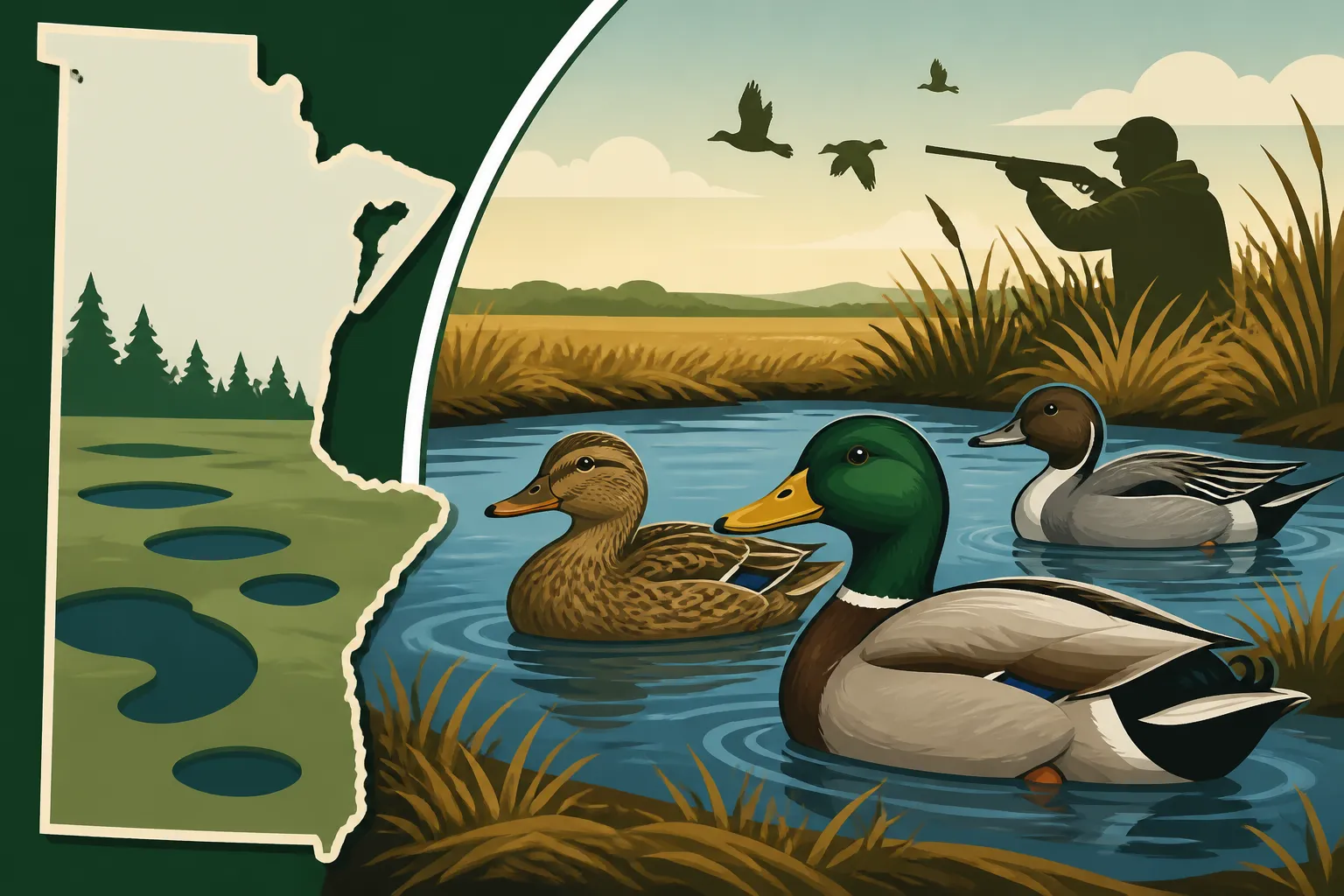
Manitoba sits squarely within one of North America's most vital waterfowl breeding grounds: the Prairie Pothole Region. This isn't just a quaint descriptor; it's a scientific designation recognizing a vast, interconnected landscape of wetlands that are absolutely crucial for duck populations. When you look out over a typical Manitoba landscape, especially in the spring and early summer, you're seeing more than just fields and bush – you're seeing a nursery for millions of ducks.
What Makes Manitoba's Potholes So Special for Ducks?
Imagine a landscape scarred by ancient glaciers, leaving behind countless depressions that fill with water from snowmelt and rain. These are our potholes, and they vary wildly in size, depth, and the amount of emergent vegetation they support. This diversity is key. Some are shallow, temporary wetlands that dry up by mid-summer, providing early season nutrition and insect life. Others are deeper, more permanent bodies of water with cattails, bulrushes, and submerged aquatic plants, offering long-term cover and food. This mosaic of water bodies, often interspersed with rich grasslands and agricultural fields, creates a perfect storm of resources. Ducks need water for pairing and nesting, diverse food sources, and dense cover to hide nests from predators. Manitoba's potholes deliver on all fronts, year after year, forming the backbone of what many refer to as the "duck factory." It’s an intricate system that provides exactly what is needed at each stage of a duck’s breeding cycle.
The Significance of the Prairie Pothole Region
The Prairie Pothole Region spans parts of Alberta, Saskatchewan, Manitoba, and into the Dakotas and Minnesota. It's a critical area, often touted as producing the majority of continent's waterfowl. When we talk about healthy duck populations migrating down the Manitoba's Ducks and Geese by Flyway, a significant portion originate right here. The health of these potholes directly correlates with the overall health of duck populations, and any changes, whether due to drought or land use, have ripple effects across the entire flyway. Hunters and conservationists alike pay close attention to spring water forecasts in this region because it directly informs expectations for the fall flight. When conditions are good, meaning ample water and healthy vegetation, duck production can be phenomenal. This region is truly an engine of waterfowl life, driving the hunting opportunities we all enjoy later in the season. Understanding this geographic importance helps us appreciate the scale of what Manitoba contributes to the overall duck picture.
Common Pothole Nesters: Dabbling Ducks
Dabbling ducks are likely the first image that comes to mind when you think of ducks in a pothole. These are the ducks you see tipping up to feed in shallow water, their tails pointing skyward, or grazing in nearby fields. They tend to nest closer to the water's edge, often in dense grasses or emergent vegetation, making them quintessential pothole inhabitants.
Mallards: The Ubiquitous Pothole Resident
The Mallard is arguably the most recognizable and widespread duck in Manitoba's potholes, and for good reason. They are incredibly adaptable, nesting in a wide variety of habitats, from dense upland grass fields to cattail edges along larger sloughs. A hen Mallard will typically choose a spot with good overhead cover, often a fair distance from the actual water, to build her nest. She'll line it with down from her breast feathers, creating a cozy and camouflaged cradle for her eggs. Their generalist diet and hardy nature allow them to thrive across the diverse Manitoba landscape. When scouting for waterfowl, a good strategy involves looking at fields adjacent to potholes, as hens will often make their trek from a nest in the cover to the water. The sheer numbers of Mallards produced in Manitoba are staggering, making them a cornerstone of local waterfowl populations and a primary target for many hunters. Even a quick glance at any wetland usually reveals the familiar green head or mottled brown of a Mallard.
Gadwall, Wigeon, and Shovelers: Other Key Dabblers
While Mallards might dominate, several other dabbling duck species are vital pothole nesters here. Gadwalls, for instance, are becoming increasingly common and are known for their preference for nesting in dense cover, often a little closer to the water than a Mallard might choose. Their subtly beautiful plumage and unique feeding habits make them a fascinating species to observe. American Wigeon, with their striking white crowns and distinctive whistling call, are also strong nesters in Manitoba, often found in wetlands with good emergent vegetation where they can graze on aquatic plants. Northern Shovelers, easily identified by their oversized bills, specialize in filter-feeding, straining small invertebrates and plant matter from the water. They, too, utilize Manitoba's potholes extensively for nesting, often choosing well-vegetated edges. These species, along with Mallards, contribute to the incredible diversity and abundance of our local duck populations, each playing a specific role in the wetland ecosystem. When you're Hunting a Willow Ring Around a Pothole, you're likely encountering nests and broods from these common dabblers.
Blue-winged Teal: Early Arrivals and Quick Nesters
The Blue-winged Teal is another incredibly important dabbling duck in Manitoba's pothole country. These little speedsters are often among the first ducks to arrive in the spring, keen to establish territories and get a nest started as soon as the ice leaves the potholes. They typically nest in dense upland vegetation, often close to smaller, temporary wetlands that provide a burst of insect life crucial for their diet. Their nesting cycle is relatively quick, allowing them to take advantage of the early season flush of resources. By mid-summer, many Blue-winged Teal broods are already on the wing, preparing for an early migration south. This early breeding strategy makes them highly dependent on the timely filling of those smaller, ephemeral potholes. A mild, wet spring in Manitoba is often a boon for Blue-winged Teal numbers, while a dry spring can significantly impact their production. Keep an eye out for their distinctive blue shoulder patches in flight, a sure sign they're utilizing the rich habitat of our local wetlands. Many hunters target these ducks during the early part of the season.
Diving Ducks and Their Pothole Preferences
While dabblers dominate the shallower margins, our deeper potholes and larger sloughs are crucial for diving ducks. These birds feed by submerging themselves completely, often going to considerable depths to forage for aquatic vegetation, mollusks, and fish. Their nesting habits reflect this preference, often choosing islands or dense emergent cover within the water body itself.
Canvasbacks and Redheads: Deep-Water Specialists
When you think of the regal Canvasback or the vibrant Redhead, you're picturing ducks that absolutely thrive in Manitoba's deeper, more stable potholes and larger marshes. These are truly magnificent birds, and their presence is often an indicator of a healthy, productive wetland. Canvasbacks, in particular, are known for their preference for nesting over water in dense stands of emergent vegetation like bulrushes and cattails, building large, floating nests. They are voracious eaters of pondweeds and other submerged aquatic plants, which are abundant in our richer, deeper wetlands. Redheads share similar habitat preferences, often nesting in close proximity to Canvasbacks. They are also known for being "nest parasites," occasionally laying their eggs in the nests of other diving ducks, including Canvasbacks, which can be a fascinating dynamic to observe. These species are highly sensitive to water levels and wetland degradation, making their continued presence a testament to the quality of Manitoba's pothole habitat. If you're using a tool like GoHunt to scout specific areas, looking for large, healthy wetlands with extensive emergent cover is a good starting point for finding these diving duck strongholds.
Lesser Scaup and Ring-necked Ducks: Common Divers
Beyond the iconic Canvasbacks and Redheads, Manitoba's potholes also provide crucial nesting habitat for other diving duck species. Lesser Scaup, often simply called "bluebills," are incredibly numerous and utilize a broad range of pothole types, though they generally prefer wetlands with open water and abundant submerged vegetation for feeding. They often nest in dense cover along the shoreline or on islands, similar to dabblers, but their true prowess is seen underwater. Ring-necked Ducks, with their distinctive ringed bill and peaked head, are also common nesters, particularly in potholes that have a mix of open water and dense emergent plants. They are often found in wooded wetlands or those with shrubby cover nearby. While perhaps not as flashy as some of their diving duck cousins, the sheer numbers of Lesser Scaup and Ring-necked Ducks produced in Manitoba significantly contribute to the overall waterfowl population. Their reliance on healthy aquatic environments highlights the importance of keeping our wetlands clean and productive.
Factors Influencing Nesting Success and Duck Numbers
The journey from egg to flight is fraught with challenges for a duckling, and many factors play a significant role in determining the overall nesting success and, consequently, the duck numbers we see during the hunting season. It’s a delicate balance of environment, predation, and human influence.
Water Levels and Habitat Quality: The Critical Connection
Nothing impacts duck nesting success in Manitoba's pothole country quite like water levels. A wet spring, with abundant snowmelt and timely rains, means more potholes are filled, providing critical pairing habitat and nesting cover. More water generally disperses nesting pairs, reducing competition and spreading out predators, leading to higher success rates. Conversely, a dry spring or prolonged drought can be devastating. When potholes shrink or dry up, ducks are forced to concentrate on fewer, larger water bodies, leading to increased predation pressure and reduced nesting opportunities. The quality of the habitat surrounding the potholes is equally important; dense native grasslands, for example, offer superior nesting cover compared to intensely farmed land. Agencies and organizations continually monitor the How Drought Moves Manitoba Game and water conditions, as these metrics are vital predictors of the upcoming fall flight. We’ve seen firsthand how fluctuations in water can change the entire complexion of a hunting season, underscoring the vital connection between water and waterfowl.
Predation and Human Impact on Nesting Ducks
Even with ideal water levels and pristine habitat, nesting ducks face an array of challenges, with predation being a primary concern. Predators like skunks, raccoons, foxes, and coyotes are ever-present threats to duck nests and young ducklings. Habitat fragmentation, where large blocks of suitable nesting cover are broken up by roads or agriculture, can concentrate nests into smaller, more vulnerable areas, making them easier targets for predators. Human activities also play a role. Agricultural practices, urban expansion, and wetland drainage can directly destroy nests or degrade habitat, making it harder for ducks to successfully raise broods. Understanding these pressures is crucial for conservation efforts. Groups often work on predator control programs in key nesting areas or promote practices like "no-till" farming and planting dense nesting cover to help mitigate these impacts. Every hunter using resources like GoHunt to scout areas can see the mosaic of land use and how it might impact the ducks' ability to safely nest. Reducing habitat loss, as highlighted in topics like What Wetland Drainage Did to Manitoba Ducks, is paramount to supporting these crucial breeding populations.
Conservation Efforts for Manitoba's Pothole Ducks
Recognizing the immense value of Manitoba's pothole region, extensive conservation efforts are continually underway to protect and enhance this vital breeding ground. These initiatives range from large-scale land acquisition and habitat restoration projects to working directly with landowners to implement beneficial farming practices. Programs focused on restoring drained wetlands, planting dense nesting cover (often called "upland nesting cover"), and creating predator exclosures around sensitive nesting sites are all part of the strategy. Organizations dedicated to waterfowl conservation, often in partnership with government agencies, invest heavily in Manitoba because of its pivotal role in continental duck production. These efforts not only benefit ducks but also countless other wetland-dependent species. For hunters, supporting these conservation groups through licence purchases and donations is directly supporting the future of waterfowl hunting in Manitoba. Initiatives to monitor populations, manage harvest levels (check out Manitoba Duck Season Dates and Duck Daily Bag Limit by Species), and educate the public are all integral to ensuring that Manitoba remains a thriving duck factory for generations to come.
| Duck Species | Primary Nesting Habitat | Water Preference | Key Food Source |
|---|---|---|---|
| Mallard | Dense upland grasses, field edges, emergent vegetation | Shallow to varied | Seeds, grains, insects, aquatic vegetation |
| Gadwall | Dense grass and emergent vegetation, often close to water | Shallow to varied | Aquatic plants, seeds, invertebrates |
| American Wigeon | Grasslands near water, often short vegetation | Shallow to varied | Aquatic vegetation, grasses |
| Northern Shoveler | Dense emergent vegetation, upland grass | Shallow | Aquatic invertebrates, small seeds |
| Blue-winged Teal | Dense upland grass, often near temporary wetlands | Shallow, ephemeral | Insects, aquatic invertebrates, small seeds |
| Canvasback | Overwater in dense emergent vegetation (bulrush, cattail) | Deep | Submerged aquatic vegetation (pondweeds) |
| Redhead | Overwater in dense emergent vegetation | Deep | Submerged aquatic vegetation, aquatic invertebrates |
| Lesser Scaup | Dense cover near water, islands, uplands | Deep to varied | Aquatic invertebrates, mollusks, seeds |
| Ring-necked Duck | Dense emergent vegetation, often in wooded wetlands | Deep | Aquatic plants, invertebrates, seeds |
Disclaimer
This article is for general informational purposes only and does not constitute professional advice. Laws, prices and regulations vary by location and change over time. Consult a qualified professional for guidance on your specific situation.