Hunting a Shelterbelt Row in Open Prairie
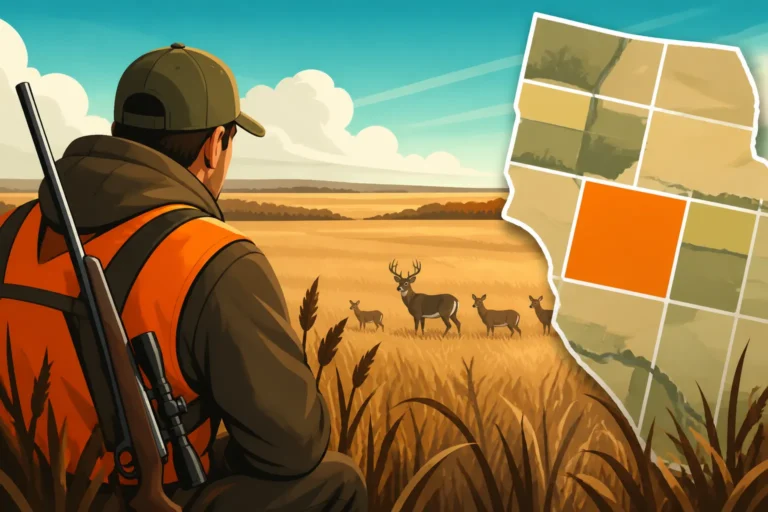
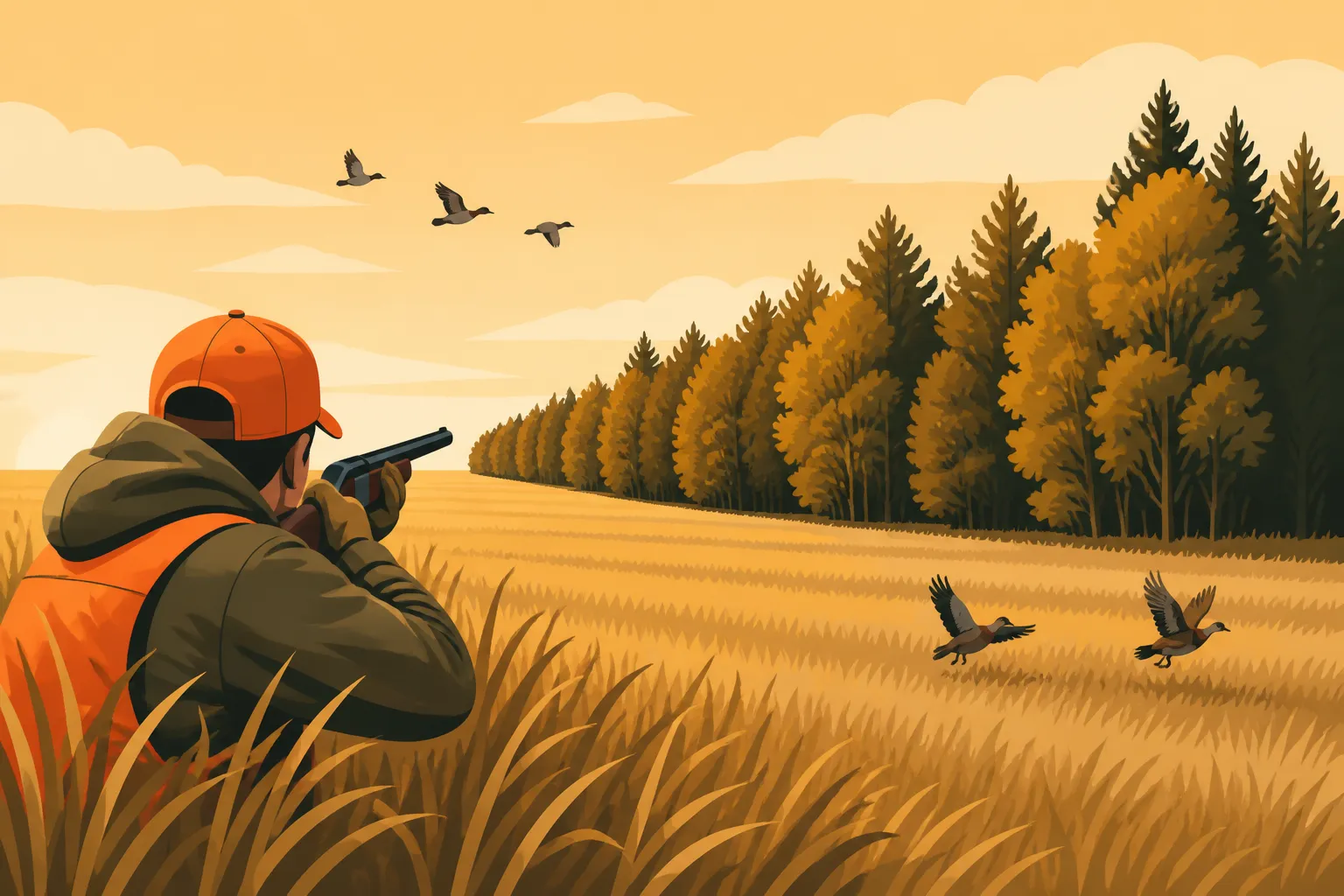
Hunting in Manitoba's vast open prairie can feel like searching for a needle in a haystack, especially when you're after those elusive whitetails. The sheer expanse can be daunting, making it difficult to pinpoint where deer might be, let alone how to approach them. This guide will take a deep dive into hunting one of the most consistent deer magnets in these agricultural landscapes: the shelterbelt row, offering practical strategies to increase your success.
Understanding Shelterbelts as Whitetail Habitat
In a landscape dominated by endless fields, shelterbelts are literally lifelines for whitetail deer. They offer everything a deer needs to survive and thrive in an otherwise exposed environment, concentrating activity in predictable ways that hunters can leverage.
Why Shelterbelts Are Deer Magnets
Imagine living in a flat, open world where the wind constantly whips, and there's nowhere to hide from predators or the elements. That's essentially the prairie for a deer, until they find a shelterbelt. These linear strips of trees and shrubs, often planted by farmers years ago, provide crucial cover from the relentless Manitoba winds and a much-needed visual break from human activity. They act as natural travel corridors, funneling deer movement between bedding areas in larger bush pockets or along river valleys, and vital feeding grounds in the adjacent grain fields.
Think of a long, unbroken row of poplars, willows, spruce, or even dense caragana bushes. This isn't just a line of trees; it's an elevated highway and a fortress for deer. It provides thermal cover in bitter winter cold and shade from the scorching summer sun. More than that, the vegetation within and along the edges of a shelterbelt offers browse, supplemental food, and a sense of security that deer simply can't find in the middle of a quarter section of stubble. They literally draw and hold deer, making them prime locations to focus your hunting efforts.
Reading the Landscape Around a Shelterbelt
A shelterbelt's value isn't just about the trees themselves; it's about what surrounds them. A lone shelterbelt in the middle of nowhere might hold a few deer, but one strategically placed between a large block of river-bottom bush and a sprawling cornfield becomes a major thoroughfare. When you're Scouting a Manitoba Game Hunting Area, pay close attention to the bigger picture. Are there standing corn, soybean, wheat, or alfalfa fields nearby that provide a food source? Whitetails will often bed down in the shelterbelt or an adjacent slough and travel to these fields under the cover of the tree row.
Water sources, like dugouts or small potholes, further enhance the appeal. A shelterbelt running parallel to a slough or connecting two larger bodies of water can create a super-highway of deer movement. Understanding how the shelterbelt connects these critical resources – food, water, and denser cover – is key to predicting deer movement. It's not just about the trees; it's about their function within the broader prairie ecosystem. Observing these elements on a detailed map, whether paper or digital, is crucial before you even step foot in the field.
Scouting and Planning Your Shelterbelt Hunt
Effective hunting of shelterbelts starts long before the season opens, with a combination of digital reconnaissance and diligent on-the-ground scouting. You need to understand the lay of the land and the deer's habits to formulate a successful plan.
Satellite Imagery and E-Scouting
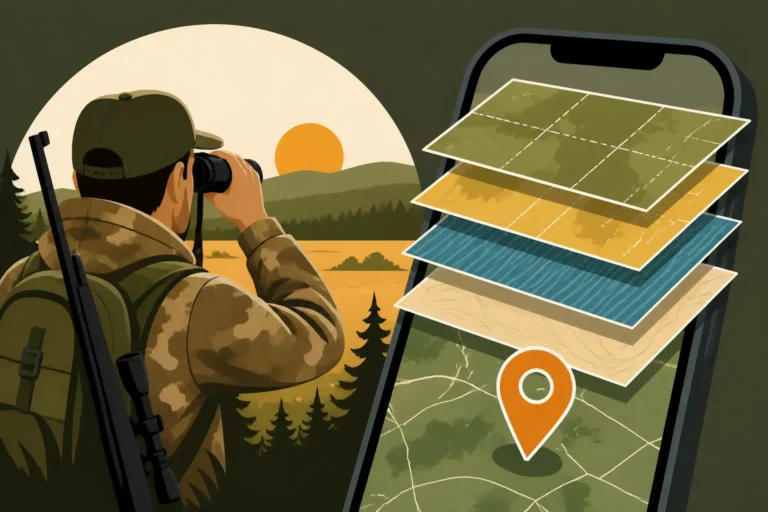
In today's hunting world, digital scouting tools are invaluable, especially when looking at linear features like shelterbelts. You'll quickly see how valuable tools like onX Hunt or GoHunt become when trying to identify and analyze these prime locations. Use satellite imagery to zoom in on various shelterbelts in your chosen Game Hunting Area (GHA). Look for characteristics like their width, density (can you see through them?), and how they connect to other features like larger woodlots, river drainages, or agricultural fields.
Pay close attention to where shelterbelts might pinch down or open up, creating natural funnels. Identify potential bedding areas within the densest parts of the belt, or in adjacent cattail sloughs or unharvested crops. Use the terrain features, even subtle ones like slight depressions or rises, to predict how deer might approach or exit the belt. Marking these potential access points and stand locations on your app beforehand saves immense time and effort in the field. You can also use the satellite view to identify potential areas where you might need to acquire Manitoba Landowner Permission Law for access or retrieval.
Boots-on-the-Ground Reconnaissance
While e-scouting gets you in the ballpark, there's no substitute for walking the ground. Even if you've done all your homework with satellite maps and historical data, actual boots-on-the-ground reconnaissance is essential. Take the time to walk the length of the shelterbelt, even if it’s just along its edge, looking for fresh sign. What you're seeking are rubs on young trees, fresh scrapes along the edges, abundant tracks, and well-used trails worn into the ground. These signs tell you exactly where deer are spending their time and how they're moving.
Focus on identifying pinch points within the belt itself – sections where the cover might narrow, or where deer naturally transition from one type of cover to another. Look for areas where trails crisscross, indicating a common crossing point. This hands-on approach allows you to confirm your e-scouting theories and discover subtle details that aren't visible from the air. Always remember to respect private property lines, and if you need to go beyond the visible edge, make sure you have permission from the landowner. It's also a fantastic opportunity to perform some general Reading Whitetail Sign in Manitoba Aspen or other tree species that make up the belt, to understand what kind of deer are using it and how recently.
Effective Hunting Strategies for Shelterbelts
Once you've identified and scouted your shelterbelt, it's time to put a hunting strategy into action. The linear nature of these features lends itself to several effective tactics, from static ambush points to more active approaches.
Stand and Blind Placement
Setting up a stand or blind near a shelterbelt requires careful consideration of prevailing winds, deer travel patterns, and time of day. Your primary goal is to remain undetected by scent, sight, and sound. If deer are using the shelterbelt to travel from a bedding area to a morning feeding field, you'll want to set up on the field edge, downwind of their expected approach. This allows you to catch them as they emerge into the open. Conversely, an evening hunt might see you setting up deeper inside the shelterbelt or on the field edge where they are likely to enter after dark.
Elevated stands, whether treestands or tower blinds, can offer a significant advantage by getting your scent and silhouette above the deer's line of sight. However, if the shelterbelt is dense and wide, a well-concealed ground blind can also be incredibly effective, especially if it's brushed in naturally. Always scout for existing deer trails within the shelterbelt and place your stand or blind overlooking a natural pinch point or intersection of trails. Ensure you have clear shooting lanes to cover these critical areas. When you're thinking about Hanging a Stand on a Manitoba Bush Edge, the principles are quite similar; it's all about playing the wind and anticipating movement.
Still-Hunting and Drives
For wider, more extensive shelterbelts, still-hunting can be a highly productive, albeit challenging, strategy. This involves moving slowly and deliberately through the cover, taking a few steps, then pausing to observe and listen intently. The key is to blend in with the environment, moving at a snail's pace, constantly scanning for any flick of an ear or outline of a deer. Use the natural cover within the shelterbelt to conceal your movements and break up your silhouette. This method is particularly effective during the mid-day lull when deer might be bedded down in the security of the belt.
Small, coordinated drives can also be incredibly effective, especially for flushing deer out of a longer shelterbelt. With one or two pushers moving slowly and quietly through the belt and one or two blockers positioned at the opposite end or along key escape routes, you can often push deer into shooting lanes. Safety is paramount during a drive; ensure everyone knows the plan, their assigned positions, and shot zones. Communication is critical, and blaze orange is a must for all participants to ensure visibility and prevent accidents.
Calling and Decoying in Prairie Settings
Don't underestimate the power of calling and decoying, even in open prairie settings. During the rut, rattling antlers and grunt calls can be incredibly effective at drawing out curious bucks from the cover of a shelterbelt. The sound carries well in open country, and a buck cruising the shelterbelt looking for does might respond aggressively to perceived competition. For specifics on sound, you might consider how Rattling Volume in Open Parkland can vary compared to denser bush.
Using a decoy, especially a buck decoy, can further enhance your calling efforts. Set up your decoy in an open spot along the shelterbelt edge, ensuring it's visible from a distance. Position yourself downwind, concealed within the shelterbelt, ready for a buck to approach the decoy. The visual stimulus, combined with the auditory invitation, can be a potent combination. For does, a subtle doe bleat can sometimes bring them out, especially if they are moving through the area with fawns. Remember that concealment for yourself is vital; you need to be ready when that deer appears.
Seasonal Considerations and Advanced Tactics
Deer behavior around shelterbelts changes throughout the year, meaning your tactics need to adapt accordingly. Understanding these seasonal shifts and employing advanced strategies can elevate your success rate.
Hunting Shelterbelts Through the Seasons
The appeal of a shelterbelt shifts with the calendar. In the early season, when crops are still standing, deer might use shelterbelts as travel lanes to reach lush green fields. As crops come off, shelterbelts become even more critical for cover, especially if there's standing stubble offering little concealment. During the peak of Hunting the Rut in Early to Mid November, shelterbelts transform into high-traffic highways for bucks cruising for does. They offer security for bucks venturing out, and does often utilize them to evade persistent suitors.
Come the late season, with snow on the ground and temperatures plummeting, shelterbelts offer vital thermal cover and wind protection. Deer will concentrate in the densest parts, making them predictable spots. This is especially true for Hunting the Late December Season when deer are seeking refuge from the bitter cold. Understanding these seasonal patterns allows you to predict where deer will be and tailor your approach. For example, in deep snow, deer will often stick to the path of least resistance, which a well-worn trail in a shelterbelt can provide.
Overcoming Hunting Pressure and Educated Deer
One of the biggest challenges with easily accessible shelterbelts is hunting pressure. If a shelterbelt is roadside or commonly hunted, deer will quickly become educated and nocturnal, or simply avoid it during daylight hours. To counter this, you need to think differently. Instead of hunting the obvious edges, try to target less obvious travel routes or thicker interior sections that hunters tend to ignore. Deer will often utilize the absolute densest cover, even if it's only a few yards wide, to feel secure.
Consider hunting during non-peak times, like mid-week when fewer hunters are out, or extending your sit well into the late morning or early afternoon. Deer that have been pressured will often move through these "dead" times, assuming the coast is clear. Another strategy is to identify shelterbelts that are harder to access, perhaps requiring a longer walk or being situated on less-traveled roads. These less-pressured areas are more likely to hold deer during daylight. Learning Finding Ground Other Hunters Drive Past often involves looking at these overlooked areas or those requiring a bit more effort. Sometimes, the key to success is simply being more persistent and stealthy than the competition.
| Hunting Method | Pros | Cons | Ideal Scenarios |
|---|---|---|---|
| Stand/Blind Hunt | High stealth, low impact on deer patterns, can sit for extended periods | Limited mobility, wind dependent, requires prior scouting for placement | Deer moving predictably between food/bedding, rut cruising, late season thermal |
| Still-Hunting | Highly mobile, covers more ground, adaptable to changing conditions | Requires extreme stealth and patience, can bump deer if not careful | Wider, denser shelterbelts, mid-day lull, tracking fresh snow |
| Small Drive | Effective for flushing deer from dense cover, good for locating deer | Requires multiple hunters, safety concerns, can educate deer quickly | Long, linear shelterbelts, confirmed deer presence, poor visibility conditions |
| Calling/Decoying | Can draw bucks out from cover, exciting, works well during the rut | Highly dependent on deer mood/rut phase, requires concealment | Rut activity, open visibility along shelterbelt edge, mature buck territory |
Disclaimer
This article is for general informational purposes only and does not constitute professional advice. Laws, prices and regulations vary by location and change over time. Consult a qualified professional for guidance on your specific situation.