What Manitoba’s Trespass Law Requires
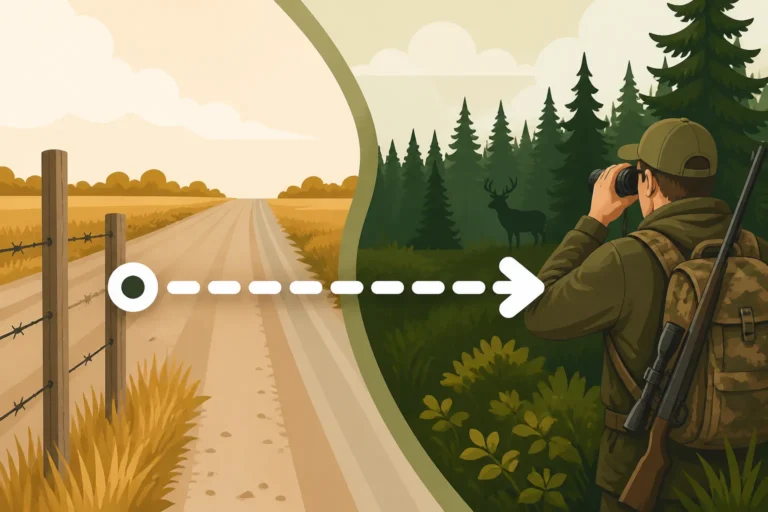
It’s a common scenario: you’re out in the Manitoba bush, tracking a magnificent whitetail or following the flight path of waterfowl, and suddenly, you’re not sure if you’re still on public land or if you’ve crossed onto private property. The fear of accidentally trespassing is a real concern for many hunters, and rightfully so, as the laws can be nuanced. This guide will clarify what Manitoba's trespass law requires from hunters, helping you confidently navigate the landscape and uphold ethical hunting practices.
The Foundation of Trespass Law for Manitoba Hunters
Understanding the legal groundwork of trespass is the first step toward becoming a more responsible and confident hunter. It's not just about avoiding fines; it's about respecting land, landowners, and the hunting community as a whole. Nobody wants to be that hunter who gives everyone else a bad name because they didn't know the rules.
What Constitutes Trespass for a Hunter?
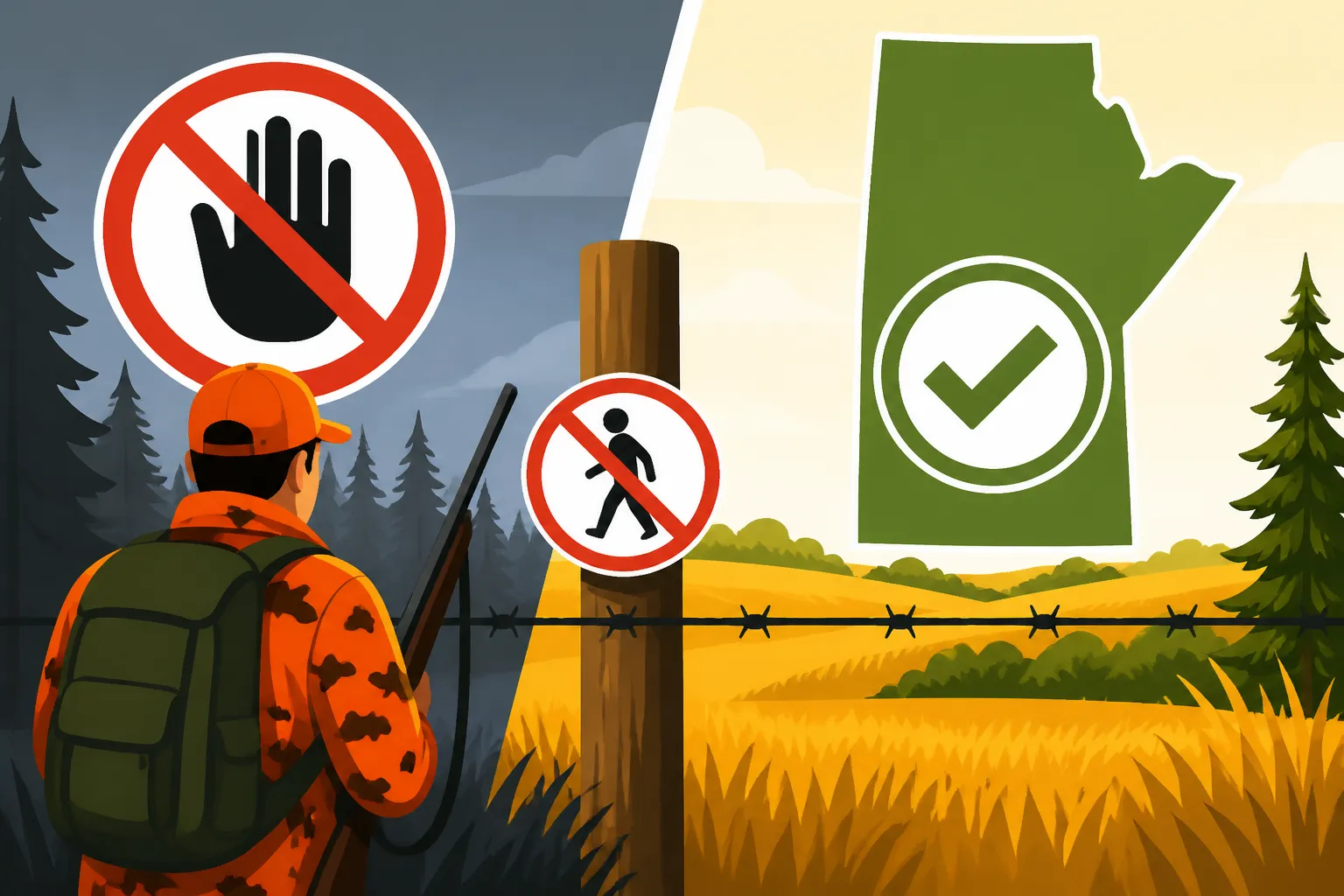
At its core, trespass in Manitoba, particularly as it applies to hunters, means being on private property without the express permission of the landowner or occupier. This isn't just about fenced fields or clearly marked farmyards; it applies to all private land, whether it looks "used" or not. The law doesn't care if you meant to trespass; if you're on someone else's land without permission, you're trespassing. This can be a tough pill to swallow when you're focused on the hunt, but it's a critical distinction. It means you are responsible for knowing where you are at all times, even if the boundary isn't a clear cutline or a well-maintained fence.
Think about it: you might be walking through what appears to be uncultivated bush, miles from any visible farm buildings. Without actively confirming the land status, that bush could very well be a private woodlot, part of a larger ranch, or even a remote parcel owned by someone who rarely visits. The absence of a "No Trespassing" sign doesn't automatically mean public access. This is a common misconception that can quickly land hunters in hot water. The onus is entirely on the hunter to know who owns the land they are on.
The Importance of Land Ownership and Boundaries
Manitoba's vast landscape is a mix of Crown (public) land and privately owned parcels. For hunters, distinguishing between these two is paramount. Crown land generally allows for recreational activities, including hunting, under provincial regulations, unless specifically restricted (like in certain provincial parks or wildlife management areas). However, private land is an entirely different beast. Access is strictly by invitation or permission. Ignoring this fundamental difference can lead to serious consequences, not just legally, but also for future hunting opportunities in an area.
Knowing your boundaries also means understanding that what might look like a natural barrier – a creek, a dense willow run, or even a sudden change in timber type – might not align with legal property lines. A farmer might own land right up to the edge of a significant body of water, or a residential property might extend much further into the bush than you'd assume. This is where relying solely on visual cues can be misleading. Always remember, the legal boundary is the one that matters, regardless of what the landscape suggests. This is why tools like digital mapping apps are so crucial; they can literally show you where the invisible lines are.
Securing Permission: Your Absolute Priority
No matter how good your scouting, how advanced your gear, or how seasoned you are, securing proper permission is the non-negotiable step before setting foot on private land. It's the bedrock of ethical hunting and good landowner relations.
The Many Ways to Ask for Permission
Asking for permission isn't a one-size-fits-all endeavour. While some hunters might prefer a quick phone call, nothing quite beats the personal touch of a face-to-face conversation. Driving up to a farmyard and politely knocking on the door shows respect and genuine interest. Be prepared to introduce yourself, explain your intentions clearly, and be flexible with their requests. Perhaps they only allow bowhunting, or they prefer you stick to certain areas, or only during specific times. Be respectful of their rules. Asking a Manitoba Landowner for Permission offers more specific advice on this process.
Sometimes, a verbal agreement is all you'll get, and often, that's sufficient. But for larger properties, extended hunts, or if you plan on bringing multiple hunters, a written agreement can offer peace of mind for both parties. This could be as simple as an email exchange or a signed note outlining the agreed-upon terms, dates, and areas. It provides clarity and avoids misunderstandings down the road. Remember to always be courteous and understanding, even if the answer is "no." There could be many reasons for their refusal, and a positive interaction, even without permission, might pave the way for future opportunities. Many hunters have found success simply by Knocking on Doors in Manitoba Farm Country and building that personal connection.
What Makes Permission Valid and Revocable?
Permission, whether verbal or written, should always be clear about its scope. What species can you hunt? Which exact fields or bush areas are you allowed to access? What dates is the permission valid for? These details prevent misunderstandings. A blanket "sure, go ahead" might seem generous, but it lacks the specifics that protect both you and the landowner. For instance, if you're granted permission to hunt geese in a stubble field, that doesn't automatically extend to deer hunting in their woodlot next door. Always clarify the specifics of your hunt.
It's also crucial to remember that permission can be revoked at any time. A landowner is entirely within their rights to change their mind, regardless of any previous agreement. While it might be frustrating, especially if you've already invested time in scouting, you must respect their decision immediately. Arguing or pushing the issue will only sour relations and reflect poorly on all hunters. If permission is revoked, gather your gear and leave. The landowner doesn't owe you an explanation, though often they might provide one (e.g., changes in their farming operations, livestock concerns, or simply personal preference).
Special Considerations for Retrieving Wounded Game
This is one of the most agonizing situations a hunter can face: you make a good shot, but the animal doesn't drop, and crosses onto land where you don't have permission. Ethically, no one wants to leave a wounded animal to suffer. Legally, however, the rules of trespass still apply. You cannot simply cross that fence or property line without permission, even if it's to recover game. This is a tough pill to swallow, but it's the law.
The proper protocol is to immediately contact the landowner and explain the situation. Be calm, polite, and respectful. Offer to retrieve the animal with them, or under their supervision. Most landowners, if approached respectfully, will understand the situation and grant temporary access for retrieval. If they refuse, you are legally obligated to respect their decision. It's a challenging dilemma, but illegally entering their property could lead to severe penalties, including fines and potential loss of hunting privileges. This scenario is specifically addressed in discussions around Retrieving Game From Private Land in Manitoba, highlighting the critical need for communication.
Identifying Land Status: Posted Signs and Modern Tools
Knowing where you are and whose land it is can feel like a guessing game, especially in Manitoba's diverse landscapes. Thankfully, there are clear indicators and tools to help you stay on the right side of the law.
Understanding "Posted" Land and Signage Requirements
Manitoba law is pretty clear on what "posted" land means. Generally, if a landowner wishes to prohibit trespass, they need to place signs at reasonable intervals along the boundaries of their property. These signs usually state "No Trespassing," "Private Property," or "No Hunting." The signs need to be visible and maintained. If land isn't posted, it doesn't automatically grant public access; it simply means the landowner hasn't taken that specific step to warn against trespass. However, whether posted or not, private land remains private, and permission is still required.
It's important to differentiate between signs that simply mark property lines and those that prohibit access. A survey marker or a small, faded sign indicating "Lot 123" doesn't necessarily mean "No Trespassing." Always look for explicit language or clear intent to deny access. Even if you see what you believe is an old or unclear sign, err on the side of caution and assume it's private. Manitoba Posted Land and Signage Rules delves deeper into the specifics of these signs and what they mean for hunters. When in doubt, don't go in.
Utilizing Technology for Boundary Awareness
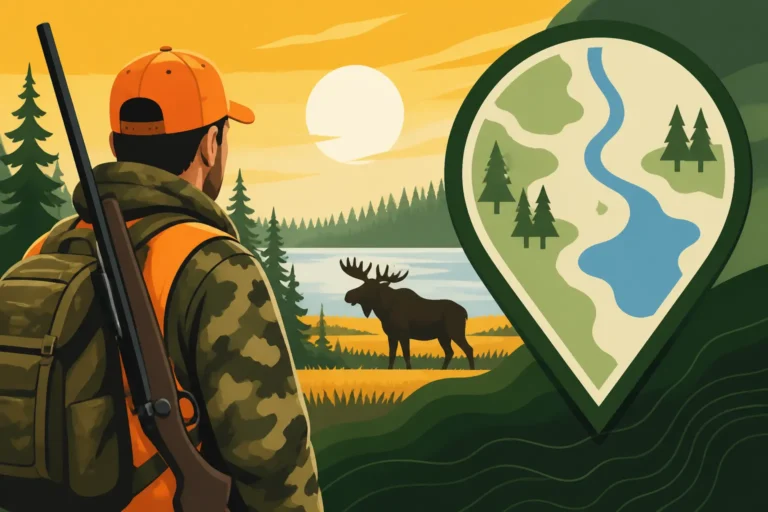
In this modern age, technology is a hunter's best friend when it comes to navigating land ownership. Apps like onX Hunt and GoHunt have revolutionized how hunters understand property lines. These mapping tools overlay property ownership data onto satellite imagery, allowing you to see exactly where public land ends and private property begins, often even identifying the landowner's name. This information is invaluable for both scouting and active hunting.
Imagine you're hunting a bush edge adjacent to agricultural fields. With one of these apps on your phone or GPS device, you can see in real-time whether the treeline you're walking, or the field you're glassing, is private or Crown land. This significantly reduces the risk of accidental trespass. Before heading out, always download the maps for your hunting area so you have access even without cell service. While these tools are incredibly helpful, they aren't foolproof. Data can sometimes be slightly out of date or have minor inaccuracies, so always use them as a guide, and combine them with visual cues and common sense. Scouting With Satellite Imagery in Manitoba is a fantastic way to plan your hunt effectively, incorporating these digital resources.
Navigating Crown Land and its Access Points
Manitoba boasts vast tracts of Crown land, often referred to as public land, where hunting is generally permitted provided you follow all regulations. However, "public" doesn't always mean "easy access." While you might assume you can drive your vehicle or ATV anywhere on Crown land, that's not always the case. There are often designated roads, trails, or access points, and going off these can lead to fines for illegal vehicle use or environmental damage. Always consult GHA maps and local regulations for specific access rules.
Sometimes, Crown land might be landlocked by private property. In such cases, you may not have legal access to that Crown land without first securing permission to cross the private parcels. This is a common challenge, particularly in checkerboard-patterned land divisions. Understanding Manitoba's Game Hunting Areas and consulting detailed maps showing Crown land boundaries, like those provided by the province or found on mapping apps, is crucial. Additionally, always check for specific closures or regulations within Wildlife Management Areas (WMAs) or Provincial Forests, as these can have unique rules that differ from general Crown land. Referencing Manitoba Crown Land Access can provide more granular information on specific access points and restrictions.
Avoiding Violations and Understanding Consequences
No hunter wants to be labeled a trespasser, nor does anyone want to face the legal repercussions. Understanding common pitfalls and the potential penalties can help you stay compliant and maintain a positive image for the hunting community.
Common Missteps Leading to Accidental Trespass
Accidental trespass often stems from a few common mistakes. The most frequent is simply not knowing where property lines are, especially in areas with mixed public and private ownership or ambiguous boundaries. Following a wounded animal too intently without checking your map, or assuming a stretch of bush belongs to "no one" because it's undeveloped, are other frequent causes. Another pitfall is misinterpreting maps or relying on outdated information. A property might have changed hands, or a new fence might have gone up that isn't reflected on an older map.
Hunters sometimes also rely on the idea that "it's better to ask forgiveness than permission." While this might work in some social contexts, it is absolutely not the case with land access. Trespassing is a legal violation, and the burden of proof that you had permission is often on you. Always assume land is private until you confirm it's public or have explicit permission. This conservative approach will save you a lot of headaches and potential fines.
Penalties and Repercussions for Trespassing Hunters
The consequences of trespassing while hunting in Manitoba can be significant, extending beyond a simple verbal warning. You could face substantial fines, and in some cases, your hunting licence could be suspended or even permanently revoked. Repeat offenders often face stiffer penalties. Additionally, your hunting equipment (firearms, bows, ATVs) could be seized. Beyond the legal ramifications, there's the damage to your reputation as a hunter and the broader impact on relations between hunters and landowners. A single instance of irresponsible behaviour can sour an entire community's view on hunters, making it harder for everyone else to gain access in the future.
The provincial government takes trespass laws seriously, especially when it involves firearms and hunting. These aren't minor infractions. Think about it: a landowner has a right to feel secure on their property, and an uninvited, armed individual is a serious concern. Familiarize yourself with Manitoba Penalties for Hunting Violations to understand the full scope of what could happen if you are found trespassing. It’s a sobering reminder of why permission is so vital.
Building Positive Landowner Relationships
Ultimately, understanding and respecting trespass law isn't just about avoiding penalties; it's about fostering positive relationships with the landowners who share the landscape with us. These are the folks who live and work on the land, and their goodwill is invaluable to maintaining hunting opportunities. Going the extra mile—whether it’s offering to help with a chore, leaving a thank-you note, or simply sharing a portion of your harvest—can build bridges and open doors that might otherwise remain closed.
Responsible hunters are ambassadors for the sport. By consistently demonstrating respect for private property, following rules, and communicating openly, you contribute to a positive perception of hunting. This not only benefits you personally by potentially securing more hunting access but also helps to preserve access for future generations of hunters. A good relationship with a landowner is like gold, and it's earned through consistent respect and consideration. This is the essence of Manitoba Landowner Relations for Hunters, understanding that it's a two-way street built on trust.
Disclaimer
This article is for general informational purposes only and does not constitute professional advice. Laws, prices and regulations vary by location and change over time. Consult a qualified professional for guidance on your specific situation.