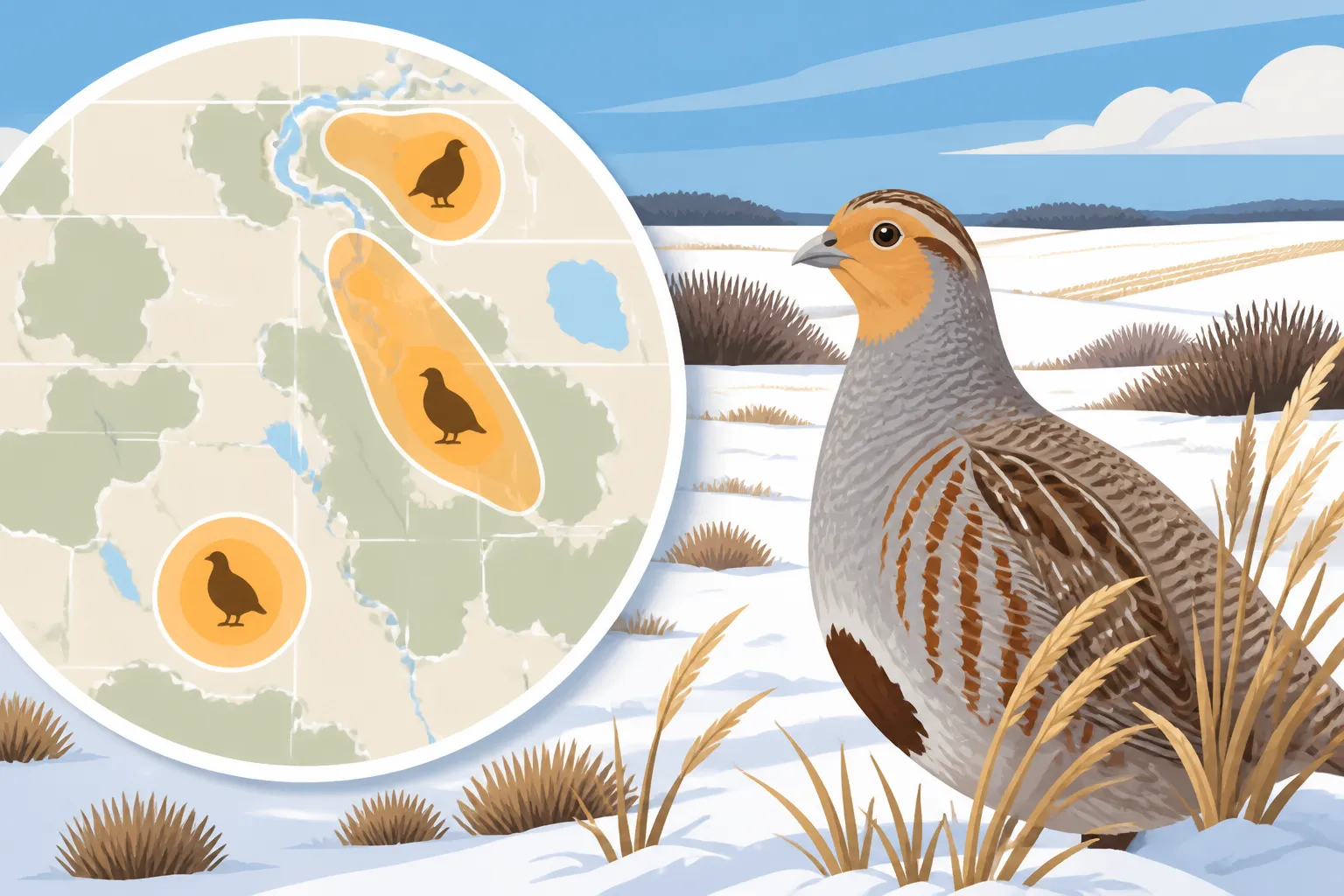
Where Hungarian Partridge Hold in Winter
Finding Hungarian partridge in Manitoba during the dead of winter can feel like searching for a needle in a haystack, especially when the fields are blanketed in snow and the wind is howling a bitter tune. Many hunters get frustrated, thinking the birds have simply vanished, but the truth is, Huns are incredibly resilient and adapt their habits to survive the harshest months. This guide will walk you through their winter survival tactics and, more importantly, pinpoint exactly where these clever little birds hunker down when the snow flies, giving you a real advantage in the late season.
Understanding Hungarian Partridge Winter Survival Strategies
Winter in Manitoba is no joke. For a small bird like the Hungarian partridge, it's a constant battle against the cold, deep snow, and scarcity of food. To consistently find these birds, we first need to understand why they choose certain spots over others. It's all about survival.
Why Winter is So Tough for Huns
Imagine yourself out there, a tiny bird with limited fat reserves, facing temperatures that can dip to -30 degrees Celsius or lower, often accompanied by biting winds. Deep snow covers their primary food sources – weed seeds, waste grains, and clover. Ice can form on berries and other plant matter, making it inaccessible. Their metabolism ramps up to stay warm, burning precious energy, which means they need to find food frequently. It's a relentless grind, and any advantage they can find in the landscape is crucial. Without adequate shelter from the elements and a reliable food source nearby, a covey simply won't make it through a severe Manitoba winter.
The Importance of Thermal Cover
This is the absolute cornerstone of winter survival for Hungarian partridge. Thermal cover isn't just about hiding from predators; it's about escaping the brutal cold and wind. Think of it as their winter bunker. Dense, multi-layered vegetation creates a microclimate, trapping heat and blocking wind, which can reduce the effective temperature by many degrees. This cover also provides a safe haven from aerial predators like hawks and owls, and terrestrial threats like coyotes and foxes, who are also more active in winter due to food scarcity. A good thermal cover spot will be something that can hold snow above the birds, creating an insulating layer, or provide such a dense thicket that wind simply can't penetrate.
Food and Water in a Frozen Landscape
Even with the best thermal cover, a partridge covey won't survive long without food and water. In winter, their diet shifts significantly. They'll scratch through light snow to find exposed weed seeds (like pigweed, ragweed, or kochia), waste grain in stubble fields, and even small berries if they can access them. They are incredibly adept at finding these scraps. Water is often obtained by eating snow, especially during warmer periods, or from open springs if they exist. The key here is proximity. A covey isn't going to fly a mile for food in frigid temperatures; they need their winter pantry right next to their bedroom. This means hunters should always be looking for that perfect blend of dense cover and accessible food sources.
Prime Winter Holding Cover for Hungarian Partridge
When you're out there, shivering in your layers and wondering where on earth the birds could be, remember that Huns are creatures of habit, especially when the stakes are so high. They pick their winter homes with extreme care.
Shelterbelts and Field Edges
Ah, the classic Manitoba shelterbelt – often a hunter's best friend for upland birds. For Hungarian partridge in winter, these linear strips of trees and shrubs are absolute magnets. Look for shelterbelts that are dense and multi-row, not just a single line of sparse trees. The ideal shelterbelt will have a thick understory of brush, tall grasses, and even some weeds. This provides the layered protection they need. The crucial part here is how the snow interacts with the shelterbelt. A well-designed or mature shelterbelt will cause snow to drift into and around its base, creating insulated pockets and even tunnels under the snow where the birds can roost in relative warmth, completely out of the wind.
When hunting these areas, don't just walk the outside edge. Dive into the thickest parts, especially where multiple rows of trees and shrubs create a wall against the prevailing winds. The birds will often be tucked deep inside, sometimes even in snow tunnels you wouldn't expect. Pay close attention to the south-facing sides of these shelterbelts, as they’ll catch more sun, offering a slightly warmer microclimate. These spots are also often adjacent to grain stubble or weed fields, providing that essential food source. Many hunters find success when Hunting Huns Along a Manitoba Shelterbelt throughout the season, and winter is no exception.
Slough Rings and Wetlands with Tall Vegetation
Manitoba's prairies are dotted with countless sloughs and wetlands, many of which can be winter havens for Huns. I’m not talking about open water, of course, but the thick, impenetrable rings of vegetation that surround them. Cattails, bulrushes, and tall, dense grasses, especially those that stay standing through the snow, offer fantastic overhead and lateral cover. Just like shelterbelts, these thickets will trap snow, creating insulating pockets. The key is that the vegetation needs to be strong enough to stand up against heavy snowfall without collapsing entirely, creating a canopy that the partridge can get under.
These slough rings are particularly attractive if they are adjacent to a harvested grain field or an untouched weed patch. The birds can duck out from their cozy cover, feed, and then quickly retreat when a threat appears or the cold becomes too much. Don't overlook the smaller, seemingly insignificant potholes either; even a few square metres of dense cattails can hold a covey. When exploring these areas, think about how you might systematically walk a Hunting a Slough Ring in Open Country to push birds out effectively, always being mindful of where they might fly to next for safety.
Overgrown Farmsteads and Abandoned Buildings
This is where the human element really plays into a partridge's winter survival. Old, abandoned farmyards, with their collection of dilapidated outbuildings, tangled overgrown gardens, and thickets of caragana or lilac, create incredibly diverse and effective winter cover. These spots offer a unique combination of natural and man-made shelter. The old foundations, broken machinery, and remnants of fences provide structure that catches and holds snow, creating excellent thermal pockets. The dense brush that typically takes over these sites adds to the protective layer.
Think about it: a small covey can roost in an old, collapsed shed, feed on seeds from a neglected garden patch, and dart into a thick stand of poplars or caragana when disturbed. These areas are often overlooked by hunters who focus only on fields and bush lines, making them fantastic hidden gems. They're particularly common in Manitoba's agricultural regions. When you're scouting, keep an eye out for these forgotten corners of the landscape. Hunting an Abandoned Homestead Yard can be surprisingly productive, but always remember to secure permission if it's on private land.
Strategies for Locating Winter Huns
Finding these elusive birds in winter isn't just about knowing where they might be; it's about having a systematic approach and knowing how to approach those locations effectively.
Scouting and Observation
Before you even step out with your shotgun, put in some legwork – or rather, windshield time and map time. In winter, partridge activity is often concentrated and therefore more visible if you know what to look for. Drive slowly along concession roads, especially during dawn and dusk, when birds might be moving from roosting cover to feeding areas. Look for tracks in fresh snow leading to and from thick cover. Droppings are another tell-tale sign, often found in feeding areas or under roosting spots. Small depressions in the snow, where birds have dusted or roosted, can also indicate their presence.
Satellite imagery, available through platforms like GoHunt, is an invaluable tool for identifying potential holding spots from the comfort of your home. You can zoom in on shelterbelts, analyze the density of slough rings, and spot those overgrown farmsteads. Use these maps to plan your walking routes and identify prime areas before you burn fuel or boots on the ground. Scouting With Satellite Imagery in Manitoba is a fantastic way to maximize your time in the field, especially when trying to pinpoint specific winter cover. It allows you to eliminate vast tracts of less promising land and focus on the most likely spots.
Walking Routes and Dog Work
Once you've identified a promising patch of cover, how do you work it? For small game like Huns, a methodical approach is key. If you're hunting without a dog, walk slowly and deliberately, pausing frequently. Huns are notorious for holding tight, often flushing at your feet when you least expect it. Focus on pushing birds towards open areas where you'll have a clear shot, but be ready for them to fly back into the thickest cover they can find. If you're hunting with a partner, working cover in a pincer movement, with one hunter on each side, can be highly effective.
If you're lucky enough to hunt with a good bird dog, they are truly indispensable for winter partridge. Their keen noses can find birds tucked deep in snowdrifts or dense brush that you'd walk right past. A pointing dog, like a German Shorthaired Pointer or an English Setter, will lock up, indicating exactly where the birds are, allowing you to move in for the flush. Using a Pointing Dog on Manitoba Prairie is an art form, and watching a dog work a covey in deep snow is a beautiful sight. Flushing dogs, like Springer Spaniels or Labs, can also be effective at driving birds out of thick cover, especially when the cover is so dense that even a pointer might struggle to get through. Using a Flushing Dog in Thick Cover requires you to be ready for fast action as birds burst out.
Timing Your Hunt for Success
Timing can make a huge difference. On intensely cold, windy days, Huns will be hunkered down, likely in the deepest, most protected thermal cover they can find, and they’ll be very reluctant to fly. These are often the toughest days to hunt, as birds will hold extremely tight, making it easy to walk past them. Conversely, on calmer, sunnier winter days, especially after a fresh snowfall that might make tracking easier, birds might be more active, moving to feed. The best time to catch them feeding is often early morning or late afternoon, when they leave their roosting areas.
Consider hunting after a light, fresh snowfall. The new snow will soften the landscape, making noise less of an issue, and it will also highlight fresh tracks, giving you clues to their recent activity. Strong winds are your enemy; try to hunt on relatively calm days or focus your efforts on the downwind side of cover, where birds will be seeking refuge from the blast. Remember, you're not just hunting the birds; you're hunting the weather and the conditions that dictate their behavior. Hunters who understand Hunting Safely in Deep Winter Cold will also recognize the importance of their own comfort and safety during these expeditions.
Key Environmental Factors Impacting Winter Hun Locations
Beyond the type of cover, several environmental factors influence exactly where Hungarian partridge will choose to spend their winter days. These nuances can make all the difference in locating a covey.
Snow Depth and Crusting
The depth and condition of the snow are arguably the most critical factors. Light, fluffy snow, up to six or eight inches, generally isn't a huge problem; Huns can scratch through it to access food. However, deep snow, especially anything over a foot, can completely bury their food sources and hinder their movement. This is when the densest thermal cover, capable of creating snow-free or snow-buffered pockets, becomes absolutely essential.
Even worse than deep snow is crusted snow or ice. When snow melts slightly and then refreezes, it forms a hard crust that partridge cannot scratch through. This can lead to starvation if it persists, forcing birds into areas where they can find exposed ground or where the cover is so dense that snow doesn't accumulate or crust as severely. Hunters should prioritize areas with varied topography or very dense vegetation that prevent uniform snow accumulation.
Wind Protection and Sun Exposure
Wind chill is a deadly enemy for small birds. Hungarian partridge will always seek out cover that provides maximum protection from the wind, regardless of the ambient temperature. A dense shelterbelt or slough edge, facing away from the prevailing wind, is a prime location. They often position themselves on the leeward side of hills, bluffs, or thickets.
Sun exposure also plays a significant role. On cold, sunny days, partridge will often gravitate towards south-facing slopes or the south side of cover, simply to bask in the limited warmth the winter sun provides. This extra bit of warmth can help them conserve energy. While it might only be a few degrees, those few degrees can mean the difference between life and death for a small bird struggling to maintain its body temperature.
Proximity to Food Sources
We've touched on this already, but it bears repeating: cover and food must be close together. A covey's winter home will inevitably be nestled right next to its winter pantry. This means harvested grain fields (wheat, barley, sunflower, canola), especially those with a bit of volunteer growth or some standing stubble that catches weed seeds, are gold mines. Fields that were harvested a bit rough or where combines dropped more grain are particularly attractive.
Look for areas where weed patches were left untouched through the fall, especially those with plants like lamb's quarters, pigweed, or kochia, whose seeds are high in energy and persist on the plant into winter. A successful winter hunt often boils down to finding that perfect intersection of robust thermal cover and a readily available food source. Consider fields where you might have done some Hunting a Swathed Grain Field at Dusk in the fall, or even Hunting a Sunflower Field After Harvest, as these often leave behind plenty of waste grain.
| Cover Type | Advantages for Huns in Winter | What to Look For (Hunter's Clues) |
|---|---|---|
| Multi-row Shelterbelts | Excellent windbreak, creates snow traps, dense roosting cover. | Thick undergrowth, snowdrifts, south-facing side, adjacent stubble. |
| Dense Slough Rings (Cattails) | Stands tall against snow, insulates, provides overhead cover. | Proximity to food, undisturbed wetlands, thickest parts of the ring. |
| Overgrown Farmsteads/Buildings | Man-made structures for shelter, diverse plant life, food scraps. | Dilapidated sheds, dense brush, old gardens, vehicle tracks leading in. |
| Thick Brush/Willows (Coulees) | Dense, low-lying cover, collects snow, offers wind protection. | Leeward side of hills, nearby weed patches, evidence of wildlife. |
| Standing Corn/Canola (Uncut) | Food and overhead cover, breaks wind, catches snow. | Adjacent to heavy cover, signs of bird use (droppings, tracks). |
Finding Hungarian partridge in winter is a challenging but incredibly rewarding experience. It demands a keen eye, patience, and a deep understanding of their survival needs. By focusing on dense thermal cover that offers protection from wind and snow, and ensuring it's always in close proximity to accessible food sources, you'll dramatically increase your chances of finding a covey or two. Good luck out there, and stay warm!
Disclaimer
This article is for general informational purposes only and does not constitute professional advice. Laws, prices and regulations vary by location and change over time. Consult a qualified professional for guidance on your specific situation.