Manitoba’s Barren-Ground Caribou Herds
Hunting in Manitoba offers a diverse landscape of opportunities, but for many, the vastness of our northern territories remains a mystery, especially when it comes to understanding its iconic wildlife. One creature that truly embodies the spirit of the far north is the Barren-Ground Caribou. These magnificent animals undertake some of the planet's most epic migrations, bringing them through parts of our province. This guide aims to pull back the curtain on Manitoba's Barren-Ground Caribou herds, helping you understand their movements, their ecological significance, and the unique challenges they face, offering a deeper appreciation for these hardy Arctic nomads.
Understanding Barren-Ground Caribou in Manitoba
When we talk about caribou in Manitoba, it's easy to get them mixed up, especially since we have different populations with distinct behaviours and habitats. The Barren-Ground Caribou are a specific ecotype, separate from their forest-dwelling cousins. They are synonymous with the expansive, treeless tundra and open taiga, an environment that truly tests the mettle of any creature. Understanding these differences is crucial for anyone interested in Manitoba's northern wildlife.
Distinguishing Barren-Ground from Woodland Caribou
The first thing to clarify is that not all caribou are created equal, at least not in terms of their ecology and behaviour. In Manitoba, we primarily deal with two main ecotypes: the Woodland Caribou, which are generally non-migratory and prefer denser boreal forests, and the Barren-Ground Caribou, known for their incredible migratory journeys across the open tundra and taiga.
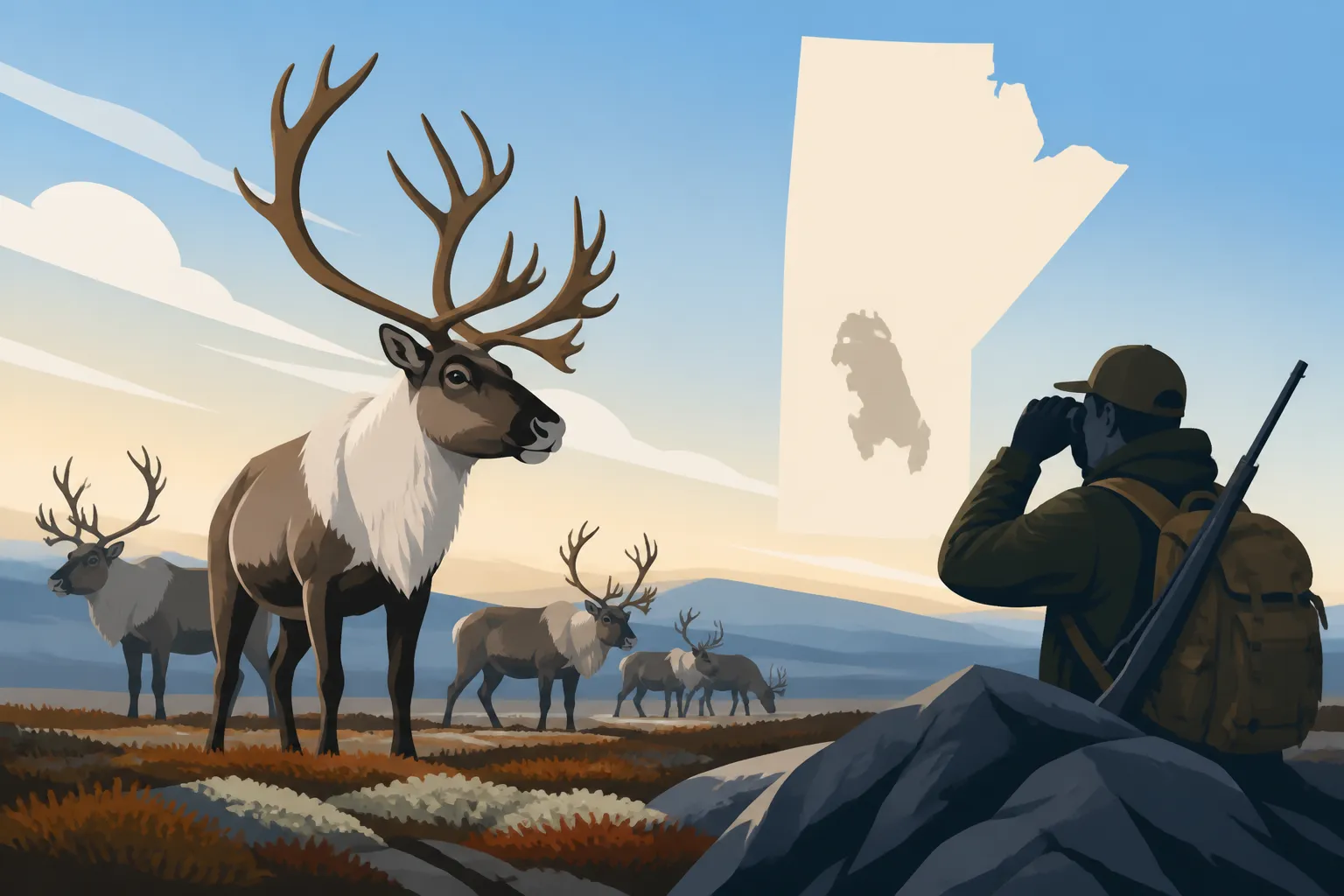
Barren-Ground Caribou typically have lighter coats, often appearing a greyish-brown with white necks and manes, which helps them blend into the snow-dusted, open landscapes they traverse. Their antlers tend to be larger and more complex, often featuring prominent brow tines that are more shovel-like than those of Woodland Caribou. Their social structure is also vastly different; Barren-Ground herds can number in the tens of thousands, moving as a massive collective. This communal behaviour is a direct adaptation to predator avoidance in open country and for efficiently locating scattered food resources across vast distances. In contrast, Woodland Caribou are usually found in much smaller groups, sometimes even solitary, navigating the dense boreal forests. Their conservation status also differs significantly; while Woodland Caribou are often a species of special concern, Barren-Ground populations, though facing their own challenges, historically have been much more numerous, though current trends are worrying. Knowing these distinctions is important, not just for identification, but for understanding the specific management and conservation needs of each type. If you're using a tool like GoHunt to research potential hunting areas, it's vital to know which caribou type inhabits which region.
The Unique Northern Habitat They Call Home
The habitat of Manitoba's Barren-Ground Caribou is as rugged and unforgiving as it is beautiful. These animals are tied to the vast, open landscapes of the northern reaches of our province, areas that transition from sparse boreal forest into the treeless tundra. This isn't the kind of country where you find lush deciduous trees or fertile farmlands; instead, it's a world dominated by stunted spruce, willow thickets along watercourses, and extensive areas of rock, moss, and lichen.
Their survival hinges on their ability to thrive in extreme conditions, with brutal winters and short, intense summers. During the warmer months, the tundra bursts with an array of grasses, sedges, and wildflowers, providing crucial forage. But it's the lichens, particularly reindeer lichen, that become a primary food source when snow blankets the ground. These lichens are energy-rich and surprisingly abundant, even beneath deep snow, which the caribou skillfully crater through to access. Their large, crescent-shaped hooves are perfectly adapted for this, acting like snowshoes to distribute weight and shovels to dig. The barren lands, with their sparse vegetation and wide-open spaces, offer a distinct advantage for these migratory herds, allowing them to escape insect swarms on higher ground and find cooler temperatures, which is a critical factor during the summer months when biting insects can drive them to distraction. The sheer scale of this northern expanse means that human infrastructure is minimal, offering a relatively undisturbed environment, which is increasingly rare for large migratory animals.
The Epic Migration of Manitoba's Barren-Ground Herds
The migration of Barren-Ground Caribou is one of nature's true spectacles. These animals don't just wander; they undertake purposeful, often thousands-of-kilometres-long journeys driven by ancient instincts, following the availability of food and escaping the relentless insect hordes of summer. For those living in or passing through northern Manitoba, witnessing even a small part of this movement is an unforgettable experience.
The Qamanirjuaq Herd and its Journey
When we talk about Barren-Ground Caribou in Manitoba, we're primarily focused on the Qamanirjuaq herd. This isn't a small, isolated group; it's one of the largest barren-ground caribou herds in North America, with a traditional range that spans across Nunavut, the Northwest Territories, and into the very northern reaches of Manitoba. Imagine a river of animals, thousands strong, moving purposefully across the landscape – that's the Qamanirjuaq at its peak.
Their annual migration is a masterpiece of survival, dictating every aspect of their lives. In late winter and early spring, the pregnant cows begin their arduous journey northward to their calving grounds, typically in the vast, open tundra of Nunavut. This northward push is timed precisely so that when they arrive, the fresh, nutritious forage of the spring growth is emerging, providing the energy needed for calving and nursing. After the calves are born and gain strength, the herd, now swelled with new life, will begin its southward post-calving migration, often into the taiga and open forest regions, where they seek out slightly more sheltered foraging areas as winter approaches. This seasonal movement, often through Manitoba's northern reaches, is driven by an intricate dance between food availability, predator avoidance, and insect pressure. Hunters interested in Manitoba's Barren-Ground Caribou Herds often focus on intercepting these animals during their southward journey.
Timing the Annual Movement Through Manitoba
Catching the Barren-Ground Caribou during their passage through Manitoba is all about timing, and it's a window that can shift from year to year based on weather patterns, snow depth, and forage conditions further north. Generally, the caribou begin their southward migration in late summer or early fall. This is when they start to leave their calving and summer ranges in Nunavut and the Northwest Territories, making their way towards the treeline and boreal forest of Manitoba.
By September and October, you might start to see the leading edge of the migration entering Manitoba, particularly in the extreme northeastern parts of the province, east of communities like Churchill and Gillam. The main body of the herd, however, often doesn't push significant numbers into Manitoba until later in the fall, sometimes extending into November and even December, especially if milder weather persists or if strong north winds push them south. Hunters keen on When Caribou Reach Northern Manitoba know that patience and flexibility are key. These animals are constantly on the move, and their path isn't a fixed highway. Utilizing remote sensing data and checking reports from Indigenous communities and local experts can give you the best chance of intercepting the herds. The exact timing and extent of their stay within Manitoba can vary wildly, making them a challenging yet incredibly rewarding species to observe or pursue.
Population Status and Conservation Concerns
The health and vitality of Barren-Ground Caribou herds are a constant focus for biologists and conservationists. These animals are often considered an indicator species for the health of the northern ecosystems they inhabit. Like many migratory species, they face a complex web of challenges, some natural and some human-induced, that can impact their numbers significantly.
Current Herd Health and Long-Term Trends
For many years, the Qamanirjuaq herd, like other barren-ground caribou populations across the Arctic, experienced periods of remarkable abundance. These were the herds that could number in the hundreds of thousands, a truly awe-inspiring sight. However, in recent decades, there's been growing concern about declining numbers across many of these herds, including the Qamanirjuaq. While not all herds are experiencing the same trends, the general picture for barren-ground caribou overall points to a need for careful monitoring and proactive management.
The Qamanirjuaq herd itself has seen fluctuations. Current estimates vary, but they suggest a significant reduction from their historical peaks. This isn't a unique situation; other major barren-ground herds, such as the Bathurst and Ahiak, have also experienced substantial drops. Scientists use a variety of methods to track these populations, including aerial surveys, satellite telemetry of collared animals (GoHunt often provides detailed insights into animal movements using such data), and traditional knowledge from Indigenous communities. The long-term trend, unfortunately, shows a general decline or stabilization at lower population levels for many herds. This isn't a simple boom-and-bust cycle that caribou are known for; rather, it's a sustained period of lower numbers that worries conservationists and those who rely on caribou for sustenance and culture. Understanding these trends is paramount to developing effective strategies for future generations.
Factors Affecting Caribou Numbers in the North
The reasons behind the changing fortunes of Barren-Ground Caribou populations are multifaceted and often interconnected. It's rarely one single factor but rather a combination of pressures that collectively impact their ability to thrive. Climate change is a significant player, altering weather patterns, increasing the frequency of severe icing events (which can lock away critical lichen forage), and affecting vegetation growth on the tundra. Warmer temperatures also mean longer and more intense insect seasons, which can stress caribou, causing them to expend more energy trying to escape biting flies and mosquitoes, leading to reduced feeding time and poorer body condition.
Habitat fragmentation is another growing concern, even in seemingly pristine northern landscapes. While large-scale industrial development might be less prevalent directly in their Manitoba range, mining and resource extraction activities further north in their broader range can disrupt migration routes, create barriers, and degrade critical calving or wintering grounds. Increased predator pressure from wolves and bears, especially when caribou populations are already stressed, can also have a disproportionate impact. Additionally, changes in hunting pressure, both subsistence and licensed, need to be carefully managed to ensure sustainability. Diseases and parasites, though less understood on a population scale, can also play a role. All these factors create a complex adaptive challenge, requiring a holistic approach that integrates scientific research, Indigenous knowledge, and adaptive management policies to safeguard these incredible animals.
Hunting Barren-Ground Caribou in Manitoba
For those drawn to the ultimate northern hunting adventure, pursuing Barren-Ground Caribou in Manitoba is an experience unlike any other. It's not just a hunt; it's an expedition into one of the wildest places on Earth, demanding meticulous planning, physical resilience, and respect for the environment. However, it's critical to understand the specific regulations and logistical challenges involved.
Licence Requirements and Season Specifics
Hunting Barren-Ground Caribou in Manitoba is a privilege, and it comes with very specific rules designed to protect the herds and ensure sustainable practices. First and foremost, you'll need the appropriate Manitoba hunting licence, which will include a specific caribou tag. For non-residents, whether from other Canadian provinces or international hunters, there's an added layer of regulation: Which Species Foreign Hunters Must Book Guided. Barren-Ground Caribou fall into this category, meaning foreign residents must book their hunt through a licensed Manitoba outfitter. This requirement ensures that hunts are conducted ethically and with adherence to local laws, and it provides a level of safety and logistical support crucial for remote northern hunts.
The season dates for Barren-Ground Caribou are typically set in the fall, often aligning with the southward migration. These dates can vary slightly year-to-year and by Game Hunting Area (GHA), so it's absolutely essential to consult the most current Manitoba Hunting Guide or check the province's online licensing portal. Bag limits are usually very conservative, often one animal per hunter, reflecting the conservation-first approach for these herds. Remember that these regulations are subject to change based on population surveys and herd health, so staying informed right up to your hunting date is paramount. Understanding Manitoba Big Game Season Dates is a critical first step for any hunter planning this kind of trip.
Here's a simplified overview of typical Barren-Ground Caribou hunting considerations:
| Aspect | Detail |
|---|---|
| Target Species | Barren-Ground Caribou (Rangifer tarandus groenlandicus) |
| Primary Herd | Qamanirjuaq Herd |
| Season | Generally Fall (Oct-Nov), consult current regulations for specific dates |
| Licence Type | Manitoba Resident or Non-Resident Caribou Licence/Tag |
| Non-Resident Rule | Must be booked through a licensed Manitoba outfitter |
| Bag Limit | Typically one caribou per hunter (check current regulations) |
| Hunting Area | Extreme Northern Manitoba GHAs, accessible mainly by air |
| Access | Remote, usually fly-in camps |
| Challenges | Weather, logistics, remoteness, caribou movement |
Remote Access and Logistical Challenges for Hunters
Hunting Barren-Ground Caribou is not your typical drive-to-camp experience. The areas they inhabit in northern Manitoba are incredibly remote, often lacking road access entirely. This means that a significant portion of the hunting adventure involves intricate logistics, primarily centred around air travel. Most hunters will fly into communities like Thompson or Churchill, and from there, charter float planes or bush planes to reach remote camps or drop-off points in the designated GHAs. This is where researching Flying North for Manitoba Caribou becomes essential.
The challenges are considerable. Weather in the North can be unpredictable and severe, leading to delays or changes in flight plans. Hunters need to be prepared for extreme cold, sudden blizzards, and rugged terrain. Packing light but effectively is crucial, considering strict weight limits on bush planes – you'll need all your gear, food, and the ability to pack out a harvested animal. Imagine trying to get a large bull caribou, which can weigh What a Barren-Ground Bull Weighs up to 400 pounds, from a remote tundra location to a plane. This typically involves extensive quartering and multiple trips. This is why a reputable outfitter is not just a luxury but a necessity for most. They handle the charter flights, camp setup, guiding, and often the crucial details of meat and trophy recovery, ensuring you have the best chance to focus on the hunt itself. For hunters who want to avoid logistical headaches, services like GoHunt can help connect them with experienced outfitters who specialize in these types of remote hunts.
The Role of Indigenous Communities and Co-Management
The relationship between people and caribou in northern Manitoba is ancient and profound, particularly for Indigenous communities. Their traditional knowledge and practices are not just historical curiosities; they are vital, living components of caribou conservation and management today. Understanding this relationship is crucial for anyone engaging with Barren-Ground Caribou in Manitoba, be it for observation, research, or hunting.
Traditional Knowledge and Sustainable Practices
For generations spanning thousands of years, Indigenous communities in northern Manitoba and across the broader caribou range have lived in intimate connection with Barren-Ground Caribou. The caribou are more than just an animal; they are a cornerstone of culture, sustenance, and spiritual identity. This deep relationship has fostered an unparalleled body of traditional knowledge regarding caribou behavior, migration patterns, health, and population dynamics. Unlike scientific studies that might span a few decades, traditional knowledge often encompasses observations over centuries, providing invaluable long-term perspectives on herd fluctuations and environmental changes.
Indigenous hunters, for instance, have always practiced sustainable harvesting, taking only what is needed and showing profound respect for the animal. Their understanding of Hunting Caribou on the Migration Route often includes knowing where and when to harvest to minimize disturbance to the main herd, selecting individual animals that are healthy, and ensuring no part of the animal goes to waste. These practices are rooted in a worldview that emphasizes reciprocity and balance with nature. In recent times, there's been a growing recognition of the scientific validity and practical importance of integrating this traditional ecological knowledge (TEK) with Western science. It provides crucial context and insights that purely scientific methods might miss, offering a richer, more nuanced picture of caribou health and movement, which is essential for effective conservation.
Collaborative Efforts for Caribou Preservation
Given the complex challenges facing Barren-Ground Caribou, effective conservation demands a collaborative approach. Indigenous communities are not just stakeholders; they are primary partners and leaders in caribou management. Co-management boards and working groups, often involving provincial and territorial governments, Indigenous groups (such as the Beverly and Qamanirjuaq Caribou Management Board, which directly impacts Manitoba's herds), and sometimes non-governmental organizations, have been established to pool resources and expertise.
These collaborative efforts aim to develop and implement management plans that consider both scientific data and traditional knowledge. This might involve joint aerial surveys to count animals, sharing observations on herd movements and health, and co-creating regulations that respect both modern conservation principles and traditional harvesting rights. For example, discussions around caribou season dates and limits are often a result of these co-management processes, seeking a balance that supports the herd's recovery while acknowledging the cultural importance of caribou to northern communities. This integrated approach is vital because caribou don't recognize political borders; their migrations span vast territories, necessitating cooperation across jurisdictions and cultures. By working together, there's a much stronger chance of securing a healthy future for these magnificent animals and ensuring their presence for generations to come, much like collaborative efforts around Adding a Wolf to a Caribou Hunt help manage predator populations in a balanced way.
Disclaimer
Please note that hunting regulations, season dates, and access rules in Manitoba are subject to change. It is the responsibility of every hunter to consult the most current Manitoba Hunting Guide and relevant provincial government resources before planning or engaging in any hunting activity. This article provides general information and should not be considered a substitute for official regulatory documents. Always prioritize safety and ethical hunting practices.