How Deep Snow Moves Deer Into Cover
When those Manitoba blizzards hit and the snow piles up, it doesn't just make driving tough for us; it completely re-writes the rulebook for our whitetail deer. Many hunters get frustrated when their usual hotspots go cold, wondering where all the deer vanished to. This guide is here to explain exactly how deep snow impacts deer movement and pushes them into specific types of cover, helping you understand their survival strategies and adapt your hunting approach for success.
The Immediate Impact of Heavy Snowfall on Whitetail Behavior
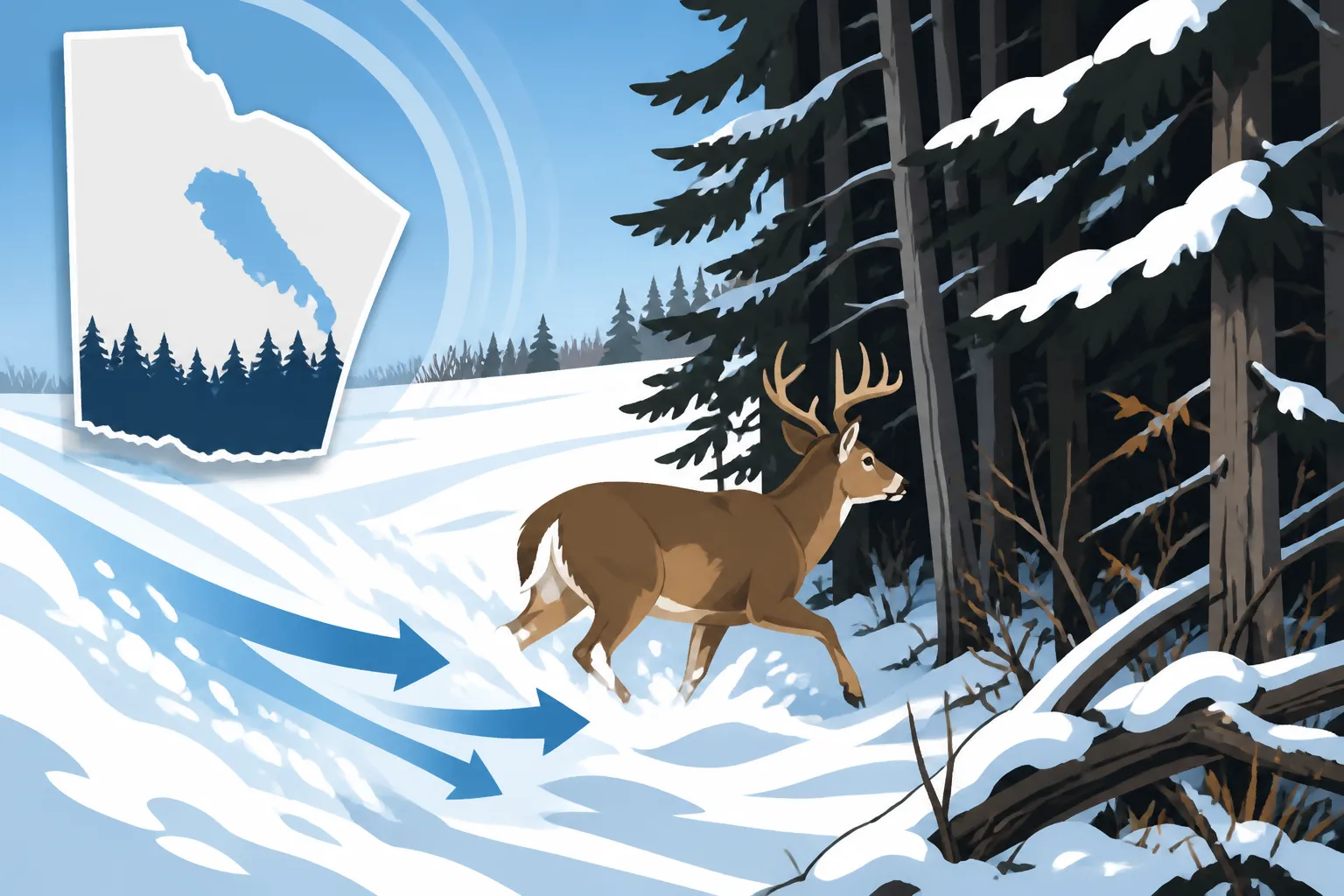
You know that feeling when you wake up and there's a foot or more of fresh, heavy snow outside? It's beautiful, sure, but for a whitetail deer, it's a huge challenge. Their whole world changes almost overnight. Suddenly, every step becomes an exhausting effort, pulling their legs up through drifts that can reach their chest. This isn't just an inconvenience; it's a matter of survival, and it fundamentally alters their daily routines and movement patterns.
The first thing you'll notice is a drastic reduction in movement. Deer aren't going to wander far from their chosen bedding areas if they don't have to. Every calorie is precious when it's cold and food is harder to reach, so they're looking to conserve energy wherever possible. They'll minimize unnecessary travel between feeding, bedding, and watering sources. This often means they'll choose cover that offers all three in close proximity, or at least highly accessible travel corridors. It's not about being lazy; it's about being efficient to survive the harsh realities of a Manitoba winter.
Furthermore, deep snow amplifies the predator-prey dynamic. While the snow can muffle sounds, making it harder for predators like wolves and coyotes to pinpoint deer by sound alone, it also makes deer much more vulnerable. Their speed is severely hampered, and their mobility is reduced, making them easier targets if a predator does manage to get close. This heightened sense of vulnerability drives them even deeper into thick cover, especially areas that offer some form of shelter from the elements and a feeling of security. They become hyper-aware, constantly scanning their surroundings, making any approach by a hunter even more challenging. You might even find them taking refuge in areas where hunters are less likely to tread, perhaps even areas that you thought were too thick or too difficult to navigate.
Where Whitetails Seek Sanctuary: Preferred Cover in Deep Winter
When the snow gets deep, whitetails aren't just looking for any cover; they're looking for very specific types of habitat that offer multiple benefits. Think about it: they need shelter from the biting winds and cold, protection from predators, and access to food sources, all while expending as little energy as possible. This narrows down their options considerably, creating predictable patterns for those who know what to look for.
Coniferous Stands and Heavy Bush
One of the absolute best places to find deer in deep snow is in dense coniferous stands, like spruce or jack pine, or even incredibly thick aspen or willow thickets. These areas provide invaluable thermal cover. The thick canopy of conifers catches and holds snow, creating a warmer, drier microclimate underneath. It’s like their own natural insulated igloo, where temperatures can be several degrees warmer than out in the open, and the snow on the ground might not be as deep. This is crucial for their survival, especially during prolonged cold snaps or when you're Hunting Whitetails at Thirty Below. The dense branches also offer visual concealment from predators.
Beyond conifers, heavy bush country, including mature aspen or willow runs that form dense thickets, becomes prime real estate. These areas might not offer the same thermal advantage as spruce, but they provide excellent physical obstruction from wind and incredible concealment. Deer will often create a network of packed trails, or "deer yards," within these thickets, allowing them to move with less effort between small feeding pockets and bedding sites. When you're scouting, look for these established trails, almost like miniature highways through the deep snow. You'll often find them along a Hunting a Willow Run for Whitetails or deep within a Hunting a Manitoba Bush Edge.
River Bottoms and Ravines
River bottoms, creek beds, and deep ravines are also magnets for deer when heavy snow hits. These geographical features offer a few key advantages. Firstly, the topography itself provides a natural windbreak. The banks of a river or the sides of a coulee shield deer from prevailing winds, reducing heat loss. Secondly, these areas often have a mix of cover types, from mature trees along the water's edge to dense underbrush on the slopes. This diversity provides both thermal cover and excellent concealment.
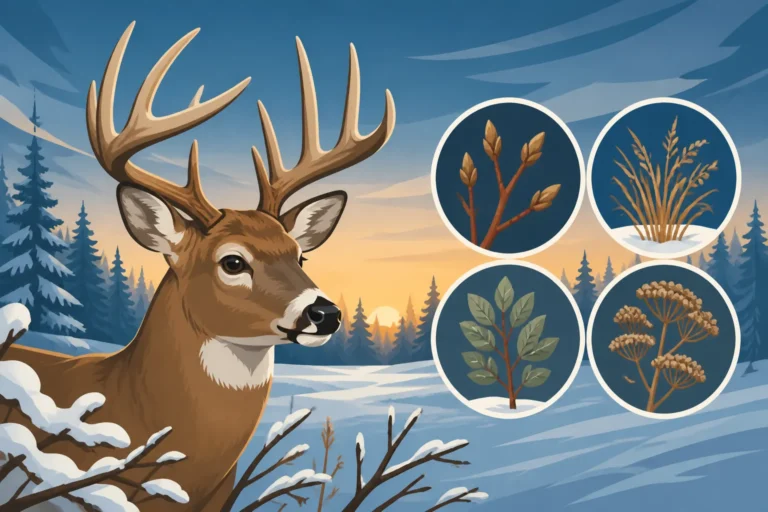
Furthermore, river and creek bottoms frequently host a greater variety of browse species that remain accessible even under significant snow, such as dogwood, willow, and various shrubs. Deer can often paw through shallower snow in these sheltered spots to reach this crucial winter forage. The water source, if not completely frozen solid or if there are open springs, is also readily available. These sheltered corridors become critical travel routes and bedding areas, especially during the harshest parts of winter. If you're looking at a map, don't overlook a Hunting a Manitoba River Valley or even a smaller Hunting a Prairie Coulee Bottom.
Standing Crops and Unharvested Fields
While not offering the same thermal protection as dense bush, standing crops, particularly corn or sunflower fields that haven't been harvested, can become a significant draw for deer in deep snow conditions, especially on Manitoba farmland. The tall stalks of corn provide both visual cover and a partial windbreak. More importantly, they offer an immediate and abundant food source that can be reached without expending massive amounts of energy. Deer will bed right within these fields, creating depressions in the snow among the stalks.
The downside is that these fields don't offer much in the way of thermal cover, so deer using them are more exposed to the cold, especially on windy days. They might use them as a primary food source, venturing out only to bed in the nearest secure bush, or they might try to combine both, using the deepest, most sheltered parts of the field as a temporary bed. Hunters should focus on the edges where these fields meet more substantial cover, or where a Hunting a Field of Standing Corn meets a bluff or bush line. It's a risk-reward calculation for the deer, balancing food accessibility against thermal comfort and predator avoidance.
Reading the Landscape: How to Scout for Deer in Snow-Filled Terrain
Scouting in deep snow isn't just about finding deer; it's about understanding why they are where they are. The snow acts like a giant blank slate, revealing stories of movement, feeding, and bedding that would otherwise be hidden. Every track, every disturbed patch of snow, tells a part of that story. Learning to interpret these signs is paramount for successful late-season hunting.
Interpreting Tracks and Trails
In deep snow, deer tracks become incredibly obvious. They'll often appear as deep post-holes, especially if the snow is soft and powdery. However, more importantly, you'll start to notice established deer trails – paths where multiple deer have travelled, packing down the snow. These trails are gold. They indicate preferred travel corridors and areas of consistent deer activity. Don't just follow a single set of tracks; look for where multiple sets converge and form these compacted pathways. These are often leading between bedding areas and food sources, or connecting different pockets of secure cover.
Pay close attention to the direction of travel and the freshness of the tracks. Fresh tracks, especially those with crisp edges or even a bit of melting from the deer's body heat, indicate recent activity. Tracks that are partially filled with fresh snow, or that have rounded, softened edges, are older. You'll also want to look for "dragging" tracks, where the deer's lower leg drags through the snow between steps. This signifies deep, heavy snow and often indicates a deer moving slowly, conserving energy, and likely not far from secure cover. Using a tool like GoHunt can help you visualize these natural funnels and likely travel routes even before you hit the ground, overlaying topographical maps with satellite imagery to identify prime areas like a Hunting a Bluff Between Two Fields.
Identifying Bedding and Feeding Areas
Deep snow makes identifying bedding and feeding areas much easier. Bedding areas will appear as depressions in the snow, often oval-shaped, where a deer has laid down. In deep snow, these will be more pronounced, often found in the densest part of a coniferous thicket, on the leeward side of a ridge, or deep within a willow run. Look for clusters of beds, indicating multiple deer using the same area. The surrounding snow might also show signs of melted snow or even frost from the deer's body heat, especially if they've been there recently or for an extended period.
Feeding areas are typically identified by disturbed snow where deer have pawed through to access forage. You'll see patches of exposed ground, gnawed branches, or even scattered corn kernels in a stubble field. Combine this with tracks leading directly to and from these areas. The contrast of the white snow makes these signs stand out like a neon sign. Remember that deer will prioritize accessible food. A field of standing corn near a heavy bush will be a much more attractive feeding area than an open pasture requiring a long, exposed walk. Sometimes, the most subtle signs, like bark rubbed off small saplings at deer height, can indicate a consistent food source in a bedding area. Knowing What Whitetails Eat Through a Hard Winter can help you pinpoint these spots.
Adapting Your Hunting Strategy to Deep Snow Conditions
Hunting in deep snow requires a significant shift in strategy. Your usual tactics might not cut it, and you’ll need to adjust for both the deer’s altered behavior and the challenges the snow presents to you as a hunter. This is where patience, preparation, and knowing when to adapt truly pay off.
Focusing on Security Cover and Funnels
When deer are trying to conserve energy and avoid predators in deep snow, they become incredibly predictable in their travel. They will stick to the path of least resistance and the most secure cover. This means your best bet is to focus your efforts on these areas. Identify the densest coniferous stands, the deepest river bottoms, or the thickest bush pockets that offer both shelter and potential food. Once you've found these core areas, look for the natural funnels or pinch points that connect them. These could be narrow strips of bush, a specific break in a fence line, or even a hardened deer trail through otherwise impassable snow.
Imagine a large, open field with a thick bush on one side and a smaller, isolated bluffs of trees on the other. In normal conditions, deer might cross anywhere. But with deep snow, they'll likely funnel through the path of least resistance – perhaps a shallow ditch with less snow, or a narrow treeline that provides cover. Setting up a stand or blind in these natural funnels, especially if they're close to a confirmed bedding area, can significantly increase your odds. Remember, the deer are moving less, so you need to be in the exact right spot when they do decide to move. A reliable GPS or mapping app like GoHunt can be invaluable for identifying these subtle terrain features and planning your approach, helping you to pinpoint where How Deep Snow Moves Deer Into Cover is most likely happening.
Still-Hunting and Tracking
While stand hunting over a funnel is effective, deep snow also opens up excellent opportunities for still-hunting and tracking. The snow not only makes deer movement more predictable but also provides a quieter medium for you to move through, muffling your footsteps. When there's a fresh blanket of snow, take advantage of the opportunity to read the signs and track deer. Start by finding fresh tracks leading into thick cover. Then, move slowly and deliberately, scanning ahead constantly. The deer will likely be bedded down in dense cover, so you'll need to be incredibly stealthy and observant.
The key to successful still-hunting in deep snow is patience and extreme attention to detail. Take a few steps, then pause and scan the environment, particularly looking for horizontal lines, deer ears, or a patch of fur that contrasts with the white snow. Pay attention to how the wind is blowing, always trying to keep it in your favor. If you're tracking, and the tracks suddenly disappear into an incredibly thick patch, slow down even more. The deer is likely bedded just ahead. This method requires a lot of grit, especially when you're Sitting All Day in a Manitoba Blind and the temperatures plummet, but it can be incredibly rewarding. Make sure you've got a proper Winter Truck Kit for a Manitoba Hunt packed, because you'll be out there a while!
Strategic Use of Roads and Trails
Deep snow often forces deer to use existing roads, snowmobile trails, or even old logging roads as travel corridors, simply because the snow is packed down, making travel much easier. While you can't hunt from a motorized vehicle, identifying where deer cross or travel along these packed routes can be a huge advantage. They provide a path of least resistance through otherwise challenging snow conditions.
Consider setting up a stand or blind overlooking a point where a well-used deer trail intersects with one of these packed roads or trails, especially if it leads into a significant bedding or feeding area. Deer are less likely to expend energy post-holing through deep snow if there's a packed trail nearby. These routes can also provide you with easier access to remote hunting areas, allowing you to get deeper into the bush without as much physical exertion. Always double-check regulations regarding hunting near roads and trails in your specific Game Hunting Area, but understanding how deer leverage these features can be a game-changer when you're out there.
| Cover Type | Why Deer Prefer It in Deep Snow | Hunting Strategy |
|---|---|---|
| Dense Conifers (Spruce/Pine) | Thermal protection, windbreak, snow interception, visual cover. | Focus on leeward sides, natural funnels leading into/out of, still-hunting interior. |
| Heavy Bush (Aspen/Willow) | Excellent visual cover, some wind protection, network of packed trails. | Scout for established deer yards and trails; hunt edges where they meet open areas. |
| River Bottoms/Ravines | Windbreak from topography, diverse browse, water access, thermal sinks. | Hunt the banks and sheltered slopes; look for crossings or bottlenecks along the bottom. |
| Standing Crops (Corn/Sunflower) | Abundant, accessible food; some visual cover; minor windbreak. | Hunt edges where fields meet heavy bush; focus on entry/exit points at dawn/dusk. |
Hunting in deep snow isn't just about enduring the cold; it's about understanding and anticipating the deer's response to these challenging conditions. By focusing on the types of cover they prefer, learning to read the detailed stories left in the snow, and adjusting your tactics accordingly, you'll find that these winter hunts can be some of the most rewarding. It's a chance to truly connect with the landscape and the resilience of the whitetail. Don't be afraid of the snow – embrace it as your guide to where the deer will be.
Disclaimer
This article is for general informational purposes only and does not constitute professional advice. Laws, prices and regulations vary by location and change over time. Consult a qualified professional for guidance on your specific situation.