Invasive Species Manitoba Hunters Should Report
As hunters, we share a deep connection with Manitoba's wild places. We're out there, day in and day out, in parts of the bush and on edges of fields that most folks never see. That's why when something feels off, or we spot something that just doesn't belong, it can be a real gut punch. We spend so much time immersed in nature, tracking game and understanding the subtle shifts of the ecosystem, that we often become the first line of defense against threats like invasive species. This guide is all about helping you identify those unwelcome guests and understand how your vigilance and quick reporting can make all the difference in protecting Manitoba's cherished hunting grounds for generations to come.
Why Hunters are on the Front Lines of Invasive Species Detection
When you think about who's really out there, deep in the wild, observing the nuances of the landscape, hunters are at the top of the list. We're not just passing through on a groomed trail; we're immersed, studying every rustle, every track, every plant, and every water feature. This unique perspective makes us invaluable eyes and ears in the fight against invasive species.
The Hunter's Unique Vantage Point
Let's face it, most people experience Manitoba's outdoors from a trail or a campsite. But as hunters, we're off the beaten path, pushing through dense cover, crawling through willow thickets, and sneaking along creek beds that see very little human traffic. We're scouting new areas, exploring old logging roads, and often spending hours, if not days, in a single remote location. This means we're privy to observations that the casual hiker or weekend camper simply won't make.
We notice when a familiar stand of aspen or oak starts to look sparse, or when the undergrowth feels different, less diverse. We spot unusual tracks or signs in areas where they shouldn't be. We might come across a strange plant choking out the berry bushes that deer and bears rely on, or see something odd floating in a quiet backwater while waterfowl hunting. This intimate knowledge of what "normal" looks like in a particular GHA gives us an almost instinctual ability to recognize when something is out of place. Our commitment to the land isn't just about harvesting game; it's about preserving the entire delicate balance that supports that game.
Understanding the Threat: What Makes a Species Invasive?
An invasive species isn't just any plant or animal that’s moved into a new area. The true definition carries a heavier weight. An invasive species is a non-native organism whose introduction to a new habitat causes, or is likely to cause, economic or environmental harm, or harm to human health. They arrive from other regions, often hitchhiking on human activity – through shipping, horticulture, or even recreational equipment – and then thrive in their new environment because they lack natural predators, diseases, or competitors that kept them in check in their native range.
The impacts can be devastating and ripple through an entire ecosystem. For native wildlife, invasive plants can outcompete crucial food sources and alter habitat structure, making it less suitable for nesting birds or bedding deer. Invasive animals can directly predate on native species, compete for food, or even spread diseases that native populations have no immunity to. Economically, they can damage agricultural crops, clog waterways, and require significant funds for control and management. As hunters, these are direct threats to the quality of our hunting experiences and the health of the game we pursue. It's a concern that really hits home when you see how a seemingly small change can throw everything out of whack.
Key Invasive Species Manitoba Hunters Should Keep An Eye Out For
Being aware of the most common and damaging invasive species in Manitoba is the first step in becoming an effective sentinel for our wild spaces. There are a few major players that we, as hunters, are particularly well-positioned to spot and report.
Wild Boar: A Growing Concern
Wild boar (which often includes hybrids of domestic pigs and true wild boar) are perhaps one of the most concerning invasive animals in Manitoba right now, and hunters are absolutely crucial in monitoring their spread. These animals are incredibly adaptable, prolific breeders, and cause extensive damage to agricultural lands and natural habitats alike. They root up fields, destroy wetlands, prey on ground-nesting birds and fawns, and can carry diseases like African swine fever, which could devastate domestic hog populations and potentially impact other wildlife.
As you're out hunting deer or chasing grouse, keep an eye out for their distinctive signs. Look for extensive rooting in fields or forest floors, where the ground looks like it's been rototilled. You might find tracks that resemble domestic pig tracks but are often larger and rounder, sometimes with visible dewclaws in softer ground. Physical sightings are less common but unmistakable: large, dark-haired pigs, often with tusks, moving singly or in sounders (groups). They're not a regulated game animal in the way other species are, and the provincial strategy focuses on eradication rather than establishment. If you see one, it's not a harvest opportunity; it's a critical reporting moment. Understanding Manitoba's Wild Boar Control Effort is key to contributing effectively to their management.
European Buckthorn and Common Tansy: Plant Invaders Affecting Wildlife Habitat
It’s not just animals we need to worry about; invasive plants pose a huge threat too. European Buckthorn and Common Tansy are two examples that can seriously degrade wildlife habitat and reduce biodiversity.
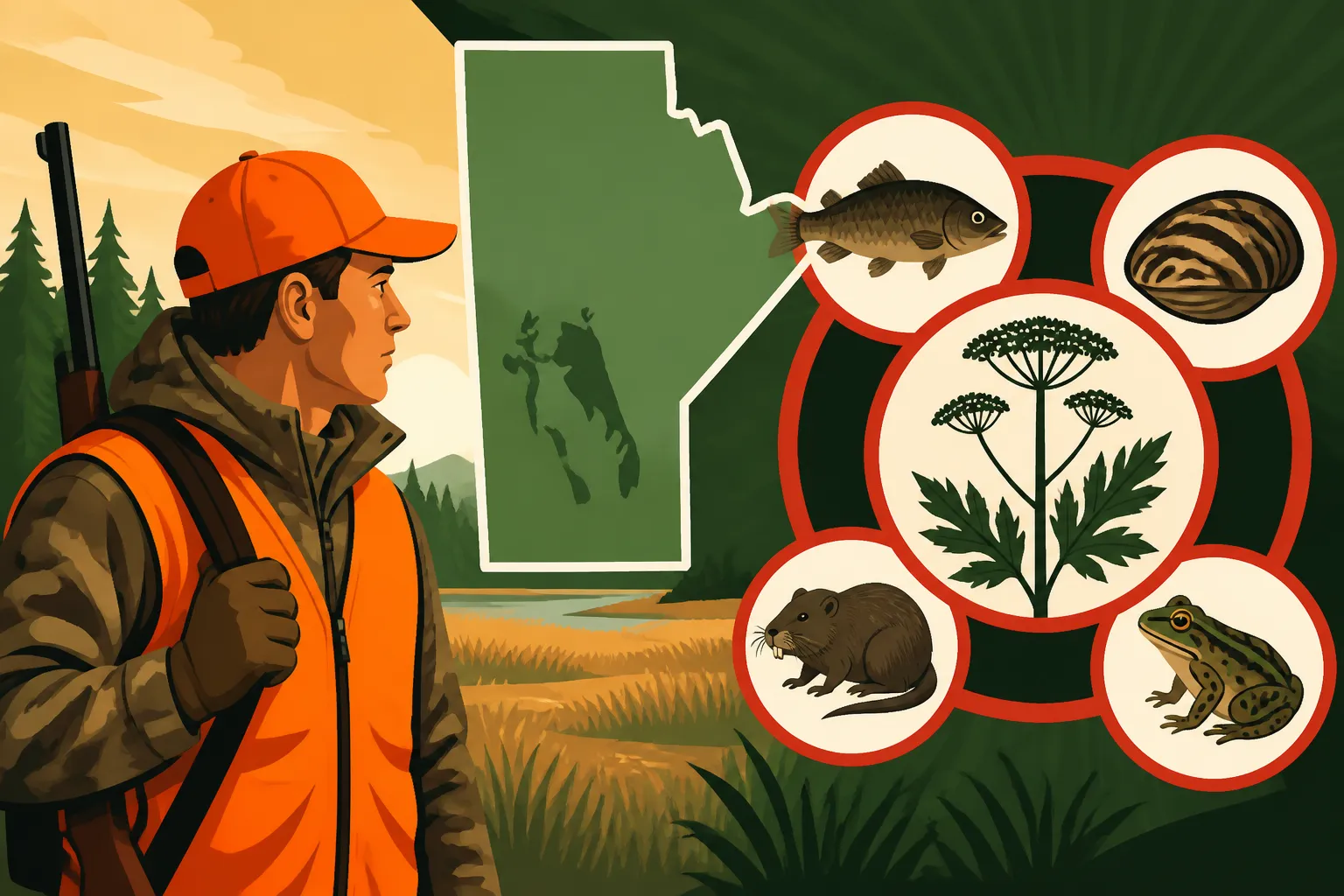
European Buckthorn is a shrub or small tree that forms dense thickets, outcompeting native shrubs like saskatoons and highbush cranberries, which are vital food sources for deer, moose, bears, and many bird species. It leafs out early in spring and holds its leaves late into fall, shading out native plants and preventing their growth. Its berries, though eaten by some birds, are a poor food source and have a laxative effect, actually spreading the seeds further. You'll often find it in forest understories, along fencelines, and at forest edges. Look for its distinctive dark, almost black, berries that persist into winter, its thorny branches, and its early-season green leaves.
Common Tansy is another aggressive plant invader, often found along roadsides, disturbed areas, and increasingly, creeping into pastures and natural grasslands. It's easily identified by its fern-like leaves and clusters of bright yellow, button-like flowers that bloom from mid-summer into fall. Tansy can quickly take over an area, forming dense stands that are toxic to livestock if consumed in large quantities and generally inedible for most wildlife. This means valuable forage areas become useless. When you're walking up sharp-tailed grouse or Hunting Hungarian Partridge on Manitoba Farms, you'll notice these plants, and a significant patch should definitely be reported. These plants directly reduce the carrying capacity of the land for the game we love to pursue.
Zebra Mussels and Rusty Crayfish: Aquatic Threats to Our Waters
For those who enjoy waterfowl hunting or fishing, aquatic invasive species are a serious concern. They can dramatically alter aquatic ecosystems, impacting fish populations and the food sources available for ducks and geese.
Zebra Mussels are probably the most well-known aquatic invader in Manitoba. These small, D-shaped, striped mussels attach themselves to almost any hard surface, including rocks, docks, and even other native mussels. They filter vast amounts of water, removing plankton that are the base of the food web, leading to clearer but less productive waters. This can starve out native fish and waterfowl species that rely on plankton or small organisms. They can also accumulate in dense beds, making shorelines sharp and difficult to navigate. You're most likely to encounter them clinging to boat hulls, fishing gear, or on rocks near boat launches, especially if you're out Marsh Hunting Ducks in the Interlake or any other lake system where they've taken hold.
Rusty Crayfish are larger, more aggressive crayfish that outcompete native crayfish species for food and habitat. They destroy aquatic vegetation, which reduces cover for fish and aquatic insects, and eliminates food sources for waterfowl. They're characterized by their larger size, smooth, rust-colored patches on their carapace, and robust claws. If you're wading in a marsh or crossing a shallow creek, be vigilant about checking your boots and waders for any hitchhikers. The general rule of "Clean, Drain, Dry" your boats, trailers, and gear after every use is paramount to preventing the spread of these and other aquatic invaders.
How to Report an Invasive Species Sighting in Manitoba
Spotting an invasive species is only half the battle; knowing how to report it effectively is just as crucial. Your detailed observations can help conservation officers and invasive species specialists respond quickly and strategically.
What Information to Gather
When you encounter a potential invasive species, the more information you can collect, the better. Think like a detective:
- Location, Location, Location: This is paramount. If you have a GPS-enabled device (like your phone or a dedicated GPS unit), record the precise coordinates. If not, describe the location as accurately as possible: "approximately 1.5 km north of the XYZ road entrance, near the bend in the creek, just off the main ATV trail." Mention nearby landmarks, GHA numbers, or quarter sections. Using tools like GoHunt on your phone to drop a pin can be incredibly helpful for this. This ties into the advice in Scouting With Satellite Imagery in Manitoba where you learn to pinpoint locations.
- Date and Time of Sighting: This helps track patterns and assess the recency of the observation.
- Description: Provide as much detail as you can. For animals, note the number seen, their size, any distinguishing features, and what they were doing (e.g., "a sounder of 6-8 wild pigs, ranging from small piglets to a large adult, rooting near the edge of a standing cornfield"). For plants, describe the appearance, estimated area covered, density, and any associated damage. For aquatic species, describe what they were attached to, their size, and any other notable characteristics.
- Photos or Videos: If it's safe and doesn't disturb the animal or compromise your hunt, take photos or a short video. Multiple angles, close-ups, and a shot showing the surrounding habitat are ideal. These visual aids are often the best way to confirm identification.
Don't worry if you can't get every single piece of information, but aim for as much as possible. Even a quick report with a general location and a good photo can be incredibly valuable.
Who to Contact and When
Once you have your information, the next step is to get it into the right hands. In Manitoba, several channels exist for reporting invasive species. The provincial government often has dedicated hotlines or online reporting forms for invasive species sightings. A quick search for "Manitoba invasive species reporting" will usually lead you to the most current contact information. Conservation officers are also excellent points of contact, especially for larger animal sightings like wild boar.
It's important to report sightings as soon as possible. Early detection is often the key to successful management or even eradication. Don't try to intervene directly unless you are specifically instructed to do so by authorities. For instance, with wild boar, the strategy is highly coordinated to ensure effective control. Discharging a firearm at an invasive animal without explicit direction can sometimes hinder broader management efforts or even be illegal if not within specific hunting regulations for other species. When you're Reading a Manitoba GHA Map Before You Go, you might even notice designated areas or special instructions related to invasive species, which reinforces the need to know who to contact.
The Hunter's Role Beyond Reporting: Prevention and Stewardship
Our responsibility doesn't end with reporting. As hunters, we are stewards of the land, and proactive measures to prevent the spread of invasive species are just as vital as identifying them. Our everyday practices in the field can either unknowingly contribute to the problem or actively be part of the solution.
Preventing Accidental Spread
Think about how much ground we cover in a single hunting season – walking through various habitats, driving on different roads, and wading through numerous water bodies. Each step, each tire rotation, and each dip of a wader could potentially pick up and transport invasive seeds, spores, or even small organisms.
Here's how we can actively prevent accidental spread:
- Clean Your Gear Thoroughly: Before and after every hunt, take the time to inspect and clean your boots, clothing, and equipment. Brush off any mud, dirt, and plant debris, especially from boot treads, backpack straps, and vehicle floor mats. Seeds can cling to almost anything. If you've been in a wet area, ensure your waders, decoys, and boat are completely clean and dry before moving to another water body.
- Inspect Vehicles and ATVs: Mud and plant material can easily collect in tire treads, undercarriages, and on ATVs. After a hunt, especially if you've been off-road or in thick bush, give your vehicle a quick once-over. The guidelines in Quad and Side-by-Side Rules on Crown Land might focus on access, but a diligent hunter also thinks about preventing biological hitchhikers.
- Proper Disposal of Bait and Biological Material: If you're using bait for bear hunting or hunting coyotes over a winter bait, ensure any unused bait, especially plant matter, is disposed of properly and not simply left to potentially introduce non-native species. Similarly, fish guts from fishing trips should be disposed of responsibly, not dumped into new water bodies, to prevent the spread of diseases or aquatic invasives.
- Know Your Bait Sources: For those using baits, be aware of where your materials come from. Seeds or plant fragments can be hidden within feed grains or other bait components.
These simple, consistent habits can make a huge difference in slowing or stopping the spread of invasive species across Manitoba's diverse landscapes.
Supporting Conservation Efforts
Beyond direct action, our collective influence as hunters can bolster broader conservation efforts. Joining local conservation organizations or wildlife federations provides a platform to share knowledge, participate in volunteer clean-up or eradication events, and advocate for stronger invasive species management policies. These groups are often at the forefront of hands-on initiatives to remove invasive plants or monitor problem areas.
Understanding and supporting regulations designed to protect our ecosystems, even if they sometimes feel inconvenient, is also part of our stewardship. For example, knowing why specific areas have Manitoba's Moose Conservation Closures or understanding the importance of Manitoba's CWD Sampling Requirements helps us see the bigger picture of wildlife health. Invasive species are another critical piece of that puzzle. By being informed, engaged, and responsible, hunters ensure that Manitoba's rich natural heritage remains vibrant for all who cherish it. Our commitment to the land is a powerful force for good, and tackling invasive species is a tangible way to demonstrate that dedication.
Disclaimer
This article is for general informational purposes only and does not constitute professional advice. Laws, prices and regulations vary by location and change over time. Consult a qualified professional for guidance on your specific situation.