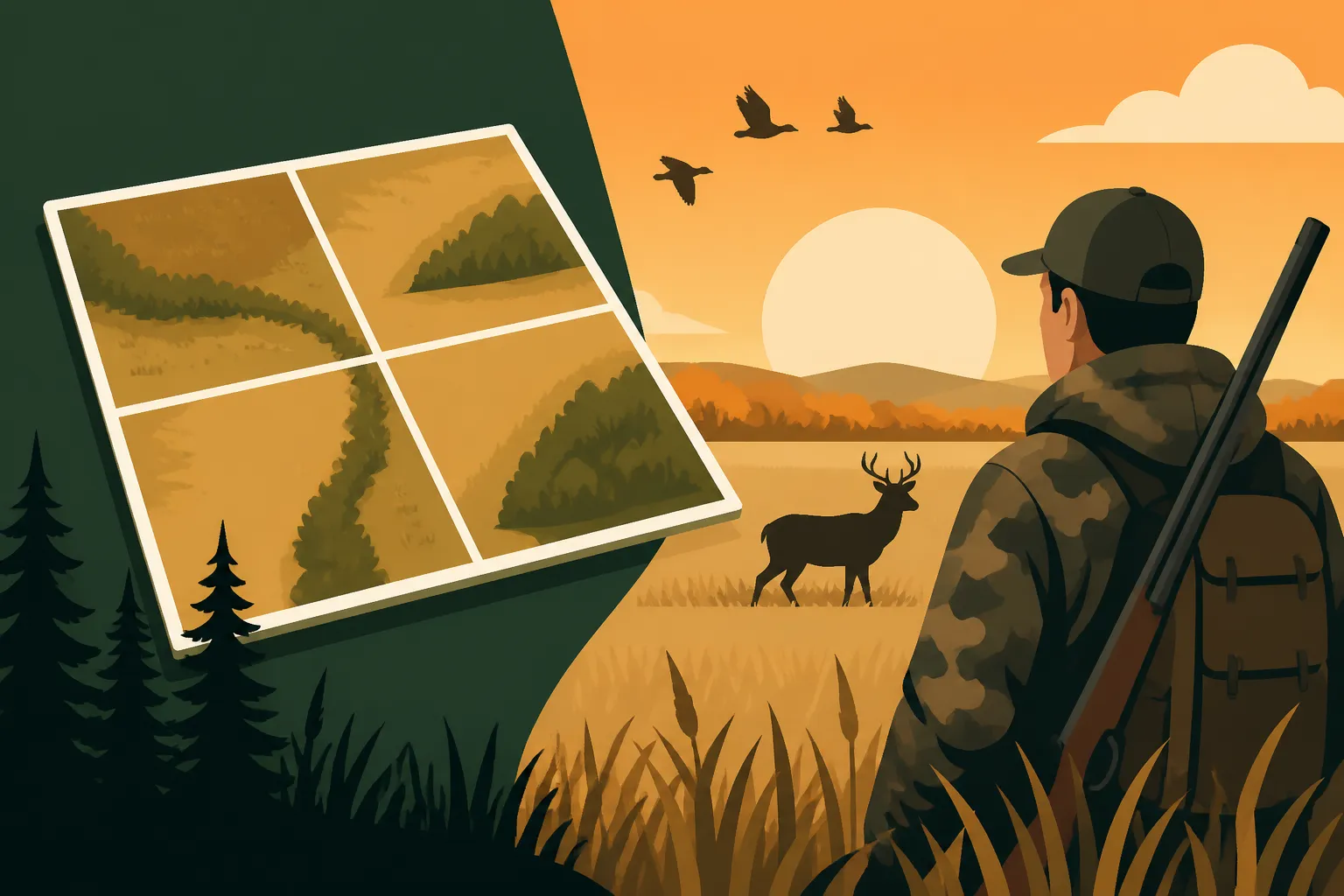
Hunting a Manitoba Quarter Section
It’s a familiar scenario for many hunters in Manitoba: you’ve identified a promising piece of land, maybe a small woodlot, a brushy coulee, or a tucked-away wetland, only to find out it’s just a quarter section. Many hunters dismiss these smaller parcels, believing they’re too small to hold significant game or that hunting them is simply not worth the effort. But dismissing a quarter section out of hand is a huge mistake. This guide will walk you through exactly how to approach hunting a Manitoba quarter section, transforming these overlooked gems into productive hunting grounds.
Understanding the Quarter Section in Manitoba
Before we dive into tactics, let’s get a firm grasp on what a quarter section really is and why it's so relevant to hunting here in Manitoba. Historically, land in much of Western Canada, including our beloved province, was surveyed and divided into a grid system. A township is typically 36 square miles, divided into 36 sections, and each section is roughly one square mile, or 640 acres. So, a quarter section, as the name implies, is one-quarter of a section, usually 160 acres.
While 160 acres might seem small compared to the vast expanses of Crown land or massive private holdings, it’s a significant chunk of real estate when properly analyzed and hunted. These smaller parcels often sit amidst larger agricultural fields, mixed forest, or even urban fringes, acting as critical pockets of cover, food, or water for various game species. Don't let the size fool you; game animals, especially whitetail deer, are masters at utilizing small, secure areas, particularly if these areas offer resources close by.
Why Small Parcels Are Often Overlooked
Many hunters, especially those accustomed to hunting larger tracts, tend to drive right past these smaller sections. They might think, "There's not enough room for a mature buck here," or "It's too close to roads or houses." This perception can actually work to your advantage. Less hunting pressure often means that the game animals on these quarter sections behave more naturally, sometimes even growing older and larger because they aren't constantly harassed.
These parcels frequently feature a mosaic of habitats: a small stand of aspen, a cattail-filled slough, a winding willow run, or a section of dense brush bordering a creek. These diverse features, even on a small scale, provide everything a deer, a bear, or even a flock of geese might need. The key is to recognize the potential in these overlooked areas and understand how game utilizes every square foot of them.
What Game Might You Find on a Quarter Section
The beauty of a quarter section in Manitoba is its versatility. Depending on the habitat, you could be hunting a variety of species. Whitetail deer are, without a doubt, the most common big game animal you’ll encounter. They thrive in fragmented landscapes, using small woodlots and brushy cover for bedding and quickly slipping into adjacent agricultural fields for feeding. You might even find black bears, especially in quarter sections bordering larger bush country, utilizing natural food sources or passing through.
For bird hunters, a quarter section with a slough or pothole can be a magnet for ducks and geese, particularly during migration. If it's got tall grasses and brush, you could be Walking Up Sharp-Tailed Grouse in Manitoba or finding Hungarian partridge. Even predators like coyotes will utilize these smaller parcels, often as travel corridors between larger hunting grounds.
Scouting and Planning Your Quarter Section Hunt
Hunting a quarter section effectively begins long before you set foot on the property with your rifle or bow. Thorough scouting and meticulous planning are absolutely critical, perhaps even more so than on larger tracts, because you have less room for error. Every detail matters.
Digital Reconnaissance and Map Study
Your first step should always be digital. Forget just driving by; dive into online mapping tools. While specific commercial tools like GoHunt are widely known for detailed parcel data in other regions, the principles apply universally. You want to use the best available Manitoba-specific mapping resources (often provided by the provincial government or private platforms that aggregate land data) to identify property lines, understand topography, and scout potential habitat features. Look for aerial imagery that shows variations in cover, water sources, and pinch points. Identify features like Hunting a Bluff Between Two Fields, Hunting a Willow Run for Whitetails, or a crucial Hunting a Frozen Slough Crossing.
Using these tools, you can pinpoint bedding areas, feeding zones, and travel corridors. Look for anomalies: a thick patch of spruce in an otherwise open area, a hidden pond, or a fence line that funnels deer movement. Pay attention to how the quarter section connects to surrounding properties. Is there a larger woodlot nearby that deer might funnel through your parcel to reach a distant field? Understanding these connections is crucial for predicting game movement, especially when you have limited space.
Boots-on-the-Ground Scouting
No amount of digital scouting can replace putting your boots on the ground. Once you've identified key areas on your maps, it's time to confirm your theories and find fresh sign. This is where you'll really start to Reading Whitetail Sign in Manitoba Aspen or whatever habitat dominates your quarter section. Look for rubs, scrapes, tracks, and droppings. Identify well-used trails, especially those leading from bedding areas to feeding grounds.
During your scouting trips, pay close attention to the wind. Because a quarter section is smaller, wind direction will heavily influence your approach and stand placement. Scout multiple stand locations for various wind directions. Think about entry and exit routes that minimize disturbance. Remember, on a small property, every step you take can have a greater impact on game movement. This is also the time to make sure you have solid Manitoba Landowner Relations for Hunters, ensuring you’re on the right side of any boundaries and permissions.
Obtaining Landowner Permission
This is perhaps the most crucial step for hunting a private quarter section in Manitoba. Always, always, always obtain explicit permission from the landowner. What Manitoba Trespass Law Requires is clear: hunting on private land without permission is illegal and disrespectful. Even if a property appears abandoned or unposted, it belongs to someone.
When approaching a landowner, be polite, respectful, and prepared. Introduce yourself, explain your intentions, and offer to share game or help with chores. Show them your detailed map, pointing out where you plan to hunt and demonstrating your awareness of their property lines. Reassure them you'll respect their land, close gates, and clean up any trash. Building a good relationship can open doors for years to come. If you're successful at Getting Permission for a Goose Field, it might even lead to permission for deer later on!
Hunting Strategies for Small Parcels
Hunting a quarter section requires a strategic mindset. You can’t just wander aimlessly; every move needs to be calculated to maximize your chances in a limited area. It's about precision and understanding micro-movements of game.
Stand Placement and Entry/Exit Routes
On a small parcel, your stand placement is paramount. You need to be able to access your stand quietly and efficiently, hunt effectively without being detected, and exit without "burning out" the area. Focus on pinch points, funnels, and natural travel corridors. A stand placed on a Hanging a Stand on a Manitoba Bush Edge where a field meets a woodlot can be incredibly effective, especially if it intercepts deer moving between food and cover.
Consider prevailing wind directions and position your stands accordingly. Having multiple stand sites for different wind conditions is essential. Your entry and exit routes should avoid known bedding areas or high-traffic zones as much as possible. Use natural terrain features, ditches, or dense cover to conceal your approach. On a 160-acre parcel, a single careless entry or exit can spoil a hunt for days.
Low-Impact Hunting Techniques
Given the confined space, low-impact hunting is key. This means minimizing your presence and disturbance.
- Still-Hunting: This involves moving slowly, deliberately, and quietly through the cover, stopping frequently to observe and listen. It’s an art form, allowing you to cover ground effectively while remaining stealthy. Focus on areas with good visibility but also plenty of cover to break up your silhouette.
- Ground Blinds: Strategically placed ground blinds can be excellent on a quarter section, especially if you can brush them in naturally. They offer concealment and allow for some movement, which can be crucial on longer sits. Just ensure they are set up well in advance to allow game to get used to them.
- Calling: Rattling and grunt calls can be highly effective for whitetails, especially during Hunting the Rut in Early to Mid November. On a small parcel, the sound carries, and deer don't have far to come. Just be mindful of over-calling, as it can make deer wary.
- Scent Control: Flawless scent control is non-negotiable. Use scent-eliminating sprays, wash your hunting clothes in scent-free detergent, and store them properly. The smaller the area, the more critical it is that your scent doesn't spook game.
Managing Hunting Pressure
One of the biggest challenges on a small parcel is managing hunting pressure. If you hunt it too often or too aggressively, game animals will quickly become nocturnal or simply leave the property. Think about quality over quantity. Instead of hunting it every weekend, pick your days carefully based on conditions like wind, weather, and recent game sign.
Consider the time of day. Early morning and late evening often yield the best results as game moves between bedding and feeding areas. Mid-day can be effective for still-hunting or sitting in a stand if the deer are already bedded down and feeling secure. Rotate your stand locations to avoid educating deer to a particular spot. The goal is to make the deer feel as safe and undisturbed as possible, encouraging them to stay on your quarter section.
| Feature Type | Typical Location on Quarter Section | Target Species | Hunting Strategy Notes |
|---|---|---|---|
| Bush Edge / Woodlot | Perimeter, internal patches | Whitetail, Bear | Stand overlooking trails, pinch points. Low-impact entry/exit. |
| Slough / Pothole | Low-lying areas, central | Waterfowl, Deer | Decoys for birds. Stand for deer using as water/cover. |
| Willow Run / Brush | Drainage, low ground, transition | Whitetail, Grouse | Still-hunting, driving (with partners), stand on trails. |
| Grain Field Edge | Bordering agricultural land | Whitetail, Waterfowl | Evening stands, field edge blinds. |
| Open Pasture / Grass | Cleared areas | Deer, Coyote | Glassing, spot & stalk (for coyote), evening stands. |
| Creek / River Bank | Runs through property | Whitetail, Bear | Stands on crossing points, still-hunting along banks. |
Legal and Ethical Considerations on Small Parcels
Hunting a quarter section, especially if it's private land or borders other properties, comes with heightened responsibilities. You need to be acutely aware of your surroundings, local regulations, and the impact you have on your neighbors and the wildlife.
Understanding Boundaries and Buffer Zones
Knowing your exact property boundaries is non-negotiable. Use GPS devices or apps to clearly delineate where you can and cannot hunt. Manitoba has specific rules about shooting distances from roads, dwellings, and other structures. Always be aware of these regulations. You cannot shoot across a public road, for instance, and there are buffer zones around occupied buildings where shooting is prohibited.
Always assume that beyond the fence line, there's another landowner who might not be thrilled if you trespass, even inadvertently. Respecting these boundaries not only keeps you legal but also maintains the good reputation of hunters in general. It ensures that future opportunities for Hunting Whitetails on Manitoba Crown Land or private land remain available for everyone.
Respecting Neighbors and Landowners
On smaller parcels, you are often in closer proximity to other people, whether they are farmers, rural residents, or other hunters. Your actions reflect not only on you but on the entire hunting community. Be courteous, quiet, and mindful. Avoid leaving trash, driving recklessly, or making excessive noise.
If your shot game runs onto adjacent property, you must obtain permission from that landowner before pursuing it. This is a common courtesy and often a legal requirement. Having those conversations before the hunt, explaining this possibility, can save a lot of headaches later on. Remember, your landowner relationships are precious, and a single misstep can ruin them. Building trust is essential for long-term hunting access.
Hunter Education and Safety
Even seasoned hunters should constantly refresh their knowledge of Manitoba Hunter Education Requirements and safe hunting practices. On a quarter section, especially one with varying terrain or dense cover, safety is paramount. Always know what’s beyond your target. Be aware of your hunting partners' locations if you're hunting with a group. Wear appropriate blaze orange if required during rifle seasons, making yourself visible to others.
Understanding Manitoba Big Game Season Dates and adhering to bag limits is also crucial. The legal framework is designed to ensure sustainable hunting and safety for everyone. If you’re ever unsure about a regulation, consult the latest Manitoba hunting guide or contact a local conservation officer.
Conclusion
Hunting a Manitoba quarter section might not offer the vast, sprawling landscapes of some hunts, but it presents a unique and rewarding challenge. It forces you to become a more disciplined, observant, and strategic hunter. By understanding the lay of the land, meticulously scouting, employing low-impact hunting techniques, and always upholding the highest ethical standards, these smaller parcels can consistently produce memorable hunting experiences. Don’t overlook the hidden potential in 160 acres – sometimes, the best things truly do come in smaller packages.
Disclaimer
The information provided in this article is for general guidance only and does not constitute legal advice. Hunting regulations, seasons, and land access rules in Manitoba can change frequently. Always consult the official Manitoba Hunting Guide, provincial legislation, and local authorities before planning any hunting activity. It is your responsibility to know and follow all applicable laws and obtain all necessary licenses and permissions.