Judging a Barren-Ground Caribou Bull
Hunting barren-ground caribou in Manitoba’s vast northern tundra presents a unique challenge, not least of which is accurately judging a bull in a dynamic environment where everything can look different from one moment to the next. The sheer scale of the landscape and the constant movement of caribou can make it incredibly difficult to discern a young bull from a mature trophy animal, leading to missed opportunities or, worse, harvesting an animal you might later regret. This guide aims to equip you with the knowledge and strategies needed to confidently judge a barren-ground caribou bull, ensuring a more successful and satisfying hunt in Manitoba.
The Unique Antler Dynamics of Barren-Ground Caribou
Unlike deer or even other cervids, caribou antlers are incredibly diverse and complex, often growing in ways that can baffle even experienced hunters. Both sexes grow antlers, though the bulls' antlers are significantly larger and more impressive, typically reaching their peak development in mature animals. Understanding this growth cycle and the specific terminology will give you a major advantage when trying to gauge a bull's potential.
Understanding the Annual Antler Cycle
Caribou antlers begin growing in early spring, usually April or May, and continue through the summer months. During this period, they are covered in nutrient-rich velvet. This growth is incredibly fast, fueled by the rich forage of the northern summer. As fall approaches, the velvet is shed, typically in late August or early September, revealing the hard, calcified bone underneath. Bulls will carry their antlers through the rut in October and November, and then shed them, usually from late November through December, sometimes even into January. This cycle means that when you're out there during the main hunting seasons, you're generally looking at fully developed, hard-horned antlers, but the condition can vary slightly depending on how close it is to shedding.
Each bull's antlers are unique, a product of genetics, nutrition, and age. While there are general patterns, you'll rarely see two identical racks. This makes judging them an art form, demanding keen observation. For hunters considering a trip north, understanding When Caribou Reach Northern Manitoba is crucial, as timing affects antler condition and migration routes.
Key Antler Components and Terminology
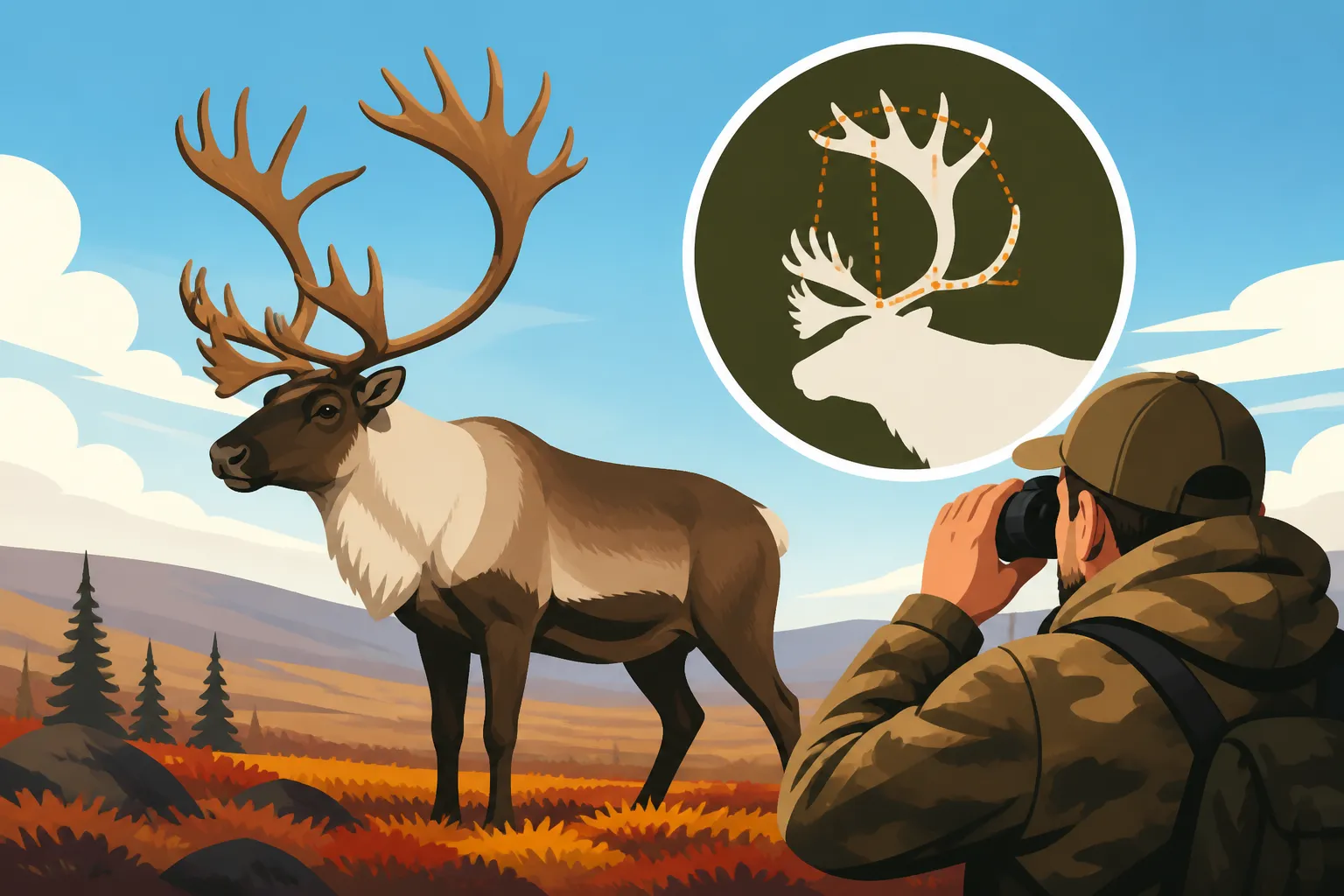
To accurately communicate and understand what you’re looking at, it helps to know the parts of a caribou antler:
- Main Beam: The primary shaft of the antler that grows upwards and sweeps backward, then often forward. Look for length and overall mass.
- Brow Tines (Shovels): These are the tines that grow forward over the caribou's face, often flattening out into large, palmed "shovels." A large, symmetrical, and deeply palmed brow tine is a major indicator of a mature bull. You'll often hear hunters discuss the "front shovel."
- Bez Tines: These tines grow just above the brow tines, sometimes forming another palmed section, though typically smaller than the shovels. Their presence and size contribute to the overall impression of mass.
- Back Tines: These are the tines that project from the main beam, typically growing upwards and backwards. The number and length of these tines add to the "bushel basket" look.
- Cuvette (Top Points/Crown): The uppermost, often palmed or heavily tined section of the main beam. This can be very elaborate and is often referred to as the "crown" or "basket." A wide, multi-tined cuvette significantly enhances a bull's trophy value.
- Drop Tines/Non-Typical Points: While less common than in deer, caribou can also develop unique non-typical points or even small drop tines, adding character to the rack.
When you're glassing for Barren-Ground Caribou Hunting in Northern Manitoba, paying close attention to these specific features will help you quickly assess a bull's potential.
Discerning a Trophy Barren-Ground Caribou Bull in the Field
Identifying a trophy bull isn't just about the biggest rack; it's about a combination of antler mass, width, number of points, and distinctive features like impressive shovels. It also involves assessing the animal's overall body size, which is a secondary but helpful indicator of age.
Primary Antler Characteristics to Prioritize
When you first spot a bull, your eyes should immediately go to these key areas:
- Mass and Palmation: This is perhaps the most critical factor. Look for antlers that appear thick and heavy, especially at the base and through the main beams. The more palmation (flattening) in the brow tines (shovels) and the top points (cuvette), the better. A truly mature bull will have thick, gnarly antlers that command attention. Young bulls often have thin, spindly antlers, even if they are tall.
- Shovel Development: The brow tines, or shovels, are often the defining feature of a trophy barren-ground caribou. You want to see large, wide, heavily palmed shovels that extend well forward. Ideally, they should be symmetrical or at least one dominant, impressive shovel. Some mature bulls will have a massive single shovel, while others might have two well-developed, if slightly smaller, shovels. A good shovel can make a good bull great.
- Width: How wide are the antlers? While not as critical as mass, a good spread adds to the visual appeal. Look for antlers that extend well past the ears. Extreme width can be impressive, but don't let it be the sole deciding factor; sometimes a narrow, heavy rack with huge shovels is more desirable.
- Back Tine and Cuvette Development: Count the tines off the back of the main beam. A higher number of long, well-defined back tines, combined with a broad, multi-pointed cuvette or crown, creates that desirable "bushel basket" look. This adds volume and grandeur to the rack. Young bulls often have fewer, shorter back tines and a less developed top.
Secondary Indicators: Body Size and Behavior
While antlers are paramount, a bull's body can give you supporting clues about its age and maturity.
- Body Size and Build: Mature barren-ground caribou bulls are large animals, weighing significantly more than cows or younger bulls. A mature bull will appear blockier, with a thick neck and a heavy chest. They often have a darker, more robust coat compared to younger animals. Remember, What a Barren-Ground Bull Weighs can be substantial, upwards of 300-400 pounds for a big one, and they carry that weight with a powerful presence.
- Neck and Shoulder Mass: As bulls age, their neck and shoulder muscles develop considerably, especially heading into the rut. Look for a thick, heavy neck that blends smoothly into powerful shoulders. This can be particularly noticeable during the rut, when bulls are actively competing.
- Behavior: Older, more dominant bulls often exhibit different behaviors. They might be more solitary or found with smaller groups of cows, projecting an air of confidence. Younger bulls, especially during the non-rut periods, tend to stick together in larger bachelor groups.
Field Judging Techniques and Common Pitfalls
Judging caribou in the wild is a learned skill that improves with practice. The vast, open landscape of northern Manitoba and the often-rapid movement of caribou can make it incredibly challenging. Utilize your gear and develop a systematic approach.
Making the Most of Your Optics
High-quality binoculars and a spotting scope are your best friends when Glassing Tundra for Manitoba Caribou.
- Binoculars for Initial Scan: Use your binoculars (10×42 or 12×50 are excellent choices) to scan large areas, identify caribou, and get an initial impression of a bull's size. Look for those initial indicators like overall antler mass and shovel presence.
- Spotting Scope for Detailed Analysis: Once you've identified a potential trophy, set up your spotting scope (20-60x or higher) for a detailed assessment. This is where you count tines, assess palmation, and scrutinize shovel development. Take your time. Varying light conditions can affect how antlers appear, so try to observe the bull from different angles if possible.
- GoHunt's Digital Tools: This is where modern technology can truly shine. Mapping applications like those offered by GoHunt can be invaluable. Before you even head out, you can use these tools to study the terrain, identify potential bedding areas, or migration corridors. In the field, some advanced apps can help you mark locations of caribou sightings, track their movement, and even estimate distances. This information can be critical when you're trying to circle around for a better view or plan a stalk.
A Systematic Approach to Judging
Don't just glance; use a checklist in your mind:
- First Impression: Does it look big? Does it catch your eye immediately? If it doesn't, it's probably not a trophy.
- Focus on Shovels: Are they massive, well-formed, and extending forward? One great shovel is often enough to make a bull a shooter.
- Assess Mass: Trace the main beams from base to tip. Are they thick and heavy, or spindly? Heavy mass throughout is a huge indicator.
- Count Back Tines and Check Cuvette: How many tines are off the back? Is the top a big, palmed basket, or just a few small points?
- Evaluate Width: Does the rack extend significantly past the animal's ears?
- Body Check: Look at the body. Does it match the antlers in terms of maturity? Thick neck, heavy body, powerful shoulders?
Don't rush this process. Caribou often move, so patience is key. If you can, watch the bull for several minutes, observing it from different angles as it feeds or walks.
Common Mistakes and How to Avoid Them
Even seasoned hunters can make mistakes when judging caribou:
- "Ground Shrinkage": This is perhaps the most common mistake. What looked huge through the scope can sometimes look smaller once you walk up to it. To combat this, set a high bar for what you consider a shooter. If you have any doubt through your optics, it's probably not a trophy.
- Misjudging Distance: The vast, featureless tundra can make distance estimation extremely difficult. Practice with a rangefinder. A caribou that looks close can be hundreds of yards away, making its antlers appear much larger than they are. Use your rangefinder on nearby rocks or features to get a sense of scale.
- Focusing on One Feature: Don't let a single impressive feature, like a tall main beam, overshadow a lack of mass or poor shovel development. Look at the whole picture.
- Rushing the Shot: The excitement of spotting a caribou can be overwhelming, but take your time to properly assess the animal. There's no rush to shoot the first bull you see, especially if you're on a multi-day hunt with other opportunities.
Remember that Hunting Caribou on the Migration Route can mean seeing hundreds or thousands of animals, offering plenty of chances to be selective.
Manitoba Specific Considerations for Caribou Hunters
Hunting barren-ground caribou in Manitoba brings its own set of environmental factors and regulations that impact your judging strategy. The majority of these hunts are fly-in operations into the remote northern reaches of the province, targeting the migratory Qamanirjuaq herd.
The Qamanirjuaq Herd and Migration Patterns
Manitoba's barren-ground caribou are part of the massive Qamanirjuaq herd, which ranges across northern Manitoba and Nunavut. Their migrations are legendary, covering hundreds of kilometers. This means that hunters are often intercepting animals on the move, sometimes very quickly.
- Migration Timing: The timing of their migration through Manitoba can vary year to year based on weather, snow conditions, and forage. Some years they push south earlier, others later. This variability means you might encounter animals in different stages of antler condition or physical readiness.
- Numbers and Opportunity: When the caribou are moving through in numbers, you might have multiple bulls to choose from. This is where patience and precise judging skills become invaluable. Don't settle for the first decent bull if you have confidence that more opportunities lie ahead. GoHunt's data on migration trends and past hunt success can offer insights into what to expect in specific areas and times, aiding your preparation for a Flying North for Manitoba Caribou adventure.
- Terrain: The Manitoba tundra is generally flat to rolling, with sparse vegetation, often dotted with small lakes and rock outcrops. This open environment means you can often see caribou from a great distance, allowing ample time for glassing and judging. However, it also means minimal cover for stalks, making a good spot-and-stalk approach critical.
Logistics and Practicalities of a Northern Hunt
Hunting in northern Manitoba is a significant undertaking, often involving fly-in camps. This has practical implications for your judging and harvesting decisions.
- Meat and Antler Preservation: Once you've harvested a bull, processing and caring for the meat is paramount. On a fly-in hunt, every pound counts, so ensuring you have a solid plan for Packing Caribou Out to a Float Plane is essential. Given the weight limits of float planes, some hunters might choose a bull with a slightly smaller, more manageable rack if it means optimizing meat yield and logistics. It's a pragmatic consideration, especially if you're concerned about What a Fly-In Camp Weight Limit Means for your overall gear.
- Weather Conditions: Northern Manitoba weather can change in an instant, from calm and sunny to fierce winds and driving rain or snow. Poor visibility can drastically reduce your ability to judge a bull accurately. You might have only brief windows of good viewing, so make them count. Dress appropriately for Hunting Safely in Deep Winter Cold and be prepared for anything.
- Wildlife Management Areas: Be aware of the specific Game Hunting Area (GHA) you're in and any particular regulations it might have. While most barren-ground caribou hunting is in the far north, always double-check current regulations from the Manitoba government or your outfitter.
Table: Key Differences Between Young and Mature Caribou Bulls
| Feature | Young Bull (2-4 years) | Mature Bull (5+ years) |
|---|---|---|
| Body Size | Leaner, often appearing gangly, smaller overall body | Blocky, thick neck, deep chest, large body |
| Antler Mass | Thin main beams, often spindly overall | Thick, heavy main beams, often gnarly texture |
| Brow Tines (Shovels) | Small, unpalmed, or minimally palmed, often just points | Large, wide, deeply palmed "shovels," dominant and impressive |
| Bez Tines | Absent or small points | Often present, can be palmed or robust |
| Back Tines | Few in number, short, sometimes just bumps | Multiple, long, well-defined, contributing to a "basket" |
| Cuvette (Crown) | Narrow, few points, less developed | Wide, heavily palmed, multiple points, forming a distinct crown |
| Overall Impression | Tall but thin, less imposing | Wide, massive, commanding presence, "bushel basket" look |
By familiarizing yourself with these distinct characteristics and practicing your observation skills, you'll be well on your way to confidently judging and harvesting a trophy barren-ground caribou bull in Manitoba.
Disclaimer
Please note that hunting regulations, season dates, and specific GHA rules can change. Always consult the official Manitoba Hunting Guide and relevant government websites for the most current and accurate information before planning any hunting trip. This article is intended for informational purposes only and should not replace official regulatory documents.