Meat Care in Manitoba’s Cold Snaps
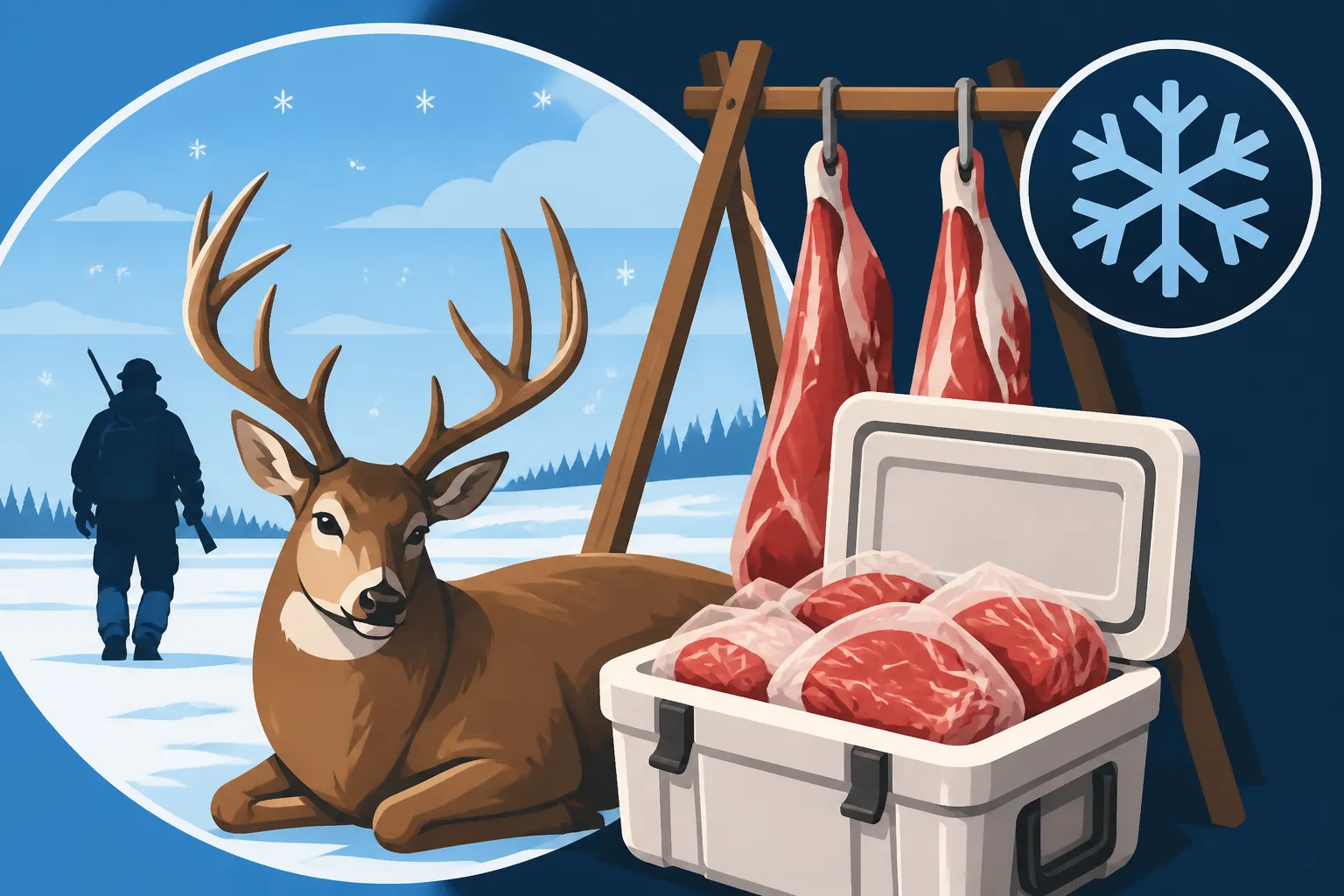
You’ve finally connected with that incredible Manitoba deer, elk, or moose, and the adrenaline is still coursing through you. But as the initial excitement fades, the reality of the cold snap hits: you’ve got a magnificent animal on the ground, and the temperatures are plummeting. Dealing with harvested game in Manitoba's unpredictable cold snaps can be a real headache, especially if you’re not prepared for how quickly things can change from ideal cooling conditions to rock-solid freezing. This guide is here to walk you through the essential steps to ensure your hard-earned meat is cared for properly, protecting it from both spoilage and unwanted freezing.
Initial Field Dressing in Frigid Conditions
When the mercury drops, it offers a natural refrigeration system for your game, which is fantastic for inhibiting bacterial growth. However, this also means you need to be mindful of how quickly the outer layers can freeze, making the initial field dressing much more challenging if you're not efficient.
Why Speed Matters, Even in the Cold
Even with temperatures well below freezing, the internal body heat of a recently deceased animal can linger for a surprising amount of time. Bacteria thrive in this warm, moist environment, so prompt action is still paramount. Many hunters mistakenly think that because it's cold, they have all the time in the world. This couldn't be further from the truth. The internal organs and surrounding tissues retain heat, creating a perfect incubator for bacteria like Clostridium perfringens if not addressed quickly. The goal is to get that core temperature down as fast as possible to prevent souring and ensure the best quality meat. This is where meticulous planning, often aided by tools like the GoHunt app to check weather patterns and plan extraction routes, really pays off.
Removing the Guts Efficiently
The most critical step in rapid cooling is removing the entrails. This eliminates the largest source of internal heat and the primary breeding ground for bacteria. Start by making a careful incision from the sternum to the pelvis, avoiding puncturing the stomach or intestines. Take your time with this, as a rupture can contaminate the meat. Once the cavity is open, meticulously separate and remove all internal organs. This includes reaching deep into the chest cavity to sever the windpipe and esophagus, pulling everything out in one clean motion if possible. If you're out there, shivering but focused, remember that every minute counts. Don't leave any lungs, heart (unless you're saving it for stew!), or other viscera inside, as they will continue to generate heat. For large animals like moose or elk, this can be a strenuous task, and having a hunting partner makes it much easier. You might want to refer to our guide on Field Dressing in Manitoba's Deep Cold for more detailed, step-by-step instructions.
Bleeding Out and Airflow
Proper bleeding is vital for good meat quality. While a heart shot animal will typically bleed out well, you can assist the process by elevating the hindquarters slightly once the animal is field-dressed and placed on a slope. This allows any remaining blood to drain from the cavity. Once the guts are out and the bleeding is addressed, focus on maximizing airflow. Prop open the chest cavity with sticks or spreaders to allow cold air to circulate freely. This is crucial for cooling the meat evenly and preventing the outer layers from freezing while the inner parts are still warm—a recipe for potential spoilage, even in freezing conditions. A sternum spreader, even a makeshift one from a sturdy branch, makes a huge difference.
Protecting the Carcass from Freezing and Contaminants
Manitoba's cold snaps can be a double-edged sword. While they help preserve meat, they can also cause problems like surface freezing or attract unwanted attention from scavengers if the carcass isn't properly protected.
Preventing Surface Freezing and Freezer Burn
The immediate deep freeze that sometimes accompanies a Manitoba cold snap can actually be detrimental if it happens too quickly. If the outer layers of muscle freeze before the deeper tissues have had a chance to cool properly, it can trap heat inside, leading to souring, especially in larger game. The ideal scenario is a slow, gradual cool-down to just above freezing (around 35-40°F or 2-4°C) before it hardens. To mitigate rapid surface freezing, especially if you expect overnight temperatures to plummet severely, you can drape a breathable game bag over the carcass, or even a canvas tarp. This creates a microclimate that can slow the immediate surface freezing while still allowing cold air to permeate and cool the core. Think of it like a gentle refrigeration rather than flash-freezing. You might also find our advice on Hanging Meat in Fall Temperature Swings helpful, as similar principles apply when trying to manage chilling rates.
Keeping Critters Away
Even in the dead of winter, scavengers are a real threat to your hard-earned game. Coyotes, wolves, foxes, and even birds of prey are opportunistic and will quickly find a freshly deceased animal. Hanging the carcass off the ground is the most effective way to protect it. If you're in bush country, find a sturdy tree branch that can support the weight of your animal. For a deer, this might mean a single sturdy rope, but for a moose or large elk, you'll need multiple attachment points or a robust gambrel system. If hanging isn't immediately possible due to your location or the size of the animal, at least cover it completely with a heavy tarp, securing the edges with logs or rocks. While it won't deter a determined bear, it will make it less obvious to aerial predators and smaller scavengers. When scouting a new hunting area, GoHunt can help you identify areas with suitable trees for hanging or safe spots for temporary storage.
Appropriate Covering Materials
Choosing the right material to cover your game is crucial. Plastic tarps are good for keeping out moisture and road grime during transport but should generally be avoided for long-term hanging directly on the meat as they trap moisture, which can promote bacterial growth or a sour taste. Breathable game bags are the gold standard. They allow air circulation, which is vital for cooling and forming a dry "crust" on the meat, protecting it from insects (though less of an issue in deep cold) and dirt, while still letting it breathe. If you don't have game bags, clean cotton sheets or canvas tarps are better breathable alternatives than plastic for initial hanging. Ensure whatever you use is clean and won't impart any unwanted odors or contaminants to the meat.
Transporting Game in Winter
Getting your game from the bush back to your processing area is another critical juncture, especially when dealing with cold snaps. The journey itself can compromise the meat if not handled correctly.
Securing the Animal in a Vehicle
No matter if you're using a truck bed, trailer, or sled, securing your harvested animal is paramount. An unsecured carcass can shift, get damaged, or even fall out during transit. For deer, lying it flat in a truck bed with the cavity propped open is common. For larger animals, you might need a winch or block and tackle to load it. Always ensure the animal is secured with sturdy straps or ropes. If using a truck bed, consider putting a clean tarp down first to keep the bed clean and make cleanup easier. Remember that Manitoba roads, especially gravel ones, can be incredibly dusty or muddy. Protect the exposed meat from this grime. Having a good Winter Truck Kit for a Manitoba Hunt is essential, and that includes robust tie-downs and cleaning supplies.
Minimizing Road Grime and Heat Exposure
This is where many hunters make mistakes. While a cold snap means you’re not fighting heat, you’re now battling road contaminants. Mud, dust, salt, and exhaust fumes can all settle on exposed meat, making cleanup more difficult and potentially tainting the flavor. Always cover the carcass completely during transport. A heavy canvas tarp or a waterproof plastic tarp works well for this, as long as it’s removed once the animal is at its destination to allow airflow.
Another subtle but important factor is heat exposure from the vehicle itself. If you’re transporting game in the back of a truck, exhaust pipes, transfer cases, and even the warm air from the cab can slowly warm the meat nearest to them, potentially leading to spoilage, especially if the drive is long. Try to keep the carcass as far away from these heat sources as possible, or use insulating layers like extra blankets underneath the tarp. During a long drive, periodically check the temperature of the meat, especially in the areas closest to the truck’s components.
Dealing with Multi-Day Hunts
Sometimes, you're on a multi-day hunt, or you're deep in the backcountry, making immediate transport impractical. In these situations, proactive meat care becomes even more crucial. After field dressing, quartering the animal is often the best approach. This allows for easier handling, quicker cooling of individual sections, and lighter loads for packing out. If you're quartering a large animal like a moose, make sure each quarter is placed in a separate, breathable game bag.
Example Scenario: Imagine you've shot a large bull moose three days into a fly-in hunt in northern Manitoba. Temperatures are dipping to -20°C overnight but warming to -5°C during the day.
- Immediate field dress: Gut it quickly and efficiently.
- Quartering: Break the moose down into quarters right at the kill site. This allows the heat to escape much faster from smaller sections. You can find more tips on Quartering a Moose Alone in the Bush if you're on your own.
- Game bags: Place each quarter into a heavy-duty game bag.
- Hanging: Hang the game-bagged quarters in the coolest, shadiest spot you can find, off the ground, preferably in a dense stand of timber to shield them from direct sunlight during warmer periods and from scavengers.
- Monitoring: Keep a close eye on the weather and the meat. If temperatures are consistently below freezing, the meat will be fine. If there's a thaw, you might need to find a way to get the meat to a cooler or processing facility sooner. If you are using a portable GPS like those integrated into the GoHunt system, mark the location where you’ve stashed your meat so it's easy to retrieve later, especially if snow obscures your tracks.
If you have access to an ATV or side-by-side, consider using it for retrieval. Our guide on Getting a Moose Out With a Quad has practical tips for this.
Processing and Storage at Home
Once you’ve successfully transported your game home, the work isn’t over. Proper aging, butchering, and freezing are the final steps to ensuring delicious, high-quality meat.
Aging Game in Cold Weather
Aging meat, or hanging it in a controlled environment, allows natural enzymes to break down tough muscle fibers, resulting in more tender and flavorful meat. In cold snaps, Manitoba offers a perfect natural walk-in cooler. The ideal temperature for aging is just above freezing, between 34-40°F (1-4°C). The humidity should also be controlled, ideally around 70-80%. If the air is too dry, the meat will crust over excessively, leading to more trim loss. If it’s too humid, bacterial growth can become an issue.
For deer, aging for 5-7 days is common. Larger animals like elk or moose might benefit from 7-14 days. However, always monitor the meat for any signs of spoilage (off-smell, sliminess). If your garage or shed maintains these consistent temperatures, it can be an excellent aging spot. Just remember to keep it clean and pest-free. If temperatures are consistently below freezing, the meat won't "age" in the traditional sense; it will simply freeze solid. This isn't necessarily bad, but it won't gain the tenderness benefits of proper aging. When it’s super cold, like during Hunting Whitetails at Thirty Below, aging might not be an option, and you'll need to process quickly.
Breaking Down the Carcass
Butchering your own game is a rewarding experience, but it takes patience and the right tools. Ensure your workspace is clean, well-lit, and, ideally, cool. Start by separating the primal cuts (shoulders, loins, hindquarters). Then, break these down into roasts, steaks, stew meat, and grind. Sharp knives are non-negotiable – dull knives lead to more work and a higher risk of injury. A good butcher saw can make quick work of bone separation.
Trim away all fat, fascia, and bruised meat. Wild game fat can have a strong, sometimes undesirable flavor, especially from older animals. Removing it will significantly improve the taste of your meals. While you’re breaking down the meat, it’s also the time to collect any mandatory Chronic Wasting Disease (CWD) samples if you harvested your animal in a designated area. Make sure you understand Manitoba's CWD Sampling Requirements to comply with regulations.
Proper Freezing and Packaging
Once butchered, proper packaging is crucial for long-term storage and preventing freezer burn. Vacuum sealing is by far the best method, as it removes all air, which is the primary cause of freezer burn. If you don't have a vacuum sealer, heavy-duty freezer paper or freezer-specific bags can work. Double-wrap items with freezer paper, ensuring a tight seal, and push out as much air as possible from freezer bags before sealing.
Label everything clearly with the cut of meat and the date it was processed. This helps with inventory and ensures you use older meat first. Rapid freezing is best, so spread packages out in the freezer initially rather than stacking them, allowing cold air to circulate around each package. Once frozen solid, you can stack them to save space. Properly packaged game can last 12-18 months in a deep freezer without significant loss of quality.
Common Pitfalls and How to Avoid Them
Even seasoned hunters can make mistakes when it comes to meat care, especially when unexpected cold snaps throw a wrench into their plans. Recognizing these common pitfalls can help you avoid them.
Rushing the Cool Down Process
As discussed, while rapid cooling is good, too rapid freezing of the outer layers can be problematic. If the surface freezes solid while the internal temperature of a large muscle mass is still warm, you risk trapping that heat, leading to bone sour or spoilage deep within the cut. This is particularly relevant for large animals like moose or elk. The ideal cool-down is gradual, bringing the internal temperature down to around 35-40°F (2-4°C) over 12-24 hours. If outdoor temperatures are extremely low (e.g., -20°C or colder), consider covering the exposed carcass more heavily or even moving it to a slightly warmer, yet still cool, sheltered area like an unheated garage for the initial cool-down phase, then move it back out if further chilling or freezing is desired. This careful temperature management is key to preventing problems.
Ignoring Temperature Fluctuations
Manitoba weather is notoriously fickle. A bitter cold snap can be followed by a surprising mid-winter thaw, even if only for a day or two. Leaving game hanging outside unattended during these fluctuations is a recipe for disaster. If temperatures rise above 40°F (4°C) for an extended period (more than a few hours), you significantly increase the risk of bacterial growth.
Example Scenario: You harvested a whitetail in early November, field-dressed it, and hung it in a shed where temperatures were consistently around -5°C. You planned to process it in a week. Three days later, a Chinook wind blows through, and the shed temperature climbs to +10°C for 24 hours. That meat is now at serious risk.
To avoid this, use a reliable thermometer to monitor the internal temperature of the thickest part of the meat (e.g., the hindquarter). If you anticipate a thaw, you need to either process the meat immediately or find a way to get it into a refrigerated space (a walk-in cooler, chest freezer if already quartered). This is another area where tools like GoHunt that provide accurate weather forecasts can be invaluable for planning your hunt and subsequent meat care.
| Temperature Range | Action / Recommendation | Risk Level for Spoilage |
|---|---|---|
| Above 40°F (4°C) | Process immediately; find refrigeration | High |
| 34-40°F (1-4°C) | Ideal aging temperature; monitor closely | Low to Moderate |
| 32-33°F (0-1°C) | Excellent chilling; can age for longer periods | Very Low |
| Below 32°F (0°C) (surface) | Slow down initial chilling; prevent rapid surface freeze | Moderate (bone sour) |
| Below 20°F (-6°C) | Meat will freeze solid; process or quarter immediately | Very Low |
Improper Handling Leading to Spoilage
Spoilage often comes down to fundamental handling errors. These include:
- Delay in Field Dressing: Every minute counts, even in cold. The longer the internal organs remain, the higher the risk.
- Contamination: Puncturing the gut bag during field dressing, letting the carcass drag through dirt or mud, or using unclean knives and hands can introduce bacteria. Always carry a small bottle of hand sanitizer and wipe down your knife frequently.
- Leaving Hair/Dirt on Meat: When butchering, be meticulous about removing any hair, dirt, or debris. A small amount can impart off-flavors.
- Lack of Airflow: Not propping open cavities or using non-breathable coverings for too long can trap heat and moisture, promoting bacterial growth.
Proper meat care isn't just about following rules; it's about understanding the "why" behind them. Manitoba offers incredible hunting opportunities, and with its often-frigid temperatures, the environment can be your friend in preserving meat, but only if you respect its power and plan accordingly. By being diligent and prepared, you can ensure that every bit of that hard-earned game makes it to your table, tender and delicious.
Disclaimer
The information provided in this guide is for general informational purposes only and does not constitute legal advice. Hunting regulations, seasons, and requirements can change. Always consult the official Manitoba hunting regulations guide and local authorities before planning any hunting activity. Hunters are responsible for their own safety and adherence to all applicable laws.