Hunting Wolves in Manitoba’s North
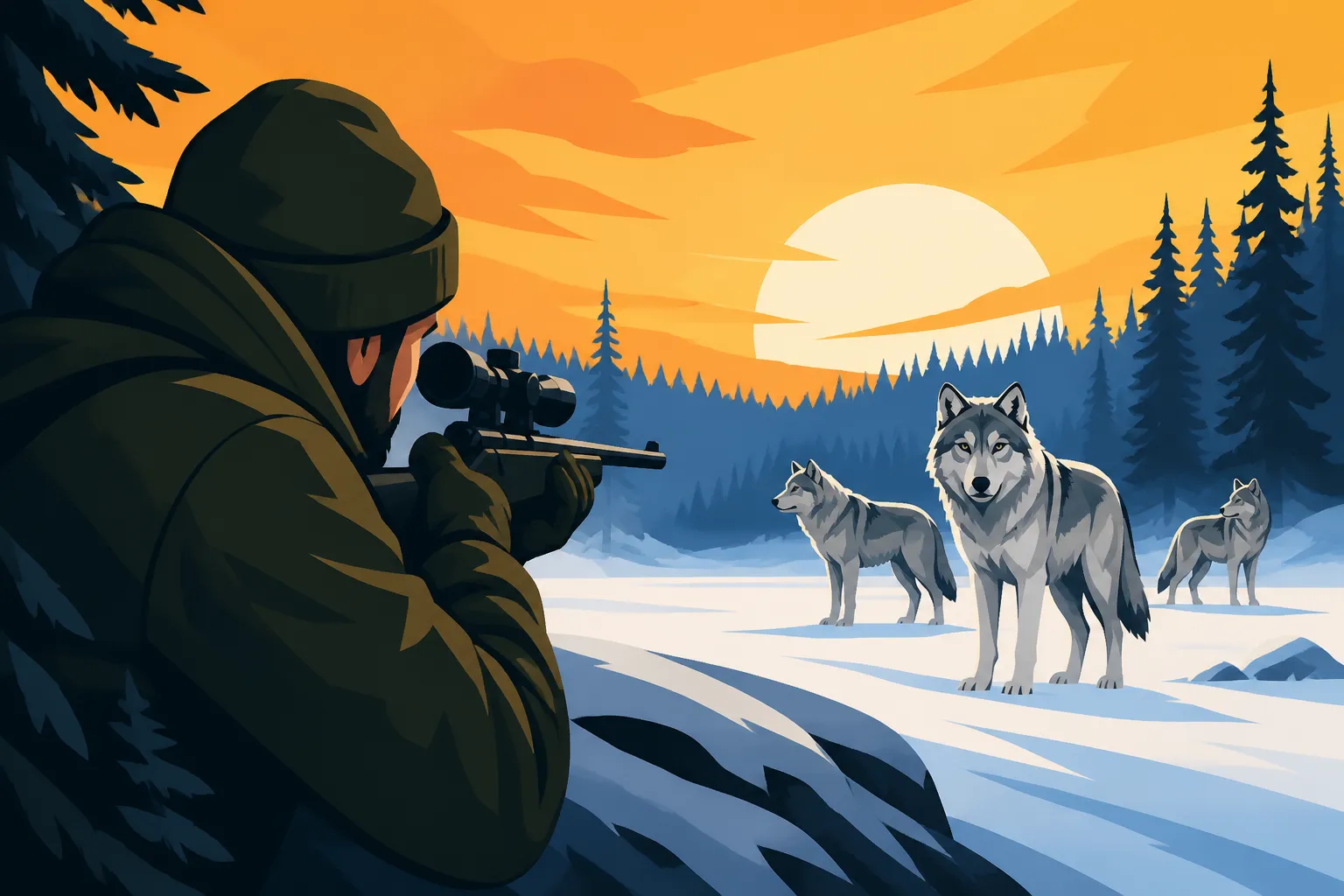
Hunting wolves in Manitoba's vast northern wilderness is an experience that calls to a special kind of hunter – one who thrives on challenge, solitude, and the raw beauty of the boreal forest. It's not a casual pursuit; the immense scale of the land, the often brutal cold, and the sheer elusiveness of these apex predators can be incredibly frustrating. This guide aims to break down the complexities, offering practical insights and strategies to help you successfully plan and execute a responsible wolf hunt in Manitoba's remote northern regions.
Understanding the Northern Wolf Population and Habitat
Manitoba's North is a land defined by its wildness, and within this expansive territory, the wolf reigns supreme. Understanding where these intelligent animals live and how they interact with their environment is the crucial first step for any hunter looking to pursue them.
Where Wolves Roam in Manitoba's North
When we talk about "Manitoba's North," we're picturing a massive expanse of boreal forest, transitioning into taiga and eventually tundra further north. This isn't your typical parkland or agricultural fringe hunting, where deer or elk might be concentrated in predictable pockets. Here, wolves follow their prey, primarily moose and caribou, across truly vast distances. The regions north of The Pas, extending into the vast, untouched areas towards Hudson Bay, are prime wolf country. Think of the endless stands of black spruce and jack pine, interspersed with rocky outcrops, muskeg, and countless lakes and rivers.
These landscapes offer incredible cover and a challenging environment for hunters. You won't find many roads once you get deep into this territory, which means access is often limited to float planes, winter roads, or dedicated bush trails. Wolves here are truly wild, encountering humans far less frequently than their southern counterparts, making them incredibly wary. Identifying areas with high prey density, such as wintering grounds for moose or caribou migration corridors, is key. Hunters might use tools like GoHunt to scout satellite imagery, looking for historical burn areas, old cutlines, or frozen waterways that could serve as travel corridors.
The Role of Wolves in the Ecosystem
Wolves aren't just another game animal in Manitoba's North; they are a keystone species, playing a vital role in maintaining the health and balance of the entire ecosystem. They are nature's most efficient predators, culling the weak, old, and diseased from ungulate populations. This natural selection helps ensure that the remaining prey animals are stronger and healthier, preventing overgrazing and the spread of illness. Their presence shapes the behaviour of everything from moose to beaver, influencing population dynamics and even forest regeneration patterns.
As hunters, understanding this ecological role fosters a deeper respect for the animal and the landscape. It's not just about taking an animal; it's about participating in a very ancient dance between predator and prey. Conservation efforts, like those that monitor the status of populations across the province, recognize this importance. While robust wolf populations exist, hunting is managed to ensure sustainability. It’s also worth noting that in some areas, particularly where moose populations have faced challenges, wolf predation can be a significant factor, leading to complex management decisions. Knowing the local conditions and wildlife trends is important.
Essential Gear and Preparations for Northern Wolf Hunting
Hunting wolves in Northern Manitoba demands meticulous preparation, especially when it comes to gear. The conditions can be extreme, and being caught unprepared can be dangerous. Your equipment isn't just about success; it's about survival.
Firearm and Ammunition Choices
When you're heading into the vastness of the North for wolves, your rifle choice needs to be reliable, accurate, and capable of handling the elements. Wolves are tough animals, and they can cover ground quickly, often requiring shots at varying distances. Many experienced wolf hunters favour cartridges in the .270 to .300 magnum range, such as a .270 Win, .30-06 Springfield, .308 Win, or even a 7mm Rem Mag or .300 Win Mag. These calibers offer a good balance of flat trajectory and knockdown power, essential for ethical harvests.
Accuracy is paramount. You need a rifle that you can shoot confidently and consistently out to 200-300 yards, sometimes further. Make sure your rifle is sighted in perfectly and that you've practiced shooting in cold weather with heavy gloves, if possible. As for ammunition, choose a quality, controlled-expansion bullet designed for medium to large game. Something like a Nosler AccuBond, Barnes TTSX, or Hornady InterLock will perform reliably. Remember that extreme cold can affect bullet performance slightly, so familiarize yourself with your chosen load. Bringing ample ammunition is always a good idea, as resupply in the North is often impossible. You might also want to carry a spare magazine, as gloves can make reloading cumbersome.
Clothing and Survival Gear for Extreme Cold
Northern Manitoba winters are legendary for their harshness, with temperatures often plummeting to -30°C (-22°F) or colder, before factoring in wind chill. Dressing in layers is not just advice; it's a lifeline. Start with a moisture-wicking base layer, followed by insulating mid-layers (fleece or down are excellent), and top it off with a windproof and waterproof outer shell. Remember that when you're still-hunting or sitting on a bait, your core temperature will drop quickly. Good quality insulated boots, rated for extreme cold, are non-negotiable. Chemical hand warmers and foot warmers can be a game-changer. Don't forget a warm hat that covers your ears, a neck gaiter or balaclava, and heavily insulated mittens (with finger access for shooting).
Beyond clothing, a comprehensive survival kit is absolutely essential. This should include a reliable fire-starting kit (multiple options like waterproof matches, lighter, ferro rod), a high-quality knife, a small but robust saw or axe for processing firewood, and emergency shelter material like a tarp or space blanket. High-energy food, a thermos of hot beverage, and a small first-aid kit are also critical. Consider what you would need if you were forced to spend a night unexpectedly in the bush. Having a well-stocked Winter Truck Kit for a Manitoba Hunt or a pack designed for cold-weather emergencies is not just a good idea, it's mandatory for safety.
Navigational Tools and Communication
Getting lost in Northern Manitoba's vast, undifferentiated wilderness is a real danger. A reliable GPS unit, ideally with pre-loaded topographic maps, is your primary navigational tool. However, never rely solely on electronics. Always carry a traditional compass and paper maps as a backup. Knowing how to use them, even in whiteout conditions, is a skill you absolutely must possess. Marking your travel routes, your vehicle or camp location, and any significant landmarks on your GPS and map as you go is a smart practice.
Communication in these remote areas is also a challenge. Cell service is virtually non-existent once you leave the main settlements. A satellite communication device like a Garmin inReach or Zoleo is highly recommended. These devices allow you to send and receive text messages, track your location, and trigger an SOS in an emergency, even when off-grid. A two-way radio might be useful for communication within your hunting party, but its range will be limited. Always let someone responsible know your detailed hunting plan, including your expected return time and exact location. This trip planning is critical, especially when Hunting Safely in Deep Winter Cold.
Proven Strategies for Hunting Wolves in Remote Regions
Hunting wolves successfully in Manitoba's North requires a blend of patience, skill, and an understanding of wolf behaviour. These are not easy animals to fool, and successful hunters employ a variety of tactics tailored to the conditions.
Calling Techniques and Scents
Calling is arguably one of the most effective strategies for drawing in wary wolves, especially in areas where they aren't heavily pressured. The most common and often successful calls imitate prey in distress. Coyote howlers, rabbit in distress calls, or even fawn bleats can pique a wolf's curiosity or trigger their predatory instincts. Electronic callers, with a wide range of realistic sounds, have become incredibly popular, allowing hunters to project calls over long distances and vary the sounds. However, don't underestimate the effectiveness of hand calls; they offer nuance and flexibility that electronic calls sometimes lack.
When calling, position yourself downwind, or at least crosswind, from where you expect wolves to approach. Wolves have an incredible sense of smell, and they will almost always try to circle downwind to scent-check the source of a sound before committing. Patience is key; sometimes it takes a while for a wolf to respond. You might call for 20-30 minutes, wait, and then move to a new location if nothing shows. Combine calling with subtle movement and stealth. For more general calling tips that can be adapted, you might find some useful insights in guides like Calling Coyotes at First Light, as many principles apply. In addition to calls, some hunters use wolf urine or gland lures to create a curiosity scent post, but these are often more effective around a bait site than for calling in open country.
Hunting Over Bait Sites
Hunting wolves over bait is a popular and often productive method, especially during the deep winter months when natural food sources can be scarce and wolves are more willing to risk approaching a stationary food source. A successful bait site needs to be established well in advance, preferably weeks before you intend to hunt it, to allow wolves to find it and become accustomed to feeding there. The bait itself usually consists of deer, moose, or other animal carcasses, scraps from trappers, or even large amounts of butcher waste. Consistency is important; keep the bait replenished.
Location is everything for a bait site. Choose a secluded spot away from human activity, preferably near known wolf travel routes like old logging roads, frozen lakes, or river systems. Ensure there's good visibility for shooting and a safe backdrop. Setting up a blind, whether a portable ground blind or a more permanent structure, is crucial for concealment and staying warm during long sits. The use of trail cameras can be invaluable here, helping you monitor activity, determine pack size, and identify the best times to hunt. Always check local regulations regarding baiting big game; Manitoba has specific rules on what you can and cannot use. Using a powerful spotting scope or binoculars can help you identify if a wolf is approaching from a distance, allowing you to prepare for a shot.
Tracking and Still-Hunting Methods
For the truly adventurous and patient hunter, tracking wolves in fresh snow can be an incredibly rewarding experience, though it's undeniably difficult. After a fresh snowfall, head out to areas where you suspect wolf activity, such as cutlines, frozen rivers, or known game trails. Look for large, distinct canine tracks, often larger than a coyote's, and usually in a straight line, indicating a purposeful travel pattern. Once you pick up a fresh track, the real work begins.
Still-hunting involves moving slowly and deliberately, stopping frequently to scan the landscape. You're trying to spot the wolf before it spots you. This requires keen observation, excellent camouflage, and often, incredible stealth. Wolves are highly attuned to their surroundings. Pay attention to wind direction, always trying to stay downwind. The vastness of northern terrain means you might track a pack for miles without ever seeing them. This method demands peak physical fitness and mental fortitude. When Reading Sign After a Fresh Snow, look not just for tracks but also for scat, urine markers, and any disturbances that might indicate recent wolf activity. A good pair of quality binoculars, like those from a brand like GoHunt, are indispensable for spotting subtle movements in the dense forest. This method often results in fewer successful harvests, but the experience itself is a profound connection to the wilderness.
Navigating Regulations and Ethical Considerations
Hunting wolves in Manitoba's North isn't just about skill and gear; it's deeply rooted in understanding and respecting the province's regulations and adhering to strong ethical principles. Responsible hunting ensures the future of the resource for everyone.
Licence Requirements and Season Dates
Before you even think about setting foot in the northern bush, you need to ensure you have the appropriate hunting licences and understand the specific season dates for wolves. As a resident of Manitoba, you'll need a valid Game Bird and Game Animal Hunting Licence, and then the specific tag for wolves if they are treated as a big game species in your chosen Game Hunting Area (GHA). For non-residents, the requirements are more stringent, often necessitating the services of a licensed outfitter, as outlined in Rules for Non-Residents Hunting Manitoba. Always check the most current Manitoba Hunting Guide, published annually by the province, as regulations can change.
Wolf season dates in Manitoba vary depending on the GHA. In many northern GHAs, the season is typically open for extended periods, often from late August or early September right through until the end of March, or even year-round in some specific areas. It’s crucial to verify the exact dates for the GHA you plan to hunt. For a general overview, you can always check the Manitoba Big Game Season Dates, but remember to cross-reference with specific wolf regulations. Bag limits are generally generous, reflecting healthy populations, but again, confirm these for your specific area. Ensuring you understand and comply with all licensing and season requirements is the foundation of a legal and ethical hunt.
Legalities of Night Hunting and Baiting
Manitoba has very specific and strict rules regarding night hunting and baiting, which are particularly relevant for wolf hunting. Generally, night hunting for big game, including wolves, is prohibited for most hunters. There are some exceptions, such as specific permits for Indigenous harvesters or for farmers under crop damage permits, but for the recreational hunter, hunting between one-half hour after sunset and one-half hour before sunrise is illegal. This is a critical regulation to be aware of, especially when you consider that wolves are often most active during twilight hours or at night. Attempting to Apply for a Manitoba Night Hunting Permit is often a complex process, and is generally not available for standard recreational wolf hunting.
When it comes to baiting, it is permitted for wolves in Manitoba, but with clear guidelines. You cannot use poison, domestic livestock, or parts of domestic livestock. The bait must be placed in a manner that prevents non-target animals, particularly protected species, from accessing it. It's also important to consider the proximity of bait sites to roads, residences, and other public areas. Always ensure your bait site is on land where you have permission to hunt and bait, whether it’s Crown Land or private property. Misuse of bait can lead to fines and loss of hunting privileges.
Respecting the Animal and the Land
Beyond the legalities, there's an overarching ethical responsibility that comes with hunting such a magnificent animal as the wolf in its natural habitat. This means striving for a quick, humane kill with well-placed shots, and being committed to tracking and retrieving any animal you wound. Wasting game meat is illegal in Manitoba, and while wolves are not typically hunted for their meat (though some do consume it), full utilization of the hide is expected.
Respect for the land means leaving no trace, packing out all your garbage, and minimizing your impact on the delicate northern ecosystem. Obtain proper permissions for land access, especially if you are on private land or certain Crown lands with specific restrictions. Remember that you are a guest in the wolf's home. Ethical hunting also involves understanding conservation efforts and supporting sustainable practices. Programs like those focused on calling wolves in Manitoba farm country or even more general wildlife management strategies are aimed at maintaining healthy populations for future generations. Ensure your actions reflect positively on the hunting community and uphold the values of responsible wildlife stewardship.
Planning Your Northern Manitoba Wolf Hunt Logistics
The vastness and remoteness of Northern Manitoba add significant logistical challenges to a wolf hunt. Planning ahead, often months in advance, is crucial for a safe and successful trip.
Accessing Remote Territories
Unlike the more accessible southern regions, much of Northern Manitoba's prime wolf habitat is not reachable by conventional roads. This means hunters often need to consider alternative modes of transportation. For many, a float plane is the primary access method to remote lakes and river systems, providing an entry point deep into the wilderness. If you're considering this, remember that flying in comes with weight restrictions and significant costs, which will impact what gear you can bring. Reviewing resources like Flying North for Manitoba Caribou can offer insights into the realities of such trips, as the logistics for both species are quite similar.
In winter, some areas might be accessible via maintained winter roads, which are often ice roads built over frozen lakes and muskeg, primarily for industrial transport to remote communities. These roads are seasonal and demand specialized vehicles and driving skills. Always check conditions and closures before embarking. For shorter distances from a main road, snowmobiles or tracked ATVs (quads or side-by-sides) become essential for navigating deep snow and bush trails. Be aware of Quad and Side-by-Side Rules on Crown Land, as there are regulations regarding their use, especially in sensitive areas. Mapping applications like GoHunt can be immensely helpful for pre-scouting potential access points and understanding the terrain before you go.
Considerations for Fly-In or Drive-In Camps
The choice between a fly-in camp or a drive-in camp (which then typically requires snowmobile or ATV access) largely depends on your budget, time constraints, and the level of wilderness experience you're seeking.
Fly-in Camps:
- Pros: Offer access to truly remote, untouched areas with minimal human pressure. Often provides excellent solitude and higher chances of encountering undisturbed wildlife. Reduces travel time over challenging terrain.
- Cons: Significantly more expensive due to air charter costs. Weight and gear limitations are strict. Weather can cause delays for both flying in and out, potentially extending your trip unexpectedly. Requires a high level of self-sufficiency if it's a "drop camp" or you're without a guide.
- Logistics: You'll need to coordinate meticulously with a reputable air charter service. Ensure your food, fuel, and all essential gear fit within weight limits. Plan for potential delays and pack extra supplies.
Drive-in Camps (with further motorized access):
- Pros: Generally more affordable. Allows for more gear flexibility, as you're not as limited by weight. Can be a good option for those who prefer to establish a base camp and then use snowmobiles or ATVs to access hunting areas.
- Cons: These areas might see more hunting or trapping pressure, making wolves warier. Longer, potentially challenging travel on winter roads or bush trails. Risk of getting stuck or experiencing vehicle breakdowns in remote areas.
- Logistics: A robust, reliable 4×4 truck or SUV is a must. Bring spare parts, tools, extra fuel, and recovery gear (winch, tow straps). Ensure your snowmobiles or ATVs are well-maintained. Always carry a comprehensive Winter Truck Kit for a Manitoba Hunt and ensure everyone in your party is comfortable operating the vehicles in challenging conditions.
Regardless of your choice, setting up a comfortable, warm, and safe camp is paramount. This includes proper tents, sleeping bags rated for extreme cold, cooking equipment, and enough fuel for heating.
Working with Outfitters and Guides
While Manitoba residents can hunt wolves unguided, non-residents (both Canadian and foreign) typically require the services of a licensed Manitoba outfitter or guide for big game species, and wolves fall under this umbrella in many GHAs. Even for residents, hiring a guide or outfitter for a northern wolf hunt can significantly increase your chances of success and safety.
- Outfitters: Often provide full-service packages, including transportation (air or ground), lodging (remote cabins or tent camps), meals, and professional guiding services. They have extensive local knowledge, know prime wolf territories, and often have established bait sites. They also handle many of the logistical headaches, like permits and licence acquisition. For non-residents, an outfitter is usually mandatory. They are experts in Hunting the Northern Boreal and navigating its challenges.
- Guides: A guide, whether hired independently or through an outfitter, brings invaluable local expertise. They can help you with tracking, calling, setting up blinds, and navigating the terrain safely. They understand wolf behaviour in their specific area and can adapt strategies on the fly.
When choosing an outfitter or guide, do your homework. Ask for references, inquire about their success rates (and what those numbers truly mean), and discuss their specific strategies for wolf hunting. Ensure they prioritize ethical hunting practices and client safety. Make sure they clearly explain what's included in the price and what additional costs you might incur (licences, tags, gratuities, meat processing, etc.). This collaboration can turn a daunting northern hunt into a well-organized and potentially successful adventure.
| Calling Technique | Description | Best Conditions | Pros | Cons |
|---|---|---|---|---|
| Prey Distress | Mimics the sounds of injured or dying small game (e.g., rabbit, fawn). Aims to trigger a wolf's predatory response. | Often effective in cold weather when food is scarce. Works well in open or semi-open terrain where sound carries. | High success rate if wolves are active and hungry. Can draw them in quickly. | Requires patience; wolves may circle far downwind. Can attract non-target predators like coyotes. |
| Howling | Imitates wolf howls (lonely howls, challenge howls, group howls). Can attract curious wolves, challenge territorial ones, or gather a pack. | Best when trying to locate a pack or provoke a territorial response. Works well at dawn or dusk, or after a fresh snow. | Excellent for locating wolves and understanding pack activity. | Can make wary wolves avoid the area. Requires realistic howling for success. |
| Pup Distress | Mimics the cries of a lost or injured wolf pup. Aims to elicit a protective or curious response from adult wolves. | Effective during early fall when pups are still with the pack. Can work on both dominant adults and sub-adults. | Can be very effective for bringing in a whole pack. | Less effective later in the season. Requires careful concealment as wolves may approach cautiously. |
| Scents/Lures | Uses natural or synthetic urine, gland lures, or curiosity scents, often applied around a bait site or scent post. Not a direct "calling" but an attractant often used in conjunction. | Best when establishing a bait site or creating a mock territory marker. Works well over longer periods as scent dissipates. | Can hold wolves' interest in an area. Masks human scent. | Requires proper placement and knowledge of wolf behaviour. Not a stand-alone "calling" method. |
Disclaimer
The information provided in this guide is for general informational purposes only and does not constitute legal advice. Hunting regulations, season dates, and licence requirements in Manitoba are subject to change. It is the responsibility of every hunter to consult the most current Manitoba Hunting Guide and relevant provincial and federal legislation before engaging in any hunting activities. Always prioritize safety and ethical hunting practices.