Booking an August Caribou Hunt
Booking an August caribou hunt in Manitoba is a dream for many, but the logistics can feel overwhelming. You're looking at a truly remote, fly-in adventure into the far northern reaches of our province, far from roads and services. This guide is going to walk you through everything you need to know to confidently plan and book that unforgettable caribou hunting experience, making sure you're prepared for the unique challenges and incredible rewards of a tundra hunt.
The Allure and Logistics of August Caribou Hunting in Manitoba
There's something profoundly captivating about the idea of chasing caribou in the vast, untamed wilderness of Northern Manitoba. August, in particular, offers a unique window into this experience, distinct from later season hunts. It’s a time when the tundra still holds some of its summer vibrancy, but the caribou are already beginning their southwesterly migration, presenting exciting opportunities for hunters who are ready for an adventure.
Why August for Caribou?
August is often called the "velvet season" for caribou, and it's a big draw for many hunters. When you're out there glassing the open tundra, spotting a bull with a full, dark rack still in velvet is an incredible sight, especially against the backdrop of changing northern colours. The antlers are still growing and hardening, offering a different aesthetic appeal compared to hard-horned bulls later in the fall. Beyond the antlers, the weather in August can be a bit more forgiving than the deep cold that descends later in the season. You're less likely to contend with extreme sub-zero temperatures, though certainly, don't mistake "less extreme" for "warm." Northern Manitoba weather is notoriously fickle, and you can experience all four seasons in a single day. Think cool mornings, mild afternoons, and plenty of rain or wind.
From a hunting perspective, August often coincides with the early stages of the barren-ground caribou migration. While these animals are always on the move, an August hunt typically targets them as they begin to consolidate into larger groups and push south from their calving grounds. This means potentially encountering larger herds, which can be both thrilling and challenging as you try to pick out a mature bull from a sea of animals. The days are still long, giving you ample daylight for glassing and stalking, which is a huge advantage in such open country. It’s truly a testament to the wild spirit of the north, and a distinct experience compared to, say, Hunting Caribou on the Migration Route in October.
The Remote Reality of Northern Manitoba Caribou
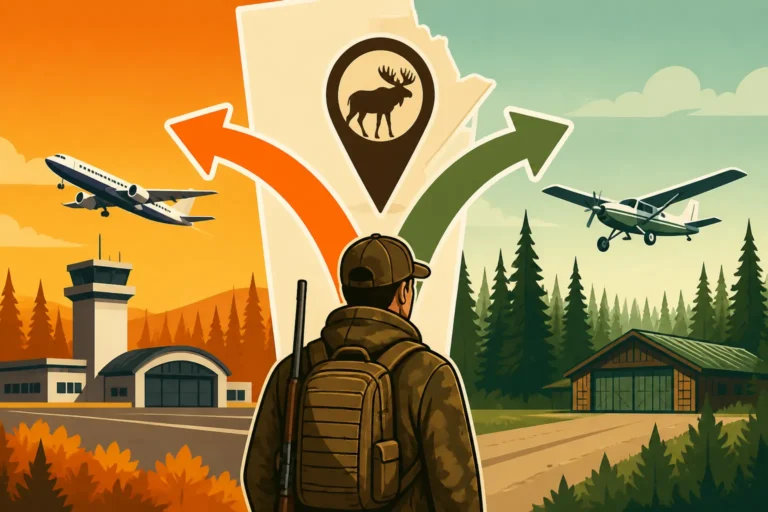
Let's be real: hunting caribou in Northern Manitoba isn't like driving to your local deer lease. We're talking about venturing deep into the subarctic wilderness, primarily targeting the Qamanirjuaq herd of barren-ground caribou. These animals roam vast territories, and their movements are dictated by forage, weather, and ancient migration patterns. This means that access to their range is almost exclusively by air. Forget gravel roads or even ATV trails; you'll be flying in, typically on a float plane or a wheel plane landing on a remote strip. This logistical reality shapes every aspect of the hunt, from how much gear you can bring to how meat is transported out.
The terrain itself is largely open tundra, interspersed with lakes, rivers, and stunted boreal forest along water systems. It's truly wild and unforgiving, demanding respect and thorough preparation. You're not just hunting a specific animal; you're immersing yourself in an ecosystem where humans are visitors. The vastness of the landscape means that a significant portion of your hunt will involve glassing for animals, often from elevated points, and then embarking on long stalks across uneven, often wet ground. It’s an incredibly raw and authentic hunting experience, but it requires a very specific set of skills and a robust outfitter to navigate safely and successfully. Understanding this remoteness is key to appreciating what a hunt here entails, especially when you consider Packing Caribou Out to a Float Plane once you've harvested an animal.
Finding and Vetting Your Caribou Outfitter
Given the extreme remoteness and specialized nature of an August caribou hunt in Northern Manitoba, booking with a reputable outfitter isn't just a convenience; it's a necessity. Non-residents, in particular, are required to hunt with a licensed guide for most big game species, and caribou is certainly one of them. This means your choice of outfitter will make or break your trip. You want someone with deep knowledge of the territory, established logistics, and a proven track record of safety and success.
Starting Your Search for a Northern Manitoba Outfitter
When you're ready to start looking for an outfitter, it's not like searching for a local fishing guide. You're looking for specialists who operate in a very specific, challenging environment. Online platforms like BookYourHunt and GoHunt can be fantastic starting points. These sites often feature outfitters from across North America, allowing you to filter by species, location, and hunt type. You can read reviews, compare packages, and get an initial feel for different operations. They often provide valuable insights into what other hunters have experienced, giving you a preliminary vetting tool.
However, don't stop there. Once you have a few potential outfitters in mind, dive deeper. Look up their own websites, scour hunting forums, and, if possible, attend hunting expos where outfitters might have booths. Speaking to them face-to-face or having a detailed phone conversation is crucial. You want to gauge their communication style, their knowledge of caribou behavior in August, and their familiarity with the specific areas they hunt. This isn't a "plug-and-play" hunt; it requires intimate knowledge of the land and the animals. A good outfitter will be transparent about their operations, their success rates, and what a typical hunt day looks like. Remember, you're not just buying a hunt; you're buying their expertise and their ability to navigate a challenging environment. This also ties into the broader considerations of Booking a Manitoba Caribou Hunt in general, not just for August.
Key Questions to Ask Before Booking
Once you've narrowed down your choices, it's time to get specific. Don't be shy about asking detailed questions. A reputable outfitter will welcome them, as it shows you're serious and well-prepared. Here's a table of essential questions to guide your conversation, along with what to listen for in their answers:
| Question | What to Listen For / Why It Matters |
|---|---|
| What are your success rates specifically for August caribou hunts? | Be wary of 100% guarantees. Look for realistic numbers (e.g., 70-90% opportunity, 50-70% harvest). Ask about factors influencing success (weather, migration). |
| What is the typical guide-to-hunter ratio? | One-on-one (1:1) is ideal for remote spot-and-stalk caribou, offering more personalized attention. Two-on-one (2:1) can also work, but consider group dynamics. |
| What kind of camp accommodations do you offer? | Are they heated tents, cabins, or modular structures? What are the sleeping arrangements, cooking facilities, and washroom options? Comfort is key in remote settings. |
| What are the exact travel logistics to camp? | How do you get from the main airport (e.g., Winnipeg or Thompson) to the remote camp? Is it a combination of commercial flights and charter float planes? Clarify all legs of the journey. |
| What are the weight limits for gear on the charter flights? | This is critical for fly-in hunts. Exceeding limits means extra costs or leaving essential gear behind. Ask for precise figures and what constitutes "carry-on" versus "checked." |
| Can you provide references from past August caribou hunters? | Absolutely essential. Speak to previous clients to get unbiased accounts of their experience, the outfitter's reliability, and the quality of the hunt. |
| What is your policy regarding bad weather delays or unforeseen circumstances? | Weather in the North can ground planes for days. Understand their plan for food, accommodation, and rescheduling in such events. |
| How is game handled once harvested (field dressing, transport, meat care)? | This is vital. Ensure they have proper procedures for prompt field dressing, meat cooling, and transport back to base camp and then to a processor. Especially important for Meat Care in Manitoba's Cold Snaps, even in August. |
| What are the physical demands of this particular hunt? | Be honest about your fitness level. Some hunts involve significant walking over rough terrain, while others might be more boat-based. |
| What does your emergency plan entail for remote locations? | Ask about satellite phones, first aid, and evacuation procedures. Safety should be paramount. |
A truly professional outfitter will have clear, confident answers to all these questions. If you get vague responses or a feeling of evasiveness, that’s a major red flag. Platforms like GoHunt or BookYourHunt often provide some of this information upfront, but always verify directly with the outfitter before committing. Remember, this isn't just about the hunt; it's about your safety and overall experience in one of the most wild places on earth.
Understanding Costs and What's Included (and Excluded)
When you're dreaming of an August caribou hunt in Manitoba, it's easy to get swept up in the adventure. But before you commit, it’s crucial to have a clear understanding of the financial commitment involved. These aren't budget hunts; they're expeditions into the far north, and the costs reflect the incredible logistics and expertise required. Don't let hidden fees or unexpected expenses derail your experience.
Breaking Down the Caribou Hunt Budget
A guided caribou hunt in Northern Manitoba is a multi-faceted expense. The sticker price you see for the hunt package is usually just the starting point. You need to factor in several other significant costs to get a realistic total budget. Think of it this way: the base package gets you into camp and a guide, but everything else gets you to camp, equipped for camp, and out of camp with your trophy.
Here’s a breakdown of the typical cost components:
- Base Hunt Package: This is the core cost from the outfitter. It generally covers your guide service, accommodations at their remote camp, meals, and field transportation (e.g., ATVs, boats, or sometimes just good old boot leather).
- Manitoba Hunting Licences and Tags: You'll need a Manitoba resident or non-resident hunting license, along with a specific caribou tag. These are mandatory and have separate costs. Don't forget any federal migratory bird permits if you plan on combining your trip with waterfowl. You can find more details on these in Manitoba Hunting Licences and What They Cost and Manitoba Caribou Licence Rules.
- Travel Costs: This is often the biggest variable.
- Commercial Flights: Getting to Winnipeg or a regional hub like Thompson will be your first step.
- Charter Flights: From Thompson or another regional airstrip, you'll almost certainly need a private charter flight (float plane or wheel plane) to get to the remote outfitter's camp. These can be very expensive and are often not included in the base package. Outfitters will usually arrange them, but the cost is passed on. This is where researching Manitoba Fly-In Camps and Float Planes becomes critical.
- Gear and Equipment: Investing in quality gear is non-negotiable for a northern hunt.
- Clothing: Layered clothing suitable for variable weather (rain gear, warm insulated layers, good base layers).
- Footwear: Waterproof, comfortable, and well-broken-in hiking boots are essential for the tundra.
- Optics: High-quality binoculars and a spotting scope are indispensable for glassing the open terrain.
- Rifle/Bow & Ammunition: Ensure your equipment is reliable and sighted in.
- Personal Items: Satellite communication device, headlamp, first-aid kit, toiletries.
- Meat Processing and Shipping: Once you harvest a caribou, you'll want to get the meat processed. Some outfitters offer basic field butchering, but for professional processing, you'll need to arrange this either near their base camp or once you return to a larger centre. Shipping the meat home, especially internationally, can be a significant cost.
- Trophy Care and Taxidermy: If you plan on taking the cape and antlers home, there will be costs for field preparation (skinning, caping), salting, and potentially crating and shipping to your taxidermist.
- Gratuities/Tips: It's customary to tip your guide and other camp staff for their hard work and service. This is a significant part of the overall cost and should be factored into your budget upfront.
- Unexpected Costs: Always budget a contingency fund for things like travel delays, extra nights in a hotel due to weather, or unexpected gear needs.
As a reminder, I cannot provide specific figures for any of these costs, as they fluctuate. Always check the outfitter's current pricing and contact the relevant government agencies for up-to-date license and tag fees. Platforms like BookYourHunt often list the estimated total cost, including these extras, which can be helpful.
What to Expect from a Typical August Caribou Package
While every outfitter is different, a "typical" guided August caribou hunt package from a reputable Manitoba operation generally includes a robust set of services designed to get you into the remote hunting grounds and support your hunt.
What is usually INCLUDED:
- Guide Services: This is paramount. You'll have experienced guides who know the caribou movements, the terrain, and how to track and approach animals safely and effectively. The guide-to-hunter ratio (e.g., 1:1 or 2:1) will be specified.
- Accommodations: Remote camps will vary from basic but comfortable tent camps with cots and wood stoves to more permanent cabin structures. Expect rustic but functional.
- Meals: Good, hearty food is essential for sustaining hunters in the field. Meals are usually provided, from breakfast before dawn to dinner after dark.
- Field Transportation: This could include boats for lake travel, ATVs for traversing rough ground, or just hiking to get to glassing points and close the distance on a stalk.
- Initial Game Care: Guides will typically assist with field dressing your caribou, quartering it, and getting it back to camp, where basic cooling and storage might be available. This is where Getting a Moose Out With a Quad or similar strategies come into play for caribou.
- Logistical Support: The outfitter handles the complex logistics of getting supplies into and out of such a remote location, which is a huge part of what you're paying for.
What is usually EXCLUDED:
- Commercial and Charter Airfare: As mentioned, your flights to the region and the charter flight into the remote camp are almost always extra. This is a crucial point of clarification when booking.
- Manitoba Hunting Licences and Tags: These are purchased separately by the hunter.
- Personal Hunting Gear and Clothing: You are responsible for bringing all your own weapons, optics, sleeping bag, layered clothing, and personal items. Outfitters will provide a packing list. Remember the What a Fly-In Camp Weight Limit Means when packing.
- Meat Processing and Shipping: Unless specifically stated, professional butchering, freezing, and shipping of your meat will be an additional cost and responsibility.
- Trophy Preparation and Shipping: While guides will do basic caping, preparing a hide for taxidermy and shipping antlers/cape usually involves extra charges.
- Gratuities: Tipping your guide and camp staff is expected and not included in the package price.
- Alcoholic Beverages: If you want adult beverages in camp, you'll typically need to bring your own, within the weight limits of the charter flight.
- Pre and Post-Hunt Accommodations: Any hotel stays before your flight into camp or after your flight out are usually not included.
- Taxes: Applicable sales taxes on the hunt package itself might be extra.
Always get a detailed, itemized list of what's included and what's not in writing from your outfitter. This transparency will prevent any unwelcome surprises once you're on your trip. It's an investment, but with proper planning, it's an investment in an unparalleled adventure.
Preparing for Your Northern Caribou Adventure
Booking the hunt is just the first step. To truly make the most of your August caribou adventure in Manitoba, you need to prepare both your gear and your body for the unique demands of the northern wilderness. This isn't a passive experience; it requires active participation and readiness.
Essential Gear for an August Caribou Hunt
Forget fashion; function is king in the subarctic. While August can offer milder days, it can also deliver bone-chilling winds, relentless rain, or even an early dusting of snow. The key to staying comfortable and safe is a robust layering system and durable, waterproof outer layers.
Here’s a breakdown of what you’ll absolutely need:
- Layered Clothing System: This is your best friend.
- Base Layers: Moisture-wicking synthetics or merino wool. Bring several sets.
- Mid-Layers: Fleece jackets, puffy vests, or wool sweaters for insulation.
- Outer Shell: A high-quality, waterproof and windproof jacket and pants. Look for Gore-Tex or similar durable materials. This is non-negotiable for staying dry.
- Heavy Insulation: Even in August, a packable insulated jacket (down or synthetic) is critical for sitting still or during unexpected cold snaps.
- Footwear:
- Hiking Boots: Sturdy, waterproof, and well-broken-in boots with good ankle support are crucial for traversing uneven, often wet tundra. Consider a spare pair if space allows.
- Camp Shoes: Something comfortable and dry for around camp, like Crocs or light hiking shoes.
- Socks: Plenty of wool or synthetic moisture-wicking socks. Bring a fresh pair for each day, plus spares.
- Optics:
- Binoculars: High-quality 10×42 or 12×50 binoculars are essential for glassing vast distances.
- Spotting Scope: A 15-45x or 20-60x spotting scope with a tripod will save you countless miles of walking by allowing you to evaluate animals from afar.
- Rifle or Bow:
- Rifle: Choose a reliable rifle in a common big game caliber (e.g., .270, .30-06, .300 Win Mag). Practice extensively from various positions you might encounter (prone, kneeling, off a pack).
- Bow: If bowhunting, ensure your setup is tuned and you're proficient out to your ethical range.
- Ammunition: Bring plenty of practice ammo and quality hunting rounds. Be aware of Ammunition Rules at the Border if traveling from out of country.
- Backpack: A comfortable daypack for stalks and a larger pack for packing out meat (if you're involved in that process).
- Sleeping Bag: A quality sleeping bag rated for at least -10°C (15°F), even in August, to ensure warmth in unpredictable northern nights.
- Miscellaneous:
- Satellite Communication Device: A Garmin inReach or similar is a smart safety measure, as cell service will be nonexistent.
- Headlamp: With spare batteries.
- First-Aid Kit: Personal medications and basic first aid.
- Water Bottle/Hydration System: Staying hydrated is key.
- Knife: A good field dressing knife and sharpener.
- Sun Protection: Hat, sunglasses, sunscreen. The northern sun can be intense, even when it's cool.
- Bug Protection: Mosquitoes and black flies can be fierce in August. Head net, strong repellent (DEET), and possibly permethrin-treated clothing are vital.
Remember, everything you bring needs to fit within the strict weight limits of the charter planes. Lay everything out, weigh it, and be prepared to make tough choices. This is where What a Fly-In Camp Weight Limit Means truly comes into play.
Physical and Mental Readiness
An August caribou hunt is more than just a vacation; it's a physical and mental test. The vast, open terrain, the unpredictable weather, and the sheer effort involved in stalking and packing out an animal demand a certain level of fitness and resilience.
- Physical Conditioning: You don't need to be an Olympic athlete, but you should be in good cardiovascular shape. Focus on exercises that build endurance, leg strength, and core stability. Think walking with a weighted pack, stair climbing, and general cardio. Simulate walking over uneven ground as much as possible. A caribou can weigh a lot, and if you're involved in the pack-out, it will be demanding.
- Mental Toughness: The North can be isolating and challenging. Be prepared for:
- Weather Changes: Rapid shifts from sun to rain, wind, or even snow. Stay positive and adaptable.
- Long Days and Early Starts: Hunting success often means being out before first light and staying out until dark.
- Frustration: Caribou can be unpredictable. You might glass for hours without seeing anything, or a stalk might go awry. Patience is a virtue.
- Remoteness: Being far from civilization requires a certain comfort with self-reliance and trust in your guide.
- Safety Awareness: Always listen to your guide. They are the experts in this environment and your safety is their top priority.
By meticulously preparing your gear and getting yourself in good physical and mental shape, you'll not only increase your chances of a successful hunt but also ensure you truly enjoy the incredible, wild experience that an August caribou hunt in Northern Manitoba offers. It's a journey that will challenge you, reward you, and create memories that last a lifetime.
Disclaimer
This article is for general informational purposes only and does not constitute professional advice. Laws, prices and regulations vary by location and change over time. Consult a qualified professional for guidance on your specific situation.