What a Guided Bear Hunt Includes
You're finally looking at booking that exciting black bear hunt in Manitoba, and the adrenaline is already starting to pump! But let's be real, navigating what's actually included in a "guided hunt" can feel like deciphering a cryptic puzzle. You're wondering if you'll be set up for success, what kind of camp you'll be staying in, and what hidden costs might pop up. This guide aims to pull back the curtain on the typical inclusions of a guided black bear hunt in Manitoba, giving you a clear picture of what to expect from your outfitter and what you'll need to handle yourself.
The Foundation of Your Manitoba Bear Hunt Package
A guided bear hunt isn't just about showing up with your rifle or bow; it's a comprehensive experience that starts long before you ever set foot in the Manitoba bush. Outfitters work hard to manage the details, ensuring you have the necessary information and support to make your trip smooth and enjoyable.
Initial Contact and Booking Process
When you first reach out to an outfitter, whether directly or through a platform like BookYourHunt, you're entering into a crucial phase of information gathering. This initial contact is where you discuss available dates, specific package options, and the general flow of the hunt. Good outfitters will be transparent about their offerings, often providing detailed itineraries and equipment lists. You'll likely receive a booking agreement outlining payment schedules, cancellation policies, and what your deposit secures. This is your chance to ask all those burning questions about camp amenities, typical shot distances, and any physical requirements for the hunt.
Once you've decided on an outfitter, the booking process solidifies your spot. You'll typically put down a deposit, which confirms your dates and allows the outfitter to plan their season's logistics around your group. This often includes securing guides, ordering supplies, and preparing bait sites. It's a commitment from both sides, laying the groundwork for your adventure. Many outfitters prefer to handle this directly, but sometimes using reputable booking services can streamline the initial search and comparison process.
Licence and Tag Acquisition Guidance
One of the biggest headaches for hunters, especially non-residents, can be navigating the labyrinth of hunting licences and tags. A key inclusion in most guided packages is comprehensive guidance on how to acquire your Manitoba black bear licence and tag. Outfitters usually provide step-by-step instructions, links to the provincial online licensing system, and often a reminder of application deadlines. They understand that unfamiliar regulations can be daunting, and their expertise ensures you don't miss a critical step, which could jeopardize your hunt before it even begins.
While the outfitter will guide you through the process, remember that you are ultimately responsible for purchasing your own licence and tag. They can't do it for you, but they can certainly make it easier by telling you exactly what you need, where to get it, and what information to have ready. This is particularly valuable for hunters who might also need to understand Rules for Non-Residents Hunting Manitoba or have specific questions about Manitoba Bear Season Dates. Think of your outfitter as your personal administrative assistant for all things regulatory, helping you cut through the red tape.
Pre-Hunt Communication and Prep
The anticipation leading up to a hunt is half the fun, and good outfitters foster this excitement with regular pre-hunt communication. This typically includes detailed packing lists, travel recommendations (think airports, driving routes, border crossing advice for firearms), and information about the camp itself. They'll often provide weather expectations for the time of your hunt, advice on appropriate clothing layers, and sometimes even specific recommendations for firearms or archery equipment, considering the typical shot distances you might encounter.
This ongoing dialogue ensures you arrive fully prepared, not just with the right gear, but with a clear understanding of the schedule and what's expected of you. If you're wondering about Spring Bear Hunting in Manitoba versus a fall hunt, they can outline the differences in bug pressure, foliage, and bear activity. Some outfitters might even send pre-hunt videos or photos of the area to give you a sneak peek and help you visualize your adventure. This level of support significantly reduces pre-trip anxiety and lets you focus on the excitement of the hunt.
What Happens at the Bear Bait Site
The heart of a Manitoba black bear hunt often revolves around well-maintained bait sites. This isn't a casual affair; it's a strategic, labour-intensive process that guides manage for months leading up to and during your hunt.
Pre-Season Baiting and Scouting
Long before you even arrive in Manitoba, your outfitter is already hard at work preparing for your hunt. This involves extensive pre-season scouting to identify prime bear habitat and establishing multiple bait sites. These sites are strategically located in areas known for high bear activity, often near dense cover, water sources, and travel corridors. Guides will spend weeks, if not months, consistently baiting these locations to condition bears to visit them regularly. This continuous effort is crucial for increasing your chances of encountering a mature bruin.
The goal isn't just to attract any bear, but to draw in multiple bears and allow the outfitter to assess their size and activity patterns. They'll use trail cameras to monitor visits, identify individual bears, and get a sense of their schedule. This allows them to manage their sites effectively, ensuring fresh bait is always available and that they can direct you to the most promising locations. Understanding this massive undertaking helps you appreciate the investment your outfitter makes long before you even arrive. For more on this, you might want to read Setting a Bear Bait Site in Manitoba.
Stand Placement and Setup
Once active bait sites are established, your guide will carefully select and set up comfortable, safe, and effective hunting stands. These might be ladder stands, ground blinds, or even enclosed box blinds, depending on the terrain, wind direction, and what experience the outfitter aims to provide. The stands are strategically positioned to offer optimal shot angles, considering both bow and rifle hunters, while minimizing human scent and visibility. Safety is paramount, so stands are typically checked and maintained regularly.
The placement of these stands is a science in itself, taking into account prevailing winds, sun angles, and natural cover to conceal the hunter. Your guide will ensure that shooting lanes are clear and that you have a good view of the bait area. They will also discuss potential shot opportunities, identify landmarks for judging distance, and help you mentally prepare for the moment of truth. This meticulous setup is designed to give you the best possible chance at a clean, ethical harvest.
Daily Bait Maintenance and Monitoring
During your hunt, daily bait maintenance is a core responsibility of your guide. Each morning, or sometimes in the middle of the day, your guide will visit the active bait sites, replenish the bait, check trail cameras, and look for fresh sign. This constant monitoring helps them assess which bears are visiting, when they're most active, and whether any new bears have moved into the area. This information is critical for making informed decisions about where to place hunters each afternoon.
This daily routine isn't glamorous, but it's vital. A neglected bait site quickly loses its appeal to bears. Your guide will ensure that the bait is fresh and abundant, and that any potential issues, like equipment malfunctions or unexpected changes in bear activity, are addressed promptly. They're constantly evaluating, adjusting, and working to maximize your chances, sometimes even shifting you to a different bait site if a more promising opportunity arises. This proactive approach is a hallmark of a well-run guided bear hunt.
Lodging, Meals, and Camp Atmosphere
A guided hunt is about more than just the pursuit of game; it's about the entire experience, and camp life plays a huge role. From where you lay your head to what fills your belly, outfitters strive to create a comfortable and welcoming environment.
Accommodation Styles and Amenities
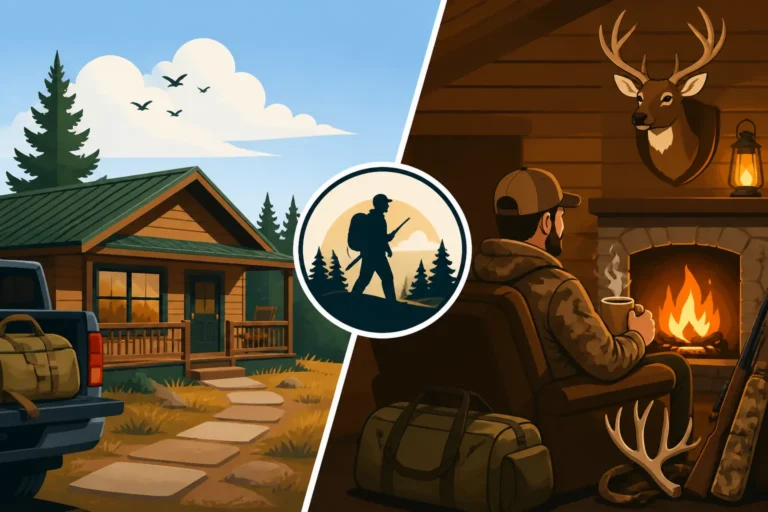
When you book a guided bear hunt in Manitoba, you're typically signing up for accommodation at the outfitter's main lodge or a comfortable satellite camp. These can range from rustic, cozy cabins deep in the bush to more modern lodges with all the comforts of home. Expect clean, comfortable sleeping arrangements, often shared rooms or cabins, which contribute to the camaraderie of a hunting camp. Amenities usually include heating, running water (sometimes potable, sometimes not – always clarify!), and electricity for charging devices. Some higher-end lodges might even offer private rooms or ensuite bathrooms, but generally, it's a communal living experience.
The specific style of accommodation will often be detailed in your package description. If you prefer more solitude, or if you have specific accessibility needs, it's crucial to discuss this with your outfitter upfront. Most camps are designed for hunters to relax after a long day in the stand, providing a warm, dry place to unwind and share stories. These places become temporary homes, fostering connections with fellow hunters and guides. Knowing what to expect regarding Manitoba Hunting Lodges and Camps can help you choose the right fit for your preferences.
Hearty Meals to Fuel Your Hunt
Let's be honest, hunting makes you hungry! A significant inclusion in most guided bear hunts is delicious, home-cooked meals. Outfitters understand that hunters need good fuel for their adventures, so expect hearty, satisfying fare that’s often prepared with local flair. This typically includes breakfast before you head out, a packed lunch or a light lunch back at camp, and a substantial dinner after the evening hunt. Beverages like coffee, tea, and juice are usually provided, though specialized drinks or alcohol are often extra.
The food isn't just sustenance; it's part of the camp experience. Imagine coming back to a warm lodge after a cool evening hunt to the smell of a hot, home-cooked meal. It's often a highlight, providing a chance to recount the day's events and bond with your fellow hunters. If you have dietary restrictions or allergies, it's absolutely essential to communicate these to your outfitter well in advance so they can make appropriate arrangements. They're usually very accommodating, but a last-minute request might be tough to fulfill in a remote camp.
The Social Side of Camp Life
Beyond the hunting, camp life is a huge part of the guided experience. It's an opportunity to connect with your guide and other hunters, sharing stories, strategies, and laughter. Most outfitters foster a friendly, welcoming atmosphere where everyone feels like part of the team. Evenings often involve discussions about the day's sightings, reviewing trail camera photos, and planning for the next day's hunt. This camaraderie is often what hunters remember most fondly, forging friendships that can last a lifetime.
Outfitters often encourage this social aspect, as it enriches the overall trip. Guides are typically seasoned storytellers, full of local knowledge and hunting wisdom. You might learn about Colour Phase Black Bears in Manitoba or hear tales of record-book bruins taken in the area. This shared experience, away from the hustle and bustle of everyday life, allows for genuine connection and a deep dive into the hunting lifestyle. It’s a chance to fully immerse yourself in the culture of the hunt.
Logistics and Post-Harvest Services
The hunt doesn't end when you pull the trigger or release an arrow. What happens immediately after, and how your animal is handled, is a critical part of the guided experience.
Transportation to Hunting Areas
Once you're at the outfitter's camp, a major inclusion is transportation to and from your hunting stand or area. This could involve anything from comfortable trucks and ATVs to boats, depending on the terrain and location of the bait sites. Your guide will ensure you arrive safely and discreetly at your assigned stand each afternoon and pick you up after dark. This eliminates the worry of navigating unfamiliar bush country or getting stuck, especially important in remote Manitoba regions.
The specific modes of transport might vary, but the service of getting you to your hunting spot and back is always provided. This includes navigating rough logging roads, crossing creeks, or even traveling by boat to islands or remote shorelines where bears are active. This logistical support is invaluable, allowing you to focus solely on the hunt rather than worrying about getting lost or damaging your own vehicle. It's part of the seamless experience that a good outfitter provides.
Animal Recovery and Field Dressing
When you successfully harvest a bear, the next critical step is animal recovery and field dressing. This is where your guide's expertise truly shines. They will lead the tracking effort, ensuring the animal is located quickly and efficiently. Once the bear is found, your guide will take charge of the field dressing process, which includes skinning and gutting the animal. This can be physically demanding work, especially with large bears, and having an experienced guide handle it is a huge benefit. They know how to properly care for the meat and cape to preserve its quality for processing and taxidermy.
Proper field dressing is essential, especially when dealing with a big game animal like a bear. Your guide will ensure the animal is processed cleanly and respectfully, in accordance with all regulations. They'll advise you on how to best handle the hide for taxidermy if you're planning a mount, and prepare the meat for transport. This critical service ensures that your hard-earned trophy and meat are handled correctly from the moment the animal is down. For tips on trophy care, consider reading Skinning a Bear for a Rug.
Meat and Hide Handling Guidance
Following field dressing, outfitters typically provide guidance and often facilities for initial meat and hide handling. This might include access to a walk-in cooler or freezer at camp for temporary storage of your meat and hide, especially in warmer early season hunts. Your guide will also advise you on how to prepare your bear for transportation, whether that involves bagging cuts of meat or properly salting and rolling a hide. They understand the logistics of getting your game from the bush to the processor and ultimately home.
While the outfitter will handle the initial steps and storage, remember that full processing (cutting, wrapping, freezing) and taxidermy services are typically not included in the package price. However, they can usually recommend local butchers and taxidermists in Manitoba and help coordinate drop-offs. This guidance is invaluable, particularly for non-residents who are unfamiliar with local services and regulations regarding game transport, like Transporting Game Meat in Manitoba or Taking Meat and Antlers Across the Border.
What's Typically NOT Included (and Why It Matters)
While a guided hunt provides a tremendous amount of service, it's crucial to understand what falls outside the typical package price. Misunderstandings here can lead to unexpected costs and frustration.
Personal Gear and Hunting Supplies
One of the most common misconceptions is that everything you need to hunt will be provided. While the outfitter provides the stand, bait, and general camp gear, your personal hunting equipment is almost always your responsibility. This includes your firearm or bow, ammunition, optics (binoculars, rangefinder), scent control products, knife, backpack, and, most importantly, all your clothing. You'll need appropriate layers for Manitoba's variable weather, including rain gear, insulated clothing, and quality boots that can withstand sitting for extended periods in potentially damp conditions.
This makes sense when you think about it: personal preference and fit are key for effective hunting. No outfitter can realistically supply every hunter with their preferred rifle, bow setup, or specialized clothing. They expect you to arrive with gear you are familiar with and that fits you well. Your outfitter will provide a detailed packing list, but it's up to you to acquire and test these items before your trip. Getting this right is crucial for comfort, safety, and success in the field.
Travel to and From Manitoba
Unless specifically advertised as an "all-inclusive" package that covers flights, your travel expenses to and from Manitoba are your responsibility. This includes airfare, mileage if you're driving, fuel costs, and any overnight accommodations you might need before or after the hunt (e.g., a hotel in Winnipeg or Brandon). Many hunters fly into Winnipeg and then rent a vehicle for the drive to the outfitter's camp, which can be several hours away.
It's vital to budget for these travel costs separately. Don't forget other travel-related expenses like airport parking, baggage fees (especially for firearms), and any meals you might eat on the road. For non-residents, there are also considerations like the Non-Resident Firearm Declaration process at the border. Clearly understanding these personal travel logistics will prevent any unpleasant surprises and ensure your journey to and from the hunt is as smooth as the hunt itself.
Post-Hunt Processing and Taxidermy
While your guide will perform initial field dressing and provide temporary cold storage for your bear, the more extensive post-hunt services like professional meat processing and taxidermy are separate costs. This means paying a butcher to cut, wrap, and freeze your meat for transport, and commissioning a taxidermist if you plan to mount the hide or skull. These services can add a significant amount to your overall hunt budget.
Your outfitter will often have preferred local contacts for these services and can help you arrange drop-off, but the bills for these services will be yours. If you're bringing the meat and hide across the border, be aware of specific regulations and packaging requirements. Always discuss your taxidermy plans with your outfitter and guide immediately after the harvest to ensure the cape and skull are prepared correctly for your chosen mount, be it a rug or a shoulder mount. Knowing What Shipping a Cape and Antlers Costs can help you budget accurately.
Making the Most of Your Guided Experience
A guided hunt is a partnership. While your outfitter and guide provide the expertise and infrastructure, your attitude and preparation play a huge role in the overall success and enjoyment of the trip.
Communication with Your Guide
Your guide is your most valuable asset in the field, and open, honest communication with them is paramount. Before and during the hunt, don't hesitate to ask questions. Clarify expectations regarding shooting distances, when to shoot (e.g., "only mature boars"), and what signals to use from the stand. If you have any concerns about your setup, your gear, or your comfort, voice them. A good guide wants you to be successful and safe, but they can't read your mind.
For example, if you're struggling with patience, or feeling uncomfortable in the stand, talk to them. They might have strategies or alternative setups. If you have a specific goal, like harvesting a large boar for a rug, make that clear from day one. They might be able to direct you to specific baits or advise on Judging a Boar From a Sow With Cubs. Remember, they are professionals, and your input helps them tailor the experience to you. The better you communicate, the more your guide can assist you.
Respecting Regulations and Wildlife
Participating in a guided hunt means you're part of a team, and that includes upholding all provincial hunting regulations and ethical hunting practices. Your guide will ensure you're aware of specific rules, such as Manitoba Shooting Hours for Big Game or tagging requirements. It's your responsibility to listen to their instructions and adhere to the law. Respect for the wildlife also extends beyond the shot – it means practicing good shot placement for a quick, ethical harvest and assisting with recovery.
Manitoba has strict rules to protect its wildlife populations, and your guide operates within these guidelines. They will not allow you to take risks that violate regulations or compromise safety. This also includes respecting the land, whether it's Crown land or private property where the outfitter has permission. Your guide can provide insights into Manitoba Hunter Education Requirements if you're looking to refresh your knowledge. Ethical hunting isn't just a legal requirement; it's a moral one, and a key part of any reputable outfitter's operation.
Financial Considerations Beyond the Package Price
Beyond the explicit inclusions and exclusions, there are other financial considerations to keep in mind. Gratuities for your guide and camp staff are customary and a significant part of their income. While not mandatory, it's expected if you've received good service. Plan to budget for this, typically a percentage of your hunt cost, paid directly to your guide and other staff. Another consideration is the potential for trophy fees if your outfitter offers them for specific animals or sizes, though this is less common with bear hunts.
Additionally, remember incidentals at camp like souvenirs, extra beverages, or snacks not provided. Also, think about travel insurance, which can protect your investment if unforeseen circumstances (illness, flight delays) force you to cancel or interrupt your trip. Your outfitter can advise on How Tipping Works on a Guided Hunt and other financial aspects. Being prepared for these "extras" ensures that your focus remains on the hunt, not on unexpected financial stress.
| Feature/Service | Typically Included | Typically NOT Included |
|---|---|---|
| Pre-Hunt Support | Booking assistance, tag guidance, packing lists | Personal hunting gear, specific licenses (e.g., federal migratory bird stamp) |
| Guide Services | Professional guide, daily transport to sites | Gratuities for guide/staff, additional guides for non-hunters |
| Hunting Strategy | Pre-scouted bait sites, stand setup, bait maintenance | Guarantee of harvest, specific trophy size, re-baiting fees for missed opportunities |
| Accommodation | Lodge or cabin lodging, basic amenities | Hotel stays before/after hunt, travel insurance, private cabins (unless specified) |
| Meals | Breakfast, lunch, dinner at camp, non-alcoholic beverages | Snacks/drinks outside camp, alcoholic beverages, specialty dietary items (unless arranged) |
| Field Processing | Initial field dressing, caping, temporary cold storage | Full butchering, taxidermy fees, shipping meat/trophy home |
| Transportation | In-camp transport to hunting areas | Airfare/gas to Manitoba, personal vehicle use, rental vehicle costs |
| Equipment | Stand, bait, some basic camp gear (e.g., lantern in blind) | Firearms/bows, ammo, clothing, optics, specialized personal gear |
| Emergency Services | Basic first aid, communication with local emergency services (where available) | Medical evacuation costs, personal accident insurance |
Disclaimer
This article is for general informational purposes only and does not constitute professional advice. Laws, prices and regulations vary by location and change over time. Consult a qualified professional for guidance on your specific situation.