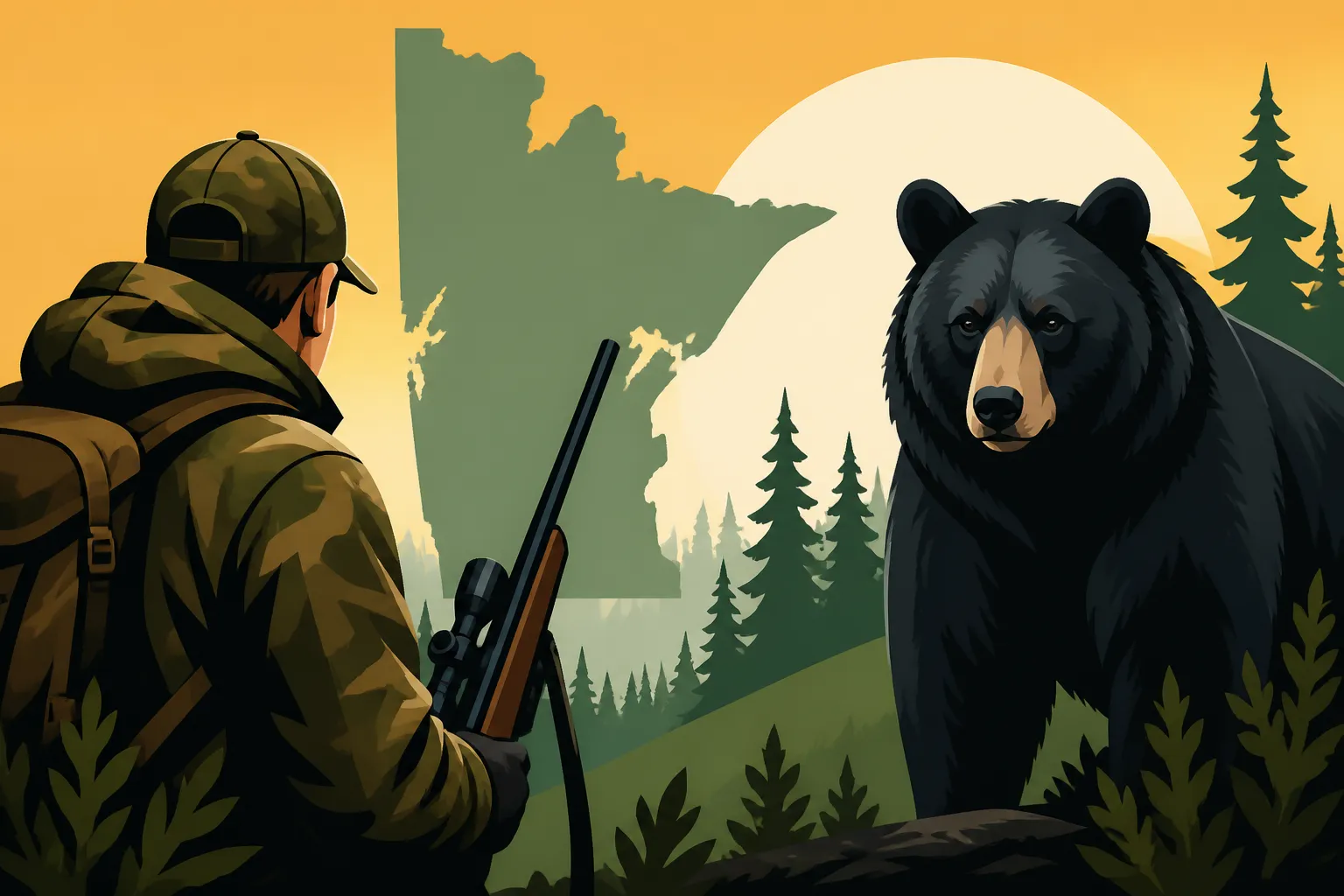
Black Bear Hunting in Manitoba
The thought of a big game hunt often conjures images of distant, complicated adventures, complete with competitive draws and expensive travel. For many hunters, the frustration of these hurdles can make a truly rewarding experience feel out of reach. But what if there was an accessible, high-success big game opportunity right here in Manitoba, offering fantastic trophy potential and a genuine wilderness experience? This comprehensive guide is dedicated to unlocking the secrets of black bear hunting in Manitoba, providing you with everything you need to plan a successful and unforgettable hunt, whether you're a seasoned veteran or considering your first bear adventure.
Why Manitoba is a Premier Destination for Black Bear Hunting
Manitoba often flies under the radar when it comes to big game, but for black bears, it's truly a hidden gem. This province boasts a robust and healthy bear population, spread across vast tracts of prime habitat, offering hunters incredible opportunities. Beyond just sheer numbers, Manitoba is renowned for its large-bodied bears and the unique variety of colour phases you can encounter, making it a compelling choice for any serious bear hunter.
Thriving Bear Population and Distribution Across the Province
Manitoba's black bear population is not just stable; it's thriving. Estimates suggest a healthy and robust number of bears, particularly in the vast boreal forests and mixed woodlands that dominate much of the province's central and northern regions, as well as parts of the eastern and western fringes. These areas provide the perfect blend of dense cover, abundant food sources, and minimal human disturbance, allowing bears to grow to impressive sizes.
You'll find concentrations of bears in areas like the Duck Mountain, Porcupine Hills, and Turtle Mountain Provincial Forests in the west, stretching east through the Interlake region and into the extensive wilderness of the Whiteshell and Nopiming Provincial Parks. Further north, the population becomes even denser, with incredible opportunities in the more remote reaches of the boreal forest. This widespread distribution means there are excellent hunting opportunities for both resident and non-resident hunters, whether you prefer easily accessible areas or a true wilderness experience. The key is knowing how to approach these varied landscapes, and understanding that each region presents its own unique challenges and rewards.
Impressive Trophy Potential and Unique Colour Phases
One of the most exciting aspects of hunting black bears in Manitoba is the incredible trophy potential. These bears have access to nutrient-rich food sources, leading to large body sizes and impressive skulls that can often make the Boone & Crockett record books. It's not uncommon to harvest bears weighing over 300 pounds, with some reaching well into the 400-500 pound range, particularly later in the fall season when they've bulked up for winter.
Beyond sheer size, Manitoba is famous for its "colour phase" black bears. While most black bears are, as the name suggests, black, this province offers a higher likelihood of encountering bears with stunning fur variations. You might see bears with coats of deep chocolate, striking cinnamon, or even blonde and red hues. Imagine harvesting a beautiful blonde bear – it's truly a once-in-a-lifetime experience and a testament to the genetic diversity within Manitoba's bear population. These colour phases add another layer of excitement and uniqueness to every hunt, making the decision to release a smaller, black bear in hopes of a larger, uniquely coloured one a common, thrilling dilemma. This is one of the reasons why hunters often return to Manitoba year after year, hoping to add another distinct bear to their collection.
Navigating Manitoba's Black Bear Hunting Regulations
Understanding the rules and regulations is paramount for a safe, ethical, and legal black bear hunt in Manitoba. The province has specific guidelines regarding licensing, season dates, bag limits, and important considerations like baiting and evidence of sex. Staying informed will prevent any unfortunate surprises in the field and ensure you're contributing to responsible wildlife management.
Licences, Seasons, and Bag Limits
Before you even think about stepping into the woods, you need to secure the correct licence. Manitoba offers black bear licences for both residents and non-residents, with specific requirements and costs for each. Residents can purchase their licences directly, while non-residents, particularly foreign residents, are often required to book their hunt through a licensed outfitter. This ensures proper management and support for the local guiding industry. You can learn more about specific requirements by checking out our guide on Manitoba Non-Resident Licence Options.
Manitoba typically offers two distinct black bear seasons: a spring season and a fall season. The spring season usually runs from April to June, offering a fantastic opportunity to hunt bears emerging from their dens, often focusing on fresh greens and early bait sites. The fall season typically opens in late August or early September and runs into October or even early November, when bears are actively feeding to pack on weight before hibernation. Each season has its own unique challenges and advantages. The bag limit for black bears in Manitoba is generally one bear per hunter per licence year, though specific regulations can vary slightly by Game Hunting Area (GHA) or year, so always consult the most current hunting guide. It's critical to validate your tag immediately after harvesting an animal, a simple but often overlooked step that keeps everything above board.
Baiting Regulations and Evidence of Sex Requirements
Baiting is a widely used and highly effective method for hunting black bears in Manitoba, especially in the spring and early fall. However, strict regulations govern how and where bait sites can be established and maintained. Hunters must ensure their bait sites are placed in locations that comply with provincial guidelines, often requiring them to be a certain distance from roads, residences, and other hunting areas. The type of bait used is also regulated; generally, most food-based attractants are permissible, but check for any prohibitions on certain materials. Bait sites must be clearly marked with the hunter's licence number or contact information. Consistency is key with baiting, as bears learn patterns, so regular replenishment is essential. Outfitters like those found via a service like GoHunt often specialize in establishing and maintaining highly effective bait sites, taking the guesswork out of the process for non-resident hunters.
Another critical regulation pertains to evidence of sex. After harvesting a bear, you are required to leave evidence of its sex naturally attached to the carcass or hide, usually in the form of the unskinned external genitalia or a portion of the mammary glands (for sows). This regulation helps conservation officers monitor harvest data and ensure hunters are adhering to ethical practices, especially in avoiding the harvest of sows with cubs. Removing this evidence prematurely can lead to significant penalties, so it’s something every hunter needs to be acutely aware of during field dressing. Understanding these nuances is part of being a responsible hunter, and Manitoba takes these rules seriously to maintain healthy bear populations.
Effective Black Bear Hunting Methods in Manitoba
Black bear hunting in Manitoba primarily revolves around two highly effective methods: baiting and spot-and-stalk. Each approach demands a different set of skills, patience, and understanding of bear behaviour, offering unique challenges and rewards. Choosing the right method often depends on the time of year, the terrain you're hunting, and your personal hunting style.
The Art of Baiting for Black Bears
Baiting is arguably the most popular and successful method for black bear hunting in Manitoba, especially for hunters looking for a controlled and consistent opportunity. It involves establishing a food source that attracts bears to a specific location, allowing hunters to set up in a blind or stand nearby for a close-range shot. The "art" of baiting lies in its execution:
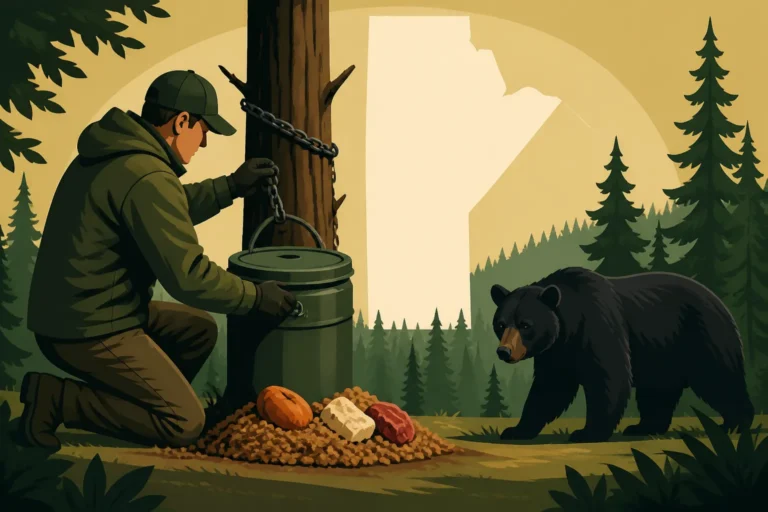
Setting Up an Irresistible Bait Site: This isn't just about dumping food in the bush. A successful bait site requires strategic placement. You want it in a secluded area, away from human traffic, but accessible enough for you to replenish regularly. Bears are creatures of habit and exceptional navigators, so picking a location along natural travel corridors, near dense cover, or along a water source can significantly increase your odds. The bait itself is crucial; bears are omnivores, but they have a massive sweet tooth and a keen sense of smell. Old pastries, candies, grease, and strong-smelling foods like beaver meat or fish scraps are excellent choices. Many hunters use scent attractants to initially draw bears in from a distance, creating a potent aroma cone. For comprehensive guidance on setting up a bait site, consider our detailed article on Setting a Bear Bait Site in Manitoba.
Patience and Persistence in the Stand: Once your bait site is established, the real test of patience begins. It can take days, or even weeks, for bears to find and commit to a bait. Regular replenishment is key; bears will associate your site with a reliable food source. When hunting, you'll typically sit in a ground blind or elevated treestand positioned downwind from the bait. Bears have an incredible sense of smell, so scent control is critical. Patience is paramount, as bears often come to bait sites in the late afternoon or early evening. Sitting for hours, sometimes in challenging weather, waiting for that perfect opportunity is part of the experience. It's a method that truly allows you to study the bear's behaviour, judge its size, and ensure an ethical shot placement when the moment arrives. Many outfitters excel at maintaining these sites, providing hunters with high-quality, active baits.
Spot and Stalk Opportunities
While less common than baiting, spot-and-stalk hunting for black bears can be incredibly rewarding, offering a more active and challenging pursuit. This method is often more successful in areas with open terrain or in the northern parts of the province where vast burns or clear-cuts provide excellent visibility.
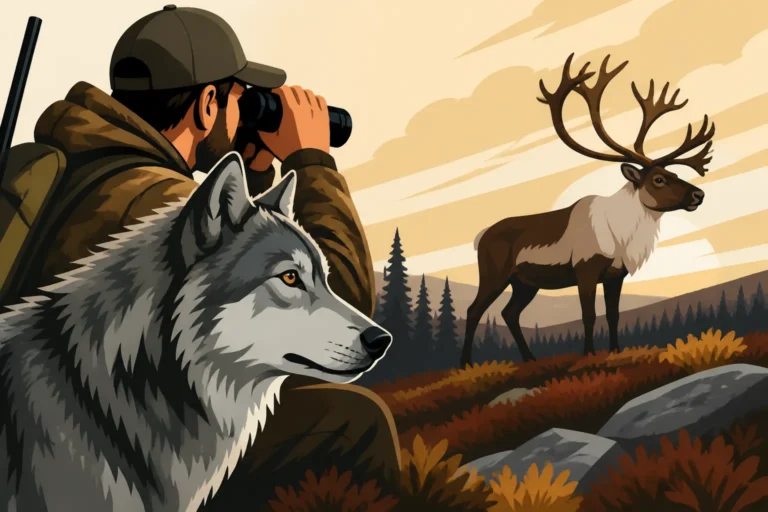
Finding Bears in Open Terrain: Spot-and-stalk relies heavily on keen observation and an understanding of bear movements in open country. In areas like the Duck Mountain or Porcupine Hills, bears might be seen grazing on clover or other greens in meadows, along cutlines, or in recent burns. In the far north, barren-ground caribou country, or along major river systems, bears can sometimes be spotted from elevated vantage points, especially during the spring when they are searching for food. The trick is to glass thoroughly, often using high-quality binoculars or spotting scopes, focusing on areas where food sources are prevalent or where bears might travel between dense cover. This method allows for a more dynamic hunt, requiring hunters to be constantly on the move and adaptable to changing conditions. You might even combine this with a Caribou and Wolf Combination Hunts if you're further north.
The Thrill of the Stalk: Once a bear is spotted, the real challenge begins: the stalk. This requires stealth, an intimate knowledge of the wind, and the ability to move silently through the terrain. Black bears have excellent hearing and an incredible sense of smell, making a successful stalk a true test of a hunter's skill. You'll need to use every piece of available cover, move slowly, and constantly check the wind direction to avoid detection. The goal is to get within an ethical shooting range, ideally without the bear knowing you're there. This can involve long crawls, navigating thick brush, and sometimes even backtracking if the wind shifts. While success rates might be lower than baiting, the sense of accomplishment from a successful spot-and-stalk bear hunt is unparalleled, offering a truly primal and engaging experience in the Manitoba wilderness.
Scouting for Prime Bear Habitat and Sign
Successful black bear hunting, regardless of the method, hinges on effective scouting. Understanding where bears live, what they eat, and how to interpret their signs on the landscape is crucial for putting yourself in the right place at the right time. Manitoba's diverse ecosystems offer a variety of habitats, each requiring a slightly different scouting approach.
Identifying Bear Sign and Activity
Bears are notoriously elusive, but they leave behind a wealth of clues if you know what to look for. Scouting for bear sign is like reading a story written on the forest floor, telling you not just that a bear was there, but what it was doing and where it might be headed.
Tracks, Scat, and Rubs: Fresh tracks in soft dirt, mud, or snow are a clear indicator of bear presence. Look for five toes and a prominent heel pad; hind tracks often resemble a human foot, though smaller. Measuring the width of the front paw can give you a rough estimate of the bear's size. Scat (droppings) can tell you what bears are eating and how recently they were in the area. In spring, scat might be full of grasses, while in late summer and fall, it will be packed with berries, nuts, or even remnants of agricultural crops. Rubs, where bears rub their bodies against trees to mark territory or scratch an itch, are also key indicators. Look for hair left behind, often on trees with rough bark like spruce or pine, usually at shoulder height or higher. Claw marks on trees, especially on softer bark like aspen or balsam poplar, can indicate a bear has climbed the tree, often to escape danger or to feed on buds or fruit.
Understanding Feeding and Travel Patterns: Beyond direct sign, look for evidence of feeding. Torn-apart logs and overturned rocks suggest bears are digging for grubs and insects. Disturbed berry bushes, especially in late summer and early fall, can indicate active feeding areas. Bears will often create distinct trails, or "bear highways," between their feeding grounds, bedding areas, and water sources. These trails are usually well-worn and can be found crossing through dense brush or along ridge lines. By connecting these pieces of the puzzle – tracks, scat, rubs, and feeding sign – you can start to map out a bear's daily routine and predict where it's likely to be. This detailed interpretation of sign is critical for choosing effective stand locations or planning a successful stalk, allowing you to intercept a bear rather than just randomly hoping to cross paths.
Locating Food Sources and Travel Corridors
Black bears are constantly on the move, driven by their insatiable appetites. Their movements are largely dictated by the availability of food, which changes throughout the seasons. Understanding these seasonal food preferences and how bears travel between them is the cornerstone of effective bear scouting.
Seasonal Food Sources: In the spring, bears emerging from hibernation are desperate for calories and will often target the first green growth, like sedges, clovers, and aspens buds. They'll also actively seek out winter-killed animals and insects. As summer progresses, their diet shifts to berries – saskatoons, blueberries, raspberries – which are abundant in many Manitoba forests. In the fall, bears gorge themselves on high-calorie foods to build fat reserves for winter. This includes acorns, hazelnuts, and, critically in agricultural areas, waste grain from fields of oats, barley, wheat, and especially standing corn or sunflower fields. Understanding these preferences and scouting specific areas known for these food sources at the right time of year is essential. You might find a bear Hunting a Standing Canola Field Edge or perhaps Hunting a Sunflower Field After Harvest in the fall.
Identifying Key Travel Corridors: Bears don't just wander aimlessly; they move between these food sources, bedding areas, and water along predictable paths. Look for natural funnels in the landscape, such as narrow strips of timber between open fields, river breaks, deep draws, or the edges of dense swamps and clear-cuts. Old logging roads, ATV trails, and even hydro lines can also serve as travel corridors, providing easier passage through thick bush. When scouting, pay close attention to where these corridors intersect with food sources or offer strategic ambush points. Areas around water bodies are also critical, as bears need to drink frequently, especially during warmer months. By identifying these critical travel routes and knowing what the bears are feeding on, you can strategically place a bait site, set up a stand for still-hunting, or plan a spot-and-stalk approach, significantly increasing your chances of success. Scouting effectively means not just finding where bears have been, but predicting where they are going to be.
Essential Gear and Preparation for a Manitoba Bear Hunt
A successful and enjoyable black bear hunt in Manitoba requires more than just a licence and a keen eye; it demands careful preparation and the right gear. From the firearms you carry to the clothing on your back, every item plays a crucial role in your comfort, safety, and ultimately, your success in the field.
Legal Firearms, Bows, and Ammunition Requirements
Choosing the right weapon for black bear hunting is a critical decision, and Manitoba has specific regulations regarding legal firearms and bows. It's vital to ensure your equipment meets these standards to avoid any legal issues.
Rifles and Ammunition: For rifles, Manitoba generally allows calibres that are capable of a clean, ethical kill on big game. While smaller calibres like the .243 Winchester can be effective with proper shot placement, many experienced bear hunters prefer something with more kinetic energy, such as a .270 Winchester, .30-06 Springfield, .300 Winchester Magnum, or a .338 Winchester Magnum. The larger calibres offer a greater margin for error and quicker incapacitation, which is important when dealing with a potentially dangerous animal. Regardless of calibre, bullet construction is paramount. Use quality, heavy-for-calibre, controlled-expansion bullets (like bonded or monometal designs) that will penetrate deeply and retain their weight, ensuring they reach vital organs even through thick bone and muscle. Avoid light, frangible bullets designed for varmints, as they will likely fail to perform on a bear. Ensure your rifle is sighted in accurately and you're confident in your shooting abilities at various ranges.
Bows and Arrow Setup: If you're a bowhunter, Manitoba's regulations will specify minimum draw weights and arrow criteria. Generally, for compound bows, a minimum draw weight of 40-50 pounds is common, though many hunters prefer 60 pounds or more for bears to ensure sufficient penetration. Crossbows are also legal with specific rules. Your arrow setup should be robust: use heavy, well-constructed arrows (often 450 grains or more total weight) paired with sharp, durable broadheads. Fixed-blade broadheads with strong construction are often favoured by bear hunters for their reliability in penetrating tough hide and bone, though well-designed mechanical broadheads can also be effective. Practice extensively with your hunting setup to ensure silent draw, accurate shooting, and confidence in your ability to make a precise shot under pressure. Remember, ethical shot placement is everything, regardless of your weapon choice.
Camp Essentials and Personal Safety Gear
Beyond your weapon, a well-thought-out packing list for camp and personal safety can make or break your hunt. Manitoba's wilderness can be unforgiving, and being prepared for various scenarios is crucial.
Clothing and Comfort: Manitoba's weather, especially during spring and fall bear seasons, can be highly unpredictable. Expect everything from warm, sunny days to cold rain, sleet, or even early snow. Layering is your best friend. Pack moisture-wicking base layers, insulating mid-layers (fleece or down), and a waterproof, windproof outer shell. Good quality, insulated boots are essential, as you'll spend hours sitting or walking. Bring plenty of changes of clothes, especially socks. For evenings at camp, having comfortable, warm clothing to change into will be a blessing. Don't forget bug spray, especially in spring and early summer; Manitoba mosquitoes and black flies are legendary.
Safety and Navigation: Safety should always be your top priority. A reliable GPS unit with extra batteries, a compass, and a detailed map of your hunting area are non-negotiable, especially if you plan on exploring unfamiliar territory or Scouting a Manitoba Game Hunting Area on your own. A satellite communication device (like a Garmin InReach or Spot device) is highly recommended, as cell service is often non-existent in remote areas. Carry a well-stocked first-aid kit, a headlamp or flashlight, a knife, fire-starting materials, and sufficient water and emergency food. Given you're hunting bears, a can of bear spray (and knowing how to use it) is a wise addition, especially when approaching downed game or navigating thick cover. Even if you're with an outfitter, having your own personal safety items is crucial. Companies like GoHunt provide resources that can help you create comprehensive checklists for these remote hunts. Always inform someone of your hunting plans, including your intended location and return time, whether you're hunting independently or with a guide.
Field Care, Processing, and Trophy Handling
The hunt doesn't end when the shot is fired. Proper field care of your harvested black bear is critical for preserving the meat, ensuring a high-quality hide for taxidermy, and complying with CWD sampling requirements. Mishandling these steps can ruin your trophy and waste valuable meat.
Proper Field Dressing and Cooling of Bear Meat
Black bear meat is surprisingly delicious when handled correctly, but it requires prompt attention due to the bear's thick fat layers and natural body heat. The primary goals of field dressing are to remove heat, clean the carcass, and prepare it for transport.
Rapid Cooling is Key: As soon as the bear is down, the clock starts ticking, especially in warmer weather. Bears have a thick layer of fat, which acts as insulation, trapping heat and potentially spoiling the meat quickly. The first step is to gut the bear immediately. Make a long incision from the sternum to the pelvis, being careful not to puncture the stomach or intestines. Remove all internal organs. Once the cavity is clear, prop it open with sticks or logs to allow air circulation and facilitate cooling. If water is available, you can rinse out the cavity, but ensure it's thoroughly dried afterward. In cool weather, hanging the bear or its quarters in the shade will aid in cooling. For warmer conditions, you might need to skin the bear promptly to get heat out of the carcass.
Skinning and Quartering: Skinning a bear quickly is often the best way to get the meat cooled down. Start by making an incision along the spine, then around the neck, down each leg to the paw, and around the belly. Carefully separate the hide from the muscle, working slowly to avoid cutting into the hide. Bear meat is often rich, so trimming off as much fat as possible during skinning and quartering can improve its flavour and shelf life. Once skinned, quarter the bear into manageable pieces. Separate the hindquarters, front shoulders, and backstraps. Place these pieces in game bags to keep them clean and protect them from insects. If you're hunting in extremely cold conditions, our guide on Meat Care in Manitoba's Cold Snaps might offer additional tips. The quicker you can get the meat cooled and into a professional butcher or freezer, the better the quality will be.
Hide Preparation for Taxidermy and CWD Sampling
If you're planning a full mount or a rug, proper hide care in the field is just as crucial as meat preservation. A poorly handled hide can quickly become ruined, making it impossible for your taxidermist to create a lasting trophy.
Salting and Rolling the Hide: For a rug or life-size mount, you'll need to skin the bear with a full head, including the ears, nose, and lips, and skin out the feet to the claws. For a shoulder mount, the cape needs to extend well behind the shoulders. The most critical step for hide preservation is salting. As soon as the hide is off, spread it flesh-side up and thoroughly salt it with non-iodized salt (fine-grained rock salt or plain table salt works). Pay extra attention to the head, feet, and any thick areas. The salt draws moisture out of the hide, preventing bacterial growth and decomposition. After salting, roll the hide up, flesh side in, and place it in a breathable bag (like a burlap sack) or a cooler. Keep it as cool as possible. Never place a salted hide in a sealed plastic bag, as this can trap moisture and promote spoilage. Get the hide to a taxidermist or tanner as quickly as possible. Many outfitters offer initial hide preparation and freezer space for clients.
Manitoba's CWD Sampling Program: While Chronic Wasting Disease (CWD) is primarily a concern for cervids (deer, moose, elk), Manitoba has a proactive approach to wildlife health. As a bear hunter, you won't be required to submit a CWD sample for your bear. However, it's good practice to be aware of the province's overall CWD sampling efforts, especially if you also hunt deer. The province often designates specific Game Hunting Areas (GHAs) for mandatory CWD sampling of cervids. Understanding these regulations is part of being a responsible hunter. You can often find drop-off locations at various points across the province. Staying informed about the latest wildlife health advisories through resources like the Manitoba Sustainable Development website or services like GoHunt is always a good idea, ensuring you are up-to-date with any changes that might affect your hunting practices.
| Season | Typical Dates | Primary Hunting Method | Key Considerations |
|---|---|---|---|
| Spring | Late April – Late June | Baiting, Limited Spot & Stalk | Bears emerging, seeking fresh greens; focus on establishing bait sites, bug pressure high. |
| Fall | Late August – Early November | Baiting, Spot & Stalk | Bears actively feeding for winter; excellent for large, fat bears, less bug pressure. |
Booking a Guided Black Bear Hunt in Manitoba
For many hunters, especially non-residents or those new to bear hunting, booking a guided trip with a reputable outfitter is the most straightforward and often most successful way to experience black bear hunting in Manitoba. Outfitters provide invaluable local knowledge, established bait sites, and logistical support that can turn a challenging hunt into a smooth, rewarding adventure.
Choosing a Reputable Outfitter
Selecting the right outfitter is perhaps the most critical decision when planning a guided black bear hunt. A good outfitter will not only put you on bears but will also ensure your safety, comfort, and a memorable experience.
What to Look For and Questions to Ask: Start your search by looking for outfitters who specialize in black bear hunting in Manitoba. Reputation is key, so seek out referrals from trusted hunting friends or online reviews. When you contact potential outfitters, don't hesitate to ask detailed questions. Inquire about their success rates (and what "success" means to them – opportunities, kills, or trophy quality), the typical size of bears harvested, and the number of active bait sites they maintain per hunter. Ask about their hunting areas – are they on Crown land, private land, or both? How far are the bait sites from camp? What is the typical shot distance? Also, clarify what is included in the package price (e.g., meals, lodging, guide service, field dressing, initial hide preparation, transportation during the hunt) and what is not (e.g., licences, gratuities, taxidermy, meat processing, travel to Manitoba). A transparent outfitter will provide clear answers to all these questions. GoHunt is an excellent resource for researching and comparing Manitoba outfitters, often providing verified reviews and detailed package information.
Guide-to-Client Ratio and Camp Experience: Consider the guide-to-client ratio. One-on-one guiding offers more personalized attention, while two-on-one can be more cost-effective but might mean less individual focus. Ask about the camp accommodations – are they rustic cabins, comfortable lodges, or spike camps? What kind of food can you expect? Is there cell service or Wi-Fi, or is it a truly off-grid experience? Understanding these details will help manage your expectations and ensure the camp environment aligns with your preferences. A good outfitter will prioritize safety, have emergency plans in place, and ensure their guides are experienced, knowledgeable, and genuinely invested in your hunting success and overall experience.
What to Expect and Plan For on Your Guided Hunt
Once you've booked your trip, it's time to prepare for the logistics and unique aspects of a guided Manitoba bear hunt. Planning ahead will reduce stress and allow you to fully immerse yourself in the experience.
Travel, Camp Life, and a Typical Hunting Day: Most guided bear hunts in Manitoba will involve flying into Winnipeg (YWG) or driving to a meeting point. From there, you might drive further, or even take a float plane if you’re heading to a remote northern camp. Confirm all travel arrangements with your outfitter well in advance. At camp, expect a communal atmosphere. Days typically start with a hearty breakfast, followed by discussions about the day's plan. If you're bait hunting, guides will often check and refresh baits in the morning or early afternoon. Hunters usually head to their stands in the late afternoon, sitting until dusk. Evenings are for sharing stories, a good meal, and preparing for the next day. Being prepared for varying weather, from Bug Season on a Spring Manitoba Hunt to crisp fall evenings, is essential.
Costs, Gratuities, and Post-Hunt Logistics: The cost of a guided black bear hunt in Manitoba can vary significantly depending on the outfitter, the length of the hunt, and what's included, but generally ranges from a few thousand to several thousand dollars (CAD). Be sure to budget for additional expenses like your hunting licence, tags, travel to and from Manitoba, personal gear, and gratuities for your guide and camp staff. Tipping is customary in the guiding industry and is a way to show appreciation for hard work; typically, 10-20% of the hunt cost is a good guideline. After a successful harvest, the outfitter will assist with field dressing, quartering, and often getting the hide prepped for a taxidermist. You'll need to arrange for meat processing and packaging, as well as shipping your meat and trophy home. Many outfitters have trusted local contacts for these services. Always ask about these post-hunt logistics early in your planning to avoid surprises. Understanding Manitoba Meat Processing and Cold Storage options is a critical part of the entire experience.
Ensuring Safety and Ethical Hunting Practices
Hunting black bears in Manitoba is an incredible privilege that comes with significant responsibilities. Prioritizing safety, practicing ethical hunting methods, and respecting the wildlife and environment are paramount for every hunter.
Bear Awareness and Personal Safety in the Bush
While black bears are generally shy and avoid human confrontation, understanding bear behaviour and taking precautions in bear country is crucial for your safety.
Carrying and Using Bear Spray: Whether you're hunting or just hiking, carrying bear spray is highly recommended, especially when you're in areas with dense bear populations or approaching a downed animal. Ensure it's easily accessible and you know how to deploy it effectively. Bear spray is designed to deter an aggressive bear and is often a safer and more effective option than a firearm in close-quarter encounters with non-predatory bears. Remember, your hunting firearm is for hunting, not necessarily for defensive encounters, although it certainly serves a dual purpose.
Camp Safety and Food Storage: In camp, proper food storage is vital to prevent attracting bears. Store all food, cooking supplies, and scented items (like toiletries) in bear-resistant containers, vehicles, or hung from trees away from your sleeping areas. Clean up all food scraps immediately after meals. Never feed bears, intentionally or unintentionally. Familiarize yourself with emergency procedures and communication protocols, especially in remote areas where cell service is unreliable. Being bear-aware means minimizing potential conflicts and ensuring both your safety and the bears' continued wild behaviour.
Ethical Harvesting and Responsible Wildlife Stewardship
Ethical hunting goes beyond simply following the rules; it encompasses respect for the animal, the environment, and the hunting tradition itself.
Making an Ethical Shot: A clean, ethical kill is every hunter's primary responsibility. This means knowing your weapon's capabilities, practicing regularly, and understanding bear anatomy for optimal shot placement. Always ensure you have a clear, unobstructed shot at the vital zone, and only take a shot when you are confident in your ability to make a quick, humane kill. Avoid marginal shots, especially at twilight or when a bear is moving rapidly. If a shot isn't perfect, be prepared for a thorough tracking job. Waiting a reasonable amount of time before tracking (often 30-60 minutes for a gut shot, or less for a well-placed shot) can increase your chances of finding the animal.
Respect for the Land and Wildlife: As hunters, we are stewards of the land and its wildlife. This means leaving no trace, packing out everything you pack in, and respecting private property and public lands. Understand the importance of Manitoba's Moose Conservation Closures and other specific management efforts, even if they don't directly apply to bear. Report any illegal hunting activities you witness to conservation authorities. Ethical hunting ensures that future generations will also have the opportunity to experience the thrill and challenge of black bear hunting in Manitoba's wild landscapes. It’s about more than just filling a tag; it’s about participating responsibly in the ecosystem.
Disclaimer
The information provided in this guide is for general informational purposes only and does not constitute legal advice. Hunting regulations, season dates, and licensing requirements can change. It is the responsibility of every hunter to consult the most current Manitoba hunting regulations guide and relevant provincial and federal laws before planning and undertaking any hunting activity.