Hunting the Grass River Country
Hunting the vast, wild expanse of Manitoba's Grass River Country can feel like trying to find a needle in a haystack – it's incredibly beautiful, brimming with potential, but also intimidatingly remote and rugged. Many hunters get overwhelmed by the sheer scale and lack of familiar landmarks. This guide will cut through that confusion, helping you understand the unique landscape, target the right game, plan your access, and equip yourself for a truly unforgettable backcountry hunting experience in this incredible region.
Understanding the Grass River Country Landscape
The Grass River Country is not your typical prairie or even parkland hunting ground. It's a deep dive into Manitoba's boreal forest and Canadian Shield, a mosaic of ancient rock, countless lakes, winding rivers, and dense, often unforgiving bush. Getting a handle on its unique geography is your first step to a successful hunt.
Geographical Features and Their Impact on Game
Imagine a landscape shaped by glaciers, where granite outcrops suddenly rise from dense spruce bogs, and thousands of lakes, big and small, dot the map. That's the Canadian Shield influence dominating much of the Grass River Country. The elevation changes aren't dramatic mountains, but rather rolling hills and ridges, often with challenging rocky terrain underfoot. This ruggedness significantly impacts game movement. Animals here tend to stick to corridors of least resistance: along lake shores, river systems, old burn lines, and natural draws between rocky rises. They'll also seek out pockets of different vegetation types, like a stand of mature aspens nestled amongst the black spruce, which offers a change in forage. Understanding these subtle shifts in terrain will allow you to predict where game might travel or bed. You won't find expansive fields here; instead, you're looking for edges where different habitats meet, or small clearings created by wind or old logging activity, which are far more crucial.
Water Systems and Their Role in Wildlife Movement
The Grass River itself, along with its extensive network of tributaries, lakes, and wetlands, is the lifeblood of this region and a primary highway for wildlife. Beaver ponds, in particular, create openings in the dense forest canopy, providing fresh browse and attracting a variety of animals. Moose are especially drawn to these aquatic environments, feeding on submerged vegetation and using the water for travel and escape. Black bears also frequent these areas, feasting on berries and sedges that flourish along the damp edges. Hunters who are willing to navigate by canoe or boat can gain a significant advantage, accessing areas unreachable by foot and discovering game trails that parallel the waterways. Think of the rivers and lake chains not just as barriers, but as natural pathways that funnel animals and create prime hunting opportunities. They're also essential for packing out your game once you've been successful.
Dominant Forest Types and Cover
The Grass River Country is predominantly boreal forest. This means a mix of black spruce, white spruce, jack pine, balsam fir, and pockets of trembling aspen and birch. Each forest type offers different cover and forage. Jack pine ridges, often found on higher, drier ground, can be excellent travel corridors for deer and provide good visibility in spots. Black spruce bogs, on the other hand, are incredibly dense, wet, and challenging to traverse, but they offer thick thermal cover for animals during harsh weather and can hold incredible amounts of game if you're willing to go into them. Poplar and birch bluffs, often on slightly more fertile ground, provide crucial browse and can be magnets for whitetails and grouse. As you scout, look for areas where these different forest types intermingle. A fringe of aspen bordering a dense spruce swamp or a jack pine ridge overlooking a beaver flowage are classic examples of transition zones that reliably hold game.
Key Game Species and Where to Find Them
While the Grass River Country might not be as widely known for certain species as other parts of Manitoba, it holds a strong population of resilient northern game. Your success will hinge on knowing what to look for and where these animals thrive in this specific environment.
Moose and Black Bear Hotspots
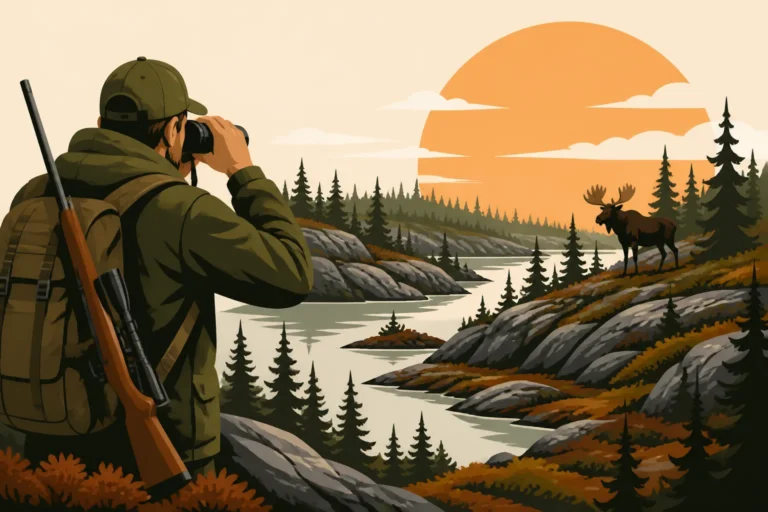
If you're heading into the Grass River Country, moose and black bear should be high on your target list. This region is quintessential boreal habitat for both. For moose, focus your efforts around the countless lakes, rivers, and wetland systems. They thrive on the aquatic vegetation, willow, and balsam fir found along these watery edges. Old burns, where new growth is coming in, are also fantastic places to find moose, especially later in the season. Listening for calls during the rut can be incredibly effective here, as the dense forest can make visual spotting challenging. When it comes to black bears, they are truly everywhere in the bush country. Look for them around berry patches in late summer and fall, along creek bottoms, and in areas with dense cover like spruce thickets. Many outfitters in similar northern zones use baiting as a highly effective method, but even without bait, understanding their natural food sources and travel patterns near water and dense cover will put you in good stead. For more on this, check out our guides on Moose Across Manitoba's Boreal Forest and Black Bear Hunting in Manitoba.
Whitetails and Smaller Game Opportunities
While not typically considered a trophy whitetail destination like some of Manitoba's agricultural fringe, the Grass River Country does hold whitetail deer, particularly in the more mixed-wood sections where aspen and birch are prevalent. They tend to stick to the fringes of larger forest blocks, often near old logging cuts or areas where recent disturbance has created new browse. These deer are typically smaller-bodied than their prairie cousins but are incredibly tough and masters of blending into the dense bush. Hunting them often involves still-hunting slowly through varied cover or targeting small clearings and natural funnels. You'll also find abundant opportunities for smaller game. Snowshoe hare populations can cycle dramatically, but in their high years, they are everywhere. Ruffed grouse and spruce grouse are common in the mixed and conifer forests respectively, offering a chance to fill out your bag and enjoy some classic bush hunting. Even timber wolves are present, always a possibility when hunting in such wild country. If whitetails are your primary goal, consider a different GHA, but if you're up for the challenge of a true bush deer, they are here. More general whitetail insights can be found in Whitetail Hunting in Manitoba.
Waterfowl and Upland Bird Potential
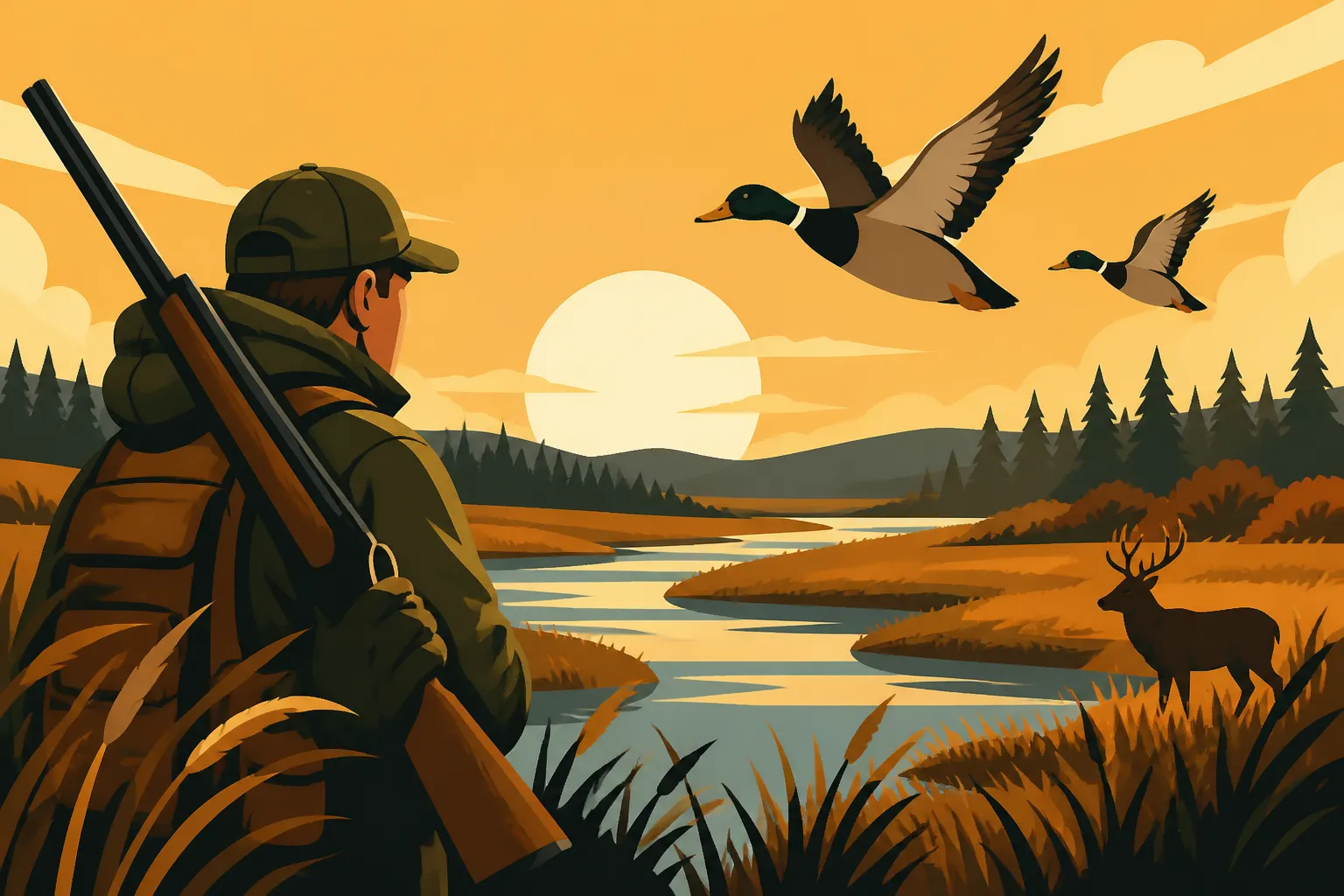
Beyond big game, the Grass River Country offers excellent opportunities for waterfowl and upland birds, though perhaps not in the same numbers as the agricultural regions. The thousands of lakes, ponds, and slow-moving rivers create ideal habitat for various duck species. Mallards, divers, and wood ducks can be found in abundance, especially in the smaller, more secluded water bodies. While large field hunts aren't common, jump-shooting small potholes or setting up a few decoys on a quiet back bay can yield fantastic results. For upland birds, the region is a grouse hunter's paradise. Ruffed grouse, with their distinctive drumming, are common in the aspen and birch stands, often along old logging roads or trails. Spruce grouse are found in the dense coniferous sections, known for being less wary. Walking up these birds with a shotgun can be a thrilling experience in the quiet northern forest.
Navigating Access and Terrain Challenges
The remoteness of the Grass River Country is both its greatest allure and its biggest challenge. Planning your access and understanding the terrain before you go is absolutely critical for a safe and successful hunt. This isn't a place for casual day trips without proper preparation.
Vehicle and Water Access Points
Forget about driving your truck right to your stand. The Grass River Country has extremely limited road access. Paved roads quickly give way to gravel, and then often to rough, overgrown logging trails or no roads at all. For most of the area, access is primarily by float plane, or by boat and canoe via the extensive river and lake systems. Float planes offer the quickest way to get deep into the wilderness, dropping you off at a remote lake with your gear. If you're going the water route, a sturdy canoe or boat capable of handling rapids and portages is essential. In winter, snowmobiles become the primary mode of travel once the lakes and rivers freeze, opening up a whole new network of trails. Always check local conditions and understand that even if a logging road appears on a map, it might be heavily overgrown, washed out, or impassable depending on recent weather and logging activity. This kind of planning also involves knowing Manitoba Hunting Licences and What They Cost and securing all necessary permits well in advance.
Planning for Remote Travel and Backcountry Safety
Hunting in the Grass River Country means you are truly in the backcountry. Cell service is non-existent. You are hours, if not days, from help. Therefore, thorough preparation for remote travel and backcountry safety is not just advisable, it's mandatory. This includes carrying a satellite communication device (like a Garmin inReach or Spot device) for emergency contact, a detailed physical map and compass in addition to your digital mapping tools, a comprehensive first-aid kit, and enough survival gear for an unexpected night or two in the bush. Share your detailed float plan or travel itinerary with someone reliable, including your expected return time. Be realistic about your physical limits and the time it takes to travel even short distances through this rugged terrain. It's a place where self-reliance is paramount, and every piece of gear, from your layered clothing to your fire starter, has a critical purpose.
Utilizing Technology for Navigation
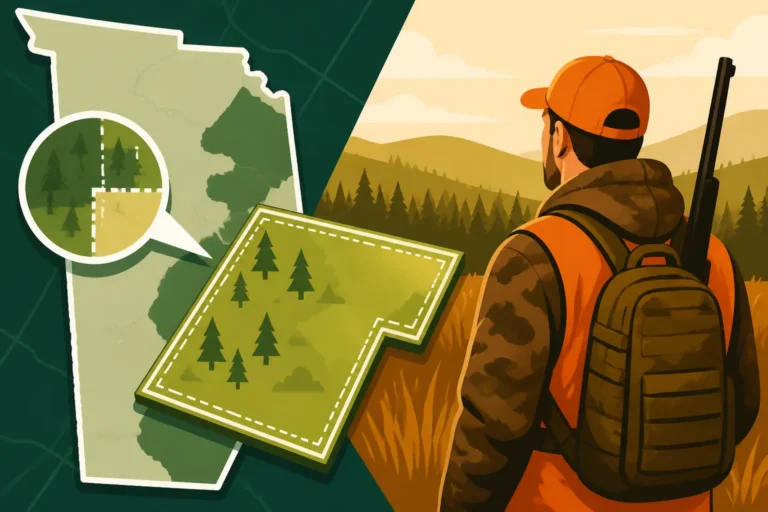
While traditional skills are vital, modern technology can be an absolute game-changer in the Grass River Country. Tools like onX Hunt or GoHunt allow you to download offline maps, showing you topographical features, satellite imagery, and critical land ownership boundaries for Manitoba's Game Hunting Areas. This is invaluable for identifying potential game corridors, marking water access points, and avoiding private land. Before you head out, spend hours "e-scouting" using satellite imagery to identify old cuts, logging roads, beaver ponds, and natural funnels that could hold game. Once on the ground, your GPS-enabled device (even a smartphone with downloaded maps) can help you navigate through dense bush, mark important spots like game sightings or your cache, and ensure you can find your way back to camp. Remember to carry portable chargers or extra batteries, as cold weather can quickly drain electronics. For a deeper dive into preparation, consider reading Scouting With Satellite Imagery in Manitoba and Reading a Manitoba GHA Map Before You Go.
Essential Gear and Tactics for Grass River Success
Success in the Grass River Country isn't just about finding game; it's about being prepared for the environment and adapting your hunting strategies to its unique demands. The right gear and a flexible mindset will make all the difference.
Cold Weather and Bush Country Gear Considerations
The weather in Manitoba's boreal forest can be unpredictable and unforgiving, especially during the hunting seasons. Layering is not just a suggestion; it's a survival strategy. Start with a moisture-wicking base layer, add insulating mid-layers (fleece or down), and top it off with a waterproof and windproof outer shell. Your boots need to be waterproof, well-insulated, and comfortable enough for long hours of walking over uneven, rocky, and often wet terrain. A good quality backpack is essential, not just for carrying your daily essentials but for packing out game. Consider sturdy game bags, a bone saw, and robust rope. Don't forget essentials like a reliable headlamp with extra batteries, fire-starting materials, a multi-tool, and an emergency shelter. Even in early fall, temperatures can drop significantly, and late season hunts can plunge into extreme cold. Refer to guides like Hunting Safely in Deep Winter Cold for more detailed cold weather preparation advice.
Effective Hunting Strategies for This Unique Environment
Given the dense cover and often limited visibility, still-hunting and stand-hunting near natural funnels are often the most productive strategies. Instead of covering vast distances quickly, focus on moving slowly, observing, and listening. Look for subtle signs: rubs, scrapes, fresh tracks, and browse. Water systems are key; hunting along a beaver flowage or a lake edge can pay dividends. Calling moose, especially during the rut, can be highly effective as the sound carries well through the timber. Black bear hunting often involves patience, whether at a bait site (if permitted and prepared) or by targeting natural food sources. For whitetails, focusing on areas with mixed cover and good browse, like an old logging road or a Hunting a Boreal Muskeg Edge, can increase your odds. Patience is a virtue here, as is persistence. Be prepared for longer shots than you might expect in open country, but also for close-quarter encounters in the thick stuff. Don't underestimate the value of scouting from water or using high vantage points (if available) to glass clearings. Hunting an Old Logging Road in the North can provide excellent travel routes and visibility.
Meat Care and Logistics in Remote Areas
Harvesting an animal in the remote Grass River Country is just the beginning of the challenge. Getting that meat out cleanly and preserved is paramount. You'll likely need to quarter your animal on site, which means carrying the right tools: a sharp knife, a small hatchet or bone saw, and good quality game bags. Consider the terrain you'll need to traverse to get the meat back to your boat or float plane. Planning for multiple trips or having a sturdy game cart (though often impractical in this terrain) might be necessary. In colder temperatures, meat care can be simpler, but you still need to ensure good airflow and protection from scavengers. Be mindful of warmer fall days when spoilage can happen quickly. Having a plan for proper storage and cooling once you reach your vehicle or air charter is crucial. Guides like Meat Care in Manitoba's Cold Snaps and Winter Truck Kit for a Manitoba Hunt offer invaluable advice for preserving your harvest in Manitoba's varying conditions.
| Game Species | Preferred Habitat | Common Hunting Strategy | Key Considerations |
|---|---|---|---|
| Moose | Lake/River shores, beaver ponds, young burns | Still-hunting, calling, hunting near water | Remote access, large animal to extract |
| Black Bear | Dense cover, berry patches, creek bottoms, mixed forest | Still-hunting, hunting natural food sources, baiting | Spring or fall seasons, color phases |
| White-tailed Deer | Mixed woods, aspen/birch stands, old cuts, forest fringes | Still-hunting, tracking, patience in dense cover | Lower density, bush-savvy deer |
| Ruffed Grouse | Aspen/birch stands, old logging roads | Walking trails, flushing dogs | Excellent table fare, often found near travel routes |
| Spruce Grouse | Dense conifer stands, black spruce bogs | Still-hunting dense cover, flushing | Less wary, often found in thickest areas |
| Ducks | Lakes, rivers, ponds, secluded back bays | Jump-shooting, decoys, boat access | Scout small, isolated water bodies |
Disclaimer
This article is for general informational purposes only and does not constitute professional advice. Laws, prices and regulations vary by location and change over time. Consult a qualified professional for guidance on your specific situation.