Hunting the Duck Mountain Provincial Forest
Hunting the vast, rugged expanses of the Duck Mountain Provincial Forest can feel like stepping back in time, a true wilderness experience that challenges even the most seasoned hunter. For many, the sheer scale and dense cover of this region present a daunting puzzle, making it hard to know where to begin or how to effectively pursue game. This guide is here to unravel some of that mystery, offering practical advice and strategies for successfully hunting Manitoba's majestic Duck Mountain.
Understanding the Unique Challenges of Duck Mountain
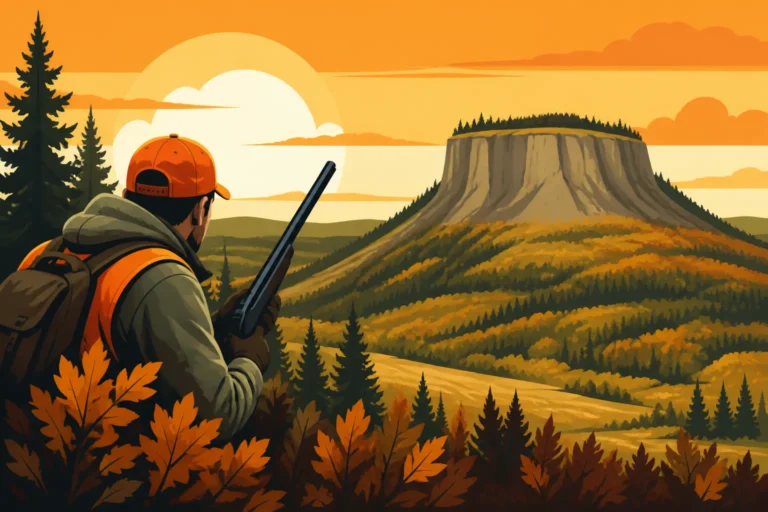
The Duck Mountain Provincial Forest isn't just another patch of woods; it's a significant geographical feature in western Manitoba, known for its rolling hills, deep valleys, and a mosaic of timber types. This isn't flat, easy-going farmland hunting, and that's precisely what makes it so appealing to those seeking a more adventurous pursuit. But with that adventure comes a unique set of challenges that you need to be prepared for long before you ever step foot in the bush.
Navigating the Terrain and Cover
One of the first things you'll notice about Duck Mountain, especially if you're used to hunting flatter terrain, is the sheer verticality and density of the cover. We're talking about significant elevation changes that will test your legs and your lungs. The timber here is often thick, a mix of aspen, spruce, and balsam fir, with dense undergrowth that can make simply walking a strenuous effort. Visibility can be limited, sometimes to only a few yards, making close-quarters hunting the norm rather than the exception. This means that long-range shots are rare, and tracking game through the thick stuff requires patience and keen observation. You'll spend more time still-hunting and listening than glassing open fields.
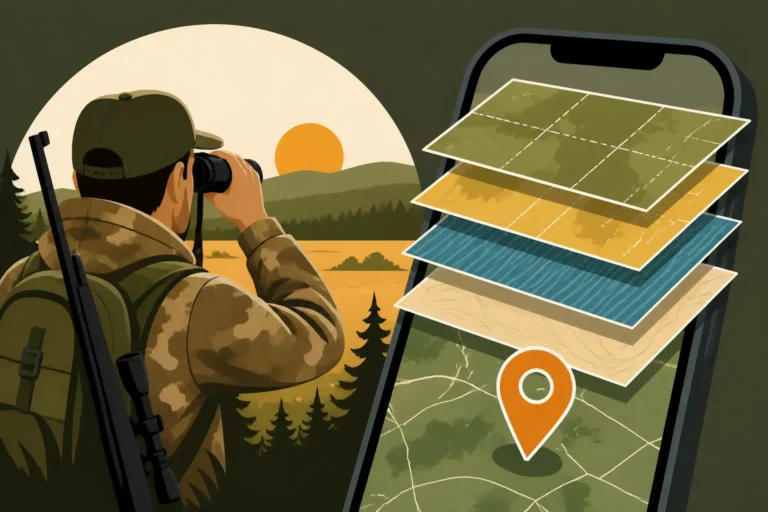
Limited road access means much of the best hunting is deep in the backcountry, requiring you to hike, use an ATV, or even snowmobiles in the late season. It’s easy to get turned around, even with a compass, if you're not paying close attention to your surroundings. This is where digital mapping tools like onX Hunt become absolutely invaluable. Having your precise location on a detailed topo map, even without cell service, can literally be a lifesaver. You can mark your truck, your stand, game sign, and potential escape routes, turning a seemingly impenetrable forest into a navigable hunting ground.
Species and Population Dynamics
Duck Mountain is renowned for its diverse big game populations, offering opportunities for white-tailed deer, moose, elk, and black bear. Each species presents its own hunting challenge within this environment.
White-tailed deer in Duck Mountain tend to be big-bodied and often carry impressive racks, a testament to the rich forage and secure cover. However, their numbers can fluctuate, influenced by winter severity and predation. While not as high-density as some farmland zones, the quality of bucks found here can be exceptional for those willing to put in the effort. Why Manitoba Bucks Grow Heavy Bodies is a common topic of conversation among hunters who pursue deer in these parts.
Moose, while not as prevalent as they once were across all of Manitoba, have certain areas within Duck Mountain where their populations are relatively stable or even recovering. Hunting moose here is a true wilderness experience, often involving extensive tracking or calling deep in the boreal forest. It's a game of patience and perseverance. If you're considering a moose hunt, understanding Manitoba's Moose Population Trend is crucial, as some areas may have more restrictive seasons due to conservation efforts.
Elk herds roam parts of Duck Mountain, particularly in areas bordering Riding Mountain National Park, which serves as a significant source population. These animals thrive in the mixed forest and open meadows, and pursuing them during the rut with bugling calls can be an incredibly exciting and challenging experience. Manitoba's Elk Herds and Their Range reveals that Duck Mountain offers some of the province's most exciting elk hunting opportunities.
Black bears are abundant throughout the provincial forest, making it a prime destination for both spring and fall bear hunts. The thick timber provides excellent cover for bears, and the diverse berry crops and natural food sources keep them thriving. Hunters often utilize baiting techniques or spot and stalk methods in more open areas or along cutlines.
Weather and Seasonal Considerations
Hunting in Duck Mountain means contending with Manitoba's often unpredictable weather, which can change dramatically with the seasons.
-
Early Season (September/October): The archery seasons for deer and elk, and the fall bear season, often fall during a time of milder temperatures. However, "mild" can still mean anything from warm, bug-filled days to crisp, frosty mornings. Rain is always a possibility, and the ground can quickly turn muddy and slick, making travel difficult. Layers are key, and waterproof gear is non-negotiable.
-
Rut (November): This is prime time for rifle deer hunting and can offer exciting opportunities for elk as well. Expect cold temperatures, often hovering around or below freezing, with the real possibility of early snowfall. Deep snow can push deer into specific areas, making them easier to pattern, but it also makes travel and tracking more arduous. Hunting Safely in Deep Winter Cold becomes a serious consideration here, as hypothermia is a real risk if you're not properly equipped and prepared.
-
Late Season (December): For those holding special antlerless tags or late-season general tags in certain GHAs, December can offer incredible hunting, but it's not for the faint of heart. Temperatures can plunge to extreme lows, and snow depths can be significant. Vehicle access can become problematic as roads drift shut. Proper clothing, emergency supplies, and a robust plan for Meat Care in Manitoba's Cold Snaps are paramount.
Essential Scouting and Planning for Success
Successful hunting in Duck Mountain isn't just about showing up with a rifle; it's about meticulous preparation, both from your couch and on the ground. The sheer size and wild nature of the area demand a strategic approach to scouting and planning.
Mapping and Digital Tools
Before you even load up your truck, you should be spending significant time studying maps. Start with high-quality topographic maps to understand the lay of the land – the steepest ridges, the deepest valleys, and the water features. Combine this with satellite imagery from tools like onX Hunt or GoHunt. These apps allow you to zoom in on specific areas, identify clearings, old cutlines, dense stands of timber, and potential pinch points or travel corridors that might not be obvious from a standard map. You can also view public land boundaries, which is crucial for staying legal. Scouting With Satellite Imagery in Manitoba is a game-changer for breaking down vast territories like Duck Mountain.
Look for areas where different habitat types meet – where dense spruce transitions into aspen, or where a thick bush line meets a more open clear-cut. These "edge" habitats are often magnets for game. Pay attention to water sources, especially during drier periods, as animals will naturally congregate around them. Mark potential access points, possible stand locations, and areas of dense cover where animals might bed. Having a solid understanding of Reading a Manitoba GHA Map Before You Go will help you correlate these digital findings with the specific regulations for your hunting zone.
Ground Scouting and Access Points
Once you've done your digital homework, it's time to hit the ground. Duck Mountain's vastness means that simply driving main roads won't cut it. You need to explore. Look for old logging roads, often overgrown and sometimes requiring a good 4×4 or even an ATV to navigate. These can be prime travel corridors for game and excellent starting points for your hikes. Cutlines, which are narrow paths cut for seismic exploration or forestry, can also act as natural funnels or access routes into deeper bush. Hunting Moose on a Manitoba Cutline is a tactic often employed in similar boreal environments.
Be prepared to walk. Much of the best hunting will be found off the beaten path, where other hunters might not venture. Look for fresh tracks, rub lines, scrapes, and bedding areas. Identify natural funnels created by topography or dense vegetation that might direct game movement. Pay attention to prevailing winds and how they might affect your approach to these areas. Remember that access can be challenging, and you need to be aware of Quad and Side-by-Side Rules on Crown Land if you plan to use off-highway vehicles for access or game retrieval. Always be prepared for limited access due to conditions, and consider a plan B for getting game out.
Understanding Hunting Pressure and Seclusion
Duck Mountain, being a popular destination, can see significant hunting pressure, especially on opening weekends or during the peak of the rut. However, its immense size also means there are vast areas that see very little human activity. Your scouting efforts should aim to identify these overlooked spots.
Popular areas are usually those with easier road access or known historical success. While you might find game there, you'll also find more orange vests. The real reward often comes from venturing deeper. Use your maps to find areas that are a good distance from any road, or those that require a significant hike or ATV ride to reach. These secluded pockets can hold older, larger animals that have learned to avoid human activity. Consider areas with particularly challenging terrain, like steep hills or dense swamps, as these naturally deter many hunters. By finding these quieter zones, you dramatically increase your chances of encountering unpressured game, which is often more predictable and less wary.
| Species | Preferred Duck Mountain Habitat | Common Hunting Methods |
|---|---|---|
| White-tailed Deer | Mixed forest edges, aspen bluffs, dense spruce thickets for bedding | Still-hunting, stand hunting, rattling, calling, tracking |
| Moose | Lowland swamps, dense spruce/fir stands, beaver ponds, recent burns | Calling, still-hunting, glassing cuts |
| Elk | Open meadows, transition zones, mature timber, parkland fringes | Bugling, spot & stalk, stand hunting |
| Black Bear | Berry patches, dense bush, clear-cuts, creek bottoms | Baiting, spot & stalk, still-hunting |
Hunting Strategies Tailored for Duck Mountain
With its specific terrain and wildlife dynamics, a generic hunting approach won't always cut it in Duck Mountain. You need strategies specifically adapted to this unique environment to maximize your chances of success.
Whitetail Deer Tactics in the Timber
Hunting whitetails in the dense timber of Duck Mountain is a much different game than hunting them on agricultural land. Forget long-range glassing; this is a close-quarters affair where patience and stealth are your best allies.
Still-hunting: This involves moving incredibly slowly through the woods, taking a few steps, then stopping to scan and listen. With limited visibility, your ears become as important as your eyes. Listen for the crunch of leaves, the snap of a twig, or the subtle movement of a deer slipping through the cover. Focus on areas where food sources (like acorn flats or browse) meet bedding cover. Move into the wind, constantly checking your backtrail for anything that might have moved in behind you.
Stand Hunting: While not as common as in open country, strategically placed stands can be very effective, especially during the rut. Look for natural funnels – narrow strips of cover between thicker blocks, saddles between ridges, or pinch points along creek bottoms. Consider hanging a stand on Hunting a Manitoba Bush Edge, where deer transition between thick cover and more open feeding areas. Be prepared to sit for long periods, as deer may move intermittently through the dense cover.
Rattling and Calling: The thick timber can be an advantage for calling. The sound doesn't carry as far, making it more personal and less likely to spook deer that are too far away. Short, aggressive rattling sequences followed by doe bleats or grunts can be very effective, especially during the pre-rut and peak rut. Rattling and Calling Parkland Whitetails are tactics that translate well to the broken country of Duck Mountain. After a fresh snow, Reading Sign After a Fresh Snow can reveal recent deer activity, helping you pinpoint high-traffic areas for these tactics.
Moose and Elk Hunting Approaches
For the larger game in Duck Mountain, the tactics often revolve around covering ground and strategic calling.
Moose: Hunting moose in the Duck Mountains often means venturing into truly remote areas. Look for low-lying areas, beaver ponds, and areas with thick willow and spruce, which are preferred moose habitats. During the rut, calling is incredibly effective. Cow calls and bull grunts can draw in curious bulls, especially if you're patient and committed to long calling sessions. Calling a Bull Moose in the Rut is an art form, and mastering it can be the key to bringing a Manitoba giant within range. Be prepared for a physically demanding hunt, and have a solid plan for Quartering a Moose Alone in the Bush and extracting such a large animal, often from difficult terrain.
Elk: Elk hunting in Duck Mountain is exciting, particularly during the September archery season when the bulls are bugling. Locating an active herd and then attempting to call a bull in can be one of the most thrilling experiences in hunting. Focus on areas with a mix of open meadows for feeding and dense timber for bedding. Bugling Elk in Manitoba's Parkland strategies apply directly here, where the transition zones between forest and field are key. Just like moose, elk are large animals, so consider the logistics of packing out meat well before you pull the trigger.
Black Bear Hunting Considerations
Duck Mountain offers excellent black bear hunting. Both spring and fall seasons can be productive, each with its own nuances.
Baiting: Baiting is a popular and highly effective method for black bears in Manitoba. Setting up a bait site well in advance allows bears to become accustomed to visiting it, providing predictable opportunities. You need to understand the regulations for Baiting Black Bear in Manitoba, including proximity to roads and dwellings. Spring baiting, when bears are just emerging from hibernation and actively seeking food, can be particularly productive. Spring Bear Hunting in Manitoba offers a unique experience, often before the dense foliage has fully come in.
Spot and Stalk: In areas with more open clear-cuts, burns, or natural meadows, spot and stalk hunting can be an option. This requires keen optics and patience, as bears can be incredibly elusive. Hiking along old logging roads or cutlines and glassing into likely feeding areas can yield results, especially during berry season in late summer and early fall. Look for fresh tracks, scat, and overturned rocks or logs – signs of a bear actively feeding.
Gear and Safety for the Rugged Environment
Hunting in Duck Mountain means being prepared for anything the wilderness throws at you. The right gear and a strong emphasis on safety are not just recommendations; they are necessities.
Clothing and Footwear
Manitoba weather is notorious for its extremes, and Duck Mountain is no exception. Layering is paramount. Start with a good moisture-wicking base layer, add insulating layers (fleece or down/synthetic fill), and top it with a waterproof and windproof outer shell. This allows you to adjust to changing temperatures and activity levels. Blaze orange requirements must be met, so ensure your outer layers meet the square inch requirements. Dressing for Manitoba's November Cold is critical if you're hunting the rut, as sitting still in a stand can quickly lead to hypothermia if you're not properly insulated.
Footwear is equally important. You'll be covering rugged, uneven terrain, possibly in mud, snow, or wet conditions. Invest in high-quality, waterproof, insulated boots with excellent ankle support. For still-hunting or sitting in cold conditions, warmer boots are a must. Boots for Sitting Still in Deep Cold are designed to keep your feet warm even when your circulation slows down. Break them in well before your hunt to avoid blisters. Don't forget extra socks, preferably wool or synthetic.
Navigation and Communication
While the thrill of being truly "unplugged" in the wilderness is appealing, neglecting navigation and communication tools can be dangerous. Cell service is unreliable, often non-existent, in many parts of Duck Mountain.
Your primary navigation should include a reliable GPS unit or a smartphone app like onX Hunt with downloaded offline maps. Always carry a traditional compass and a physical map as a backup. Knowing how to use them is crucial, especially if your electronics fail. For communication, a satellite messenger or a satellite phone can be a lifesaver. These devices allow you to send emergency messages or check-in with loved ones, even when out of cell range. Where Manitoba Cell Coverage Ends is often right at the edge of the paved road in these wilder areas. Always inform someone of your hunting plans, including your route and expected return time.
Emergency Preparedness
Beyond basic gear, a well-stocked emergency kit is non-negotiable for a Duck Mountain hunt.
This should include:
- First-aid kit: Comprehensive enough for cuts, sprains, and other common injuries.
- Fire starter: Waterproof matches, lighter, fire steel, and tinder.
- Emergency shelter: A lightweight tarp or bivy bag.
- Extra food and water: More than you think you'll need for a day trip.
- Headlamp or flashlight: With extra batteries.
- Knife or multi-tool: Essential for many tasks.
- Signaling device: A whistle or signal mirror.
- Cordage: Paracord or rope.
Also, consider a Winter Truck Kit for a Manitoba Hunt if you're hunting in colder months, including a shovel, tow strap, extra fuel, and blankets. Knowing What to Do If You Get Stuck in the Bush – whether it's your vehicle or yourself – can make the difference between a minor inconvenience and a serious emergency. The Duck Mountain Provincial Forest is a wild place, and respecting its power by being prepared is the smartest approach to hunting here.
Disclaimer
This article is for general informational purposes only and does not constitute professional advice. Laws, prices and regulations vary by location and change over time. Consult a qualified professional for guidance on your specific situation.