Where Sharp-Tailed Grouse Dance in Spring
You know, for most of us who love hunting here in Manitoba, the sharp-tailed grouse usually makes its grand entrance as an explosive flush from a stubble field or a willow bluffy in the fall. That sudden burst of feathers, the distinctive cackle, and the challenging flight path – that's what we typically associate with this hardy prairie bird. But there’s another, far more theatrical side to the sharp-tail, a spring ritual that’s truly one of nature’s hidden gems. Many folks don't even realize it's happening right under their noses, often because finding these specific "dance floors" or leks can feel like searching for a needle in a vast, grassy haystack. If you've ever wondered where these magnificent birds gather to perform their incredible courtship dances each spring, you’re in the right place. This guide will not only pull back the curtain on the secretive world of sharp-tailed grouse leks in Manitoba but also arm you with the knowledge to potentially witness this spectacular event for yourself, all while ensuring we respect these birds and their vital breeding grounds.
The Rhythmic World of Sharp-Tailed Grouse Leks
Before we dive into where they dance, let's talk about why and how. The spring lek is more than just a gathering; it's the very heart of sharp-tailed grouse reproduction. It's a tradition passed down through generations, a vital part of their life cycle that showcases some of the most fascinating avian behaviour you'll ever encounter.
What Exactly is a Lek?
Imagine a dedicated stage, typically a slightly elevated, open area within a larger expanse of grassland or mixed prairie habitat. This isn't just any old field; it's a specific, traditional spot, often used year after year, sometimes for decades. These chosen spots, known as "leks," are where male sharp-tailed grouse congregate during the early spring to perform elaborate courtship displays, all with the singular goal of attracting a hen. They’re like community dance halls, but instead of people, it's a bustling hub of strutting, stomping, and vocalizing grouse.
These leks are critical. They serve as central breeding grounds, bringing together scattered birds from the surrounding landscape. The site selection often involves excellent visibility, allowing the males to spot approaching hens and potential predators from a distance. While they seem randomly chosen, there’s a consistent preference for areas that offer a good mix of short, sparse vegetation for dancing, and slightly taller cover nearby for hens to watch from and for the birds to retreat into if danger approaches. It’s a very specific real estate choice, and once established, a lek is typically fiercely maintained.
The Spring Dance: A Spectacle of Courtship
When you picture a sharp-tailed grouse lek, think energy, sound, and constant motion. The males arrive on the lek before sunrise, often in the dim pre-dawn light, and will continue their displays for several hours into the morning. The peak activity happens during the early, cool hours, and often again in the late afternoon. Each male stakes out a small, personal territory on the lek, usually just a few square meters, which he will aggressively defend against other males.
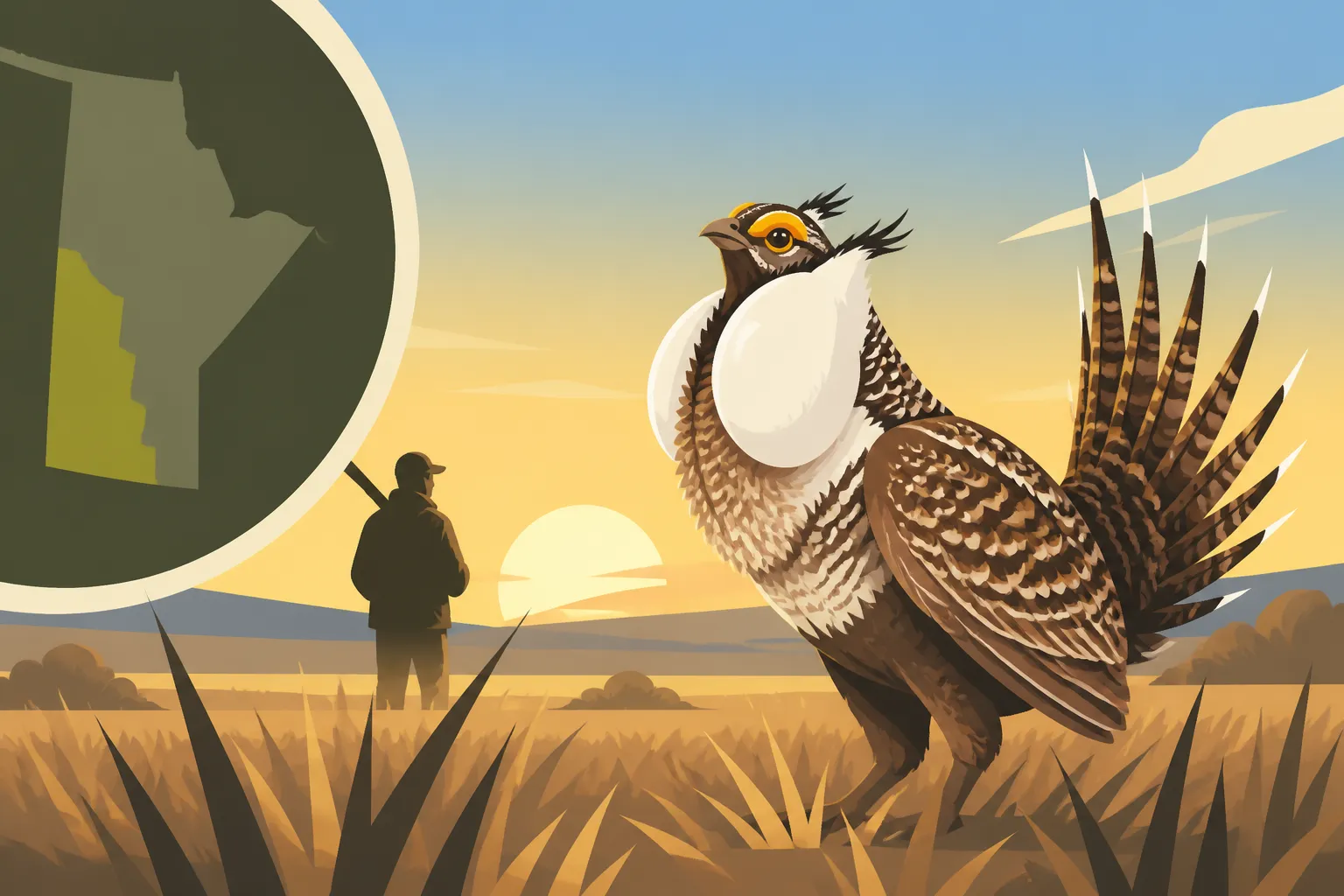
The dance itself is mesmerizing. Males puff up their purple air sacs on their neck, raise their pointed tail feathers, and perform a rapid, shuffling foot dance, often called "pattering" or "stomping." This creates a drumming sound that vibrates through the ground. They'll spin around, call out with cooing and guttural sounds, and spread their wings, all while showing off their bright yellow-orange eye combs. It's a full-body advertisement of their fitness and prowess. This spectacle can be quite noisy, a symphony of coos, chuckles, and the rhythmic drumming of their feet, all designed to impress a discerning hen.
The competition is fierce. Dominant males typically secure central territories on the lek, closer to where hens usually enter, giving them the best chance to mate. Younger or less dominant males might hold peripheral spots, constantly trying to move inwards, challenging the established pecking order. You'll witness short, intense skirmishes – quick chases, wing flapping, and pecking – as territories are constantly contested. It’s a true wild West show, where only the most vigorous and impressive dancers get the girl, ensuring that the strongest genes are passed on.
Pinpointing Prime Lek Locations in Manitoba
So, where does all this incredible action happen in our province? Sharp-tailed grouse are wonderfully adapted to Manitoba’s diverse landscapes, and while their preferred habitat is quite specific, they can be found across several regions where those conditions exist. Understanding their habitat preferences is key to finding a lek.
Native Prairie and Open Grasslands: The Traditional Stage
Historically, the native tallgrass and mixed-grass prairies of Manitoba were the epicentres of sharp-tailed grouse activity. Think about the southwestern part of the province, areas around the Pembina Valley, or even remnants of prairie in the Interlake. These are regions where large tracts of unbroken grassland still exist, providing the expansive, open cover that sharp-tails absolutely crave for their leks. They prefer areas that might be slightly elevated, allowing for good visibility.
On these traditional grounds, you’ll find leks typically nestled within gently rolling hills, sometimes on a slight knoll or rise. The surrounding vegetation provides crucial nesting and brood-rearing cover, but the lek itself will be on sparser ground. A healthy population of sharp-tails in a GHA (Game Hunting Area) is a good indicator that leks are present, as these birds typically don't travel vast distances from their breeding grounds. If you're using a scouting app like GoHunt, look for large blocks of uncultivated land, particularly those designated as native prairie or community pastures. These areas are prime candidates for traditional lek sites, as they often retain the specific soil and vegetation composition that sharp-tails favour.
Aspen Bluffs and Agricultural Edges: Adaptable Arenas
While native prairie is ideal, sharp-tails are remarkably adaptable. In areas where agriculture has fragmented the landscape, they've learned to utilize what's available. You'll find them thriving in the aspen parkland belt, a transition zone between the true prairie and the boreal forest, where aspen bluffs intersperse with agricultural fields and open grasslands. Here, leks might be found on the edge of a field, adjacent to a poplar bluffy, or within an uncultivated pasture that borders a crop field.
In these more mixed landscapes, sharp-tails might choose a slightly more sheltered spot for their lek, perhaps a natural opening within a bluff or a grassed-over old farm track. These areas still provide the open ground they need for dancing, but the nearby bush offers protective cover. I’ve seen leks on small, grassy knolls right alongside a field of standing canola, or on a raised strip of grass between two cultivated sections. The key is still that open, relatively flat, and visible ground. It’s all about finding that balance between open space for display and nearby cover for safety and nesting. Using satellite imagery, perhaps on an app like GoHunt, can help you spot these specific habitat interfaces – the transition zones where field meets forest edge, or where a small patch of native grass is nestled among cultivated acres. Hunting a Poplar Bluff at First Light or Hunting a Summerfallow Field Border might give you an idea of the types of environments where you could start your search.
Reading the Landscape: Signs of a Lek
Finding a lek isn't always about stumbling upon a group of dancing birds. Often, it's about being a detective and reading the subtle clues the birds leave behind. Sharp-tailed grouse are creatures of habit, and their chosen lek sites bear certain tell-tale signs. One of the most obvious indicators is the ground itself. The constant pattering and scraping of their feet can create noticeable depressions or worn patches in the soil, especially if the lek has been used for many years. It will look like a miniature, circular arena, often with slightly matted-down grass.
You should also keep an eye out for droppings and feathers. During the breeding season, the sheer number of birds spending hours on the lek means there will be an accumulation of droppings – small, dark pellets – particularly around the main display areas. Feathers, too, are often shed during vigorous displays or territorial disputes, so finding a scattering of sharp-tail feathers can be a strong clue. When I’m scouting new areas for upland birds in the fall, I'm always mentally noting these signs, thinking, "This looks like it could be a spring spot!" Understanding Where Sharp-Tailed Grouse Dance in Spring is often about looking for these small, ground-level breadcrumbs that indicate consistent bird activity.
Key Habitat Indicators for Sharp-Tailed Grouse Leks
| Habitat Type | Description | Common Location Examples | Specific Lek Traits |
|---|---|---|---|
| Native Prairie | Extensive, unbroken grasslands with diverse grass and forb species. | Southwestern Manitoba, certain Interlake areas. | Slightly elevated knolls, open areas with short, sparse grass, excellent visibility. |
| Mixed-Grass Prairie | Prairies with a mix of tall and short grasses, often gently rolling terrain. | Parkland region, areas west of the Red River. | Similar to native prairie, often on rises within a larger pasture or hayfield. |
| Aspen Parkland | Interspersed aspen bluffs, grassland pockets, and agricultural fields. | Central and Western Manitoba. | Openings within bluffs, grassy edges of fields, old farmyards, or neglected pastures. |
| Agricultural Fringe | Areas bordering cultivated land, often with uncropped strips, shelterbelts. | Many farming communities across southern Manitoba. | Grassed-over headlands, conservation strips, small uncultivated patches, field approaches. |
| Lightly Grazed Pastures | Areas managed for livestock but with good grass cover and minimal disturbance. | Community pastures, private ranch lands. | Open areas where grazing keeps vegetation low but doesn't destroy grass cover. |
Ethical Observation: Witnessing the Dance Without Disturbing It
If you're interested in finding and observing a sharp-tailed grouse lek, it's crucial to approach the experience with respect and a strong commitment to ethical wildlife viewing. These are delicate breeding grounds, and any disturbance can have serious consequences for the birds' reproductive success. Our goal is to witness, not to interfere.
Timing is Everything: When to Visit
The sharp-tailed grouse lek season in Manitoba typically begins as soon as the snow melts and the ground begins to green up, usually in early to mid-April, and continues through May. The peak of activity often occurs in late April and early May. These birds are early risers, performing their most vigorous displays right at dawn. To witness the full spectacle, you’ll need to be on location well before first light, typically arriving an hour before sunrise. The dancing will usually continue for a couple of hours after the sun comes up.
While morning is best, they often have a less intense, but still active, display period in the late afternoon, usually a few hours before sunset. This can be a good option if early mornings aren't feasible, but don't expect the same high-octane performance you'd see at dawn. Always remember that the birds' schedule is paramount. Don't try to force an encounter or stay too long if your presence is clearly causing them stress. The experience should be about their wild behaviour, not our convenience.
Stealth and Distance: Minimizing Your Impact
When observing a lek, the absolute golden rule is to remain unseen and unheard. Any sudden movement, loud noise, or even the silhouette of a human can send the birds scattering, disrupting their critical courtship rituals. This is where pre-planning and preparation truly pay off. Identify your observation spot the day before, if possible, allowing you to approach in the dark without disturbing anything. A vehicle can often serve as an excellent blind, as birds are generally more accustomed to vehicles than to a human walking openly. Park far away and quietly, using a dirt track or a field approach, and stay inside.
If you must be on foot, a pop-up blind or even natural cover like a willow clump or a dense stand of grass is essential. You’ll want to be at least several hundred yards away, often further, depending on the terrain and the birds’ tolerance. Bring good binoculars or a spotting scope – they are non-negotiable for a quality viewing experience. This allows you to witness all the intricate details of the dance without encroaching on their space. Remember, if the birds stop dancing, look up nervously, or scatter, you're too close or too obvious. It's time to back off. We have a shared responsibility when enjoying Public Hunting Land in Manitoba and other wild spaces to ensure our presence doesn't negatively impact wildlife.
Respecting the Birds and Their Space
The integrity of the lek is paramount. These sites are not only for breeding but also serve as important social hubs for the sharp-tailed grouse population. Flushing birds from a lek, even accidentally, can disrupt their hierarchy, cause stress, and potentially lower breeding success for the entire season. Think about it: if the hens are constantly being scared off, they won't have the opportunity to choose a mate, and the whole cycle is impacted. This isn't just about good manners; it's about supporting wildlife conservation.
Never approach the lek itself. Do not try to call the birds closer, throw objects, or make loud noises to provoke a reaction. Dogs should absolutely be left at home. If you notice other people at the lek, maintain your distance from them as well, and conduct yourself quietly. Remember, these birds are not performing for your entertainment; they are fulfilling a vital biological imperative. Your role as an observer is to be a silent, respectful guest in their world. Understanding their behaviour is key, and this applies whether you're observing them in spring or Walking Up Sharp-Tailed Grouse in Manitoba during the hunting season.
Contributing to Conservation and Understanding
Sharp-tailed grouse populations, like many prairie species, face ongoing challenges due to habitat loss and fragmentation. By understanding and respecting their leks, we become part of the solution, contributing to their conservation and our shared knowledge of these incredible birds.
Why Leks are Vital to Sharp-Tailed Survival
Leks are much more than just a place for a spring dance; they are the anchors of sharp-tailed grouse populations. The health and stability of these lek sites directly reflect the health of the surrounding habitat and the overall bird population. A robust lek, with many active males and visiting hens, indicates a thriving local population. Conversely, a lek with fewer birds or one that becomes abandoned can be an early warning sign of habitat degradation, increased predation, or other environmental stressors impacting the species.
The communal aspect of the lek is also a survival strategy. By concentrating their displays, males create a stronger visual and auditory signal that attracts hens from a wider area, ensuring genetic diversity. It also means that fewer individual males are exposed to predation while displaying. Leks are also traditional. If a lek is disturbed or its habitat is destroyed, it's not simply a matter of the birds finding a new spot next year. It can take years, even decades, for a new lek to become established, and sometimes, a local population might simply disappear. Understanding this vital role helps us appreciate Why Sharptail Numbers Rise and Fall and how crucial these specific areas are.
Reporting Sightings and Habitat Protection
As an observer, you can play a small but significant role in conservation efforts. If you discover an active lek, especially in an area where one wasn't previously known, consider discretely reporting your sighting to Manitoba Wildlife Federation, local conservation groups, or the provincial wildlife branch. This information helps biologists monitor populations, understand habitat use, and identify critical areas for protection. When you use tools like GoHunt, you're often engaging with a community of outdoor enthusiasts who care deeply about these landscapes, and sharing responsible observations can only benefit everyone.
Furthermore, being aware of and advocating for grassland and prairie habitat protection is paramount. Many of these areas are on private land, so fostering good relationships with landowners is crucial for continued access and conservation. Programs that encourage landowners to maintain or restore native grasslands directly benefit sharp-tailed grouse and a host of other prairie wildlife. Every effort to preserve these open spaces helps ensure that the rhythmic pattering and cooing of the sharp-tailed grouse will continue to echo across Manitoba's spring mornings for generations to come. This aligns with the broader goal of responsible stewardship, which is essential for Manitoba's Upland Birds and Where They Live.
Disclaimer
This article is for general informational purposes only and does not constitute professional advice. Laws, prices and regulations vary by location and change over time. Consult a qualified professional for guidance on your specific situation.