Where Manitoba Grows the Biggest Bucks
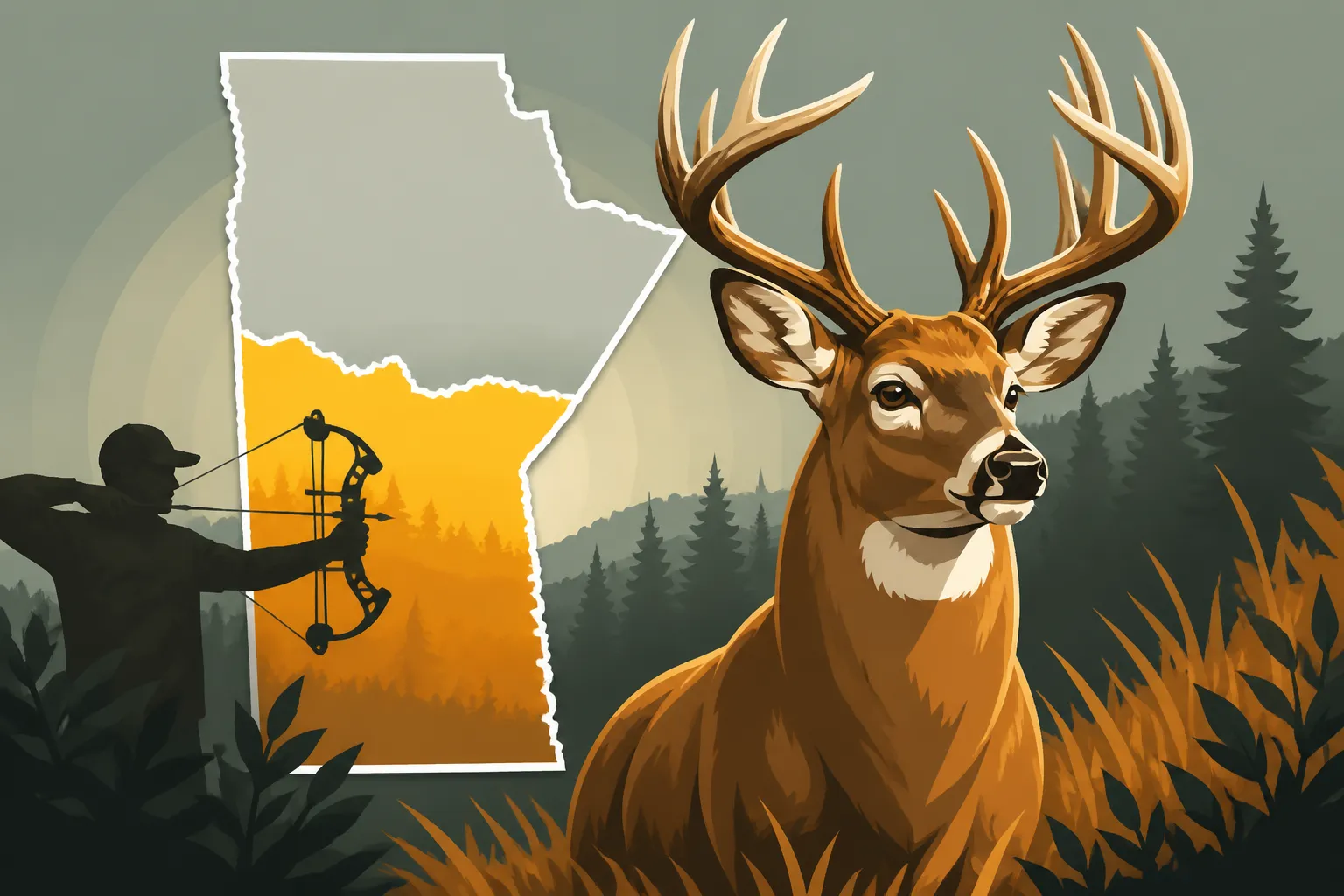
Every serious whitetail hunter dreams of that once-in-a-lifetime buck, a true monster with heavy antlers and a deep body. The challenge, though, is figuring out where these elusive giants roam and what makes those particular areas so special. This comprehensive guide will pull back the curtain on the unique combination of factors in Manitoba that consistently produce some of North America's biggest whitetail bucks, helping you understand the geography, genetics, and habitat that make this province a true trophy hunter's paradise.
The Pillars of Trophy Buck Growth in Manitoba
It's not just luck when you see photos of giant whitetails coming out of Manitoba each fall. There's a scientific and environmental recipe at play, a perfect storm of conditions that allows bucks to reach their full potential. Understanding these foundational elements is crucial, whether you're a resident hunter or planning to book a guided hunt from afar. It really boils down to three main ingredients: superior genetics, abundant nutrition, and the opportunity for bucks to age gracefully.
Superior Whitetail Genetics
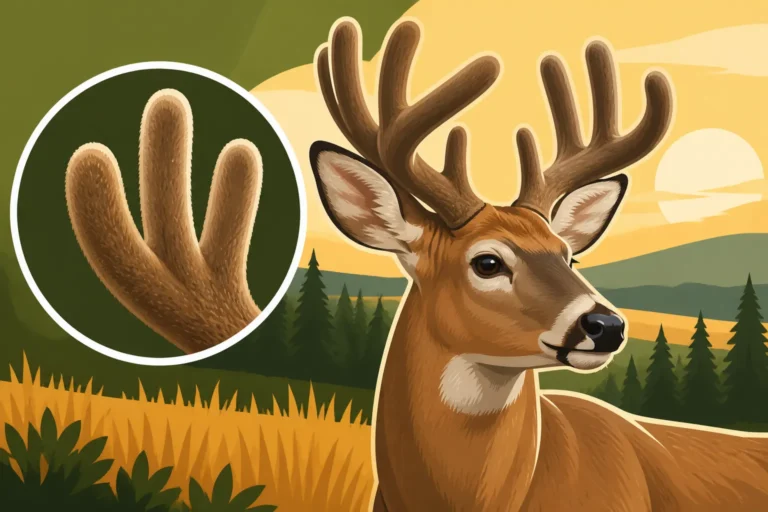
Manitoba's whitetail deer population is largely comprised of northern whitetail subspecies, known for their larger body size and, consequently, the potential for heavier, wider racks. While genetics aren't something you can directly manage on a broad scale as a hunter, they are the underlying blueprint that makes Manitoba deer inherently capable of growing impressive headgear.
Think of it like this: you can give a plant all the water and sunlight in the world, but if it's genetically programmed to be a small bush, it won't ever become a towering oak. The same principle applies to deer. Manitoba's whitetails have a robust genetic foundation that allows them, given the right conditions, to develop antlers that consistently make the record books. This genetic heritage, combined with the harsh northern winters, has fostered a population that prioritizes efficient metabolism and robust body growth, which directly translates to antler development when resources are available.
Abundant Nutrition Sources
For a buck to grow truly massive antlers, its body needs a continuous supply of high-quality nutrients, especially protein, calcium, and phosphorus. Manitoba delivers on this front in spades, thanks to its diverse landscape of agricultural lands, mixed forests, and rich wetlands. The growing season, though shorter than in more southern latitudes, is incredibly intense, providing a burst of high-energy forage.
From lush alfalfa fields to vast stretches of canola, wheat, and corn, the agricultural belt provides an almost endless buffet for deer throughout the summer and fall. These high-calorie, protein-rich crops fuel rapid body growth and antler development. Beyond the farm fields, the transitional zones where farmland meets the boreal forest, known as the "Parkland fringe," offer a rich mix of natural browse, woody vegetation, and forbs that supplement the agricultural diet. This diverse nutritional base allows bucks to quickly recover from the rut and put on mass for the next antler cycle, contributing to Why Northern Bucks Carry More Body Mass. The abundance of nutrients means that bucks aren't constantly stressed, allowing them to allocate more energy towards antler growth.
Ample Opportunity for Age
Perhaps the most critical, yet often overlooked, factor in growing trophy bucks is age. A whitetail buck typically doesn't reach its antler-growing prime until it's 4.5, 5.5, or even 6.5 years old. Younger bucks, even with great genetics and nutrition, simply haven't had enough time to fully mature and express their genetic potential. Manitoba's vast expanses of wild, remote bush country, coupled with selective hunting pressure in many areas, provide the ideal environment for bucks to live long enough to reach these older age classes.
In many parts of the province, particularly in the northern and eastern regions, dense cover offers sanctuary from human activity. This isn't just about avoiding hunters; it's about minimizing stress from predators, vehicles, and other disturbances that can impact a buck's longevity. When bucks can avoid these pressures and reach an older age, their antlers truly begin to explode in size and mass. The blend of remote wilderness and intelligent hunter pressure in some areas ensures a healthy age structure, leading to more mature deer available to hunters.
Manitoba's Top Trophy Producing Regions
While giant bucks can theoretically pop up anywhere, certain regions of Manitoba consistently produce larger, more mature whitetails. These areas often share common characteristics: a mix of agriculture and dense cover, lower human population density, and specific habitat features that favor big deer. Understanding these geographic nuances can dramatically improve your chances of targeting a trophy-class animal.
The Parkland Fringe and Interlake
The Parkland region, particularly its fringe where agricultural lands meet the expansive bush, is widely considered one of Manitoba's premier trophy whitetail destinations. This transition zone, rich in diverse forage and thick cover, provides everything a growing buck could ask for. Areas like the Duck Mountain and Porcupine Hills, bordering national and provincial parks, offer sanctuaries where bucks can mature.
The Interlake region, situated between Lake Winnipeg and Lake Manitoba, also boasts this fantastic mix. It's characterized by agricultural fields interspersed with aspen parkland, dense willow thickets, and numerous sloughs and marshes. This mosaic habitat provides excellent year-round food sources and abundant bedding and escape cover. Bucks here have access to prime forage from the fields and the security of vast, often difficult-to-access, wetlands and bush. Many hunters find success Hunting the Parkland Fringe for Big Bucks. The combination of nutrient-rich soils, diverse vegetation, and minimal road access in many pockets creates ideal conditions for bucks to not only survive but thrive and reach impressive antler dimensions.
Southern and Western Agricultural Belts
While the bush fringe offers sanctuary, the concentrated nutrition found in Manitoba's southern and western agricultural belts shouldn't be overlooked. Areas with extensive corn, soybean, and alfalfa production, especially where they adjoin river valleys or shelterbelts, can be absolute hotspots. Bucks living exclusively on agricultural land tend to carry massive body weight due to the constant, high-energy diet.
The key here is finding the "pockets" of security within these heavily farmed landscapes. River bottoms like the Assiniboine River corridor, deep coulees, and shelterbelts provide crucial bedding and travel corridors. Bucks will often bed down in standing crops, moving out to feed in adjacent fields under the cover of darkness. While these areas might not hold the sheer numbers of deer found in other zones, the quality of the deer can be exceptional. Learning to identify these sanctuary areas within farmland is critical for Hunting Whitetails on Manitoba Farmland. The sheer volume of readily available, high-calorie food means that these bucks are almost always in peak condition, with the energy reserves to put into antler growth.
Remote Boreal Forest and Northern Regions
For those willing to work harder and venture further, Manitoba's remote boreal forest in the central and northern parts of the province can yield exceptional bucks. These areas typically have lower deer densities but tend to produce bucks with incredible body size and heavy, dark antlers. The challenge here is access and the sheer vastness of the landscape.
In these regions, hunting often involves extensive scouting, relying on cutlines, old logging roads, and natural travel corridors. Deer here are wilder, less accustomed to human presence, and their movement patterns are dictated more by natural food sources and thermal cover than by agricultural cycles. The survival of these bucks through harsh winters often means they are inherently robust animals. Hunters targeting these areas often employ strategies for Hunting Whitetails in Manitoba's Bush Country. While the population density might not be as high, the mature bucks that do survive in this unforgiving environment are often truly exceptional, showcasing the incredible resilience and adaptive capabilities of Manitoba's whitetails.
Understanding Whitetail Behavior for Trophy Success
Knowing where the big bucks live is only half the battle; understanding how they behave is just as important. Trophy whitetails, especially mature bucks, are notoriously reclusive and cunning. Their survival instincts are finely tuned, and they often operate on different patterns than younger deer. Adapting your approach to their habits is key to getting a shot at one of these magnificent animals.
Seasonal Movement and Patterns
Whitetail movement in Manitoba is heavily influenced by the changing seasons, particularly the availability of food and cover, and of course, the rut. Early season bucks (archery opener) are often predictable, moving between summer bedding and feeding areas. They haven't been pressured much, and patterns can be established. As fall progresses, increasing hunting pressure and dropping temperatures change their behavior.
The rut, generally peaking in early to mid-November, is arguably the best time to target a trophy buck, as their focus shifts from survival to breeding. This is when they become more visible during daylight hours, expanding their range and lowering their guard while searching for does. Post-rut, bucks revert to a more reclusive nature, conserving energy for the brutal Manitoba winter. Understanding these seasonal shifts, and knowing When Manitoba's Whitetail Rut Peaks, allows hunters to tailor their strategies for maximum effectiveness. For instance, focusing on scrape lines and rubs near bedding areas during the pre-rut, and then shifting to doe bedding areas during the peak rut, can be highly effective.
The Impact of Pressure and Sanctuary
Mature bucks quickly learn to avoid areas of high human activity. Hunting pressure, whether from other hunters, vehicles, or even recreationalists, forces them into thicker, harder-to-reach cover. This is why vast, relatively unpressured areas, or small pockets of dense cover within pressured zones, become vital sanctuaries for trophy animals.
These sanctuary zones might be a tangled willow slough, a dense spruce bluff, or a remote section of Crown land far from roads. Bucks will often bed in these areas during the day, only emerging under the cover of darkness to feed. Successful hunters learn to identify these sanctuaries and either hunt their edges carefully or devise strategies to hunt inside them when conditions are right, such as during inclement weather or the peak of the rut. Using mapping tools like GoHunt to identify potential unpressured pockets can give you a significant advantage when Scouting a Manitoba Game Hunting Area. Often, the biggest bucks are taken by hunters willing to go where others won't, or by those who understand how to minimize their own impact on an area.
Effective Strategies for Hunting Manitoba's Big Bucks
Chasing trophy whitetails in Manitoba requires more than just good luck; it demands dedication, meticulous planning, and the right strategies. It's about combining knowledge of the deer, the land, and your own hunting skills to put yourself in the best possible position.
Advanced Scouting and E-Scouting
In today's hunting world, scouting extends far beyond simply walking the woods. Modern technology, like satellite imagery and topographical maps, allows for extensive "e-scouting" from the comfort of your home. This is particularly valuable in vast landscapes like Manitoba. Before you ever step foot in the bush, you can identify potential bedding areas, travel corridors, food sources, and pinch points.
Look for changes in elevation, water sources, dense cover, and the edges where different habitat types meet. Mark potential stand locations, access routes, and egress paths that minimize disturbance. Once on the ground, traditional scouting methods become critical. Look for fresh rubs, scrapes, and large tracks, especially those indicating a mature buck's presence. Pay attention to wind direction and how it interacts with terrain, as bucks almost always use the wind to their advantage. Effective scouting helps you understand Reading Whitetail Sign in Manitoba Aspen. A thorough scouting plan will save you countless hours of unproductive hunting and increase your chances of encountering a trophy.
Stand Placement and Hunting Tactics
Once you've identified key areas through scouting, strategic stand placement is paramount. For trophy bucks, it's less about quantity and more about quality – ensuring your stand is in a location that intercepts a mature buck without alarming him. Consider prevailing winds, sun direction, and clear shooting lanes. Think about how you'll get in and out of the stand silently and without leaving a scent trail.
Different tactics work for different times of the season and different terrains. Still-hunting or sneaking through thick cover can be effective in bush country, especially if you know a buck's general bedding area. Elevated treestands or ground blinds are excellent for ambushing deer moving between feeding and bedding, or patrolling during the rut. In open parkland, a well-camouflaged ground blind near a Hunting a Shelterbelt Between Two Fields can be highly effective. During the rut, rattling and calling can draw in curious bucks, but timing and technique are crucial. Patience is key; a mature buck often requires long hours on stand.
Hunting in Specific Manitoba Environments
Manitoba offers a diverse range of hunting environments, each requiring slightly different approaches.
In the Parkland and Interlake, where agriculture meets bush, focus on transition zones. Bucks will utilize the thick cover for bedding and security, venturing into fields to feed. Look for funnels, pinch points, and natural corridors that connect these two worlds. Hunting the edges of dense cover or strategic points within willow runs can be very productive.
In the Southern and Western Farmland, identifying those small, unpressured sanctuaries amidst the fields is paramount. River valleys, deep coulees, and shelterbelts are prime locations. Bucks will often hold tight in standing crops like corn or tall cover. A good strategy might involve glassing fields from a distance and then carefully moving into position if a target buck is spotted feeding at dusk.
For the Northern Boreal Forest, preparation for rugged conditions and remote access is essential. Focus on natural features like ridges, creek bottoms, and clear-cuts. These areas are vast, so understanding how deer use the landscape to navigate and find food is critical. Hunters often find success following old logging roads or trapline trails, paying close attention to fresh sign. This type of hunting often requires being prepared for colder temperatures and tougher terrain, especially when Hunting Safely in Deep Winter Cold.
| Region | Key Features | Primary Buck Strategy | Best Time to Hunt |
|---|---|---|---|
| Parkland Fringe | Ag fields, aspen bush, sloughs, diverse browse | Hunt transition zones, pinch points, cover edges | Early season, Rut (Nov) |
| Southern Farmland | Large ag fields (corn, beans), river valleys, shelterbelts | Identify sanctuary pockets, hunt travel corridors, glass fields | Early season, Late season |
| Interlake | Wetlands, dense willow, aspen bluffs, ag fields | Focus on slough rings, bush edges, unpressured zones | Early season, Rut (Nov) |
| Northern Boreal Forest | Dense spruce/pine, clear-cuts, remote access | Still-hunt, track, focus on natural corridors, burns | Rut (Nov), Late season |
Regulations and Management for Healthy Buck Populations
Manitoba's hunting regulations and proactive wildlife management play a significant role in fostering a healthy whitetail population capable of producing trophy-class animals. These rules aren't just about limiting hunters; they're designed to protect the resource and ensure its longevity.
Understanding Game Hunting Areas (GHAs)
Manitoba is divided into numerous Game Hunting Areas (GHAs), each with specific regulations regarding season dates, bag limits, and legal hunting methods. These GHAs are managed based on local deer populations, habitat conditions, and historical harvest data. Some GHAs might have more liberal antlerless deer seasons, while others might be more restrictive to protect breeding stock or encourage antler growth.
Before planning any hunt, it's absolutely crucial to thoroughly review the regulations for the specific GHA you intend to hunt. This information is readily available through the Manitoba hunting guide and online resources. Many GHAs have unique characteristics, and understanding their boundaries and specific rules, as detailed in Manitoba's Game Hunting Areas, is a fundamental step in responsible and successful hunting. Utilizing tools like the GoHunt app or website can help visualize these GHA boundaries and access regulations quickly. This targeted management allows for finer control over deer populations, which can contribute to a better age structure in certain areas.
The Role of Selective Harvest
While Manitoba doesn't typically have mandatory antler restrictions province-wide, a culture of selective harvest amongst many hunters contributes to the trophy potential. Many experienced hunters choose to pass on younger bucks, giving them the opportunity to age and grow larger antlers. This voluntary restraint, combined with a robust population, ensures that there are always mature bucks in the herd.
In certain regions, especially those known for trophy potential, hunters may specifically target older deer, allowing younger bucks to continue growing. This practice helps maintain a healthy buck-to-doe ratio and ensures that the genetic potential for large antlers is passed on through the population. The province also implements draw systems for specific species and areas, which can help manage overall hunting pressure and protect high-quality hunting opportunities. This blend of regulation and hunter ethics creates a powerful force for sustaining a top-tier whitetail resource.
Challenges and Realistic Expectations
Hunting Manitoba's biggest bucks is undeniably rewarding, but it’s important to approach it with realistic expectations and an understanding of the challenges involved. Trophy hunting is often about the journey and the experience, not just punching a tag.
The Nature of Trophy Hunting
Let's be honest: taking a truly giant whitetail is tough, regardless of where you hunt. It takes a significant investment of time, effort, and sometimes money. Mature bucks are incredibly smart, often nocturnal, and masters of survival. Even in Manitoba, known for its big deer, success is never guaranteed. This is what makes the pursuit so captivating – the challenge.
Weather conditions in Manitoba can be extreme, especially during the late fall rifle seasons. Hunters must be prepared for everything from mild, rainy days to bitter cold and heavy snow. Equipment needs to be robust, and personal resilience is key. The sheer scale of the landscape also means that deer densities might be lower in certain areas, requiring more patience and persistence.
Planning for Success
If your goal is a trophy Manitoba buck, planning is paramount. This includes everything from selecting the right GHA, understanding season dates (like Hunting the Rut in Early to Mid November), securing permission for private land if necessary, and having the right gear. For non-residents, working with a reputable outfitter can greatly increase your chances, as they have local knowledge, established hunting areas, and the necessary infrastructure.
Consider the time of year carefully. The peak of the rut often offers the best chances for seeing mature bucks on the move, but it also coincides with colder weather and potentially higher hunting pressure. Early season archery hunts can be productive if you've done your summer scouting. Late-season hunts, when bucks are focused on food sources before winter, can also be good, but demand even greater cold weather preparedness. Remember that even with the best planning and use of tools like GoHunt for mapping and regulations, sometimes Mother Nature and the deer simply don't cooperate. But that's hunting, and that's why we keep coming back.
Disclaimer
The information provided in this guide is for general informational purposes only and is not intended as legal advice. Hunting regulations, season dates, and GHA boundaries in Manitoba can change. It is the responsibility of every hunter to consult the most current Manitoba hunting guide and applicable provincial and federal regulations before engaging in any hunting activities. Always ensure you have the correct licenses and follow all safety protocols.