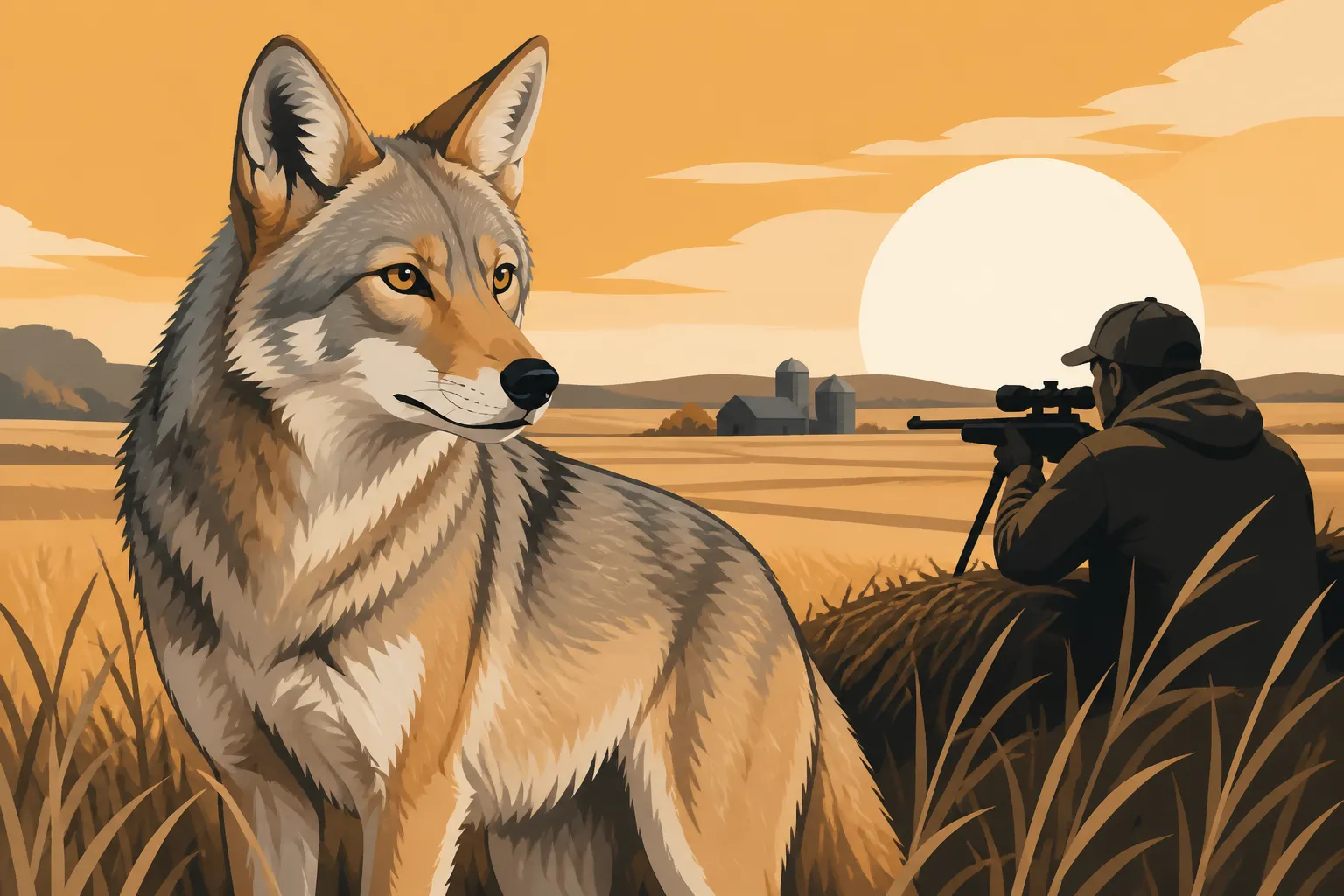
Coyotes Across the Farmland Belt
The relentless presence of coyotes across Manitoba's sprawling farmland belt can be a real headache, leading to frustrations for landowners and hunters alike concerned about livestock, domestic pets, and even local game populations. This guide delves deep into the world of Manitoba coyotes, helping you understand their behaviour, their impact on the ecosystem, and the most effective strategies for managing their presence, whether you're a farmer looking to protect your livelihood or a hunter seeking a challenging pursuit.
Understanding Manitoba's Coyote Population Dynamics
Coyotes are incredibly adaptable animals, and their populations in Manitoba, especially within the vast farmland belt, are a testament to their resilience. These intelligent canids have learned to thrive alongside human settlements, utilizing agricultural landscapes to their advantage. It's not just a matter of seeing one or two; sometimes it feels like they're everywhere, and understanding why their numbers fluctuate is key to appreciating the bigger picture.
The Resilient Nature of Coyotes
Coyotes (Canis latrans) are masters of survival, a trait that has allowed them to expand their range across North America, including right here in Manitoba's agricultural heartland. Unlike some species that struggle with habitat loss, coyotes have successfully adapted to fragmented landscapes, often finding refuge and sustenance in the very areas humans have cultivated. They’re highly intelligent, capable of learning new behaviours quickly, which means they can adapt to changes in food availability, hunting pressure, and even human deterrents. Their opportunistic diet, ranging from small mammals like rodents and hares to carrion, insects, and even fruits and berries, ensures they can always find something to eat, even when preferred prey is scarce. This adaptability is precisely why they persist, even flourish, in areas where other predators might struggle.
They often establish territories, but these can overlap significantly, especially in areas with abundant food sources. It's not uncommon to hear a chorus of howls and yips echoing across a quiet evening field, signaling the presence of multiple individuals or even a family group. Their social structure is flexible, sometimes involving solitary animals, pairs, or even small family units, depending on resources and circumstances. This social plasticity further contributes to their ability to navigate complex, human-altered environments, making them a formidable and ever-present force in the ecosystem.
Population Fluctuations and Environmental Factors
Manitoba's coyote populations are far from static; they ebb and flow, influenced by a complex interplay of environmental factors. One of the primary drivers of these fluctuations is the availability of their main prey species, particularly rabbits and rodents. When rabbit populations are booming, coyotes often experience a surge in numbers, as more food means higher survival rates for pups and a greater capacity for breeding pairs to raise successful litters. Conversely, a decline in these small game populations can lead to a reduction in coyote numbers, as competition for food intensifies.
Weather also plays a significant role. Harsh winters with deep snow can make hunting more challenging for coyotes, potentially leading to increased mortality, especially among younger or weaker animals. However, healthy coyotes are incredibly tough and well-equipped for Manitoba's cold, often using compacted snowmobile trails or deer paths to travel efficiently. Disease, like mange or canine distemper, can also occasionally sweep through localized populations, causing temporary dips. Despite these challenges, coyotes have an impressive reproductive rate, often producing larger litters when populations are low or food is abundant, allowing them to rebound quickly. This dynamic ensures that while numbers might fluctuate from year to year, their presence across the farmland belt remains a consistent factor.
Coyotes and Their Impact on Farmland Ecosystems
The presence of coyotes in agricultural landscapes brings a mixed bag of impacts, sparking debate and concern among farmers, ranchers, and even wildlife enthusiasts. While they play a natural role in the ecosystem, their adaptability often puts them in direct conflict with human interests, creating a complex management challenge that requires a nuanced understanding of their behaviors and the broader ecological context.
Predation on Livestock and Game Species
For many livestock producers in Manitoba, coyotes are more than just a wildlife curiosity; they are a direct threat to their livelihood. Calves, lambs, and poultry are particularly vulnerable, especially during birthing seasons or when left unattended in pastures. The frustration of finding a newborn calf or a flock of chickens lost to coyote predation is palpable, and it can represent significant economic losses for farmers who work tirelessly to raise their animals. These aren't isolated incidents either; a persistent coyote or a clever family group can quickly learn to target easy prey, creating ongoing problems for specific farms or areas. This can be a major stressor for ranchers, who are constantly balancing predator control with the welfare of their herds.
Beyond domestic animals, coyotes also exert pressure on wild game populations, particularly white-tailed deer. In areas where deer numbers are already stressed by harsh winters or habitat loss, coyote predation, especially on fawns, can be a contributing factor to declining deer populations. This is a point of concern for hunters who witness fewer deer in their favourite hunting spots. While it’s natural for predators to hunt prey, the sheer density and adaptability of coyotes in some farmland areas mean their impact can be disproportionately felt, disrupting the delicate balance of the local ecosystem. Understanding What Coyotes Do to Fawn Survival is crucial for managing both coyote and deer populations effectively.
Ecological Role and Niche in the Food Web
Despite the challenges they pose, coyotes are not simply pests; they occupy a vital ecological niche within Manitoba's farmland ecosystems. As mesopredators, they primarily target small mammals such as voles, mice, and rabbits, playing a crucial role in controlling rodent populations that could otherwise cause extensive crop damage. Imagine a world without coyotes: rodent numbers could explode, leading to widespread destruction of grains and stored feed, which would undoubtedly create a new set of problems for farmers. Their consistent predation helps maintain the health of these smaller prey populations by removing weaker or diseased individuals, thus preventing the spread of illness.
Furthermore, coyotes act as scavengers, cleaning up carrion from roadkill or natural deaths, which helps prevent the spread of disease and keeps the landscape cleaner. This often overlooked role is a significant benefit, reducing the need for human intervention in carcass disposal. They also compete with larger predators like wolves, where territories overlap, or even fill the top predator role in areas where wolves are absent. This intricate web of interactions highlights that while coyotes can be a nuisance, their complete absence could lead to unforeseen ecological imbalances. Their adaptability allows them to fill many roles, ensuring that the natural checks and balances within the farmland environment remain, even in the face of human development.
Signs of Coyote Presence and Activity
Knowing if coyotes are active in your area is the first step toward effective management, whether you're trying to protect livestock or plan a hunt. These wily canids often move stealthily, but they leave behind a distinct array of signs that can tell you a lot about their habits and presence. Learning to read these clues can give you a significant advantage, providing insights into their travel routes, feeding habits, and even their approximate numbers.
Tracks, Scat, and Howls
One of the most common and definitive signs of coyote presence is their tracks. Similar to dog tracks but typically narrower and more elongated, coyote tracks often show a tighter, more deliberate gait, with the two middle toes slightly ahead of the outer two. Look for them in soft ground, mud, or snow, especially along field edges, old farm trails, or creek beds. A good rule of thumb is that if you can draw an "X" through a coyote track without crossing the pad, it’s likely canine, and often a coyote in farmland. Knowing how to differentiate them from domestic dog tracks is key, and with practice, it becomes quite clear.
Another tell-tale sign is their scat (feces). Coyote scat is usually rope-like, often containing visible hair, bone fragments, or berries, reflecting their varied diet. It's often deposited in prominent locations, like on top of a rock or in the middle of a trail, serving as a territorial marker. And then there are the sounds: the iconic chorus of howls, yips, and barks. This vocalization is often heard at dusk or dawn, or on clear, still nights. A single coyote might sound like many due to their complex vocalizations, which can be deceiving. Learning to recognize these calls can give you a real-time alert to their presence and activity, indicating if they are alone, in pairs, or as a family group. Often, hearing them in the evening can be your cue that it might be a good time for Calling Coyotes at First Light the next morning.
Predation Patterns and Evidence
When coyotes are actively preying on livestock or game, they leave specific patterns of evidence that can help distinguish their work from that of other predators or even scavengers. For livestock, look for bite marks, especially around the throat and head of the victim. Calves or lambs attacked by coyotes often show signs of being dragged a short distance, and there might be claw marks or torn flesh consistent with a struggle. Examining the carcass carefully can often reveal the size of the teeth marks, helping to confirm it was indeed a coyote. If domestic animals are missing entirely, it's often a strong indicator, as coyotes will sometimes carry off smaller prey whole.
For wild game, particularly deer, coyote predation is often on fawns, or occasionally on older, weaker, or injured adults. You might find a partially consumed carcass with signs of tearing and smaller, more numerous bite marks than, say, a larger wolf kill. The bones might be more scattered, and smaller parts often consumed entirely. While a single coyote can bring down a fawn, a pair or a family unit is more effective on larger prey. Recognizing these patterns is crucial for understanding the true impact of coyotes on your property and for deciding on appropriate management strategies. GoHunt provides useful resources and forums where hunters and landowners share their experiences and tips for identifying these specific predation signs.
Effective Coyote Management Strategies for Landowners
Dealing with coyotes on your property, especially in active farming or ranching operations, requires a proactive and often multi-faceted approach. There’s no single magic bullet, and what works for one landowner might not be ideal for another. The key is to implement strategies that are both effective and sustainable, balancing the needs of your operation with the reality of living in coyote country.
Non-Lethal Deterrents and Exclusion Methods
Many landowners are looking for ways to mitigate coyote problems without resorting to lethal removal, and thankfully, several non-lethal methods can be quite effective. The first line of defense often involves creating barriers. Building robust, coyote-proof fences around pastures or livestock pens, especially those housing vulnerable young animals, can make a huge difference. While a determined coyote can jump or dig, electric fencing, particularly with multiple strands and a "hot" wire at ground level, significantly increases their deterrence. Regular maintenance is critical to ensure these fences remain effective.
Another increasingly popular and successful non-lethal strategy is the use of Livestock Guardian Animals (LGAs). Breeds like Great Pyrenees, Anatolian Shepherds, and Akbash dogs are specifically bred to live with and protect livestock. These dogs bond with their charges and actively patrol, barking, and chasing off coyotes, often proving to be incredibly effective. Their constant presence and vigilance can deter coyotes before any attack can occur. Other methods include scare tactics, such as motion-activated lights, noisemakers, or even flagging (strips of fabric tied to a fence line) that creates movement in the wind. These work best when used intermittently and moved around, as coyotes are quick to habituate to static deterrents.
Lethal Control Options and Regulations
When non-lethal methods prove insufficient, or when predation pressures become unbearable, lethal control becomes a necessary option for many landowners. In Manitoba, specific regulations govern the hunting and trapping of coyotes. Generally, residents can hunt coyotes year-round without a licence on privately owned land, provided they have permission from the landowner. However, it's vital to be aware of local bylaws and any specific rules related to discharge of firearms near residences or public areas. For those who hunt coyotes, understanding Coyote Hunting Rules Year-Round is absolutely critical to avoid legal issues.
Trapping is another effective method, particularly for removing specific problem animals. However, trapping requires a valid trapper’s licence and adherence to strict regulations regarding trap types, placement, and checking schedules. It’s a skill that takes time to learn and should only be undertaken by experienced individuals to ensure ethical and legal practices. Hunters can also play a vital role in population management. Predator Hunting Across Manitoba has gained popularity, offering a challenging pursuit that can also help reduce coyote numbers in areas experiencing high predation. Methods like calling, stalking, or hunting over bait are common, and these activities can provide relief for landowners struggling with persistent coyote issues. Regardless of the chosen lethal method, it’s imperative to consult the latest Manitoba hunting regulations to ensure compliance and responsible wildlife management.
Hunting Coyotes in Manitoba's Farmland Belt
For many hunters, pursuing coyotes in Manitoba’s farmland offers a unique and challenging experience. These animals are incredibly cunning, possess keen senses, and demand patience and skill to outsmart. Beyond the thrill of the chase, coyote hunting also provides a valuable service to the agricultural community, helping to manage populations that can impact livestock and game.
Popular Hunting Methods and Techniques
Coyote hunting is a dynamic pursuit that offers a variety of methods, each with its own nuances and demands. One of the most popular and often effective techniques is calling. This involves using electronic callers or mouth calls to mimic the sounds of distressed prey (like a rabbit in distress) or other coyotes (like howls or pup distress calls) to draw them into shooting range. Successful calling requires an understanding of coyote behaviour and knowing when to use specific sounds. For example, a lone howl might attract a territorial male, while a rabbit distress call is a universal dinner bell. Setting up quietly, ensuring the wind is in your favour, and having good concealment are paramount. Many hunters find Calling Coyotes at First Light to be particularly effective, as coyotes are often most active during these low-light periods.
Another method, especially during the winter months when snow cover makes tracks visible, is stalking. This involves slowly moving through potential coyote habitat, looking for fresh tracks or signs, and attempting to get within shooting distance. This is a highly physical method, requiring excellent tracking skills and quiet movement. Hunting coyotes over bait is also practiced, particularly in areas where regular livestock or game carcasses are available, or where specific bait sites are maintained. This requires patience and often the use of a blind, but it can be highly effective in drawing in wary coyotes, especially when combined with calling techniques. Consider trying Hunting Coyotes Over a Winter Bait to maximize your success when snow conditions make other methods difficult.
Best Times and Locations for Success
Timing and location are everything when it comes to successful coyote hunting in Manitoba's farmland belt. Coyotes are crepuscular, meaning they are most active during dawn and dusk. These low-light periods offer them a tactical advantage for hunting, and it's when they are most likely to respond to calls or be seen moving across open fields. Overcast days can also provide good opportunities, as the reduced light encourages daytime movement. During the breeding season (typically late winter/early spring), male coyotes are often more aggressive and responsive to calls, making it a prime time for targeting them.
As for locations, the farmland belt offers a mosaic of ideal habitats. Look for areas where fields meet bush lines, shelterbelts, or creek beds – these are natural travel corridors and ambush points. Coyotes will use these edges for cover while moving between feeding and bedding areas. Hunting a Shelterbelt Between Two Fields can be incredibly productive, as these linear strips of trees provide both cover and a clear path for coyotes. Areas with sloughs, brushy draws, or even old abandoned farmyards can also hold coyotes, providing dense cover for resting and raising pups. Using onX Hunt or GoHunt maps to identify these terrain features and scout them beforehand can dramatically increase your chances of success. Always ensure you have appropriate permission from landowners before venturing onto private property.
Gear and Equipment for Coyote Hunters
Successfully hunting coyotes in Manitoba demands the right gear, especially given the variable weather conditions and the need for precision. A reliable, accurate rifle chambered in a flat-shooting calibre like .223 Remington, .22-250 Remington, or .204 Ruger is essential. These calibres offer the necessary velocity and minimal bullet drop for the often longer shots encountered in open farmland, ensuring clean, ethical kills. Pair your rifle with a good quality scope with variable magnification to adapt to different ranges and light conditions. Bipods or shooting sticks are also critical for stability, especially when taking longer shots in windy conditions.
Beyond the firearm, comfortable and warm clothing suitable for Manitoba's cold, often windy conditions is paramount. Layers are always a good idea, as you might be sitting still for extended periods. Camouflage patterns that blend with winter snow or dry stubble fields are beneficial. Electronic callers, or a selection of mouth calls (distress calls, howls), are indispensable for attracting coyotes. A good set of binoculars (10×42 are often ideal) will help you scan distant fields and identify coyotes before they spot you. Don't forget a rangefinder, a sharp knife for field dressing, and a headlamp for navigating in low light. For those considering late-season hunts, remember to dress for Hunting Safely in Deep Winter Cold.
Here's a quick look at essential gear:
| Category | Essential Items | Recommended Specifications/Notes |
|---|---|---|
| Firearm | Accurate Rifle, Ammunition | .223 Rem, .22-250 Rem, .204 Ruger; quality expanding bullets |
| Optics | Rifle Scope, Binoculars, Rangefinder | Variable power scope (e.g., 3-9x, 4-12x), 10×42 binos, laser RF |
| Calling | Electronic Caller / Mouth Calls | Pre-programmed sounds (distress, howls), or various mouth calls |
| Apparel | Layered Clothing, Camouflage, Warm Boots | Weather-appropriate, scent-controlled, insulated/waterproof |
| Stability | Bipod / Shooting Sticks | Adjustable height, lightweight, easy to deploy |
| Misc. | Headlamp, Knife, Backpack, Hand/Foot Warmers | Batteries, sharp blade, water/snacks, chemical warmers |
Coexisting with Coyotes: Balancing Interests
The long-term presence of coyotes in Manitoba’s farmland is a reality that landowners, hunters, and conservationists must learn to navigate. Striking a balance between managing their populations to mitigate negative impacts and acknowledging their natural role in the ecosystem is a continuous challenge. It requires an informed approach, community cooperation, and a willingness to understand the full picture, not just the immediate frustrations.
The Broader Conservation Perspective
While it's easy to focus on the immediate issues of livestock predation or competition with game species, it's important to consider the broader conservation perspective of coyotes. They are a native species to many parts of North America and have demonstrated incredible adaptability in expanding their range and thriving in human-dominated landscapes. They are not an invasive species, but rather an integral part of the ecosystem, often filling the niche that larger predators like wolves once dominated in settled areas. Their role in controlling rodent populations, as discussed earlier, has tangible benefits that often go unappreciated.
From a conservation standpoint, effective coyote management isn't about eradication, which is largely unfeasible and ecologically unwise. Instead, it's about localized control and deterrents that protect specific interests (like livestock) while allowing coyotes to continue their ecological functions where conflicts are minimal. This perspective recognizes the value of biodiversity and aims for coexistence rather than outright conflict. Organizations like the Manitoba Wildlife Federation often advocate for balanced management strategies that support healthy wildlife populations across all species, including predators, while also addressing landowner concerns.
Community Approaches and Education
Effective coyote management often extends beyond individual property lines; it benefits immensely from community-wide approaches and ongoing education. When neighbours work together, sharing information about coyote activity, sightings, and successful management techniques, they can create a more robust defense against persistent problems. For example, if several farms in an area implement LGAs or reinforce their fencing, it can create a larger zone of protection, making it harder for coyotes to find easy prey. This kind of shared responsibility is far more impactful than isolated efforts.
Education plays a critical role in fostering this collaborative spirit. Understanding coyote behaviour, their diet, and their breeding cycles can help landowners anticipate potential problems and implement preventative measures before conflicts arise. Educational programs can also highlight the various non-lethal options available, empowering individuals with alternatives to lethal control. Additionally, providing clear, accessible information on regulations, such as Manitoba Landowner Permission Law or Applying for a Manitoba Night Hunting Permit, ensures that all management efforts are conducted legally and ethically. By uniting farmers, hunters, and wildlife agencies, Manitoba can develop comprehensive strategies that support both human livelihoods and a healthy, balanced wildlife population across its vital farmland belt.
Disclaimer
The information provided in this guide is for general informational purposes only and does not constitute legal advice. Hunting regulations, seasons, and landowner permissions can change. Always consult the latest official Manitoba hunting guides and regulations, and seek local legal advice or contact Manitoba Conservation and Climate before undertaking any hunting or wildlife management activities.