Trail Camera Rules on Manitoba Public Land
It can feel like navigating a legal minefield when you're trying to figure out what's allowed and what isn't on public land, especially when it comes to tools like trail cameras. We all want to scout effectively and ethically, but the rules aren't always crystal clear. This guide is here to shed some light on the trail camera rules on Manitoba public land, helping you set up your cameras with confidence and respect for both the law and your fellow outdoors enthusiasts.
The General Lay of the Land: Public vs. Private
One of the biggest sources of confusion when it comes to hunting rules, and especially something like trail camera use, is understanding the difference between public and private land. In Manitoba, we're lucky to have vast expanses of Crown land, which is essentially public land, but that doesn't mean it's a free-for-all. The lines between what you can do on your own property, a friend's farm, or a piece of Crown land can blur, leading to understandable frustration and questions. Getting a handle on this distinction is your first step to being an informed and responsible hunter.
Defining Public Land in Manitoba
When we talk about "public land" in Manitoba, we're primarily referring to Crown land. This includes provincial forests, wildlife management areas (WMAs), and other tracts of undeveloped land that are owned and managed by the provincial government for various purposes, including recreation and resource extraction. The idea behind Crown land is that it's a shared resource for all Manitobans, and often, for non-residents who follow the rules. This means that while you have access for activities like hunting, trapping, and hiking, your actions are subject to certain regulations designed to protect the resource and ensure fair access for everyone. Understanding the boundaries of these areas is paramount, and tools like Reading Manitoba Crown Land Layers on onX can be incredibly helpful for this. You want to make sure that when you're setting up your camera, you're definitively on public access land.
The Difference Private Land Makes
On private land, the rules around trail cameras, and hunting in general, are usually much simpler: the landowner sets the terms. If you have explicit permission from a private landowner to hunt their property, they can typically dictate whether or not you can use trail cameras, where you can place them, and how long they can stay up. This is because private land is, well, private. The landowner has the ultimate say. The key here is always permission – never assume. Always get explicit, preferably written, consent before setting foot on private property, let alone deploying scouting equipment. This goes back to basic Manitoba Landowner Permission Law and helps maintain good relations in our hunting community.
Manitoba's Specific Regulations for Trail Cameras
Alright, let's get down to brass tacks: what are the actual rules for trail cameras on Manitoba public land? This is where many hunters find themselves scratching their heads because, unlike explicit regulations for blaze orange or weapon calibers, specific laws directly addressing trail camera use on Crown land aren't always as cut and dried as you might expect. It’s not that there aren't rules, but rather that the rules might be inferred from broader regulations about public land use, wildlife harassment, or even property rights.
Where the Regulations Are (or Aren't) Explicit
As of now, Manitoba doesn't have explicit, dedicated legislation solely dictating the placement, use, or retrieval of trail cameras on general Crown land for hunting purposes. This might come as a surprise to some, especially those used to jurisdictions with very specific rules about how long a camera can be left out, if it needs a tag, or how far it must be from a water source. Here in Manitoba, the absence of a specific "trail camera law" doesn't mean there's a free pass to do whatever you want. Instead, you need to consider how existing regulations and common sense apply.
For instance, while there's no law against placing a camera on a tree, you are responsible for ensuring you don't damage Crown property. Driving nails into trees, for example, could technically be considered damaging property. Also, placing a camera in a way that could cause a hazard to other users, or leaving trash and debris around your camera site, would fall under general littering and environmental protection rules. Furthermore, while the camera itself isn't a bait site, placing it directly over an illegal bait pile would certainly be a violation related to baiting rules, not the camera itself. It's really about being a good steward of the land and understanding the spirit of the existing regulations, even if a particular piece of equipment isn't singled out. This proactive approach is part of responsible hunting in our province.
Considerations for Placement and Impact
Even without explicit trail camera-specific laws, ethical and practical considerations should always guide your placement. Think about the impact your camera has on the environment, other users, and the wildlife itself.
- Minimizing Disturbance: When you place a camera, try to do so with minimal disturbance to the natural habitat. Avoid unnecessary cutting of brush or trampling of sensitive areas. The goal is to observe, not alter the environment for your convenience.
- Respecting Other Users: Public land is for everyone. While your camera might be well-camouflaged, consider where it's placed. A camera pointed directly at a hiking trail or a popular fishing spot could be seen as an invasion of privacy by other users. Try to place your cameras in locations primarily frequented by wildlife, away from obvious human traffic. You might even want to consider a small, discreet tag with your contact information, though this isn't required. It shows goodwill and accountability.
- Aesthetics: Even the most camouflaged camera can sometimes be visible. Try to integrate it as naturally as possible. No one wants to see a bunch of plastic contraptions marring the natural beauty of the bush when they're out enjoying nature. This ties into the broader concept of minimizing your footprint when you're out Hunting a Manitoba Wildlife Management Area or any other public space.
- Wildlife Impact: While trail cameras are generally considered non-invasive, avoid placing them in such a way that they might disturb sensitive nesting sites or denning areas, especially during vulnerable times of the year. The primary goal is observation, not harassment.
Practicalities and Best Practices for Using Trail Cameras
So, you've got your trail camera, you've identified some promising Crown land, and you're ready to deploy. Now, let's talk about the practical side of things and how to be a truly responsible and effective trail camera user. It’s not just about knowing the rules, but about adopting best practices that benefit you, the land, and the entire hunting community.
Avoiding Conflicts with Other Users
This is perhaps one of the most crucial aspects of using trail cameras on public land. Nobody likes to feel like they're being watched, especially when they're trying to enjoy the peace and solitude of the outdoors.
- Choose Discreet Locations: Try to place your cameras off the beaten path, away from main hiking trails, snowmobile routes, or popular camping spots. Focus on game trails, pinch points, or bedding areas that are less likely to be stumbled upon by casual users. Think like a deer, not a tourist.
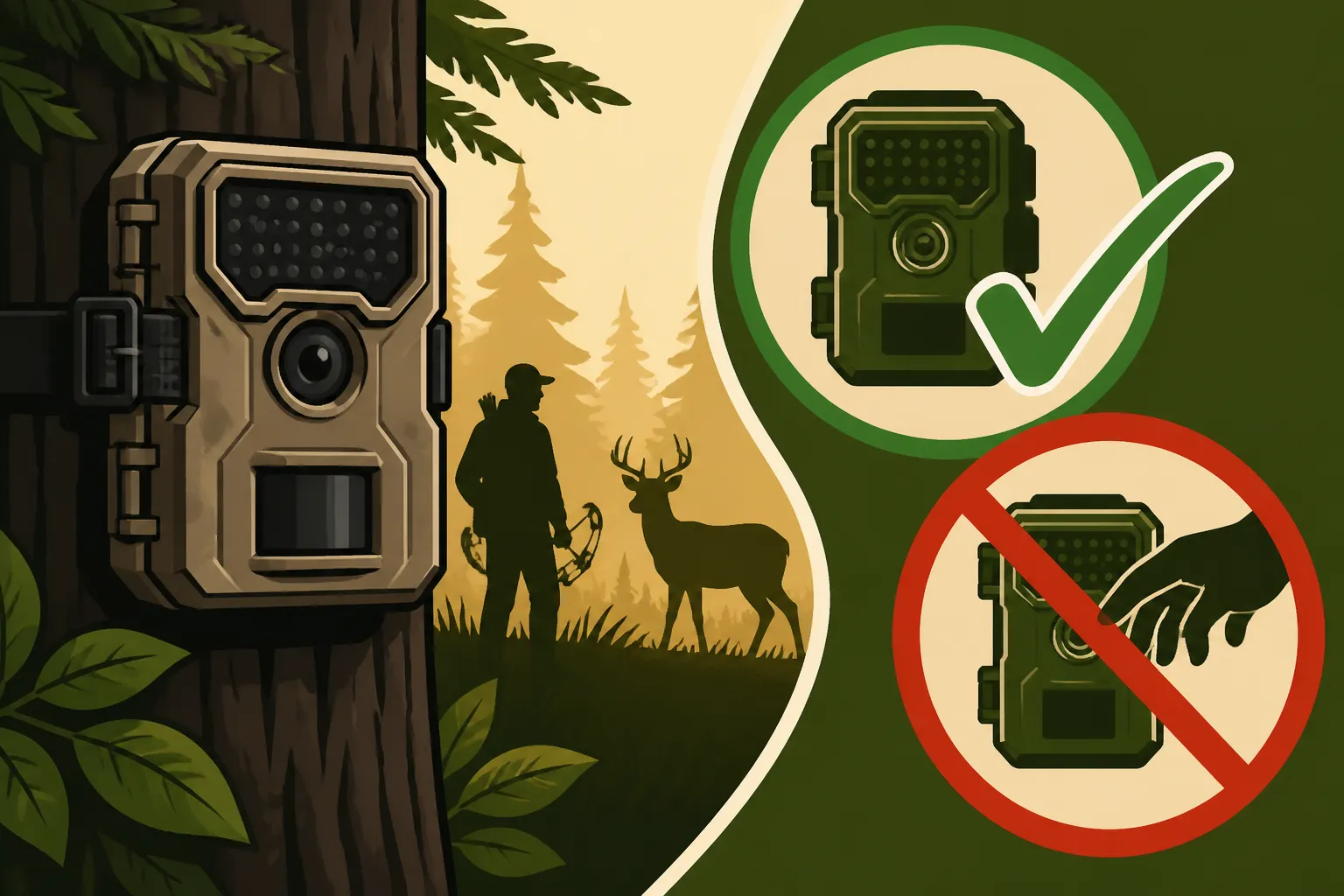
- Camouflage is Key: Invest in cameras that have good camouflage patterns, or better yet, paint them yourself to blend in even more. Mounting them high on a tree, pointing slightly downward, can also make them less noticeable to passersby and help prevent theft.
- Respect Property: This goes without saying, but never damage trees or other natural features to mount your camera. Use straps that don't harm the bark, and avoid drilling into living trees. The land isn't yours; you're a temporary guest.
- Be a Good Neighbor: If you do encounter another hunter or outdoorsperson near your camera, be friendly and open. Explain what you're doing. Most people are reasonable if approached with respect. If you suspect someone is messing with your camera, try to de-escalate rather than confront aggressively. Our hunting community thrives on mutual respect, so contributing to that positive atmosphere is important.
Security and Maintenance of Your Cameras
Trail cameras are an investment, and losing one to theft or malfunction is frustrating. Taking steps to secure and maintain your gear is just good sense.
- Security Devices: Consider using security boxes and cable locks. While these won't stop a determined thief with bolt cutters, they will deter opportunistic ones. Locking your camera to the tree itself makes it harder to simply walk away with.
- Concealment: As mentioned, good camouflage and strategic placement are your best defenses against theft. The harder it is to spot, the less likely it is to be stolen.
- Regular Checks: Don't just set it and forget it for months on end. Check your cameras periodically (while minimizing disturbance to the area, of course). This allows you to:
- Change Batteries/SD Cards: Ensure your camera is always functioning and capturing data.
- Clear Debris: Brush, spiderwebs, or snow can obscure the lens or trigger the camera unnecessarily.
- Check Straps: Tree growth can tighten straps, potentially damaging the tree. Re-adjust as needed.
- Monitor for Vandalism/Theft: Early detection can sometimes lead to recovery or at least prevent further issues.
- Weather Protection: Manitoba weather can be brutal. Ensure your camera is rated for extreme temperatures and moisture. Consider adding a small cover or shield above it in particularly exposed areas to protect it from direct rain, snow, and ice. Hunting Safely in Deep Winter Cold isn't just about you, it's about your gear too!
Leveraging Technology for Scouting
Modern tools can make your trail camera efforts far more effective and compliant. Brands like onX Hunt and GoHunt offer invaluable resources for understanding the landscape you're hunting.
- onX Hunt: This app is a game-changer for many hunters. It allows you to see property lines, including Crown land boundaries, in detail right on your phone. This is essential for ensuring your camera is always on public land and not accidentally infringing on private property. You can also mark potential camera locations, game trails, food sources, and bedding areas, creating a comprehensive scouting map. When you're trying to figure out where to place a camera on a piece of Manitoba's Crown Land Access, onX Hunt can show you legal access points and help you visualize the terrain without having to physically walk every inch.
- GoHunt: While perhaps more focused on western big game draws and strategy, the principles of detailed scouting and understanding terrain features that GoHunt promotes are universal. Using high-definition satellite imagery and topographic maps to identify potential funnel points, water sources, or dense cover before you even step foot in the bush can save you a lot of time and help you place your cameras strategically for maximum effectiveness. You can identify areas that look promising, then verify them on the ground with your camera.
- GPS Coordination: Always record the GPS coordinates of your cameras. There's nothing worse than forgetting where you stashed a well-camouflaged unit, especially in dense bush or after a significant snowfall. Most mapping apps allow you to drop pins, which makes retrieval much easier.
By combining diligent maintenance, smart security, and modern mapping technology, you can make your trail camera experience on Manitoba public land both productive and responsible.
Potential Pitfalls and Ethical Dilemmas
Even when you're trying your best to follow the unwritten rules, there are always grey areas and potential pitfalls that hunters need to be aware of. The absence of a specific law doesn't mean the absence of responsibility or ethical considerations. Understanding these can help you avoid unintended trouble and maintain a good reputation in the hunting community.
Respecting Wildlife Management Areas and Special Zones
While much of Manitoba's Crown land generally falls under the same broad regulations, specific areas like Wildlife Management Areas (WMAs) or other specially designated zones might have their own, more stringent rules. It's crucial to always check the specific regulations for the Game Hunting Area (GHA) or WMA you intend to hunt or place cameras in.
For example, some WMAs might have restrictions on vehicle access, overnight camping, or even specific types of hunting equipment. While these don't always directly address trail cameras, they can influence how you access and use an area. For instance, if an area restricts motorized vehicles, you'll need to pack your camera in on foot. Some areas might have sensitive ecological features where any kind of disturbance is discouraged. The best practice is always to consult the latest Manitoba hunting guide and GHA maps. Don't assume that rules for one piece of Crown land apply universally to all. Knowing the specific rules for Manitoba Wildlife Management Area Rules can prevent a lot of headaches.
The "Fair Chase" Debate and Trail Cams
This is a hot-button issue in many hunting circles, and while it’s more about ethics than legality, it’s worth considering. The concept of "fair chase" generally refers to hunting in a manner that gives the animal a reasonable chance of escape, ensuring the hunter relies on skill, effort, and respectful methods. Some hunters argue that extensive use of trail cameras, especially those with real-time cellular capabilities, crosses the line into unfair chase.
The argument is that real-time cameras allow hunters to track an animal's every move, eliminating much of the challenge and traditional scouting inherent in hunting. While perfectly legal on general Crown land in Manitoba (again, without specific prohibitions), you might encounter fellow hunters who hold strong opinions on this. As a community, we often police ourselves through social norms and ethical codes. While the government doesn't legislate "fair chase" in this context, individual hunters often do. It's a personal decision, but being aware of this debate helps you understand different perspectives within the hunting community. Ultimately, the question becomes: what kind of hunter do you want to be, and what level of challenge do you seek?
Here’s a quick summary to help you keep things straight:
| Aspect | Do's | Don'ts |
|---|---|---|
| Placement | Select discreet, non-obtrusive spots. Use natural camouflage. | Place in high-traffic human areas. Damage trees/vegetation. |
| Legality | Ensure you're on designated public (Crown) land. | Infringe on private property without permission. |
| Ethical Use | Respect other users' privacy and experience. Minimize disturbance. | Harass wildlife or use cameras to gain an unfair advantage (ethically speaking). |
| Security/Maintenance | Use locks and security boxes. Check regularly. Record GPS coordinates. | Leave cameras unsecured. Abandon broken units. Forget camera locations. |
| Information | Check GHA/WMA specific regulations. | Assume rules are universal across all public lands. |
| Technology | Use apps like onX Hunt to verify land ownership. | Rely solely on outdated maps or guesswork. |
Using trail cameras on Manitoba public land is a fantastic way to enhance your scouting and understand local wildlife patterns. Just remember that with the privilege of accessing our beautiful Crown land comes the responsibility to do so ethically, respectfully, and in a way that preserves the experience for everyone. Always keep abreast of the latest regulations and strive to be a good steward of our shared wilderness. Scouting a Manitoba Game Hunting Area is more than just finding animals; it's about connecting with nature responsibly. And if you're ever in doubt, a quick call to the local conservation office can clear things up.
Disclaimer
This article is for general informational purposes only and does not constitute professional advice. Laws, prices and regulations vary by location and change over time. Consult a qualified professional for guidance on your specific situation.