Taking the Hunter Education Course Online
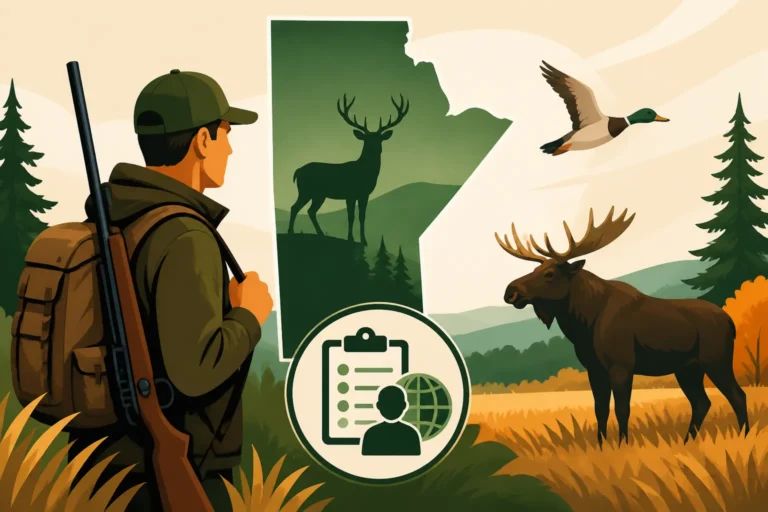
So, you're looking to start your hunting journey in Manitoba, or perhaps you're a seasoned hunter from out of province needing to get certified, and the thought of sitting through multiple long classroom sessions just doesn't quite fit your busy life. I totally get it! Between work, family, and everything else, finding dedicated time for traditional in-person courses can feel like an impossible hurdle before you even get to enjoy the incredible hunting opportunities Manitoba offers. Thankfully, for many, the province provides a flexible and comprehensive option: taking your Hunter Education Course online. This guide is going to walk you through everything you need to know about this convenient pathway, from why it's required to what you'll learn and how to navigate the process, ensuring you're ready to step into Manitoba's fields and forests responsibly and confidently.
The Non-Negotiable Necessity of Hunter Education in Manitoba
For anyone planning to hunt in Manitoba, obtaining your hunter education certification isn't just a suggestion; it's a fundamental requirement. This isn't about jumping through bureaucratic hoops; it's about ensuring every individual who ventures afield understands the immense responsibility that comes with hunting, especially when it involves firearms or bows. It’s about safety, ethics, and a deep respect for the wildlife and the lands we share.
Why It's More Than Just a Permit
Hunter education delves far deeper than simply passing a test to get a piece of paper. It’s a foundational course designed to equip you with critical knowledge that could literally save lives – your own, your hunting partners', or even someone completely unrelated who might be in the area. Think about it: handling a firearm in the field, navigating dense bush, or tracking game requires a specific skill set and mindset that isn't always intuitive. The course covers everything from safe firearm handling techniques, ensuring you know how to cross a fence or unload a gun properly, to understanding the trajectory of your projectile and the importance of positive target identification. Without this core knowledge, the risks of an accident increase dramatically. Beyond safety, the course instills a strong sense of ethical hunting. This includes understanding fair chase principles, respecting private property, and making clean, humane kills. It’s about preserving the integrity of hunting for future generations and ensuring that we, as hunters, are seen as responsible stewards of the land and its creatures. The principles taught also extend to conservation, educating you on wildlife management practices, the importance of seasons and limits, and how your actions contribute to the health of Manitoba’s diverse ecosystems.
Who Needs to Take the Course
Generally speaking, anyone who has not previously held a hunting license in Manitoba or another jurisdiction (and can provide proof of such) will need to complete the Manitoba Hunter Education Course. This typically applies to new hunters, regardless of age, who are looking to pursue big game, migratory birds, or upland game. Young hunters are a particular focus; while there are specific rules for Manitoba Mentored Youth Hunting Rules, often a full hunter education certificate is a prerequisite for graduating to solo hunting.
For adult residents who might be returning to hunting after a long hiatus and can't provide proof of prior certification, or for those who simply want a refresher, the course is highly recommended. Non-residents, especially those from outside Canada, will also need to demonstrate equivalent hunter education certification from their home jurisdiction, or complete Manitoba's course. There are specific guidelines for Rules for Non-Residents Hunting Manitoba, and ensuring your paperwork is in order before your hunt is absolutely crucial. Always check the most current regulations on the Manitoba government website or through official channels like the GoHunt portal to confirm your specific requirements, as these rules can occasionally be updated.
Diving Into Manitoba's Online Hunter Education Course
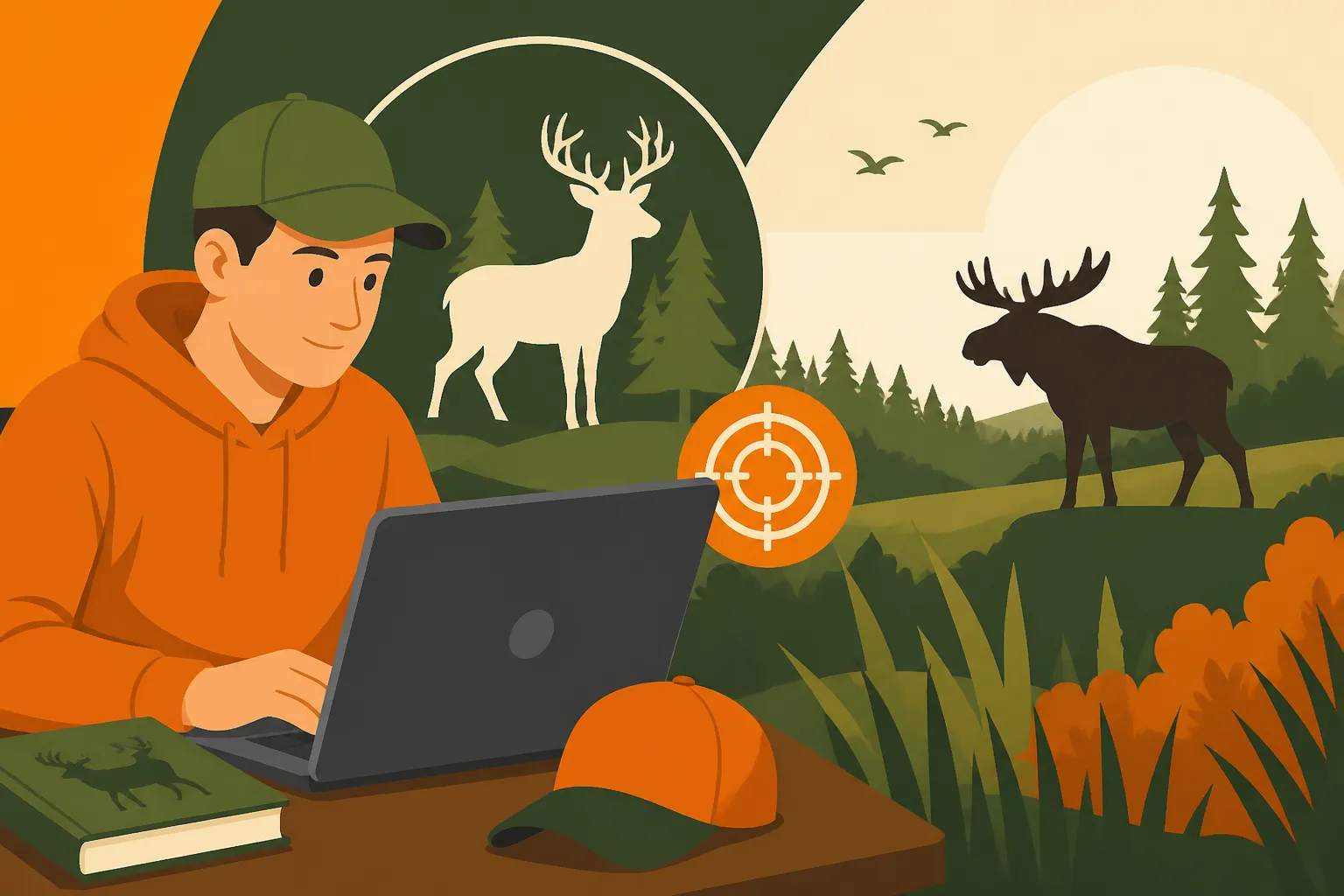
The beauty of the online hunter education course is its flexibility, allowing you to learn at your own pace from the comfort of your home. It’s a perfect solution for busy individuals or those in remote areas where in-person courses might be scarce. But convenience doesn't mean a watered-down education; the content is thorough and designed to prepare you comprehensively for safe and ethical hunting.
Choosing an Approved Online Provider
When it comes to taking your hunter education course online in Manitoba, it's vital to ensure you choose an approved provider. This isn't like picking any random online course; it needs to be recognized by the provincial government to be valid for obtaining your hunting licence. Currently, the official online provider is HunterCourse.com, which offers the Manitoba-specific curriculum. Their platform is user-friendly and designed to deliver the required information in an engaging format. It’s structured to allow you to log in and out as needed, truly making it a self-paced learning experience that fits around your life. Before you even think about purchasing that first hunting license, which you can often do through the GoHunt portal once certified, make sure your education provider is sanctioned. This avoids any heartache or wasted time and money down the line.
Course Content and Modules
The online course is comprehensive, covering a wide array of topics essential for becoming a responsible hunter. It’s broken down into several modules, each focusing on a specific area of knowledge. Here's a general overview of what you can expect to learn:
- Firearms Safety: This is a major component, covering everything from the different types of firearms (rifles, shotguns, muzzleloaders), safe handling practices (loading, unloading, carrying, storing), and the fundamental rules of firearm safety (e.g., always treat every firearm as if it's loaded). You'll learn how to clear stoppages, transport firearms safely, and understand ammunition types. This knowledge is directly applicable whether you're handling your own gear or considering what Legal Firearms and Bows for Big Game are permitted in Manitoba.
- Archery Safety: For those interested in bowhunting, there are dedicated sections on compound bows, recurve bows, and crossbows, including safe handling, proper shooting techniques, and maintenance.
- Hunting Regulations: This module is absolutely critical. It details Manitoba's specific hunting laws, including season dates, bag limits, licensing requirements, and prohibited activities. You'll learn about Manitoba Big Game Season Dates, understand GHA boundaries (covered in detail in Manitoba's Game Hunting Areas), and grasp the nuances of private versus Crown land access, as well as Manitoba Landowner Permission Law.
- Wildlife Identification and Biology: Essential for ethical hunting, this section helps you learn to distinguish between species, understand their habitats, and recognize signs of illness. Knowing your game is paramount to making responsible decisions in the field.
- Ethical Hunting Practices: Beyond the legalities, this covers fair chase, respecting game, quick and humane kills, field dressing, and proper meat care, especially crucial when dealing with varying temperatures like those experienced when Meat Care in Manitoba's Cold Snaps.
- Survival and First Aid: Given that hunting often takes you into remote areas, basic wilderness survival skills (shelter, fire, navigation) and first aid knowledge are indispensable. You’ll learn how to handle emergencies and prepare for scenarios like Hunting Safely in Deep Winter Cold.
- Wildlife Management and Conservation: This module emphasizes the hunter's role in conservation, explaining how hunting contributes to population control and habitat preservation, and touches on important topics like Manitoba's CWD Sampling Requirements.
The depth of each module ensures you're not just memorizing facts but truly understanding the principles behind them. You'll often encounter real-life scenarios and questions designed to test your judgment in practical hunting situations.
What to Expect During Your Online Learning Journey
Taking an online course can feel different from a traditional classroom, but the structure is designed to be highly effective and accommodating. It's a journey of self-discovery as much as it is about learning regulations.
The Self-Paced Learning Advantage
One of the biggest advantages of the online hunter education course is the ability to work through the material at your own speed. There's no rush, no pressure to keep up with a group, and no fixed schedule. You can tackle a module after dinner, on a weekend morning, or whenever you have a quiet moment. This flexibility is a game-changer for many, allowing them to truly absorb the information rather than feeling rushed. You might spend an hour on firearm safety one evening, then pick up on hunting regulations the next. The system usually tracks your progress, so you can stop and start precisely where you left off. This also means you can re-read sections that you find particularly challenging or want to reinforce, a luxury often not afforded in a fast-paced classroom environment. Expect the entire course to take anywhere from 8 to 16 hours of dedicated study time, depending on your prior knowledge and learning speed.
Assessments and the Final Exam
As you move through the online course, each module will typically conclude with a short quiz or assessment. These aren't meant to trip you up but rather to reinforce the key concepts and ensure you've understood the material before moving forward. They’re a great way to self-check your comprehension. Once you’ve completed all the modules and their associated quizzes, you’ll usually encounter a comprehensive final exam. This exam covers all aspects of the course content, from firearm safety rules to ethical considerations and Manitoba's specific hunting regulations. You'll need to achieve a passing grade, often around 80%, to successfully complete the online portion of the certification. Don't worry if you don't pass on your first try; most online providers offer opportunities for re-takes, giving you a chance to review the material and try again. It's designed to ensure you truly grasp the necessary knowledge, not just to weed people out.
| Module Area | Key Topics Covered | Why It Matters for Hunters |
|---|---|---|
| Safety Fundamentals | Firearm & Bow Handling, Storage, Transportation, Field Carries | Prevents accidents, ensures safe interactions with gear and environment. |
| Hunting Regulations | Season Dates, Bag Limits, Licensing, Prohibited Acts | Legal compliance, avoids penalties, promotes sustainable harvesting. |
| Wildlife Identification | Species Recognition, Biology, Habitat, Sign | Ethical targeting, prevents mistaken identity, informs hunting strategy. |
| Ethical Hunting | Fair Chase, Humane Harvest, Respect, Field Dressing | Upholds hunting's reputation, minimizes animal suffering, ensures quality meat. |
| Survival & First Aid | Navigation, Shelter, Fire, Emergency Response | Personal safety in remote areas, critical in unexpected situations. |
| Conservation | Wildlife Management, Habitat Preservation, Hunter's Role | Contributes to healthy ecosystems, ensures future hunting opportunities. |
The Practical Component Don't Skip This!
This is absolutely crucial and a point many online students sometimes misunderstand. While the knowledge portion of hunter education can be completed online, Manitoba requires an in-person practical component for most new hunters. This typically involves a field day or a practical exam where you demonstrate your hands-on understanding of firearm safety, handling, and perhaps shooting proficiency. You'll show you can safely load, unload, carry, and store a firearm, identify safe zones of fire, and follow commands on a range. This isn't just a formality; it's where you put theory into practice under the watchful eye of a certified instructor. It ensures that you're not just intellectually aware of safety, but can physically execute it. After all, reading about safely crossing a fence with a loaded shotgun is one thing; actually doing it correctly with an inert firearm in a simulated environment is another entirely. You'll need to find and register for one of these practical sessions after you've completed your online coursework and passed the online exam. Information on available practical sessions is usually provided by the online course provider or found on the Manitoba government's official hunting resources, sometimes accessible through portals like GoHunt.
After Certification: Getting Your Licence and Beyond
Once you've successfully navigated the online modules and passed your in-person practical exam, you're on the home stretch to officially becoming a licensed hunter in Manitoba. But the journey doesn't end with a card in your wallet; it’s a commitment to lifelong learning and responsible participation.
Receiving Your Certification and Applying for a Licence
After completing both the online and practical components, you will receive your official Hunter Education Certificate. This certificate is your proof that you’ve met the educational requirements to hunt in Manitoba. Keep this document safe, as you’ll need it to apply for your first hunting licence. The process of getting your licence is now thankfully quite streamlined. You can often purchase your Manitoba Resident Hunting Licence Cost and tags directly through the province's online licensing portal, which platforms like GoHunt often link to for convenience. When applying, you will simply enter the details from your Hunter Education Certificate, and the system will verify your eligibility. Remember to check the specific requirements for different species, as some, like moose or elk, may require participation in Manitoba's Big Game Draws in addition to your general hunting licence. Always ensure you carry your physical licence and any relevant tags when you are in the field, ready to be presented to a Conservation Officer if requested, adhering to Manitoba Tag Validation Rules.
Continuous Learning and Responsible Hunting
Earning your Hunter Education Certificate is a fantastic achievement, but it's truly just the beginning. The world of hunting is dynamic, with regulations sometimes changing, wildlife populations fluctuating, and new conservation challenges emerging. Responsible hunters commit to continuous learning. This means regularly reviewing the annual hunting guide, staying informed about any updates to seasons or limits, and understanding new initiatives like those concerning Manitoba's Moose Conservation Closures or specific Manitoba's CWD Sampling Requirements.
Beyond regulations, there’s always more to learn about game animals, tracking, bushcraft, and perfecting your marksmanship. Consider joining a local hunting club or conservation organization in Manitoba. These groups are incredible resources for mentorship, sharing knowledge, and participating in habitat improvement projects. They often host events where you can connect with other experienced hunters, learn new skills, and even find opportunities to hunt new areas. By staying engaged and informed, you not only enhance your own hunting experiences but also contribute positively to the broader hunting community and the ongoing efforts to conserve Manitoba’s rich natural heritage for generations to come.
Disclaimer
The information provided in this guide is for general informational purposes only and does not constitute legal advice. Hunting regulations in Manitoba can change, and it is the hunter's sole responsibility to consult the most current official Manitoba Hunting Guide and relevant provincial legislation before engaging in any hunting activities. Always confirm specific requirements and season dates with official government sources.