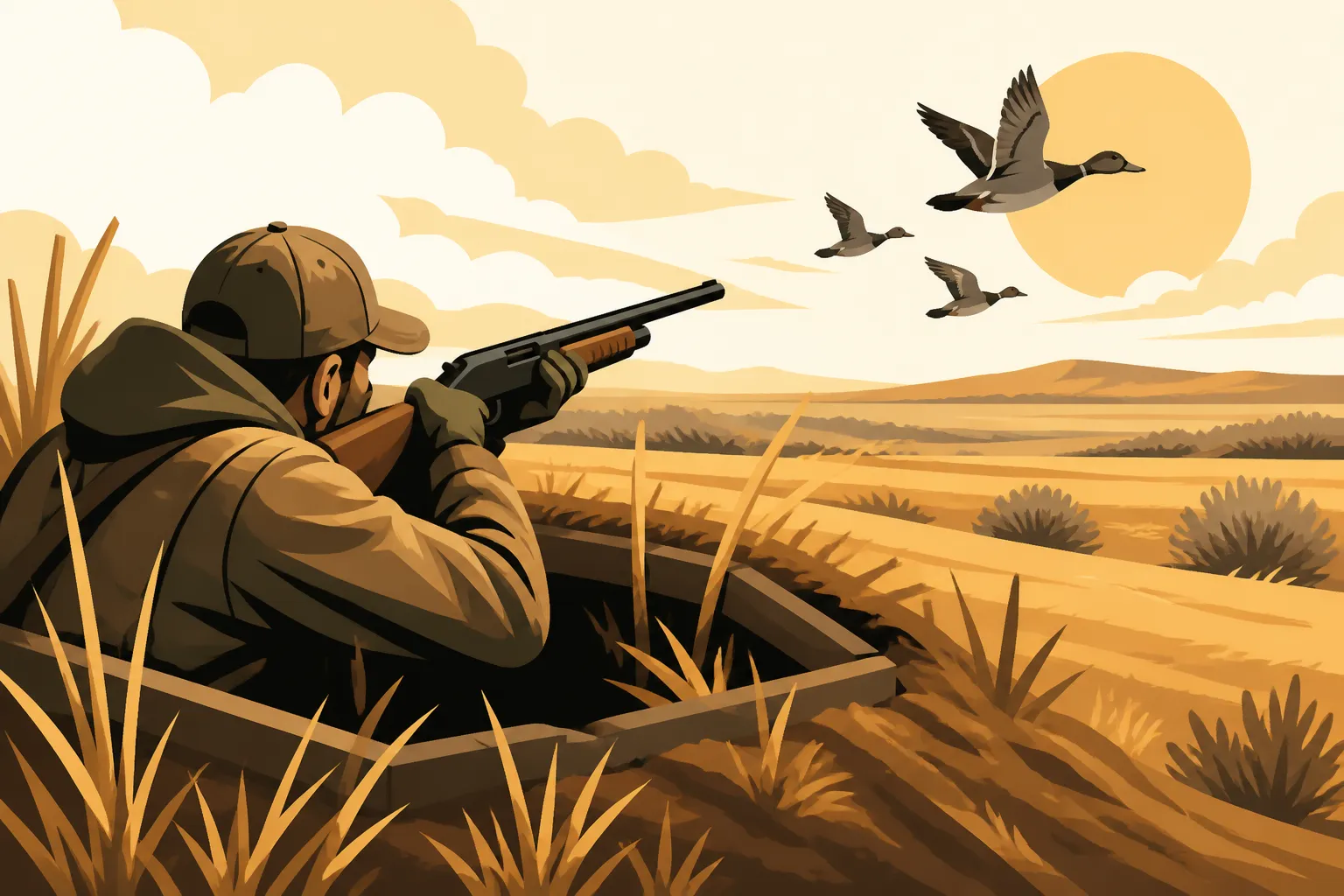
Hunting a Dugout in Dry Country
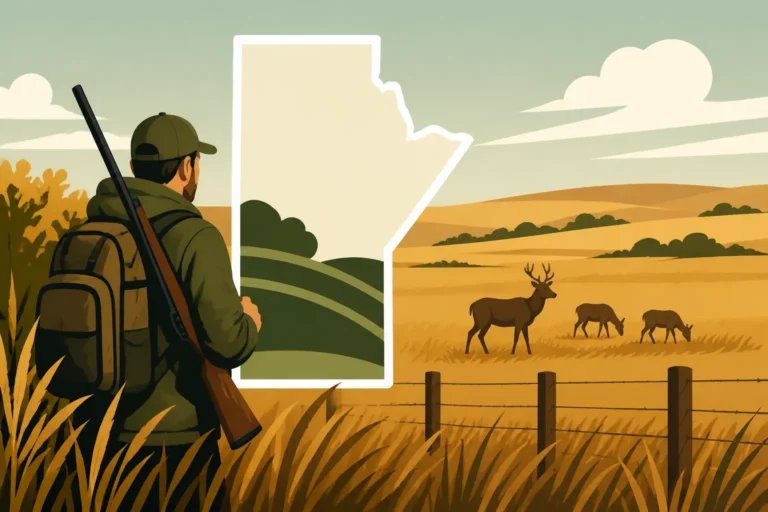
Hunting in Manitoba's drier regions can be incredibly frustrating when you're trying to figure out where the deer, elk, or even smaller game are going to be. When the sloughs dry up and the creeks slow to a trickle, water becomes the ultimate magnet, and often, the unassuming dugout is the unsung hero. This guide will help you understand why dugouts are so vital in parched landscapes and how you can effectively hunt them.
Why Dugouts Are Magnets in Dry Manitoba Landscapes
When a long, hot summer or a dry fall sucks the moisture out of the landscape, traditional water sources like natural ponds, sloughs, and even some smaller rivers can disappear or become stagnant, unappealing mud holes. This is where man-made dugouts, often created for livestock or irrigation, suddenly become prime real estate for every creature in the area. They are often the last reliable open water source for miles.
The Critical Role of Accessible Water
Think about it: just like us, animals need water to survive. In dry conditions, their entire daily routine revolves around finding enough to drink. A dugout, being a permanent or semi-permanent depression dug into the ground to collect runoff, acts as an oasis. It's not just big game like whitetail deer or elk that gravitate towards them; coyotes, foxes, and even various bird species will utilize these spots. This concentration of life makes dugouts biodiversity hotspots, especially when other options vanish. The sheer necessity for water overrides much of their usual wariness, making them more predictable.
During a prolonged dry spell, the edges of dugouts can become heavily worn paths, etched into the earth by countless hooves. These trails are like highways, signaling to any hunter that this spot is a major attraction. It's not uncommon to find multiple species sharing these essential watering holes, often rotating their visits throughout the day and night. For hunters, this predictability is a goldmine, offering a much more focused scouting and hunting strategy than trying to track animals spread out across a vast, dry landscape. Understanding What Drought Does to Prairie Game can help you predict these patterns.
Understanding Game Behavior Around Water
Animals don't just drink and leave; they often linger. Deer might browse nearby vegetation, bed down in a sheltered bluff or willow patch close to the water, or use the dugout as a rendezvous point before heading to feeding areas. Elk might wallow in the cooler mud during warmer parts of the day, particularly bulls looking to cool off or reinforce their scent. Even predators know these are high-traffic areas, often cruising the edges hoping for an easy meal.
The behavior around dugouts can shift depending on the time of day and the specific species. Whitetails might be more active at dawn and dusk, while elk could make midday visits. Knowing these general tendencies allows for more strategic planning. For instance, you might find fresh rubs or scrapes near a dugout, indicating that a buck is frequently visiting and asserting his territory. The presence of tracks of various sizes and ages can give you a snapshot of the dugout's popularity. Hunters often underestimate how valuable these consistent water sources are, even overlooking them if they appear small on a map. However, for an animal needing a drink, that small, muddy pool is everything.
Reading the Signs: Decoding Dugout Activity
Scouting a dugout isn't just about showing up and looking around. It's about becoming a detective, piecing together the story told by the ground, the vegetation, and even the air. Every track, every broken branch, every pile of scat offers a clue to who's visiting and when. This meticulous attention to detail is what turns a promising location into a successful hunting spot.
Tracks, Trails, and Travel Corridors
The most obvious signs around a dugout are the tracks and worn trails. Look for distinct hoof prints: the sharp, pointed prints of a whitetail, the broader, more rounded tracks of an elk, or the dog-like tracks of a coyote. Pay attention to the freshness of the tracks – deep, crisp impressions in damp earth, especially after a recent rain, are golden indicators of very recent activity. Faded or crumbling tracks suggest older visits. Also, observe the direction of travel: are animals coming from a specific bedding area, or are they heading towards a feeding field? These worn paths often converge on the dugout, creating natural funnels that can be exploited.
Beyond the immediate vicinity of the water, try to identify the main travel corridors leading to and from the dugout. These might be subtle paths through tall grass, breaks in treelines, or routes along fence rows. Sometimes, a dugout in open prairie will have distinct trails radiating out like spokes on a wheel, each leading to a different cover or food source. Using mapping applications like onX Hunt can be incredibly helpful here. You can identify potential travel routes, nearby cover, and even terrain features that might funnel animals towards the dugout, all from the comfort of your home. This digital scouting, combined with boots on the ground, gives you a huge advantage in Scouting a Manitoba Game Hunting Area.
Scrapes, Rubs, and Browsing Evidence
A dugout isn't just for drinking; it's often a central hub for other activities, especially during the rut. Look for scrapes – areas where bucks have pawed away leaf litter, often urinated in the depression, and sometimes chewed on an overhead branch. These are communication posts, signaling their presence to other deer. Fresh scrapes, especially those with strong odors, tell you a buck is actively working the area. Rubs, where bucks have scraped their antlers against trees or shrubs, are another sign. The height and diameter of the rubs can often give you an idea of the size of the buck.
Browsing evidence, like nipped twigs or stripped bark, shows what animals are eating nearby. This can indicate where they might be feeding before or after visiting the dugout. For instance, if you find fresh browse on willow shoots or aspen saplings, you know deer are using that particular cover type. The combination of tracks, scrapes, rubs, and browsing activity paints a comprehensive picture of game movement and density around the dugout. The more recent and abundant these signs, the higher your chances of success. It's all about putting those pieces together to understand the full story of who is using this vital water source. Understanding Reading Whitetail Sign in Manitoba Aspen can really sharpen your scouting skills.
Strategic Setup: Positioning for Success Around Water
Once you've identified a promising dugout and deciphered its activity patterns, the next critical step is planning your setup. This involves carefully considering wind direction, available cover, and the type of stand or blind that will give you the best chance without alerting game. A poorly placed stand can educate an animal faster than anything.
Wind Direction and Scent Control
This is paramount. Animals, especially deer and elk, rely heavily on their sense of smell to detect danger. Even the slightest whiff of human scent can send them packing, often unseen. Before every hunt, check the prevailing wind direction for that day. You need to position yourself downwind of where you expect the animals to approach and drink. This often means having multiple setup options around a single dugout to account for different winds. If the wind isn't right, it's often better to not hunt that spot at all than to risk spooking animals and "burning" the area.
Beyond simply being downwind, rigorous scent control is crucial. This includes using scent-eliminating sprays on your clothes, washing hunting attire in scent-free detergents, and even paying attention to what you eat or drink before heading out. Avoid strong-smelling foods or colognes. Some hunters go as far as storing their hunting clothes in airtight containers with natural elements like pine needles or earth. Remember, animals will typically approach a water source with caution, often circling downwind before committing. Your setup needs to anticipate this behavior and keep your scent out of their travel path.
Optimal Stand and Blind Placement
Your choice of stand or blind will depend on the available cover and the specific dugout's layout. If there are mature trees nearby, a treestand can offer an excellent vantage point, getting your scent above the primary travel lanes and giving you a clear shot. Look for trees that offer natural camouflage and are large enough to break up your silhouette. Ensure your access route to the stand is quiet and doesn't cross any known game trails.
If trees are scarce, a ground blind can be highly effective, especially if you can set it up well in advance to allow animals to become accustomed to its presence. Utilize natural features like tall grass, willow clumps, or a rise in the terrain to conceal your blind. Make sure your shooting lanes are clear but that you remain well-hidden. For dugouts in very open country, a natural blind built into a coulee bottom or behind a large rock might be your only option. Consider where the sun will be at your primary hunting times to avoid being silhouetted or having the sun glint off your equipment. Sometimes, simply finding a good vantage point in a Hunting a Prairie Coulee Bottom or Hunting a Shelterbelt Between Two Fields can be enough to get the job done.
| Setup Type | Pros | Cons | Ideal Conditions |
|---|---|---|---|
| Treestand | Excellent vantage, elevated scent cone | Requires suitable trees, more challenging setup | Near mature bluffs, bush edges, good cover for approach |
| Ground Blind | Flexible placement, good concealment if brushed in | Scent closer to ground, less visibility overall | Near tall grass, willow thickets, allowing advanced setup |
| Natural Cover | Zero setup time, very stealthy | Limited concealment, vulnerable to wind shifts | Sparse trees, rocky outcrops, existing terrain features |
Timing is Everything: When to Hunt a Dugout
Knowing where to hunt is only half the battle; knowing when to be there is equally vital. Animals often follow predictable patterns around water sources, and understanding these can dramatically increase your odds of success. Manitoba's weather and seasonal changes play a huge role in these patterns.
The Golden Hours and Beyond
Just like with most hunting scenarios, the "golden hours" of dawn and dusk are typically the most productive times around a dugout. As the sun rises and temperatures begin to climb, animals will often make their way to water after a night of feeding. In the evening, as the heat of the day subsides, they'll often visit again before heading out to feed under the cover of darkness. These low-light periods offer both natural camouflage for the hunter and a comfortable time for animals to move.
However, in extremely dry and hot conditions, animals might visit water at unusual times. During a heatwave, a mature buck might sneak in for a drink at midday when human activity is usually at its lowest. Conversely, on a very cold day, midday might see less activity as animals conserve energy. For those willing to put in the time, Sitting All Day in a Manitoba Blind can reveal these less predictable movements. Monitoring game cameras, if permitted, can provide invaluable insight into these specific patterns for your chosen dugout, showing exactly when different animals are visiting. Remember to check Manitoba Shooting Hours for Big Game to ensure you're hunting within legal times.
Seasonal and Weather Considerations
The best time to hunt a dugout is almost always during dry spells, regardless of the season. In early fall, if there hasn't been much rain, dugouts will be primary water sources. As winter approaches and temperatures drop, dugouts may freeze over, but sometimes spring-fed dugouts or those with deeper water can remain open longer, making them even more critical. During an unseasonably warm spell in late fall, animals will still need to drink regularly.
A fresh rain can temporarily scatter animals, as puddles and wet vegetation offer temporary water sources. However, as soon as the ground begins to dry again, usually within a day or two, animals will revert to using the dugout. Pay close attention to weather forecasts. A sudden drop in temperature after a dry spell might push animals to water more frequently, while a prolonged warm, dry period will make dugouts absolutely irresistible. For a resident hunter, understanding Manitoba Resident Licence Options is the first step, and then matching that with weather patterns for species like whitetails or even Elk in Manitoba's Parkland and Mountains will be key.
Ethical Considerations and Land Access
Hunting any location, especially one as critical as a dugout, comes with responsibilities. Ethical hunting practices and respecting land ownership are paramount to ensuring these opportunities remain available for everyone.
Respecting Private Land and Landowners
Many dugouts are located on private land, often on cattle pastures or agricultural fields. Gaining permission from the landowner is not just a courtesy; it's a legal requirement in Manitoba. Knock on doors, introduce yourself, and clearly state your intentions. Be polite, offer to help with anything, and be prepared to hear "no." If granted permission, respect their property as if it were your own. Close gates, don't drive on wet fields, pack out all your trash, and avoid disturbing livestock. A good relationship with a landowner can grant you access for years to come. Remember, Manitoba Landowner Permission Law is serious, and maintaining positive relations helps all hunters.
Offer to share game meat, or simply say thank you with a small gesture. Communication is key; let them know when you'll be there and if you'll be driving or walking. Nothing builds trust like transparency. Building these relationships is not just about gaining access; it's about being a good ambassador for hunters everywhere. Don't be afraid to ask about specific areas of their property, like a Hunting a Cattle Pasture Draw or a willow ring, where a dugout might be located.
Sustainable Hunting Practices Around Water
Because dugouts concentrate game, it's easy to over-pressure an area. Ethical hunting means understanding the impact of your presence. Avoid excessive hunting pressure on a single dugout. If you spook animals repeatedly, they will become nocturnal or find other, less accessible water sources. Give the area time to rest between hunts. Consider rotating between a few different dugouts if you have access to them.
Always ensure you have a clear shot and are confident in your abilities. A wounded animal that escapes into thick cover around a dugout can be challenging to recover. Think about the long-term health of the game population and the sustainability of your hunting spot. Being selective and patient will pay off more in the long run than trying to force an opportunity. The goal is a clean, ethical harvest, preserving the resource and the experience for future generations.
Disclaimer
This article is for general informational purposes only and does not constitute professional advice. Laws, prices and regulations vary by location and change over time. Consult a qualified professional for guidance on your specific situation.