Extracting Your Own CWD Sample
Okay, let's talk about Chronic Wasting Disease (CWD) and what it means for us hunters here in Manitoba. The provincial government has been rolling out mandatory CWD sampling in certain areas, and for many of us, this is a whole new layer to an already complex hunting season. It can feel like just another hurdle when all you want to do is focus on the hunt, but understanding how to properly extract your own CWD sample is crucial for both compliance and the health of our deer herds. This guide is here to walk you through the process, alleviate some of that stress, and ensure you're confident in taking this important step.
Understanding Chronic Wasting Disease and Why Sampling Matters
Chronic Wasting Disease (CWD) is a devastating neurological disease affecting cervids, including white-tailed deer, mule deer, elk, and moose. It's something we've been hearing more and more about, and it's understandably a concern for hunters and wildlife managers alike. Knowing what it is and why we're being asked to participate in sampling is the first step in understanding its importance.
What is Chronic Wasting Disease?
CWD is caused by abnormal proteins called prions, which accumulate in the brain and spinal cord of infected animals, slowly leading to neurological dysfunction, severe weight loss (wasting), and eventually death. It's often called a "zombie deer disease" because of the symptoms, which can include drooling, listlessness, difficulty swallowing, and a distinct emaciation. Unlike many diseases, CWD isn't caused by a virus or bacteria, and it can persist in the environment for years, making it incredibly challenging to control once established. The disease is always fatal, and there is currently no cure or vaccine. It's similar to mad cow disease in cattle or scrapie in sheep, belonging to a group of diseases known as transmissible spongiform encephalopathies (TSEs). The prions can be found in saliva, urine, and feces, which allows for transmission through direct contact or indirectly through contaminated soil and plants.
The Impact on Manitoba's Deer Population
While Manitoba has been fortunate to have relatively low detected rates of CWD compared to some other jurisdictions, the threat is very real, and the potential impact on our deer populations is significant. Imagine losing significant portions of our beloved whitetail herds, seeing once-thriving areas become barren of deer due to this relentless disease. That's the nightmare scenario wildlife biologists are working tirelessly to prevent. CWD can lead to declines in deer numbers, reduce hunting opportunities, and could potentially alter the entire ecological balance of affected areas. It can take years for an infected animal to show symptoms, meaning the disease can spread silently through a population before hunters or biologists even realize there's a problem. This delayed onset of symptoms is why proactive surveillance and sampling, like what's being asked of hunters, are so incredibly vital. If you're interested in a deeper understanding of the disease's local effects, you can look into articles like What CWD Has Done to Manitoba Deer.
Why Hunter Participation is Crucial
Frankly, we hunters are on the front lines when it comes to monitoring and managing wildlife populations. We're out there, boots on the ground, seeing animals up close and in their natural habitats. Our participation in CWD sampling isn't just about following regulations; it's a critical component of the province's surveillance strategy. By submitting samples from harvested animals, we provide invaluable data that helps Manitoba Conservation and Climate track the spread of the disease, identify new areas of concern, and inform management decisions. Without broad hunter participation, the province would have a much harder time getting enough samples to accurately assess the situation. Think of it as a community effort, a way for us to give back to the wildlife we cherish and protect the future of hunting in Manitoba. It's an extra step, yes, but it’s a necessary one that shows our commitment to ethical hunting and conservation.
Identifying Manitoba's Mandatory CWD Sampling GHAs
Navigating the rules around CWD sampling can be a bit confusing, especially with changes happening from year to year. It's essential to know if the Game Hunting Area (GHA) you're hunting in requires mandatory sampling or if it's a voluntary submission zone. Being prepared before you even step into the field will save you a lot of hassle later.
Reviewing Mandatory Sampling Zones
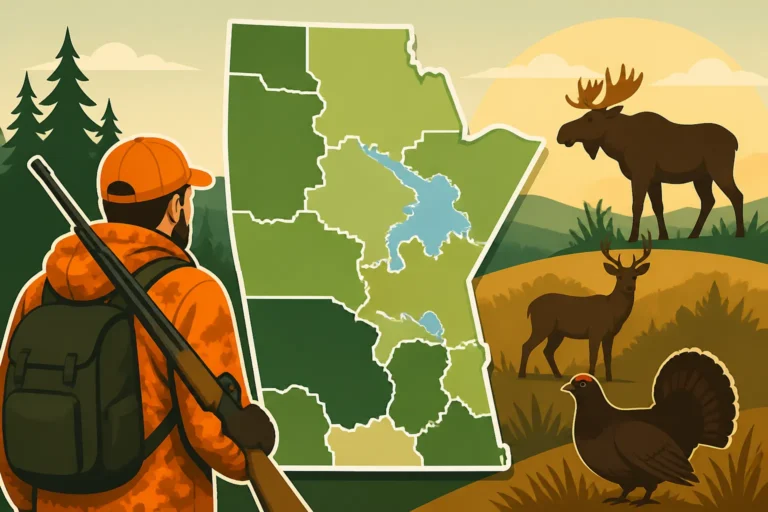
Manitoba has specific GHAs, primarily in the southwestern part of the province, where CWD has been detected or where the risk is considered higher due to proximity to affected areas in Saskatchewan. As of recent regulations, zones like GHA 20A, 20, 21, 22, 23, 23A, 29, and 29A, among others in the southwest, have been designated as mandatory CWD sampling areas for white-tailed deer and sometimes other cervids. This means if you harvest an animal in one of these GHAs during the designated season, you must submit a sample for testing. This isn't optional; it's a legal requirement. It's crucial to consult the most current Manitoba Hunting Guide or the provincial website before your hunt, as these zones can be updated annually. Ignoring these requirements can lead to penalties, and more importantly, it hinders the collective effort to manage CWD. Always double-check Manitoba's Mandatory CWD Sampling GHAs directly before you head out.
Understanding Voluntary Submission Areas
Beyond the mandatory zones, hunters in any GHA across Manitoba are encouraged to submit samples voluntarily. Even if CWD hasn't been detected in your hunting area, voluntary submissions are incredibly valuable. They help establish a baseline and provide an early warning system if the disease were to spread into new territories. Think of it as proactive health monitoring for our wild populations. If you harvest a deer in an area like the Interlake or the Eastern Shield, and you're curious about the health of the local herd, taking a sample and submitting it voluntarily is a fantastic way to contribute. It helps paint a more complete picture of the disease's distribution across the province, even in areas where it's not yet prevalent. This widespread sampling helps scientists understand How CWD Reached Manitoba From the West and how it might continue to spread.
Tools for Confirming Your GHA
Before you head into the field, you need to be absolutely certain which GHA you're in and what the CWD requirements are for that specific area. There are several excellent tools available to help you confirm your location. The official Manitoba Hunting Guide always contains detailed maps and a list of CWD mandatory zones. You can usually find a digital version of this guide on the provincial government's website, which you can download to your phone for offline access in the field.
Beyond the official guide, modern mapping apps are incredibly useful. Applications like GoHunt or OnX Hunt offer robust mapping features that layer GHA boundaries over topographical and satellite imagery. These apps often allow you to see your current location relative to GHA lines, ensuring you know exactly where you are standing. Many hunters use these tools not just for navigation and scouting, but also for checking regulations on the fly, making them indispensable for anyone hunting in areas with specific rules. Always make sure your app is updated to reflect the latest GHA boundaries and CWD information for the current season.
| GHA Category | Requirement | Species Affected | Key Action |
|---|---|---|---|
| Mandatory Zones | Required to submit sample for harvested cervids | White-tailed Deer (primary) | Check current hunting guide for list |
| Voluntary Zones | Encouraged to submit sample for harvested cervids | All Cervids | Consider submitting for surveillance efforts |
| High-Risk Zones | Often overlap with mandatory zones | White-tailed Deer, Elk, Moose | Be extra diligent with carcass disposal |
Step-by-Step Guide to Extracting a CWD Sample
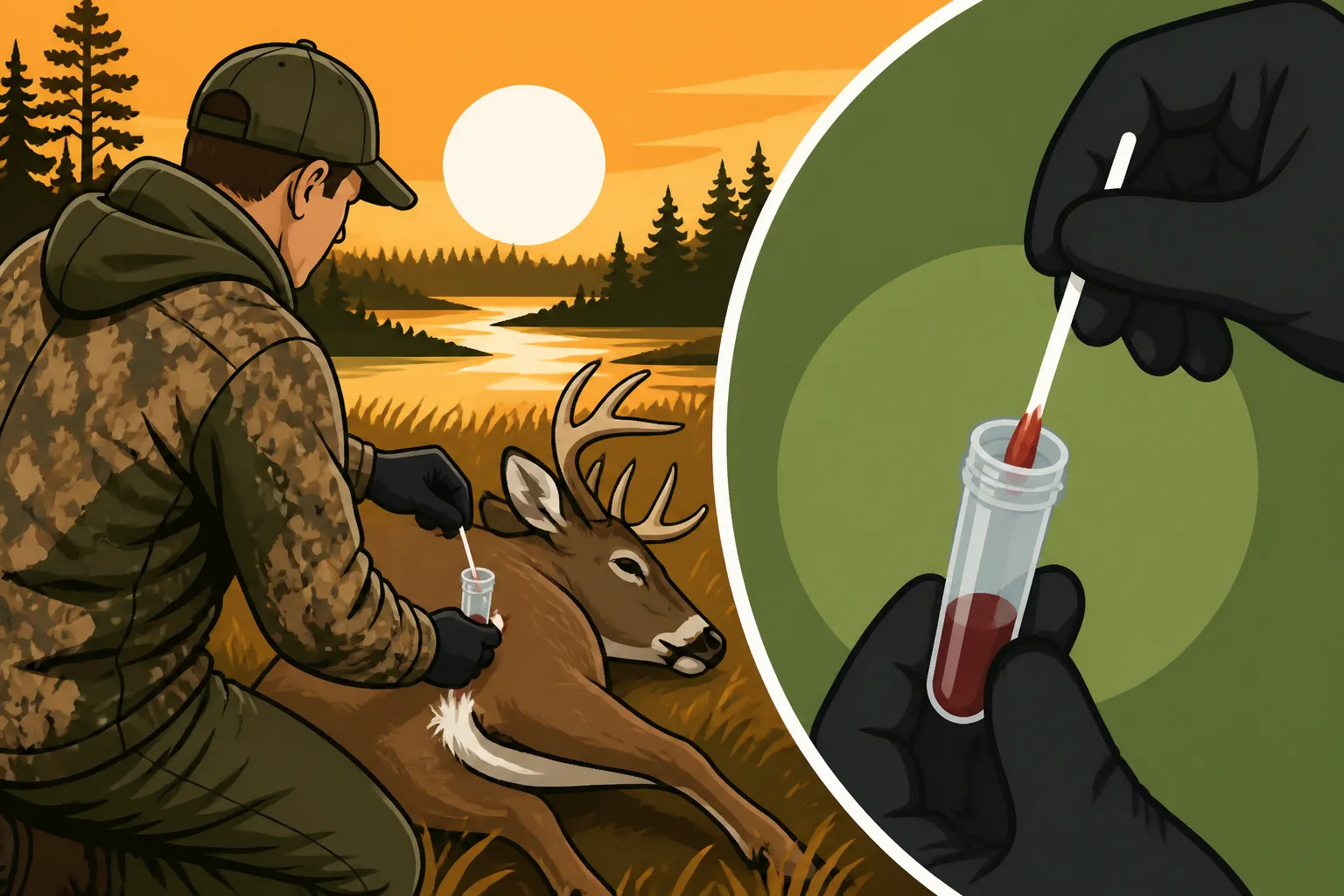
Extracting a CWD sample might sound intimidating, but with a little preparation and a clear understanding of the steps, it's a straightforward process. The goal is to collect the retropharyngeal lymph nodes from your harvested animal, which are typically the first tissues to accumulate CWD prions.
Gathering Your Supplies
Before you even make the first cut, ensure you have all the necessary supplies. Being prepared minimizes contamination risk and makes the process much smoother, especially when you're out in the elements. Here’s a basic checklist:
- Clean Gloves: Several pairs are recommended. Latex or nitrile gloves are fine. Change them if they become torn or heavily soiled.
- Sharp Knife: A clean, sharp knife is essential for precise cuts.
- Sterile Sample Bag: You'll typically receive these from the province at a designated drop-off location, or they may be provided with your hunting licence if you're in a mandatory sampling zone. These are designed to keep the sample sterile and include necessary identification tags.
- Cooler with Ice: Keeping the sample cool is vital for preservation until submission.
- Paper Towels or Clean Rags: For cleaning tools and hands.
- Hand Sanitizer: For general hygiene.
- Optional: Small Bone Saw or Loppers: While not always necessary, these can be helpful for larger animals or if you encounter tougher cartilage.
Having these items readily available will make the field dressing and sampling process much more efficient. Don't forget to keep your general field dressing kit separate to avoid cross-contamination. Many hunters, especially those planning to hunt in areas requiring CWD submission, will pack a dedicated small kit just for CWD sampling, keeping it clean and ready to go.
Locating the Retropharyngeal Lymph Nodes
The retropharyngeal lymph nodes are the target for CWD sampling. These are relatively small glands located at the back of the throat, near the spine, just below the skull. They are nestled deep and can be tricky to find if you've never looked for them before. Imagine the deer's jaw, then trace back towards the neck. The nodes are situated on either side of the esophagus and trachea, against the base of the skull, where the head meets the spine.
To get to them, you'll generally need to remove the head or at least severely separate it from the carcass. If you're planning to take your deer to a processor, discuss the CWD sampling with them beforehand. Some processors are equipped to handle the sampling for you, while others may require you to do it yourself or bring the head in separately. For hunters who want to keep the skull or cape for taxidermy, you'll need to be extra careful to avoid damaging the cape or skull itself. This is where a little practice and patience come in handy. Knowing the exact location is key, and some online resources offer detailed diagrams or videos specifically showing where these nodes are on a deer.
The Incision and Removal Process
Once you've located the general area, it's time for the extraction. Remember, hygiene is paramount to avoid contaminating the sample or yourself.
- Separate the Head (Optional but Recommended): For easier access, many hunters prefer to completely separate the head from the carcass. Make an incision around the neck, severing the muscle and tissue down to the spine. Then, find the atlas joint (the first joint where the skull meets the spine) and carefully cut through it. This will allow you to remove the head for better manipulation. If you're concerned about Meat Care in Manitoba's Cold Snaps, separating the head often makes it easier to handle the carcass during transport.
- Expose the Throat Area: With the head removed or positioned for access, locate the esophagus and trachea (windpipe) at the back of the throat. You'll need to work your way in from underneath the jaw, often by making an incision along the underside of the neck, running from just behind the jawline towards the chest. Carefully peel back the hide and muscle tissue to expose the deeper structures.
- Locate the Nodes: The retropharyngeal lymph nodes are typically almond-shaped and usually about 1 to 2 inches long, though size can vary. They are encased in fatty tissue, often a yellowish or creamy white color, and will feel distinctively firmer than the surrounding fat. They sit deep, high up in the throat, on either side of the gullet, against the vertebral column. You might need to gently probe with your gloved finger to feel for them. They are generally anterior and medial to the large vessels and nerves.
- Careful Excision: Once you've identified a node, use your clean, sharp knife to carefully cut around it, making sure to collect the entire node. Try to avoid cutting into the node itself, as this can compromise the sample. You're aiming to remove one or both nodes intact, along with a small amount of surrounding tissue. Place the removed node(s) immediately into the sterile sample bag provided by the province.
- Clean Up: Once the sample is secured, clean your tools thoroughly. Properly dispose of gloves and any contaminated materials in a sealed bag. Remember, CWD prions can persist, so proper sanitation is important. For guidance on general Field Dressing in Manitoba's Deep Cold, many of these same sanitary principles apply.
Proper Handling and Submission of Your Sample
Collecting the sample is only half the battle. Properly handling and submitting it ensures that your effort isn't wasted and that the sample yields accurate results. This stage is just as important as the extraction itself.
Packaging Your Sample Correctly
Once you've successfully extracted the retropharyngeal lymph node(s), correct packaging is crucial for sample integrity. The provincial government provides specific sterile bags and containers for CWD samples.
- Use Provided Materials: Always use the designated sample bag. These bags are designed to prevent contamination and are correctly labelled for the lab. Do not use Ziploc bags or other homemade containers.
- Place Node(s) Inside: Carefully place the entire lymph node(s) into the sample bag. If you managed to extract both, put both in the same bag.
- Seal Securely: Ensure the bag is sealed completely to prevent any leakage or contamination. Follow the instructions on the bag for proper sealing.
- Keep it Cold: Place the sealed sample bag into a cooler with ice immediately. The sample must be kept cool, but not frozen, until it is submitted. Freezing can sometimes affect the tissue structure, making analysis more difficult. A small cooler dedicated to your CWD sample is a good idea. This is similar to how you would approach Meat Care in Manitoba's Cold Snaps, where consistent cooling is key.
- Complete the Form: There will be an accompanying submission form that you must fill out accurately. This form asks for vital information like your hunting licence number, the GHA where the animal was harvested, the date of harvest, and contact information. Be thorough and legible; incomplete or incorrect forms can delay processing or even lead to the rejection of your sample.
Filling Out the Submission Form
The submission form is your sample's identity. It connects the biological sample to you, your hunt, and the location of the harvest. Take your time to fill it out accurately.
- Hunter Information: Include your full name, address, phone number, and email. This is how you'll be contacted with results.
- Licence Information: Your Manitoba hunting licence number is critical for tracking and compliance.
- Harvest Details: Specify the exact GHA (e.g., GHA 20A) where the animal was taken, the date of harvest, and the species (e.g., white-tailed deer). Be precise. This data helps identify disease hotspots.
- Sex and Age: Note the sex of the animal (buck/doe) and if possible, an estimated age. This helps biologists understand disease prevalence across different demographic groups.
- Symptoms (if any): If you noticed any unusual symptoms in the animal (emaciation, neurological signs, excessive drooling), document them on the form. This is extremely important for surveillance.
- Signature: Sign and date the form to confirm the accuracy of the information.
It's a good practice to keep a copy of your completed submission form for your own records, just in case there are any questions down the line. Many hunters find GoHunt or similar digital mapping tools helpful for quickly verifying their exact GHA if there's any doubt.
Where to Drop Off Your Sample in Manitoba
Once your sample is packaged and the form is filled out, the next step is submission. Manitoba has established various drop-off locations to make this process as convenient as possible for hunters.
- Designated Drop-Off Locations: These are typically provincial government offices, designated freezers at specific businesses (like some bait shops, general stores, or meat processors), or temporary collection sites set up during peak hunting seasons in mandatory sampling GHAs. These locations are equipped to properly store the samples before they are transported to the diagnostic lab.
- Check the Provincial Website: The most up-to-date list of drop-off locations, including their operating hours and any specific instructions, will always be found on the Manitoba government's official hunting or CWD information webpage. This is your go-to resource.
- Timely Submission: While samples can be kept cool for a short period, it's best to submit them as soon as reasonably possible after harvest. This ensures the best sample quality for testing. If you harvest an animal in a mandatory sampling zone, you have a specific timeframe within which to submit your sample, usually within 48-72 hours of harvest. Always confirm these deadlines in the current hunting regulations.
- Non-Mandatory Zones: If you're hunting in a voluntary submission area and want to submit a sample, the drop-off points are generally the same. It's still helpful to call ahead to ensure the location is currently accepting voluntary samples. For detailed information on specific locations, refer to Where to Drop a CWD Sample in Manitoba on the provincial website.
What Happens After You Submit Your Sample
Once you've done your part and submitted your CWD sample, it's natural to wonder what happens next and what you should expect regarding results. The process involves lab analysis, notification, and specific guidelines for handling your harvested meat until results are confirmed.
Getting Your Manitoba CWD Result
After submission, your sample embarks on a journey to a specialized diagnostic laboratory for testing. This isn't an instant process, and patience is key.
- Lab Analysis: The retropharyngeal lymph nodes are analyzed using specific tests, such as immunohistochemistry (IHC), to detect the presence of CWD prions. This involves slicing the tissue very thinly, staining it, and examining it under a microscope for characteristic prion accumulation.
- Notification Timeline: The turnaround time for results can vary significantly depending on the volume of samples received and the lab's capacity. During peak hunting season, it could take several weeks, or even longer. Manitoba usually aims to notify hunters within a reasonable timeframe.
- How You're Notified: Generally, if your animal tests positive for CWD, you will be contacted directly by a representative from Manitoba Conservation and Climate, typically by phone or email. If your animal tests negative, you might receive an email notification or you might need to check an online portal using your hunting licence number. Always ensure the contact information on your submission form is correct and up-to-date. For more specifics on the notification process, refer to Getting Your Manitoba CWD Result.
- Meat Consumption: It is highly recommended that you do not consume meat from a CWD-positive animal. While there is currently no conclusive scientific evidence that CWD can be transmitted to humans, public health officials advise extreme caution. Many jurisdictions, including Manitoba, recommend against consuming venison from any CWD-positive animal.
Understanding Positive Test Results
Receiving a positive CWD test result for your harvested animal can be disheartening, but it's important to understand what it means and the actions you need to take.
- Official Notification: If your animal tests positive, you will receive an official notification from Manitoba Conservation and Climate. They will provide specific instructions and guidance on how to proceed.
- Carcass Disposal: The primary directive for a CWD-positive animal is usually the proper disposal of the carcass. This often involves specific burial or incineration protocols to prevent environmental contamination with prions. You will likely be instructed not to transport the carcass further and to dispose of it in a designated manner. Transporting game meat in Manitoba, especially from a CWD-positive animal, has very strict regulations.
- Hunter Education: This experience might prompt you to learn more about the disease. Understanding why this happens reinforces the importance of hunter education programs, which cover wildlife diseases and safe hunting practices.
- No Further Risk to You (from CWD itself): While you should not consume the meat, testing positive doesn't mean you've done anything wrong. It means you've contributed valuable data to the provincial surveillance effort. Your honesty and participation are vital for collective disease management. This information helps the province assess how many Manitoba's CWD Positive Numbers are increasing or decreasing.
Rules for Moving a Carcass Out of a Sampling Area
Manitoba has specific rules in place regarding the movement of deer carcasses, especially out of mandatory CWD sampling zones, even if your sample results are pending. These rules are designed to prevent the potential spread of CWD prions to unaffected areas.
- Restricted Carcass Parts: Typically, hunters are allowed to take out certain parts of the carcass from a CWD mandatory sampling zone before receiving a negative test result. This usually includes:
- Deboned meat (meat with no bones attached).
- Capes (for taxidermy) that have had all brain matter and spinal cord tissue removed.
- Clean skull plates (antlers attached to a portion of the skull) that have had all brain and soft tissue removed and the skull plate cleaned thoroughly.
- Antlers, free of any skull tissue.
- Whole Carcass Restrictions: Generally, you are not permitted to transport a whole carcass (or substantial parts like the head and spine) out of a mandatory CWD sampling zone until you have received a negative test result. This is because the brain and spinal cord, as well as lymph nodes, are the tissues that contain the highest concentration of CWD prions.
- Dedicated Drop-Off Points: Some GHAs might have specific "carcass disposal sites" or require you to leave certain parts of the carcass within the mandatory sampling zone.
- Know Before You Go: These regulations are critical for preventing the spread of CWD. Always check the current Manitoba Hunting Guide or the provincial CWD information online for the most up-to-date rules on Moving a Carcass Out of a Sampling Area before you hunt in or near a mandatory zone. Planning your hunt, especially if you're traveling a long distance, needs to account for these carcass movement restrictions. GoHunt's mapping features can also help you identify these zones accurately.
Common Questions and Troubleshooting
Even with clear instructions, questions and unexpected situations can arise when extracting your own CWD sample. Here are some common concerns and tips for troubleshooting in the field.
Dealing with a Damaged Sample
Sometimes, despite your best efforts, a lymph node might get nicked, torn, or otherwise damaged during extraction. Don't panic, but do recognize the implications.
- Minor Damage: If there's minor damage, but the node is mostly intact, it's usually still suitable for submission. Just ensure it's placed carefully in the sterile bag.
- Severely Damaged/Missing Node: If a node is severely fragmented, cut in half, or if you simply cannot find one of the retropharyngeal lymph nodes, try to locate the other one. There are two, one on each side. If both are compromised or impossible to find, it’s best to contact Manitoba Conservation and Climate as soon as possible. They can advise you on the next steps, which might include submitting what you have or returning the entire head for their technicians to examine. The key is honesty and transparency. Don't try to hide a damaged sample; report it. The goal is to get a viable sample for testing, and the authorities would rather work with you to get it right.
- Contamination Concerns: If you suspect the sample has been heavily contaminated with gut contents or other foreign material, note this on your submission form. While labs have methods to clean samples, excessive contamination can compromise the results. Maintaining a clean work environment, changing gloves, and using clean tools minimizes this risk.
Tips for Sampling in the Field
Sampling in the field presents unique challenges, especially with weather conditions, limited light, and basic tools. Here are some practical tips to make the process smoother:
- Work Smart, Not Hard: If possible, try to position the animal on a slight incline or prop its head up to make the throat area more accessible. Good lighting is crucial, so a headlamp is your best friend if working near dusk or in low light.
- Gloves, Always Gloves: We can't stress this enough. Wear sturdy gloves and consider wearing a second pair for the actual node extraction for extra protection and sterility. Change them if they tear.
- Cleanliness is Key: Bring a small squirt bottle of water and paper towels to rinse and wipe down your knife and work area as needed. Even though you're in the field, maintaining as much cleanliness as possible reduces contamination.
- Know Your Anatomy: Study diagrams or watch videos before your hunt to familiarize yourself with the exact location of the retropharyngeal lymph nodes. Knowing what you're looking for will save you a lot of time and frustration. Some hunters even carry a small laminated anatomical diagram with them.
- Bring a Buddy: An extra set of hands can be invaluable for holding the head or providing light, making the extraction process much easier and safer. This teamwork also helps if you need to perform other tasks like quartering a moose alone in the bush or simply managing your gear.
- Patience: Don't rush it. Take your time to carefully locate and extract the nodes. Rushing can lead to damaged samples or personal injury. It's an extra step, but a vital one for the future of Manitoba hunting.
Avoiding Contamination
Contamination isn't just about preserving the sample's integrity for the lab; it's also about preventing the environmental spread of CWD prions and protecting yourself.
- Dedicated Tools: Ideally, use a separate, clean knife solely for the CWD sample extraction if possible, or thoroughly clean your primary knife before and after the process.
- Minimize Contact: Try to avoid direct contact of the lymph nodes or your tools with other parts of the carcass, especially the brain or spinal cord, which can also contain high concentrations of prions.
- Proper Carcass Handling: Once you've field dressed the animal and removed the CWD sample, be mindful of how you handle the rest of the carcass. If you are in a mandatory sampling zone, follow all regulations regarding carcass disposal and movement. This might mean leaving certain parts, like the spine, behind at the kill site or disposing of them in a designated landfill. This is especially important for preventing the spread of Manitoba's CWD Positive Numbers.
- Personal Hygiene: After handling any part of a harvested animal, and especially after CWD sampling, thoroughly wash your hands with soap and water or use hand sanitizer. Clean your tools thoroughly with a bleach solution or hot soapy water.
- Clothing: Consider wearing an old shirt or apron specifically for field dressing and sampling, which can be easily washed or discarded afterward. Prions are extremely resistant, so thorough cleaning of anything that comes into contact with potentially infected tissues is recommended. Always consider this when you're Hunting Safely in Deep Winter Cold or warm weather, as cleanliness is important regardless of temperature.
Disclaimer
The information provided in this guide is for general educational purposes only and is not a substitute for official government regulations. Hunting laws and CWD sampling requirements in Manitoba can change annually. Always consult the most current Manitoba Hunting Guide and the provincial government's official website for the latest regulations, GHA boundaries, CWD sampling requirements, and drop-off locations before you head out on your hunt.