What Coyotes Do to Fawn Survival
It's a question many of us hunters wrestle with, especially when we see deer numbers dip in a particular area: just what role do coyotes play in all this? You hear folks talking about it around the campfire or at the diner after a morning hunt, and the general consensus is often that coyotes are tough on deer, especially the little ones. This guide is going to dig deep into that exact concern, exploring the specific impact coyotes have on fawn survival here in Manitoba and helping us all understand this crucial part of our ecosystem.
Understanding Coyote Predation on Fawns
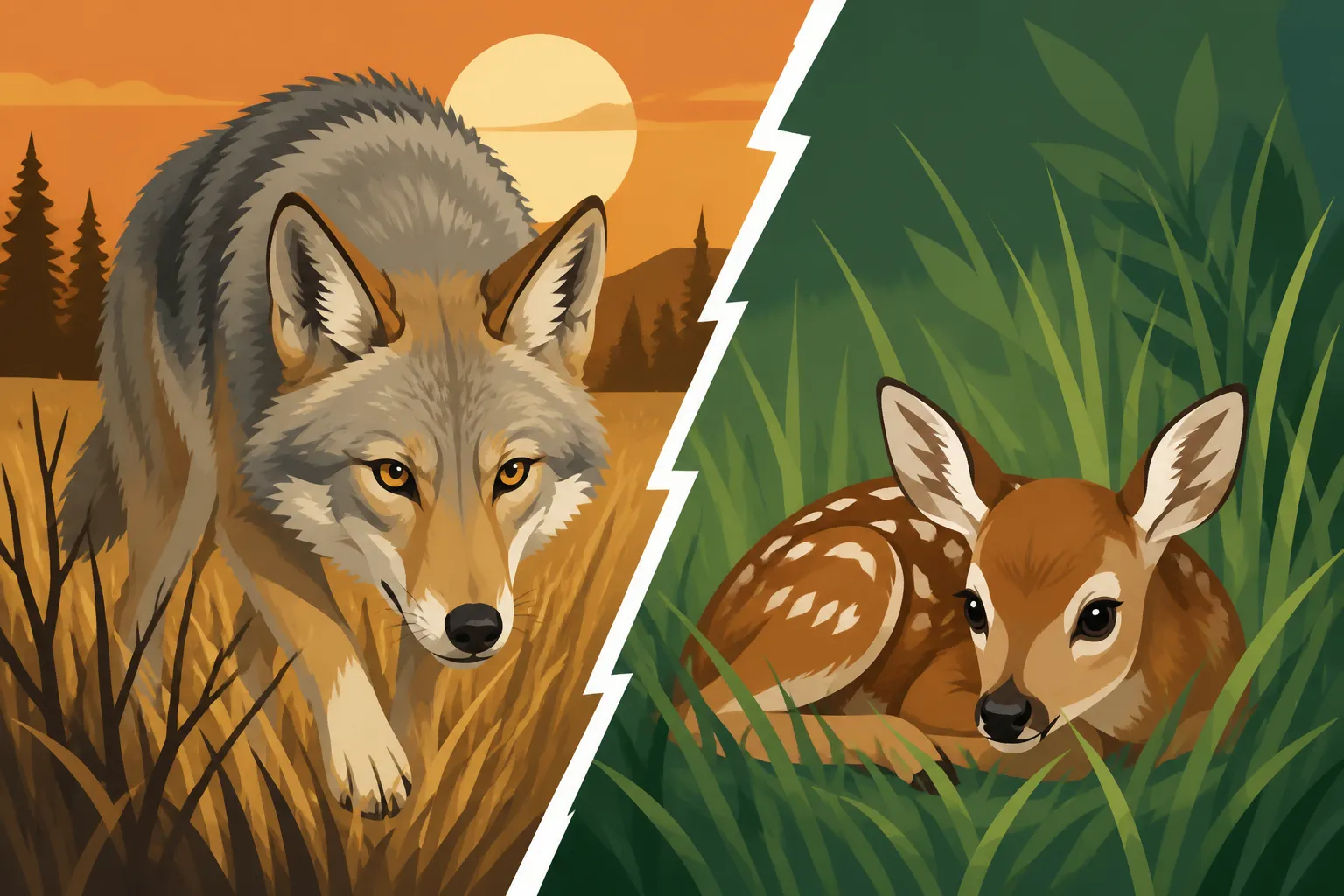
The relationship between coyotes and white-tailed deer fawns is a complex dance of predator and prey, deeply rooted in the natural world. While adult deer are fast and powerful, fawns, especially in their first few weeks of life, are incredibly vulnerable. Coyotes are opportunistic hunters, and a helpless fawn represents a significant calorie boost, especially for a coyote raising its own pups. It's not a matter of malice, but pure survival for the coyote, yet for us hunters, it hits close to home when we think about the future of our deer herds.
The Critical Vulnerability Period for Fawns
Newborn fawns, typically dropped in late May and early June across Manitoba, are masters of camouflage and stillness. For their first few days, they have almost no scent and their primary defence is to lie perfectly still, blending into the tall grass or dense cover where their mother has hidden them. This strategy works wonders against predators that hunt by sight. However, it's a different story for keen-nosed predators like coyotes. The first two to four weeks of a fawn's life are undeniably the most perilous. During this period, their motor skills are developing, and they haven't yet learned to reliably flee danger. They're still relying heavily on that scentless camouflage. Any movement, or a change in wind direction, can give them away. It's heartbreaking to think about, but this short window is when coyotes can have their most profound impact, before the fawns gain the speed and agility to escape.
Coyote Hunting Strategies and Targets
Coyotes are incredibly intelligent and adaptable predators, and their hunting strategies often vary based on habitat, terrain, and the availability of other prey. When it comes to fawns, their approach is often systematic. They'll actively patrol prime fawning grounds, such as thick cover, tall grass fields, or dense willow thickets, using their acute sense of smell to locate hidden fawns. A lone coyote might systematically quarter an area, nose to the ground, searching for the faint scent of a newborn. A pair or small pack might work together, one flushing while the other waits for the escape. Interestingly, research has shown that coyotes can become very efficient at locating fawns once they've keyed into the birthing season. They're not just stumbling upon fawns; they're actively seeking them out during this vulnerable window. This focused effort means that in areas with high coyote densities, fawn survival can be significantly impacted even if deer numbers seem robust on the surface. Understanding these behaviors helps us appreciate the constant pressure young deer face. If you're out Reading Whitetail Sign in Manitoba Aspen after fawning season, you might stumble across evidence of these interactions.
Factors Influencing Coyote Predation Rates
It's never just one thing that determines how many fawns make it through their first summer. The dynamics of predator-prey relationships are a complex web, and while coyotes are certainly a significant thread, many other factors contribute to the overall picture of fawn survival. From the quality of the local habitat to the presence of other food sources, everything plays a part in how intensely coyotes might focus on young deer.
Habitat and Landscape Features
The type of habitat available directly influences both deer and coyote populations, and consequently, the rate of fawn predation. Areas with abundant, dense fawning cover—think vast tracts of unbroken bush, thick cattail sloughs, or extensive shelterbelts—can offer fawns more places to hide from prying eyes and noses. However, in more fragmented landscapes, such as our Hunting Manitoba's Parkland Region or along Hunting a Shelterbelt Between Two Fields, where cover is more sparse or patchily distributed, fawns might be concentrated in fewer, more obvious hiding spots. This makes them easier for coyotes to locate.
Conversely, dense cover that protects fawns can also provide excellent hunting habitat for coyotes. It's a double-edged sword. Habitat quality also dictates how healthy and numerous the doe population is, which in turn influences how many fawns are born and how well-nourished they are, affecting their initial vigour and ability to survive. Mapping tools like GoHunt can be invaluable here, helping you visualize cover types and potential fawning areas, and understanding how a coyote might move through that landscape.
Other Prey Availability and Population Dynamics
Coyotes are generalist predators, meaning they'll eat just about anything they can catch. Their diet includes small mammals like voles, mice, rabbits, and snowshoe hares, as well as birds, insects, and even berries. When populations of these other prey species are high, coyotes might have less incentive to specifically target fawns. For instance, if the snowshoe hare cycle is at a peak, coyotes have an easier, less risky food source readily available. However, when these alternative prey populations are low, coyotes will naturally shift their focus to whatever is most abundant and accessible – and often, that includes fawns during their vulnerable period. This fluctuating food source is a major driver of Why Manitoba Deer Numbers Swing and coyote behaviour. Understanding these cycles is crucial for predicting potential fawn survival rates. A robust local population of rabbits, for example, could mean slightly less pressure on newborn deer, whereas a crash in small mammal numbers could spell trouble for young fawns.
Coyote Population Density and Distribution
It stands to reason that where there are more coyotes, there's a higher chance of fawn predation. High coyote densities, particularly in areas with limited alternative prey, can put immense pressure on deer populations, especially their fawns. In some regions of Manitoba, especially the Coyotes Across the Farmland Belt, coyote numbers can be quite robust, leading to more frequent encounters with deer.
However, it's not simply about the raw number of coyotes. Their distribution, how they utilize their territory, and whether specific individuals or packs become "deer specialists" can also play a role. A healthy coyote population is a natural part of our ecosystem, contributing to the overall health of prey species by culling weak or diseased animals. The challenge arises when their numbers, combined with other environmental stressors, create a situation where fawn recruitment isn't enough to sustain or grow the deer herd. Observing coyote sign using tools like GoHunt when Scouting a Manitoba Game Hunting Area can give you an idea of their local presence.
Recognizing the Signs of Coyote Predation
For those of us who spend a lot of time in the bush, it's not always easy to tell exactly what happened to a fawn that didn't make it. Nature is harsh, and many factors can lead to a fawn's demise, from disease to accidental injury or even abandonment. However, with a keen eye and a bit of knowledge, you can often find clues that point towards coyote predation, helping you understand the real dynamics at play in your hunting grounds.
Field Clues and Evidence
When a fawn is taken by a coyote, the scene usually tells a story. Look for signs of a struggle, like torn-up ground, broken branches, or matted grass. Unlike a bear kill, which might involve significant tearing and bone crushing, coyote predation often leaves smaller, more focused tooth marks, typically around the neck and head of the fawn. You might find fawn hair scattered over a wider area, indicating the fawn was dragged.
Sometimes, if the coyotes were interrupted, you might find a partial carcass. Look for internal organs being consumed, often a sign of canine predation. Another key indicator is tracks. Coyote tracks are distinct – often narrower and more oval than a domestic dog's, and usually in a straight line, as they are very efficient travellers. Deer tracks, especially those of a running doe or a bounding fawn, might be interspersed. Unfortunately, sometimes all you'll find are bones or scattered remains, making it harder to determine the exact cause, but any sign of canine activity in a fawning area should raise an eyebrow.
Data Collection and Research Methods
While field observations by hunters are incredibly valuable, wildlife biologists use more rigorous methods to study fawn survival and predation rates. This often involves capturing newborn fawns shortly after birth and fitting them with VHF or GPS collars. These collars allow researchers to track the fawn's movements and, crucially, to detect mortality events. When a fawn stops moving for an extended period, researchers can quickly investigate the site to determine the cause of death. This might involve forensic analysis of the carcass, looking for specific bite marks, blood trails, and comparing notes with known predator behaviours.
Through these studies, biologists can collect hard data on how many fawns are born, how many survive to specific ages, and what the leading causes of mortality are, differentiating between coyote predation, other predators like bears or bobcats, disease, or accidents. This kind of research helps paint a clearer picture of regional fawn survival and informs management strategies. For a more general overview of local predators, you might look into Manitoba's Predator Hunting Across Manitoba.
| Factor | High Impact on Fawn Survival | Low Impact on Fawn Survival |
|---|---|---|
| Coyote Density | High local coyote numbers, especially specializing in deer | Low coyote numbers, or coyotes focused on other prey |
| Alternative Prey Abundance | Scarcity of rabbits, rodents, or other small game | Abundance of rabbits, rodents, and other small game |
| Fawning Cover Quality | Fragmented habitat, limited dense cover | Expansive, dense fawning cover like willow thickets or tall grass |
| Doe Health & Nutrition | Poor maternal health, leading to weaker fawns | Robust maternal health, leading to vigorous, well-nourished fawns |
| Human Activity | Frequent human disturbance in fawning areas, flushing fawns | Minimal human disturbance in fawning areas |
| Weather Conditions | Harsh, cold, or excessively wet spring weather | Mild, stable spring weather during fawning season |
Managing Coyote Impacts on Deer Populations
Understanding that coyotes are a natural part of our ecosystem, and that they play a role in maintaining healthy deer populations, doesn't mean we can't influence their impact, especially when we feel fawn survival is suffering. As hunters and stewards of the land, there are proactive steps we can take to manage both coyote populations and deer habitat to help ensure a sustainable future for our deer herds. It's about finding that balance.
Hunter Role in Coyote Management
Hunters can certainly play a part in managing coyote populations. In many areas of Manitoba, coyotes can be hunted year-round, often without specific tag requirements, providing an excellent opportunity to help keep their numbers in check. Responsible predator hunting, especially when focused on areas where deer are known to fawn or where coyote numbers are noticeably high, can contribute to reducing predation pressure on fawns. This isn't about eradication, but about managing local populations to a healthy level.
Many hunters enjoy the challenge of hunting coyotes at first light or through the winter months. It sharpens your skills, keeps you in the field, and can be an exciting way to spend time outdoors. Participating in this kind of hunting helps to manage predator numbers, which in turn can indirectly benefit fawn survival. Always be sure to check the specific regulations for the Game Hunting Area (GHA) you plan to hunt in, as rules can vary.
Land Management and Habitat Improvements
While directly reducing coyote numbers can help, improving deer habitat is arguably one of the most effective long-term strategies for boosting fawn survival. By creating more and better fawning cover, we give fawns a fighting chance. This could involve promoting the growth of dense shrubs and tall grasses in specific areas, especially near known deer wintering or breeding grounds. Enhancing natural shelterbelts or even planting new ones can provide critical hiding spots. For those hunting Whitetail Hunting in Manitoba, understanding how deer use cover is paramount.
Landowners, in particular, have a unique opportunity to make a difference by managing their properties with deer in mind. Leaving strips of unharvested cover, allowing native grasses to grow tall, or even strategically placing brush piles can create vital sanctuaries for newborn fawns. This also ties into overall deer health – well-fed, healthy does are more likely to give birth to strong, vigorous fawns better equipped to evade predators. When you're using a mapping tool like GoHunt to plan your hunts, consider identifying and prioritizing areas for these kinds of habitat improvements. Providing fawns with ample, secure places to hide is often the best defense against intelligent predators like coyotes.
Disclaimer
This article is for general informational purposes only and does not constitute professional advice. Laws, prices and regulations vary by location and change over time. Consult a qualified professional for guidance on your specific situation.