Manitoba Hunting Access Near Brandon
Finding great hunting land around a hub like Brandon can feel like a real puzzle, can't it? You know the game is there, but figuring out where you can legally and ethically pursue it without running into fences, no-hunting signs, or crowded areas is a challenge many of us face. This guide is all about cutting through that confusion, helping you unlock the diverse hunting access opportunities available near Brandon, Manitoba, and equipping you with the knowledge to make the most of your hunting adventures in this vibrant region.
Understanding Manitoba's Hunting Access Landscape Near Brandon
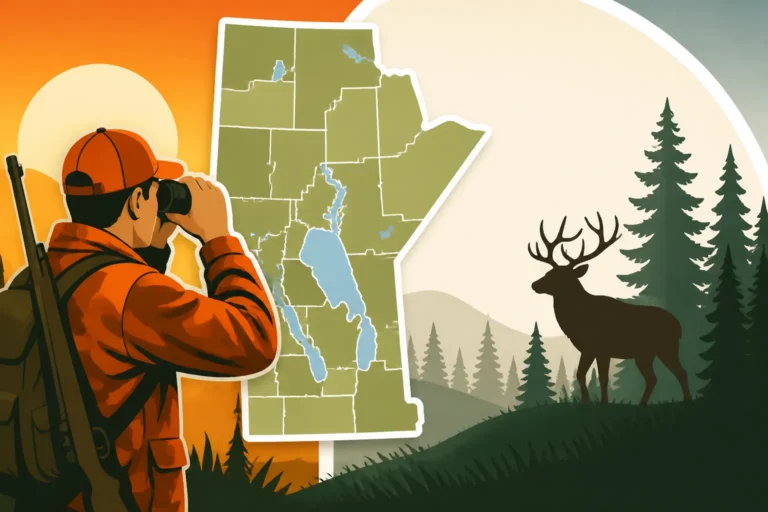
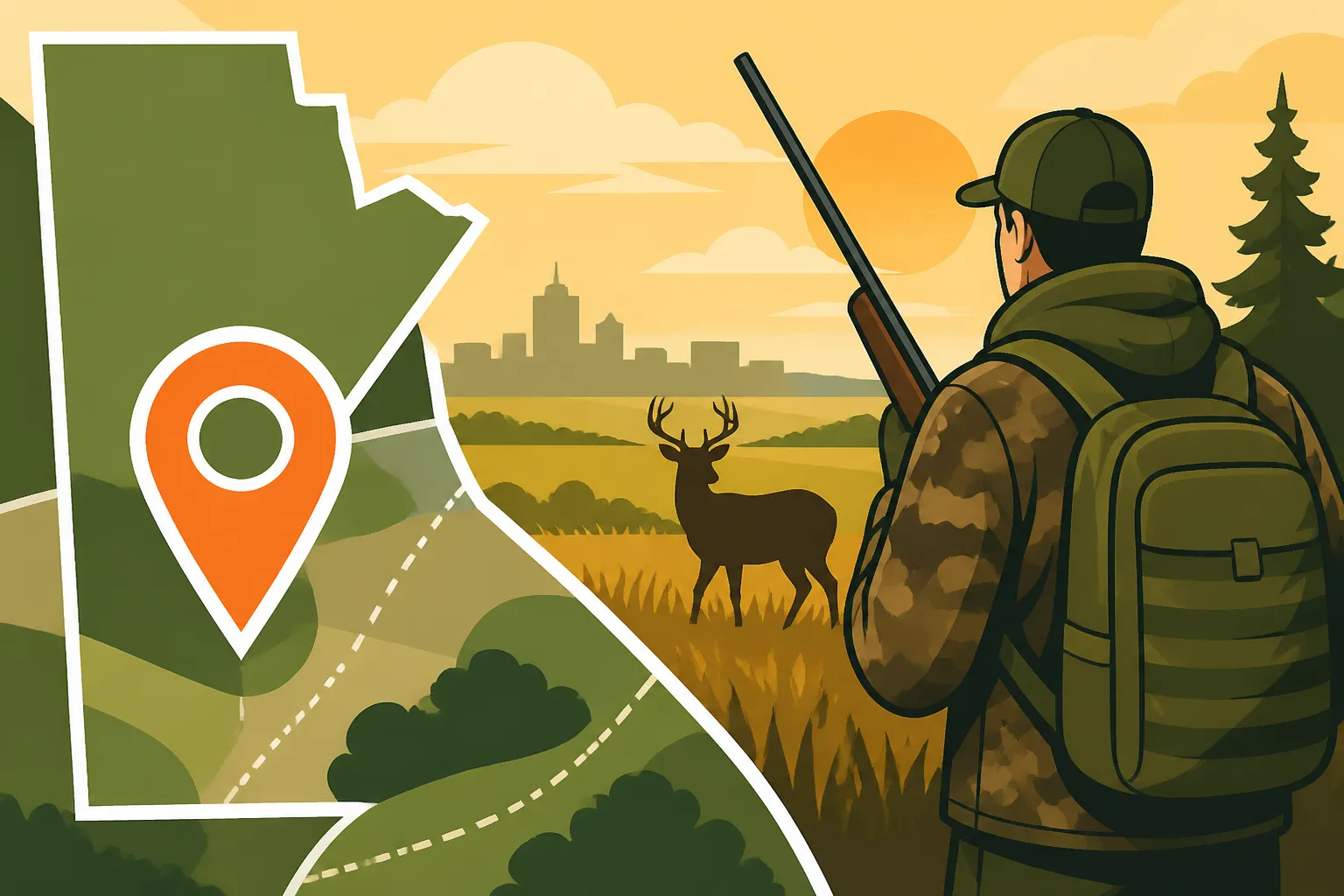
When you look at a map of Manitoba, Brandon sits right in a fascinating transition zone – where vast agricultural fields meet the beginnings of the mixedwood forest and parkland. This unique blend creates incredible habitat, but also a complex tapestry of public and private land. It's not always as straightforward as "bush country" or "wide-open prairie," and understanding this landscape is your first step to a successful hunt.
The Unique Challenges of Hunting Near a Major Centre
Hunting close to a city like Brandon comes with its own set of considerations. You're dealing with higher population densities, more recreational users in public spaces, and a much higher percentage of private land under cultivation. This means fewer expansive tracts of untouched wilderness compared to, say, the far north. It's easy to get discouraged when every promising block of cover seems to be surrounded by "No Hunting" signs or is clearly someone's backyard. The pressure can be higher, too, especially during peak seasons, making it crucial to do your homework and often, be willing to walk a little further or knock on a few more doors than you might elsewhere. It demands a different kind of scouting and a keen understanding of property lines.
Key Hunting Zones (GHAs) Around Brandon
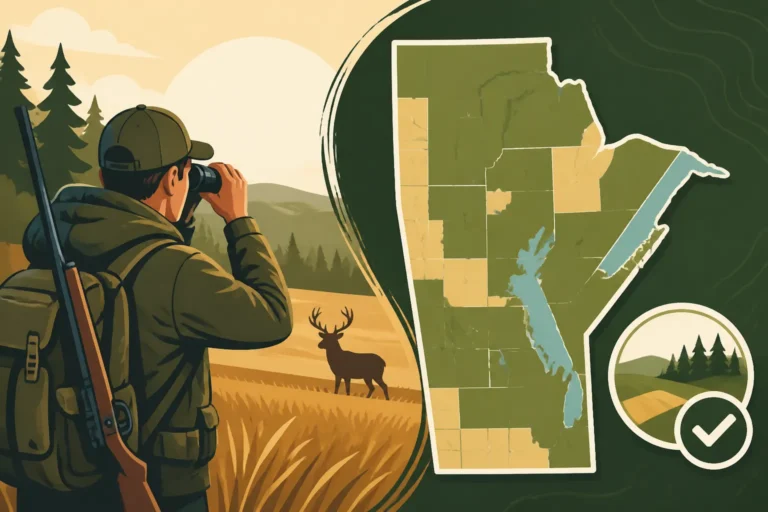
Manitoba is divided into Game Hunting Areas, or GHAs, which are essentially management units for various species. Around Brandon, you'll find a mix of GHAs that reflect the landscape's diversity. For example, some GHAs immediately surrounding Brandon are heavily agricultural, meaning private land is dominant, and you'll often be targeting species like whitetail deer or waterfowl. Other GHAs might encompass portions of provincial forests or more rugged parkland, offering different opportunities for species like elk or bear, albeit in smaller, more fragmented populations compared to core ranges. Each GHA has specific regulations and season dates for different species, so always check the current provincial hunting guide. Understanding Manitoba's Game Hunting Areas is absolutely critical, as these boundaries dictate what you can hunt, when, and with what type of tag.
Different Types of Land Access: A Quick Overview
Before we dive into the specifics, it's helpful to categorize the types of land you'll encounter near Brandon, each with its own access rules and hunting potential.
- Private Land: This is the vast majority of the land around Brandon, particularly in the prime agricultural belt. Access almost always requires explicit permission from the landowner. We'll delve into how to respectfully secure this later.
- Crown Land: Publicly owned land, sometimes referred to as "Crown Land," is available for hunting unless otherwise specified. While less common in large blocks immediately surrounding Brandon, pockets and larger tracts exist further out, especially bordering waterways or in less arable areas.
- Wildlife Management Areas (WMAs): These are designated areas managed by the province primarily for wildlife habitat and public recreation, including hunting. They offer guaranteed public access, but often come with specific, sometimes stricter, rules.
- Provincial Forests: Large forested tracts, such as Spruce Woods or Turtle Mountain, are also Crown Land but often have their own internal management plans, which can influence access for motorized vehicles or specific recreational uses. They offer excellent hunting, especially for big game.
Knowing which type of land you're looking at is the first step to knowing if you can even consider setting foot on it with your gear. It saves a lot of wasted time and potential headaches.
Navigating Crown Land Opportunities in the Brandon Region
While much of the immediate Brandon area is private, there are definitely opportunities to hunt Crown Land if you know where to look and how to interpret the maps. It's rarely a continuous, easy-to-spot block, but rather a mosaic of parcels that can offer fantastic hunting if you're willing to do the legwork.
Identifying Accessible Crown Land Parcels
Finding Crown Land near Brandon usually involves a combination of digital mapping tools and good old-fashioned map reading. Satellite imagery is your best friend here. Services like onX Hunt or even Manitoba's own Crown Land maps (often available through provincial government sites) can highlight public ownership. What you're often looking for are smaller, irregular parcels – perhaps wetlands, wooded creek bottoms, or less productive land that wasn't converted to agriculture. Sometimes these parcels are adjacent to larger features like river systems or provincial parks (where hunting is generally prohibited, but adjacent Crown Land might be open). Don't just look for massive green blobs; some of the best spots are small, isolated woodlots or sloughs that deer use as cover. Be prepared to scrutinize every section line and quarter. Reading a Manitoba GHA Map Before You Go can help you discern these boundaries and understand the designated hunting zones.
Rules and Regulations for Hunting Crown Land Near Brandon
Hunting on Crown Land, while generally open, isn't a free-for-all. You still have to adhere to all provincial hunting regulations regarding seasons, bag limits, weapon types, and safety. Additionally, there might be specific rules pertaining to vehicle access, camping, or the placement of stands on Crown Land. For example, leaving permanent tree stands might be prohibited, or there could be restrictions on motorized vehicles in certain areas. It’s crucial to know these details before you head out. Always consult the current Manitoba Hunting Guide for the most up-to-date information. Understanding Manitoba's Crown Land Access is key to avoiding unintentional infractions.
Vehicle and Foot Access Considerations
One of the biggest hurdles with Crown Land in this region is often access. While the land might be public, getting to it can be tricky. Many smaller parcels are landlocked by private property, meaning you'd need landowner permission just to cross their land to get to the Crown piece. Always respect private property boundaries and seek permission even for access, let alone hunting. For parcels that are accessible by public road, consider how much walking you'll need to do. Often, the best Crown Land spots are those that require a significant hike in, discouraging other hunters. This is where your fitness and willingness to go the extra mile really pay off. Scouting With Satellite Imagery in Manitoba can help you identify potential access points and plan your routes, saving you valuable time in the field.
Exploring Wildlife Management Areas Around Brandon
Manitoba's Wildlife Management Areas (WMAs) are incredible resources for hunters, designed to protect habitat and provide public hunting opportunities. Around Brandon, you'll find several WMAs that offer fantastic diverse hunting experiences, often for a variety of species.
Notable WMAs and Their Primary Species
The Brandon region is fortunate to have several significant WMAs. The Grant Devine WMA (often grouped with the Spruce Woods WMA system) offers a mix of forest, sandhills, and open areas, making it a prime location for White-Tailed Deer, Manitoba's Most Hunted Animal, as well as a good spot for upland birds like sharp-tailed grouse. Further west, the Oak Lake Marsh WMA is renowned for its incredible waterfowl hunting, drawing birds from the Central Flyway. These large, protected marshlands provide critical staging habitat for ducks and geese, but also offer some opportunities for deer along the fringes. Manitoba's Upland Birds and Where They Live highlights the importance of these mixed habitats. Each WMA has its unique ecological character, which in turn dictates the dominant game species you'll find.
Specific Rules and Restrictions within WMAs
While WMAs offer guaranteed access, they often come with their own distinct set of rules beyond general provincial hunting regulations. These might include restrictions on vehicle use (sometimes limited to designated trails or specific times of year), prohibitions on certain types of weapons, or limits on stand placement. For instance, some WMAs might have areas designated as wildlife sanctuaries where hunting is entirely prohibited, even if they are part of a larger WMA. It's not uncommon to find rules around baiting or trapping that differ from general Crown Land rules. Before heading out, always consult the WMA-specific regulations in the provincial hunting guide or on the Manitoba government website. Ignoring these can lead to fines and a ruined hunt.
Maximizing Your Hunt in WMA Terrain
Hunting WMAs effectively requires a strategic approach. Due to their public nature, they often experience higher hunting pressure, especially on opening weekends. To improve your odds, consider hunting during weekdays or exploring deeper into the WMA where most casual hunters won't venture. Utilize maps from sources like onX Hunt to identify natural funnels, thick cover, and remote water sources that might hold game. Look for areas that require a longer walk or have difficult terrain, as these often hold less pressured animals. Early morning and late evening hunts, especially on the edges of agricultural fields adjacent to the WMA, can also be highly productive. Focus on finding untouched pockets within the WMA, which can often be found where cover is densest or access is most challenging.
| Land Type | Primary Species | Access Requirements | Typical Terrain | Hunting Pressure | Key Consideration |
|---|---|---|---|---|---|
| Private Land | Whitetail, Waterfowl | Landowner Permission | Cropland, shelterbelts, woodlots, pastures | Variable | Building landowner relationships is crucial. |
| Crown Land | Whitetail, Upland Birds | Public (check maps) | River bottoms, sloughs, scattered bush, wetlands | Moderate | Often fragmented, can be landlocked, require research. |
| Wildlife Management Areas (WMAs) | Whitetail, Waterfowl, Upland Birds | Public (specific rules apply) | Mixed forest, marsh, sandhills, open grassland | High (peak times) | Respect WMA-specific rules; seek deeper, harder-to-reach spots. |
| Provincial Forests | Whitetail, Elk, Bear | Public (vehicle rules apply) | Dense forest, sandhills, rugged terrain | Moderate | Check vehicle access rules; larger tracts allow for deeper penetration. |
Gaining Private Land Access in Brandon's Agricultural Zone
Let's be realistic: a huge percentage of the best hunting ground near Brandon is private land. Ignoring this fact means missing out on incredible opportunities, especially for whitetails and waterfowl. While it can feel intimidating to ask for permission, approaching it with respect and a clear plan can open many doors.
The Importance of Landowner Permission
In Manitoba, hunting on private land requires permission from the landowner or occupier. It's not just a courtesy; it's the law. Trespassing is a serious offense and can quickly damage the reputation of all hunters. Many landowners are incredibly generous, but they often deal with disrespectful hunters, litter, or property damage. Your goal is to be the hunter who stands out positively. This means understanding Manitoba Landowner Permission Law inside and out and adhering to it rigidly. Remember, their land is their livelihood and their home; treating it with anything less than utmost respect is a non-starter.
Effective Strategies for Approaching Landowners
Approaching landowners effectively is an art, not a science, but there are definitely strategies that increase your chances of success.
- Timing is Everything: Don't show up on opening day. Try to make contact well before the season, perhaps in late summer or early fall when farmers aren't as busy with harvest. Weekday afternoons can often be a good window.
- Be Prepared and Presentable: Dress neatly, speak clearly, and be polite. Have your licence information, vehicle details, and even a map (like a screenshot from onX Hunt showing their property boundaries and where you'd like to hunt) ready.
- Offer Something in Return: While not always expected, offering to help with chores, fix a fence, or share some of your processed game meat can go a long way. Even just offering to keep an eye on their property for anything suspicious is a valuable offer.
- Be Specific and Respectful: Clearly state what you want to hunt, when, and where. Ask about areas they'd prefer you avoid (e.g., near livestock, buildings, or sensitive crops). Always ask, "Do you have any land you'd allow me to hunt deer on this fall?" rather than assuming.
- Don't Overstay Your Welcome: If they say no, thank them politely and move on. Don't argue or try to convince them. If they say yes, express sincere gratitude and get their contact information.
Remember, a little respect goes a long, long way. A landowner who trusts you might grant you access for years, and even introduce you to neighbours. For more in-depth advice, check out Asking a Manitoba Landowner for Permission.
Building Trust and Respectful Hunting Relationships
Getting permission once is great, but building a lasting relationship is the real prize. This means consistently being an exemplary guest.
- Communicate: Let them know when you'll be on their land and when you've left. If you harvest an animal, inform them and offer to share.
- Respect Their Property: Stick to agreed-upon areas, close all gates, avoid driving on wet fields, pack out all your trash (and maybe a little extra that wasn't yours). If you see a problem (broken fence, sick livestock, suspicious vehicle), report it to them.
- Follow Through on Promises: If you offered to help, do it. If you said you'd only hunt a specific field, stick to it.
- Show Gratitude: A thank-you card, a small gift (like a gift certificate to a local store), or a share of game meat after a successful hunt can solidify the relationship.
By demonstrating respect and reliability, you not only secure your own hunting access but also improve the perception of hunters in general, which benefits us all.
Hunting in Provincial Forests East and West of Brandon
Beyond the immediate agricultural heartland, the Brandon region is flanked by significant provincial forests: Spruce Woods to the east and Turtle Mountain to the southwest. These areas offer a completely different hunting experience, characterized by more extensive timber, varied terrain, and often a wider range of big game species.
The Spruce Woods Provincial Forest Experience
The Spruce Woods Provincial Forest, famous for its unique sand hills and boreal forest pockets, offers a truly distinctive hunting experience east of Brandon. This area holds healthy populations of whitetail deer, and also some elk. The terrain can be challenging, with rolling sand dunes, dense stands of spruce and aspen, and open grasslands. Hunters here often focus on finding travel corridors between cover and water sources, or identifying where deer and elk are transitioning from dense bedding areas to feeding grounds. Hunting the Spruce Woods Sand Country delves into the specifics of this unique habitat. Vehicle access is often restricted to designated trails, so be prepared to walk and know your way around with a detailed map. The solitude and unique landscape make for a rewarding hunt, even if the animals can be elusive in the thick cover.
Exploring the Turtle Mountain Provincial Forest
Southwest of Brandon, hugging the US border, lies the Turtle Mountain Provincial Forest. This area is a true gem, characterized by a mix of deciduous forest, aspen bluffs, and numerous small lakes and wetlands. It's a fantastic area for whitetail deer, and also supports populations of moose and elk, though tags for these species often require success in Manitoba's Big Game Draws. The topography is rugged in places, with significant elevation changes for Manitoba, offering great vantage points. For detailed information on this distinct area, you might want to read Hunting the Turtle Mountain Country. Access generally involves a network of gravel roads, but venturing off the beaten path often requires good navigation and a willingness to hike into the thicker blocks.
Unique Opportunities and Challenges in Forested Areas
Hunting these provincial forests brings distinct opportunities and challenges compared to open farmland.
Opportunities:
- More Diverse Game: Beyond whitetails, you might encounter elk, moose (if you draw a tag), or black bear in certain parts of these forests.
- Less Pressure (Deeper In): While access points can see pressure, the sheer size and ruggedness of these forests mean that hunters willing to put in the effort can find truly undisturbed areas.
- Traditional "Bush" Hunting: This offers a more traditional North American forest hunting experience, relying more on tracking, still-hunting, and understanding timber habits.
Challenges:
- Navigation: It's easy to get disoriented in dense timber. Always carry a reliable GPS (like a dedicated unit or a robust mapping app on your phone with downloaded maps, such as onX Hunt) and a compass.
- Visibility: Shots are often closer, and animals can appear and disappear quickly in thick cover.
- Extraction: Getting a downed animal out of dense bush can be a major undertaking, especially if you're deep inside. Plan for this possibility, and consider hunting with a partner.
These forests offer a different kind of reward for the prepared and patient hunter. They demand more effort but deliver a profound connection to Manitoba's wilder side.
Practical Tips for Scouting and Planning Your Hunt Near Brandon
Regardless of whether you're chasing whitetails in a WMA, searching for a secluded Crown Land parcel, or trying to secure private land permission, effective scouting and meticulous planning are your best friends. Near Brandon, where hunting access can be a bit of a mosaic, these steps become even more critical.
Utilizing Digital Mapping Tools for Pre-Season Scouting
Modern technology has revolutionized how we scout, and it's particularly valuable in areas like Brandon where diverse land ownership is the norm. Apps like onX Hunt or even Google Earth allow you to pour over satellite imagery, identify property lines (critical for both Crown and private land), locate potential access points, and pinpoint key habitat features like bedding areas, water sources, and travel corridors. Before you even set foot in the field, you can:
- Identify Crown Land: Look for those smaller, often overlooked parcels that might be away from major roads.
- Map Private Property: Understand who owns what, so you know exactly whose door to knock on. This is crucial for Manitoba Trespass Law for Hunters.
- Locate Funnels and Edges: Look for pinch points where cover meets agriculture, or natural draws that funnel game movement. These are hotspots for Hunting a Manitoba Bush Edge.
- Plan Your Routes: Pre-mark potential entry and exit points, as well as possible spots for treestands or ground blinds.
This pre-season digital scouting saves immense time and helps you focus your in-person efforts on the most promising areas.
In-Season Scouting and Adapting to Conditions
While digital scouting is powerful, nothing replaces boots on the ground. Once the season starts, or even just before, you need to be out there observing.
- Look for Fresh Sign: Rubs, scrapes, tracks, and droppings are your best indicators of recent game activity. Pay attention to how deer are using the landscape. Is there a new browse line? Are they hitting a specific field? Reading Whitetail Sign in Manitoba Aspen can help you interpret what you're seeing.
- Observe Game Movement: Sit and watch fields from a distance at dawn and dusk. Where are the deer entering and exiting? What patterns are you seeing? A small bluff between two fields, for instance, can be a major travel route and a great spot for Hunting a Bluff Between Two Fields.
- Adjust to Weather and Crop Changes: Heavy snow can push deer into specific cover, while harvested fields change how waterfowl feed. Be prepared to adapt your strategy based on current conditions. A dry fall might concentrate animals around the few remaining water sources.
- Talk to Locals: Farmers and rural residents often have invaluable insights into local game movements, especially for deer and waterfowl. Respectfully engaging them (even if you don't ask for permission to hunt their land) can yield useful information.
Essential Gear and Safety Considerations
Hunting near Brandon, especially during the fall and winter, requires proper gear and a strong emphasis on safety.
- Layered Clothing: Manitoba weather can change on a dime. Be prepared for anything from mild fall days to bitter cold, especially if you're out Hunting Safely in Deep Winter Cold.
- Navigation Tools: Even with a GPS app on your phone, a physical map and compass are crucial backups, especially in areas with spotty cell service.
- First-Aid Kit: Always carry a well-stocked first-aid kit for any minor injuries.
- Communication: A fully charged phone is essential, but consider a satellite messenger if you plan to venture into more remote areas of the provincial forests where cell service drops off.
- Blaze Orange: Adhere strictly to Manitoba's blaze orange requirements for big game hunting. Safety is paramount.
- Respect for Others: Be mindful of other hunters, landowners, and recreational users. Practice ethical hunting, ensure clean shots, and never leave garbage behind.
By combining thorough preparation with adaptability and an unwavering commitment to safety and ethics, your hunting experiences near Brandon can be incredibly rewarding.
Disclaimer
This article is for general informational purposes only and does not constitute professional advice. Laws, prices and regulations vary by location and change over time. Consult a qualified professional for guidance on your specific situation.