What Happens If Weather Ruins the Hunt
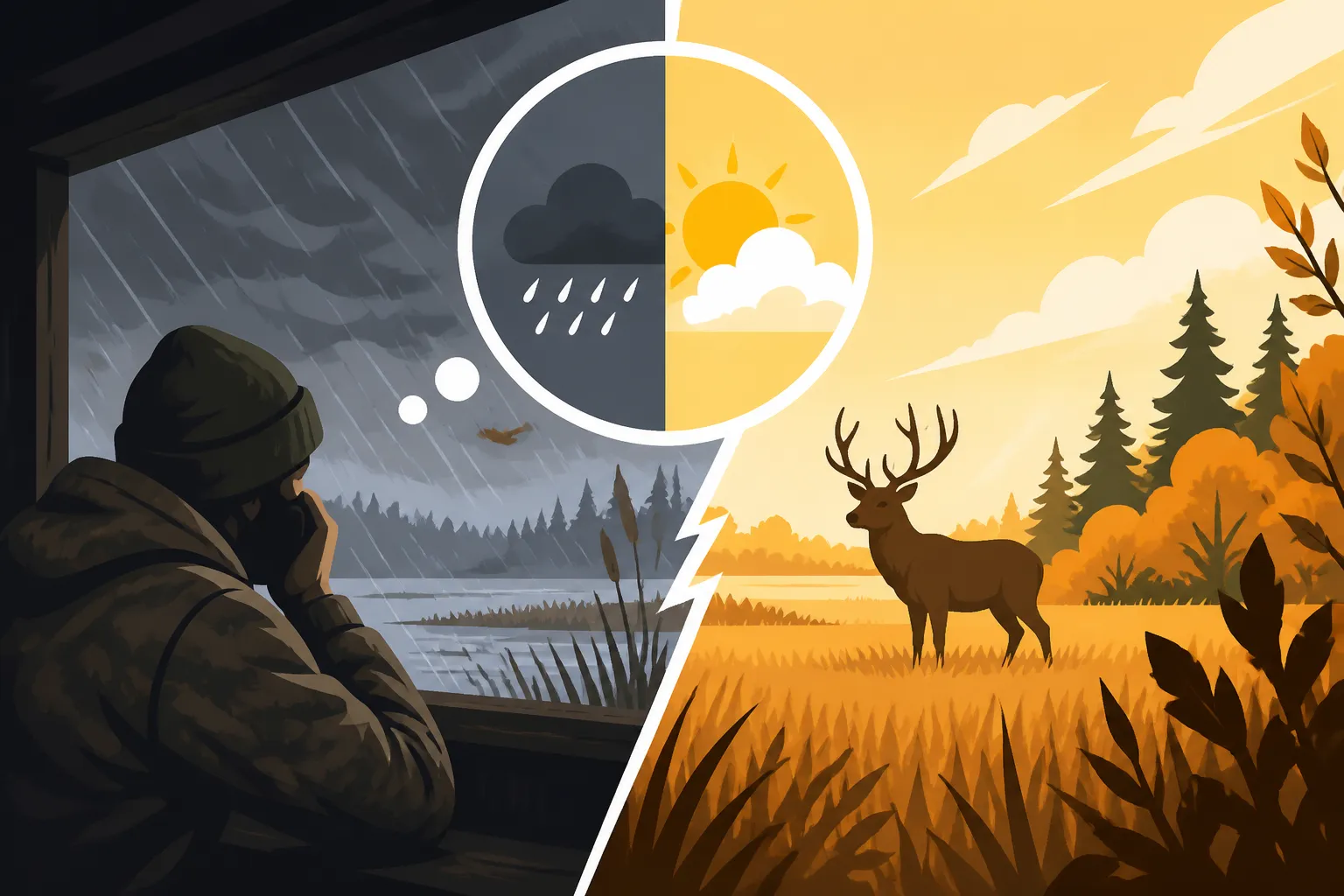
There's nothing quite like the excitement of planning a Manitoba hunting adventure – the anticipation of big woods, vast fields, or northern wilderness. But then, the dreaded happens: the weather forecast takes a turn for the worse, threatening to derail everything. This guide is here to walk you through the realistic possibilities and your potential options when Mother Nature decides to throw a curveball at your eagerly awaited hunting trip.
The Heartbreak of Weather-Ruined Hunts in Manitoba
We’ve all been there, staring at a weather app, watching the temperature plummet or a blizzard warning expand across the province, knowing deep down that our meticulously planned hunt might be in jeopardy. It’s a gut-wrenching feeling, especially when you’ve invested so much time, money, and emotional energy into the endeavor. Manitoba's weather can be notoriously unpredictable, from sudden, brutal cold snaps to unexpected heavy snowfalls, or even early thaws and severe rain that can turn roads into impassable quagmires.
When Mother Nature Throws a Wrench in Your Plans
Imagine you've booked a prime Whitetail Hunting in Manitoba trip for mid-November, dreaming of crisp air and rutting bucks. Then, a massive blizzard rolls through, dumping several feet of snow and dropping temperatures to an unsafe -30°C. Roads are closed, visibility is zero, and even if you could get to camp, sitting in a stand would be dangerous, if not impossible. Or perhaps you've planned a spring Black Bear Hunting in Manitoba adventure, but an unusually late thaw means the bears are still denned up or the access roads are flooded. These aren't just minor inconveniences; they are genuine, hunt-stopping events that can leave you feeling helpless.
It's not just the big, dramatic weather events either. Persistent high winds can make Waterfowl Hunting Manitoba's Grain Fields impossible, as birds won't fly or decoy properly. A sudden, unseasonable warm spell in late season can make Meat Care in Manitoba's Cold Snaps a serious challenge, threatening your harvest. Wildfires, while less common during prime hunting seasons, can also lead to widespread Manitoba Wildfire and Road Closures, shutting down access to vast areas of hunting land. These scenarios, though varied, all lead to the same crushing realization: the hunt you planned might not happen as intended.
The Emotional and Financial Impact on Hunters
The emotional toll of a cancelled or severely compromised hunt is often overlooked. For many, a hunting trip isn't just a leisure activity; it's a significant annual pilgrimage, a chance to reconnect with nature, friends, or family, and often the culmination of months, if not years, of saving and planning. The disappointment can be profound, especially for those traveling long distances or on a once-in-a-lifetime trip. The psychological impact of seeing your dreams wash away with a rainstorm or freeze solid in a cold front is very real.
Then there's the financial side. You've likely paid significant deposits or even the full cost for an outfitter, purchased flights, arranged accommodation, and taken time off work. What a Manitoba Guided Hunt Costs can be substantial, and those funds are on the line. While you might have spent weeks meticulously Planning a Manitoba Hunting Trip, few hunters think to plan for the worst-case weather scenario. Understanding how your investment is protected, or not protected, becomes critically important when the weather turns.
Decoding Outfitter Contracts: What Does "Weather" Really Mean?
When you book a guided hunt, you're entering into a contractual agreement. This agreement, often buried in the fine print, is your lifeline when unforeseen circumstances like extreme weather hit. It's crucial to understand these terms before you put down your deposit, rather than scrambling to interpret them when a storm is brewing.
Understanding Force Majeure and Other Clauses
Most reputable outfitters will have a "force majeure" clause in their contracts. This legal term essentially means "superior force" and covers unforeseen circumstances beyond anyone's control, such as natural disasters, government actions, or, yes, extreme weather events. What this clause often dictates is that if such an event prevents the outfitter from fulfilling their end of the agreement, they are generally not liable for damages. This doesn't necessarily mean you lose all your money, but it typically means they don't owe you a full cash refund. Instead, the clause often outlines alternatives, like rebooking at a later date, offering a credit, or moving you to another available week.
It's also worth looking for specific language around weather. Some contracts might mention minimum huntable conditions or thresholds that, if not met, trigger a specific policy. For instance, a waterfowl outfitter might have a clause stating that if sustained winds exceed a certain speed for more than two consecutive days, they offer a credit for a future hunt. This isn't just about protecting the outfitter; it's also about ensuring a safe and ethical hunting experience for you. Always ask outfitters about their specific weather policies when you're comparing options. Platforms like BookYourHunt often provide a space for outfitters to detail their cancellation and rebooking policies, which can be invaluable when doing your research.
Rescheduling vs. Cancellation: Key Distinctions
It's important to understand the difference between rescheduling and outright cancellation, as these terms often have very different financial implications.
- Cancellation: An outright cancellation usually means the hunt is off, and you are seeking to recover your funds or a portion thereof. In weather-related scenarios, a full cash refund from an outfitter is rare, especially if they are still able to operate in other weeks or if the weather event is clearly outside their control. Most outfitters rely on those bookings to stay in business, and they've already incurred costs preparing for your hunt.
- Rescheduling: This is typically the most common and preferred resolution in weather-related situations. Rescheduling means you retain your payment as a credit and rebook your hunt for a future date, often within the same or subsequent hunting season. The outfitter usually tries to accommodate you, perhaps shifting you to another available week that year or rolling your deposit over to the next year. You might be asked to pay an administrative fee, or there could be limitations on when you can rebook (e.g., excluding prime rut weeks if your original booking was for a less desirable time).
Always clarify with your outfitter what their specific rebooking terms are. Is it a one-time reschedule? Is there an expiry on the credit? Are you responsible for any price differences if the rates change in the new season? These are critical questions to ask to ensure you fully understand your options.
Your Options When the Weather Turns Sour
So, the worst has happened, and your hunt is looking grim due to the weather. Don't panic! While the situation is frustrating, you usually have a few avenues to explore.
Open Communication with Your Outfitter
The absolute first step is open, honest, and calm communication with your outfitter. They are typically seasoned professionals who have dealt with challenging weather before, and they understand the disappointment you're feeling. Get in touch with them as soon as you see a significant weather threat. Don't wait until the last minute. This early dialogue allows both parties to assess the situation, discuss alternatives, and potentially make arrangements before it's too late.
- Ask about their current situation: Are other hunters impacted? What are the local conditions like? Are they anticipating the weather system to pass quickly, or is it a long-term issue?
- Discuss their policy: Reiterate what their contract states about weather cancellations or postponements. Ask for clarification on anything you don't understand.
- Explore alternatives: Can you shift your dates by a few days? Is there another GHA they operate in that might be less affected? Can they offer you a spot in the following season?
Remember, outfitters want you to have a successful hunt and return as a client. They often value their reputation greatly, and many will go above and beyond to find a fair solution. Maintaining a positive and understanding attitude, even when you're frustrated, can go a long way in reaching a favourable outcome.
The Role of Hunting Trip Insurance
This is a big one, and often overlooked until it's too late. Hunting trip insurance is designed specifically to protect your financial investment in a hunt from various unforeseen circumstances, including severe weather. Just like travel insurance for a vacation, these policies can cover non-refundable deposits and payments if your trip is cancelled or interrupted due to events specified in the policy.
- Trip Cancellation: If the weather event is severe enough to cause your outfitter to cancel the trip entirely, or if local authorities issue travel warnings making it impossible or unsafe for you to reach your destination (like when Manitoba Late When Roads Drift In), trip cancellation insurance can reimburse your non-refundable costs.
- Trip Interruption: If you're already on your hunt and severe weather forces an early departure or prevents hunting for a significant portion of the trip, trip interruption coverage can provide reimbursement for unused portions of your package or additional costs incurred to return home.
- Specific "Cancel for Any Reason" (CFAR) Coverage: Some premium policies offer a CFAR option. While more expensive, this allows you to cancel your trip for any reason (including simply deciding you don't want to hunt in terrible weather, even if the outfitter is still operating) and recover a percentage of your non-refundable costs. This provides the ultimate flexibility.
Always read the policy's fine print carefully to understand what is covered, what exclusions apply, and what the claims process entails. It’s an investment, but one that can offer immense peace of mind. Many hunters find specific trip insurance for their hunting adventures through specialized providers.
Exploring Rebooking and Credit Possibilities
As discussed, rebooking is often the most common outcome. If your outfitter offers a credit for a future hunt, consider these points:
- Validity Period: How long is the credit valid? One year? Two years? Make sure it aligns with your future hunting plans.
- Peak vs. Off-Peak: If your original hunt was during a prime time (like Hunting the Rut in Early to Mid November), will your credit allow you to rebook during a similar peak period, or will you be relegated to less desirable dates? This can significantly impact your hunting experience.
- Price Adjustments: If you rebook for a subsequent season, are you locked into your original price, or will you be subject to any price increases? Clarify this upfront.
- Transferability: Can you transfer your credit to another hunter if you absolutely cannot make a future date work? This is less common but worth asking if you're in a bind.
Outfitters want happy clients, and working with you to find a suitable rebooking option is usually in their best interest. They often have specific strategies for how they manage these situations to ensure fairness to both parties. For example, some might allow you to switch to a different species hunt they offer if it better suits the available dates.
Proactive Planning: Minimizing Risk Before You Go
While you can't control the weather, you can certainly take steps to minimize the financial and emotional impact if it decides to turn against your hunting plans. A little foresight goes a long way.
Researching Climatic Trends and Seasonality
Before you even book, do your homework on the typical weather patterns for your chosen hunting area and season in Manitoba. While historical data isn't a guarantee, it can give you a solid idea of what to expect. For instance, if you're planning a late-season Rifle Hunting Manitoba's Whitetail Rut, you should anticipate potential for extreme cold and heavy snow. If you're heading North for Barren-Ground Caribou Hunting in Northern Manitoba in August, you'll want to know about potential for high winds and early snow flurries.
Consider these resources:
- Historical Weather Data: Online weather archives can show you average temperatures, precipitation, and extreme weather events for specific dates in past years for your chosen GHA.
- Outfitter Experience: Ask your potential outfitter about their experience with severe weather and how often it impacts their hunts. A reputable outfitter will be honest and transparent.
- Local Reports: Check local Manitoba hunting forums or social media groups for insights from other hunters who frequent the area during your intended season.
This research can help you choose the best time to go, or at least prepare you mentally and physically for what might come. For example, knowing that Manitoba's Winter Kill and Game Numbers can be influenced by severe cold might inform your expectation for deer activity.
Leveraging Booking Platforms for Informed Decisions
Online platforms designed for booking hunting trips can be incredibly helpful in this regard, especially with due diligence on an outfitter's policies. Websites like BookYourHunt allow you to browse various outfitters, often with detailed descriptions of their operations, including their cancellation policies. Similarly, while GoHunt is often focused on drawing tags and Western hunts, the principle of thorough research applies. You can read reviews from other hunters who have booked with a specific outfitter. Look for comments that mention how the outfitter handled unexpected situations or weather disruptions. This peer feedback is golden and can provide real-world insights into an outfitter's flexibility and customer service when things don't go perfectly.
When you're comparing different operations, pay close attention to the following:
| Policy Aspect | What to Look For | Why It Matters |
|---|---|---|
| Force Majeure Clause | Clear definition of "act of God" events; outlines rebooking/credit terms. | Dictates what happens in case of uncontrollable events like severe weather. |
| Cancellation Policy | Specifics on deposit refunds, credit options, and deadlines. | Protects your financial investment if the trip can't proceed. |
| Rescheduling Options | Flexibility for date changes; expiry of credit; potential fees. | Offers a pathway to salvage your hunt if original dates are impacted. |
| Insurance Requirement | Does the outfitter recommend or require travel/trip insurance? | Shows their awareness of risks and encourages your financial protection. |
| Communication Plan | How and when they will contact you regarding potential disruptions. | Ensures you are informed and can make timely decisions. |
Building Flexibility into Your Travel Logistics
Beyond the outfitter's policies, you can build flexibility into your own travel arrangements.
- Flexible Flights/Accommodation: If possible, choose airlines and hotels that offer free changes or cancellations. While often slightly more expensive, this can save you a bundle if your hunt dates shift due to weather.
- Extra Travel Days: Add a buffer day or two at the beginning and end of your trip. This gives you leeway if roads are closed or flights are delayed. Trying to Get a Deer Out on a Frozen Trail or flying home immediately after a challenging hunt in adverse weather is no fun, so a day to decompress or deal with travel issues is invaluable.
- Backup Plans: What if your primary access route is closed? Do you have an alternate way to reach your GHA, or a backup hunting spot on public land like a Manitoba Wildlife Management Area if your private land access is cut off? Knowing your options can greatly reduce stress.
- Local Contacts: If you're hunting independently, having a local contact who can give you real-time updates on road conditions or local weather can be a lifesaver. This is especially true when heading into more remote areas where Manitoba Cell Coverage Ends.
While a weather-ruined hunt is a definite bummer, it doesn't have to be a total loss. By being proactive, understanding your agreements, and leveraging available resources, you can navigate these challenges with confidence and hopefully, eventually, find yourself back in the Manitoba bush, pursuing the hunt you've always dreamed of.
Disclaimer
This article is for general informational purposes only and does not constitute professional advice. Laws, prices and regulations vary by location and change over time. Consult a qualified professional for guidance on your specific situation.