Hunting a Cattle Pasture Draw
Cattle pasture draws in Manitoba agricultural landscapes provide whitetail deer with vital cover, travel corridors, and winter shelter.
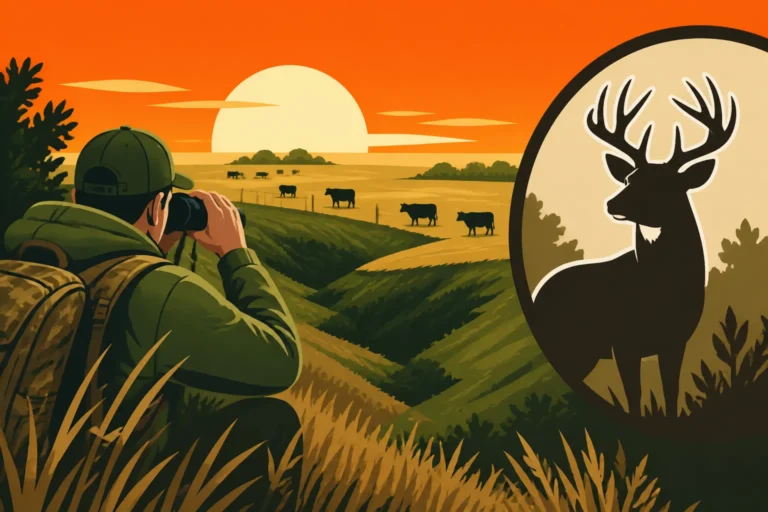
Cattle pasture draws in Manitoba agricultural landscapes provide whitetail deer with vital cover, travel corridors, and winter shelter.
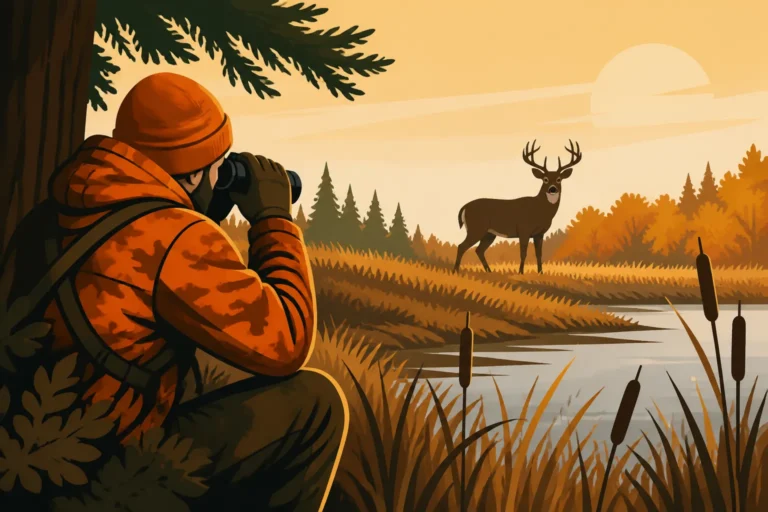
Manitoba whitetail deer hunting strategies explain how to identify slough edges, cattails, willow bushes, bedding areas, and travel corridors.
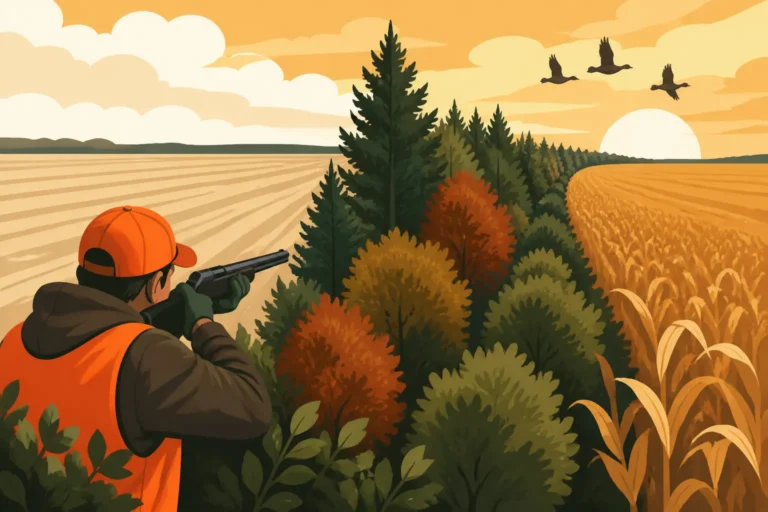
Shelterbelts between Manitoba agricultural fields provide whitetail deer with crucial cover and travel corridors for successful hunting.
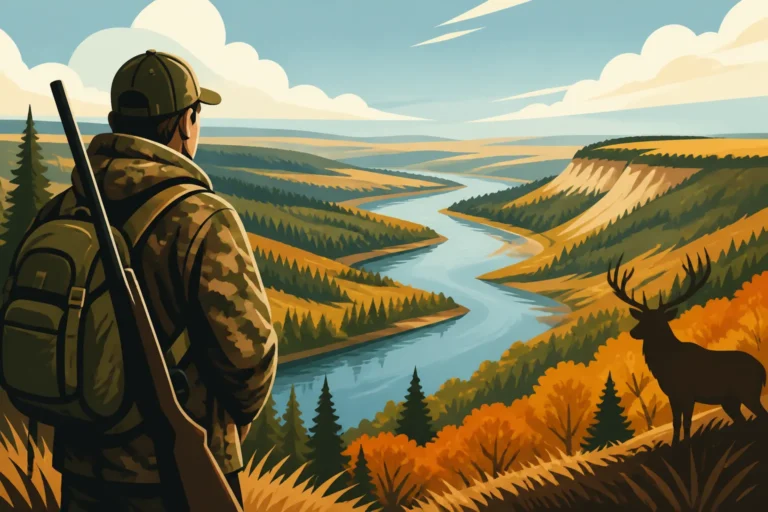
Manitoba river valleys provide deer, elk, and black bears with water, food, and cover, creating unique challenges for big game hunters.
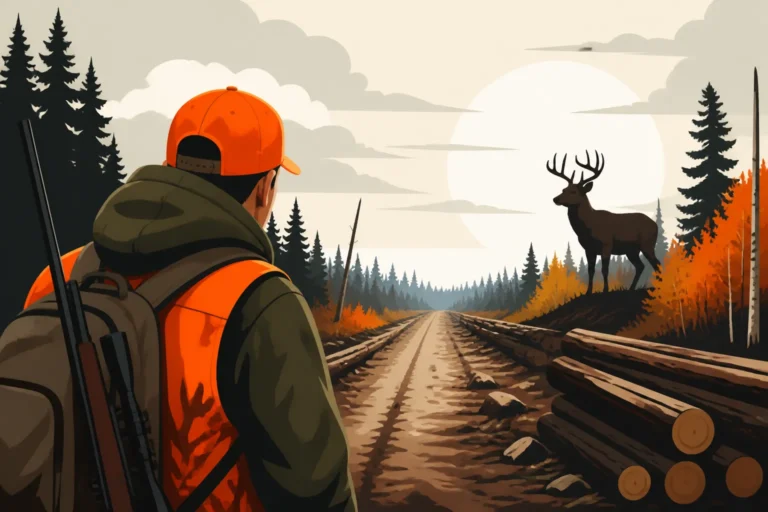
Old logging roads in Northern Manitoba act as natural travel corridors and feeding zones for big game animals like moose and bears.
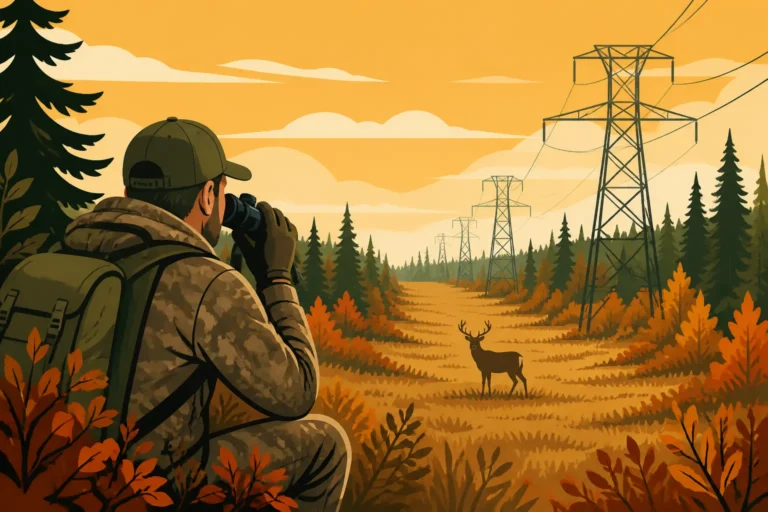
Hydro line rights-of-way in Manitoba provide deer and black bears with natural travel corridors and valuable feeding areas.
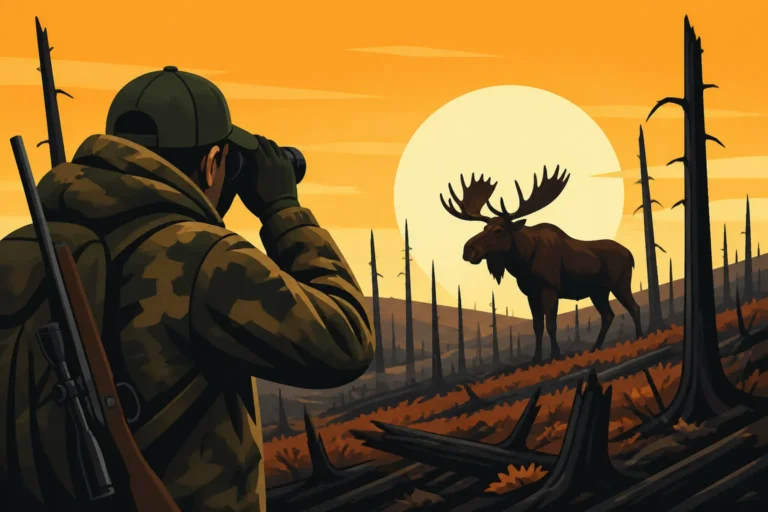
Manitoba boreal wildfire burn blocks provide nutrient-rich forage and new plant growth that attract moose, caribou, and bears.
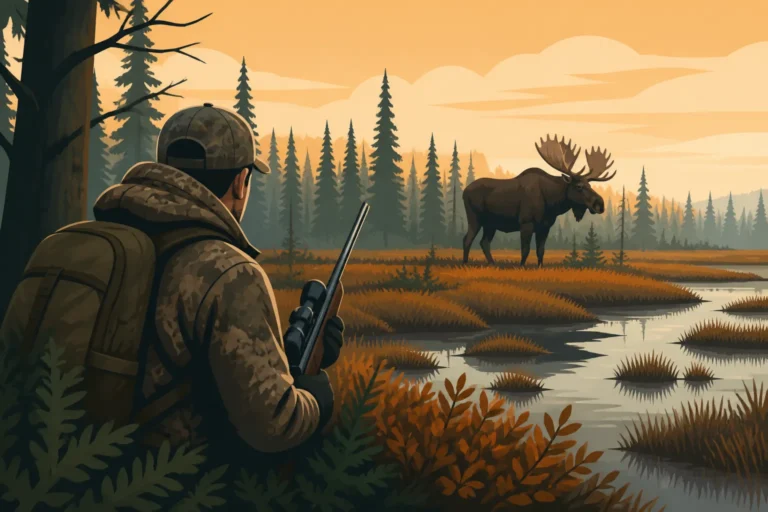
Boreal muskeg edges in Manitoba provide diverse food and cover, creating predictable travel corridors for big game animals.
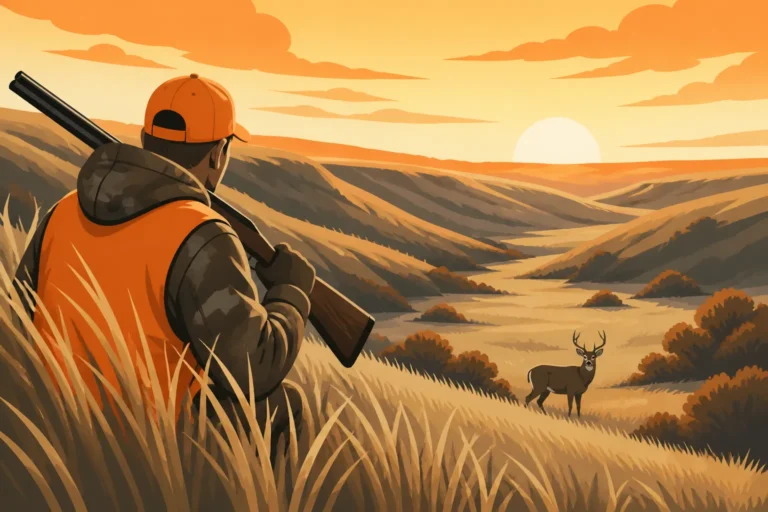
Prairie coulee bottoms provide Manitoba whitetails with thermal cover, food, and water, concentrating wildlife for successful hunting.
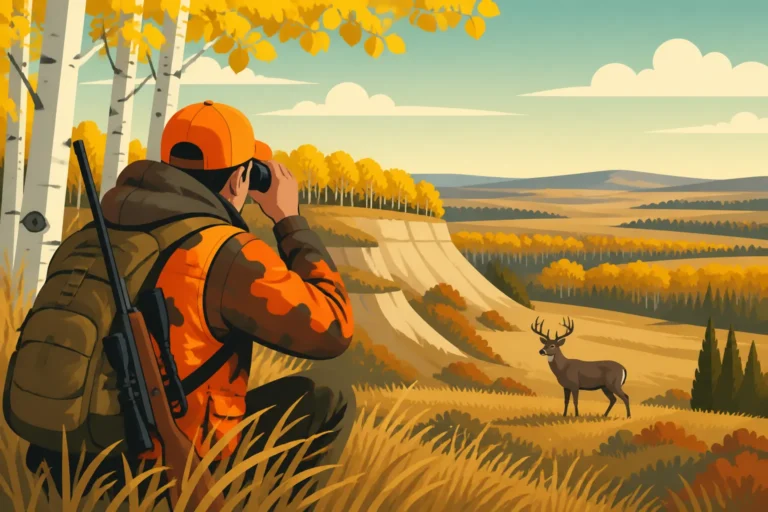
Manitoba white-tailed deer hunting strategies for aspen parkland bluffs explain how to locate mature bucks in transitional zones.