Hunting a Poplar Bluff at First Light
Manitoba poplar bluffs provide whitetail deer with vital food and cover, offering hunters prime morning locations for harvesting bucks.
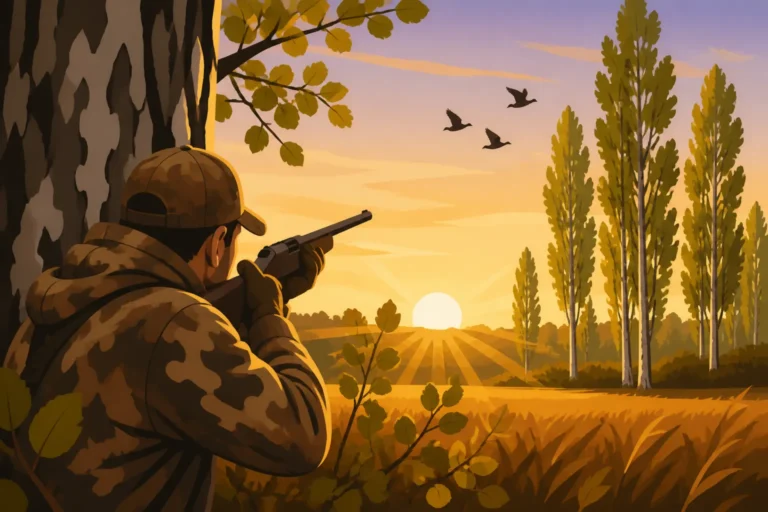
Manitoba poplar bluffs provide whitetail deer with vital food and cover, offering hunters prime morning locations for harvesting bucks.
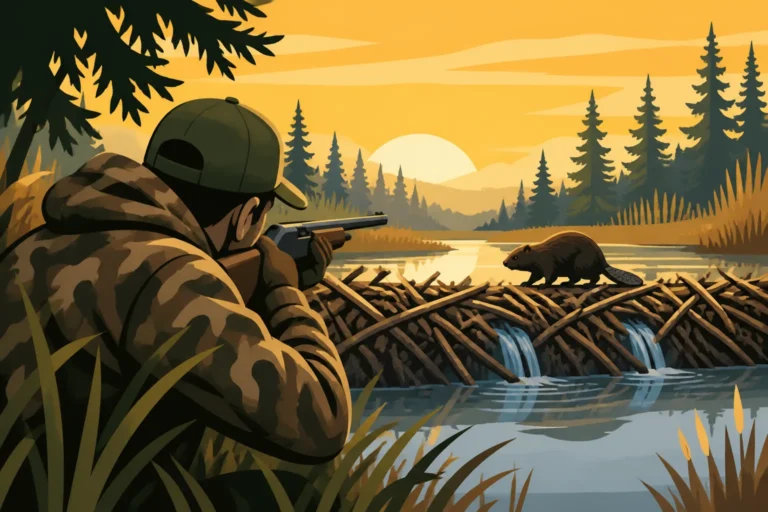
Beaver dam crossings in Manitoba act as natural wildlife funnels, concentrating deer and moose movement for hunters during the archery season.
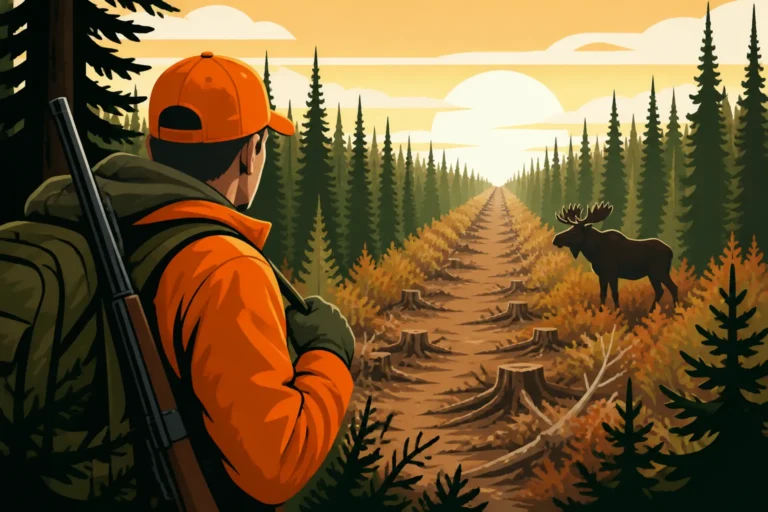
Old trapline cuts in Manitoba provide natural travel corridors, edge habitat, and strategic cover for deer, moose, and bears.

Planning a remote fly-in hunt in Manitoba involves managing logistical challenges, unpredictable weather, and gear weight restrictions.

Manitoba Shield Country rock ridges serve as natural travel corridors and bedding areas for whitetail deer and black bears.

Manitoba hunters targeting the Assiniboine River corridor learn habitat identification, access points, regulations, and whitetail deer patterns.

Pembina Valley hunting strategies explain how deer use elevation, thermal cover, deep ravines, and agricultural field transitions.
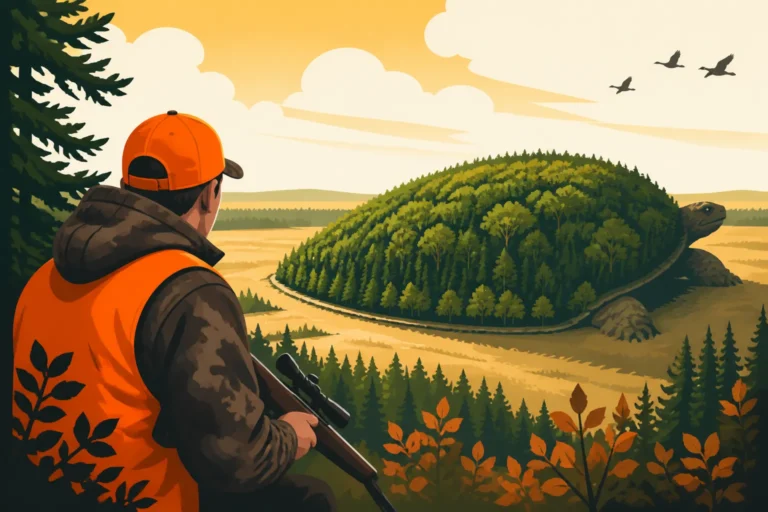
Turtle Mountain timber pockets in Manitoba offer deer dense cover, requiring practical strategies to locate and harvest bucks successfully.
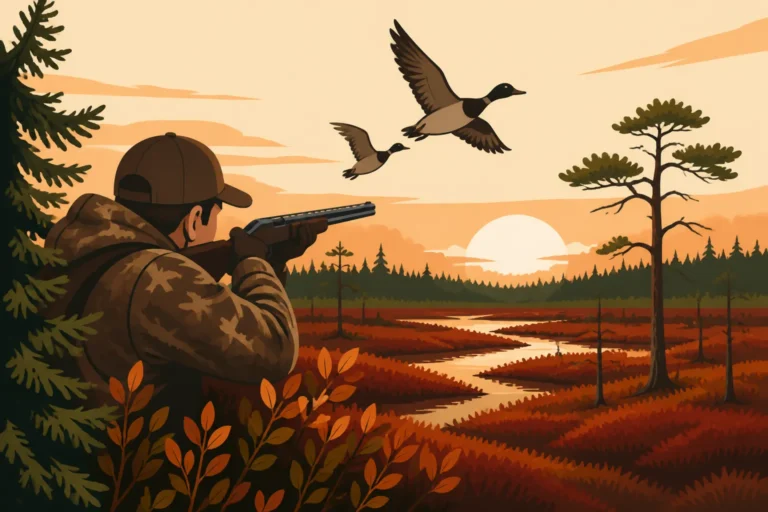
Manitoba peat bog edges offer hunters transitional zones that concentrate game into predictable travel corridors and feeding grounds.
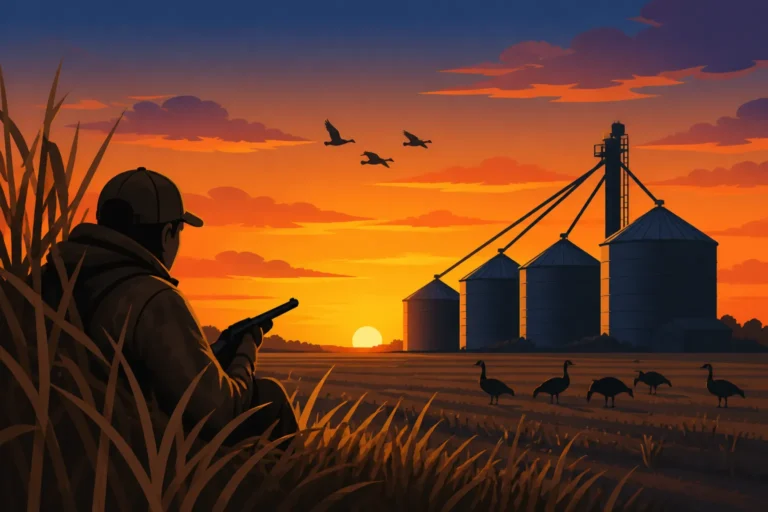
Manitoba grain bin yards attract whitetails at dusk with spilled food, offering hunters unique deer scouting opportunities.