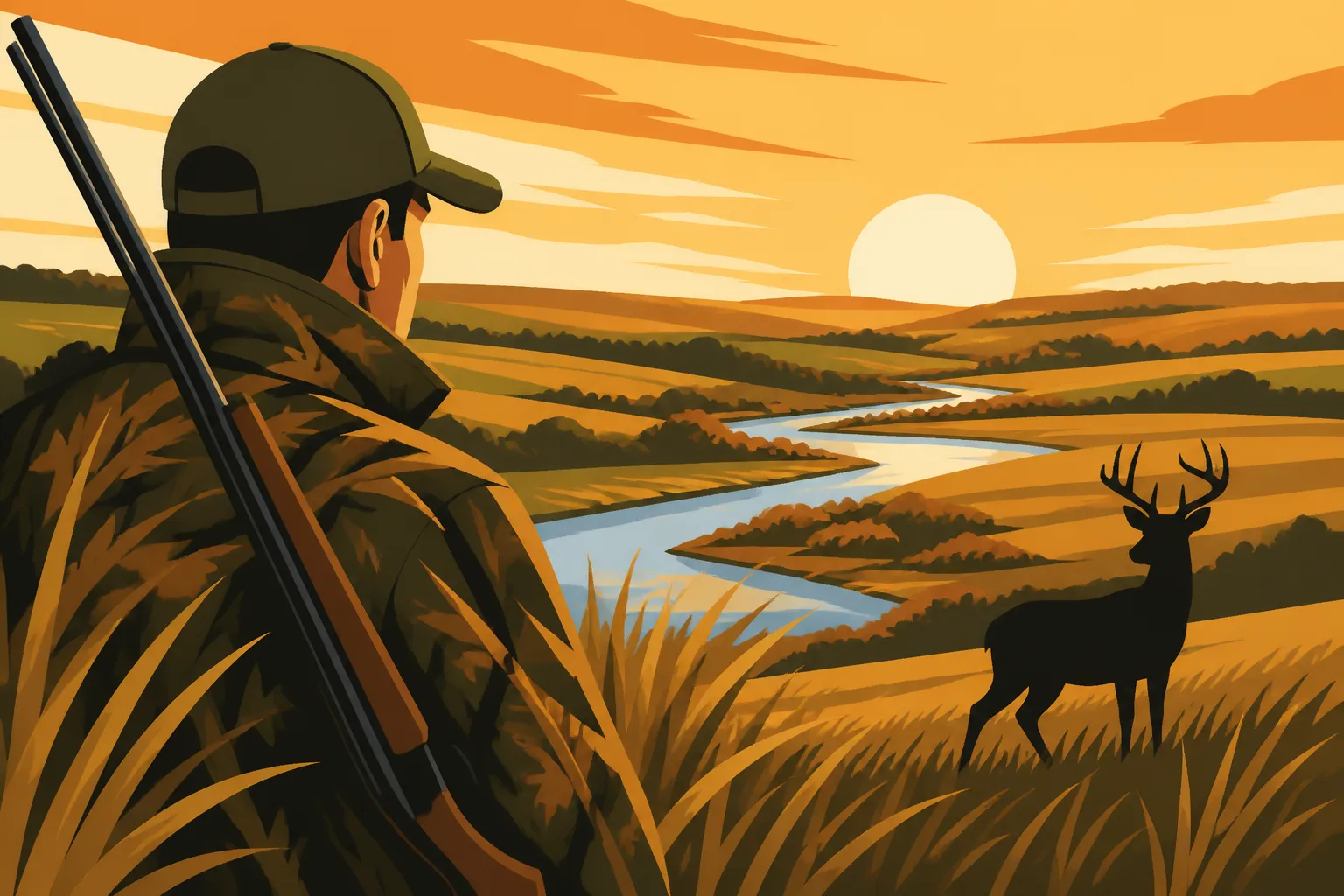
Hunting Manitoba’s Pembina Valley
It's a common frustration for hunters trying to unlock the potential of a new area: you hear whispers of big deer or excellent bird hunting, but the specifics are always vague. The Pembina Valley in Manitoba is one of those places – a truly unique landscape that promises much but reveals its secrets slowly. This comprehensive guide is designed to cut through the guesswork, helping you understand the terrain, target key species, navigate access, and develop effective strategies for hunting success in this remarkable part of the province.
Understanding the Pembina Valley's Unique Landscape for Hunters
The Pembina Valley isn't your typical flat prairie or dense boreal forest. It's a land of contrasts, carved by ancient glaciers and the meandering Pembina River, creating a mosaic of steep slopes, wooded bluffs, and rich agricultural fields. This diverse topography is precisely what makes it such an attractive habitat for a variety of game, particularly whitetail deer. Understanding these distinct features is your first step to unlocking a successful hunt.
The Steep Slopes and River Breaks
When you think of the Pembina Valley, the first image that comes to mind for many is its dramatic slopes and river breaks. These aren't just pretty scenery; they're vital deer habitat and a tactical advantage for hunters who know how to read them. The Pembina River, along with its numerous tributaries, has cut deep coulees and ravines into the landscape, forming natural travel corridors, bedding areas, and escape routes for game. The sheer face of some of these slopes can be daunting, but they often hold pockets of thick brush and timber that offer excellent thermal cover, especially during colder months or when prevailing winds sweep across the open prairie.
Deer will use these breaks to move undetected from bedding areas on higher ground to feeding areas in the valley bottom or adjacent fields. They offer a natural funnel system. Glassing these slopes from a distance at first light or last light can reveal deer movements as they transition. However, hunting these areas often means physical exertion. You'll be climbing in and out, so fitness and appropriate gear are paramount. Look for benches or subtle changes in contour along the slopes where deer might pause, browse, or even bed down, especially if it offers a clear view downwind. Understanding these micro-features, often overlooked, can be the key to intercepting a mature buck.
Wooded Bluffs and Agricultural Edges
Beyond the immediate river breaks, the Pembina Valley landscape is punctuated by numerous wooded bluffs that rise above vast expanses of agricultural land. These bluffs, often a mix of deciduous trees like aspen and oak, provide crucial cover in an otherwise open environment. Deer, especially mature bucks, feel secure in these timbered islands, bedding down during the day and emerging at dusk to feed in the surrounding corn, soybean, canola, or alfalfa fields. The transition zones, or "edges," where these woods meet the fields, are absolute magnets for deer activity.
These edges aren't just about where the forest stops and the field begins; they include shelterbelts, fencelines, and even old farmstead remnants that offer additional cover and food sources. Hunting a Shelterbelt Between Two Fields is a classic Pembina Valley tactic, as deer will use these linear features for travel and browsing. Hunters often focus on pinch points where these wooded areas narrow, or where two distinct cover types converge. Scouting these edges for fresh tracks, rub lines, and scrapes is essential. The trick is often finding a stand location that offers good concealment while allowing you to intercept deer as they exit the cover, without spooking them back into the thick stuff. The wind, as always, is your ultimate guide in these situations.
Water Features and Their Influence on Game
While the Pembina River is the dominant water feature, the valley region is also dotted with countless smaller sloughs, creeks, and dugouts. These water sources are invaluable to wildlife, especially in drier years, and their presence significantly influences game movement and concentrations. Deer need water, and they will establish travel patterns that incorporate readily available sources. In addition, the vegetation around these water features often differs from the surrounding uplands, providing unique food sources and thicker bedding cover.
Hunting near these water features can be particularly effective during dry spells or late in the season when other water sources freeze. Look for trails leading to and from sloughs or creek bottoms. Beavers are also active in many of these areas, and their dams can create small ponds and flowages that attract various animals. Waterfowl, too, will concentrate on larger sloughs and the river itself, offering additional hunting opportunities beyond big game. When Hunting a Frozen Slough Crossing in late season, tracks in the snow can tell you exactly where deer are concentrating their movements. Always remember that while water attracts game, it can also create challenging terrain, especially during breakup or after heavy rains, so always assess conditions before venturing into these areas.
Prime Game Species and What Draws Them to the Valley
The Pembina Valley is a biological hotspot thanks to its varied landscape, attracting a diverse array of wildlife. While it's known primarily for one particular big game species, there are plenty of other opportunities for hunters willing to explore the varied habitat. Understanding what species thrive here and why will help you tailor your hunting approach.
Whitetail Deer: The Valley's Crown Jewel
Without a doubt, whitetail deer are the undisputed kings of the Pembina Valley. The combination of dense river bottom cover, expansive agricultural fields, and scattered wooded bluffs creates an ideal environment for these adaptable animals. They have everything they need: ample food, secure bedding, and endless escape routes. The valley is known for producing some truly impressive bucks, both in body size and antler development, thanks to the rich forage available from agricultural crops. Why Manitoba Bucks Grow Heavy Bodies is evident here, as the deer thrive on corn, soybeans, and other nutrient-rich crops.
Hunters often find success here by focusing on transition areas where deer move between their bedding cover in the river breaks or bluffs and their evening feeding grounds. Funnels, pinch points, and natural travel corridors created by the terrain are prime locations for stand placement. The deer here can be notoriously cagey, especially the older bucks, due to hunting pressure. They've learned to use the terrain to their advantage, often skirting open areas and sticking to the thickest cover. Patience, meticulous scouting, and an understanding of how deer use the wind and terrain are crucial for success. During the rut, the valley can come alive, and bucks become more vulnerable as they search for does, making Hunting the Rut in Early to Mid November a prime time.
Upland Birds and Waterfowl Opportunities
While big game often takes center stage, the Pembina Valley also offers fantastic opportunities for bird hunters. The mix of brushy cover, native grasslands, and agricultural fields provides excellent habitat for various upland species. Sharp-tailed grouse are a common sight in the prairie fringes and brushy clearings, often found flushing from native grasses or along field edges. Hungarian partridge also thrive in the agricultural landscape, often holding tight in stubble fields, shelterbelts, or along the edges of standing crops. These fast-flying birds offer a challenging and rewarding hunt, especially with a good pointing dog. Hunting Hungarian Partridge on Manitoba Farms is a classic hunt in this region.
For waterfowl enthusiasts, the numerous sloughs, potholes, and the Pembina River itself act as magnets for migrating ducks and geese. Depending on the time of year, you might encounter various dabbling ducks like mallards, pintails, and wigeons, as well as Canada geese and specklebellies passing through on their southbound migration. Scouting fields for feeding birds is essential for goose hunting, while jump-shooting smaller potholes or setting up blinds near larger sloughs can be productive for ducks. Remember, migratory bird hunting often requires a federal permit in addition to your provincial license, and non-toxic shot is mandatory for waterfowl.
Predator Hunting in the Pembina Basin
The abundance of deer and other small game in the Pembina Valley naturally attracts predators. Coyotes are prevalent across the agricultural landscape and throughout the river breaks. Their opportunistic nature means they're constantly on the prowl, often following deer trails or looking for rodents in the fields. For hunters looking for an additional challenge or to manage local predator populations, calling coyotes can be a thrilling experience. Calling Coyotes at First Light in the valley can yield exciting results, as they often move in the cooler hours.
Successful predator hunting in the valley often involves a combination of tactics: early morning or late evening stands overlooking fields or travel corridors, and strategic calling to bring them into range. The varied terrain, with its dips, rises, and cover, can make it tricky to spot them, but also provides good ambush points. Understanding wind direction is paramount, as coyotes have an incredibly keen sense of smell. While less common, wolves are occasionally encountered in the more remote or heavily timbered parts of the valley, especially further west where the Pembina transitions into more continuous forest. Always check the regulations for specific seasons and limits for all predator species.
Navigating Access: Crown Land, Private Land, and Permission
Hunting in the Pembina Valley, like much of Manitoba's prime hunting ground, often involves a mix of public and private land. This reality can be one of the biggest challenges for hunters. It's crucial to understand the rules of access, how to identify different land types, and the best practices for securing permission on private property. Respecting land ownership is not just good etiquette; it's the law and essential for maintaining positive hunter-landowner relations.
Identifying Public vs. Private Holdings with Mapping Tools
The first step to navigating the Pembina Valley's mosaic of land ownership is accurate mapping. While some areas might have easily identifiable Crown Land blocks, much of the valley is privately owned, especially the productive agricultural areas. Relying on outdated paper maps or guesswork can quickly lead to trespassing. This is where modern digital mapping applications become indispensable. Tools like onX Hunt have revolutionized how hunters approach land access. They provide detailed satellite imagery overlaid with property lines, land ownership information, and designations for Crown Land, Wildlife Management Areas (WMAs), and other public access zones.
Before you even leave home, you can use these apps to scout potential hunting spots. Identify large blocks of Crown Land, look for publicly accessible river corridors, or pinpoint smaller, overlooked pockets that might offer opportunities. Reading Manitoba GHA Map Before You Go in conjunction with a digital mapping tool will give you an unparalleled advantage. Plot your routes, mark potential stand locations, and most importantly, clearly delineate the boundaries between public and private land. Having this information at your fingertips in the field, even in areas without cell service, can prevent accidental trespassing and save you a lot of grief.
Building Relationships with Landowners
Given the prevalence of private land in the Pembina Valley, securing permission from landowners is often the key to unlocking the best hunting spots. This isn't just about knocking on a door the morning of your hunt; it's about building relationships. Start early, well before the season opens. Dress respectfully, be polite, and introduce yourself clearly. Explain what you're hoping to hunt and assure them you'll be safe and respectful of their property. Many farmers deal with crop damage from deer and elk, so approaching them as a potential solution to a problem can sometimes be a good angle.
Offer to share your harvest, help with chores, or simply check on their property while you're out there. Some landowners are receptive, others might have already given permission to friends or family, and some simply don't want hunters on their land – and you must respect that. Always carry a written permission slip that includes dates, your contact info, and the landowner's signature. This protects both you and the landowner. Remember, Knocking on Doors in Manitoba Farm Country might feel intimidating at first, but a friendly, respectful approach goes a long way. Always leave gates as you found them, avoid driving on wet fields, pack out all your trash, and thank them profusely whether you get a deer or not. A good relationship today can lead to hunting opportunities for years to come.
Road Access and Off-Road Considerations
Accessing hunting areas in the Pembina Valley presents its own set of challenges and considerations. The main valley roads provide good access to many areas, but getting off the beaten path often requires more thought. Many of the river breaks and bluffs are accessible via old farm trails, logging roads, or even just walking paths. However, knowing the rules for vehicle use on Crown Land and private property is essential. Not all trails are open to ATVs or UTVs, and driving off-road, especially on private property without explicit permission, is a serious violation. Quad and Side-by-Side Rules on Crown Land vary, so always consult the latest regulations.
In wet conditions, many dirt roads and field approaches can become impassable, or driving on them can cause significant damage, upsetting landowners. Always be mindful of the weather and ground conditions. Parking your vehicle in a way that doesn't obstruct traffic or block field access is also a sign of respect. Sometimes the best access is simply parking legally and walking in. The valley's terrain can be steep and rugged, meaning the best spots might be a good hike from the nearest accessible road. Being prepared for a walk-in hunt, carrying all your gear on your back, is often the most effective way to reach unpressured pockets of game.
Seasonal Hunting Strategies for the Pembina Valley
The Pembina Valley offers fantastic hunting throughout the fall, but the optimal strategies shift dramatically with the changing seasons. What works in the crisp days of September for archery won't necessarily be effective in the bitter cold of late November's rifle season. Tailoring your approach to the specific time of year is crucial for consistently finding success.
Early Season Archery: Spot and Stalk in Cover
The early archery season in Manitoba, often beginning in September, presents unique opportunities and challenges in the Pembina Valley. The foliage is still thick, making visibility limited, but it also provides excellent cover for hunters employing spot-and-stalk tactics. During this time, deer are primarily focused on food, often moving between their dense bedding areas in the river breaks and bluffs, and the abundant agricultural fields. Water sources are also key, especially if it's a dry fall.
For early season, focusing on the edges of standing crops like corn or alfalfa, or the fringes of apple orchards and other soft mast trees, can be highly productive. Deer patterns are often more predictable before heavy hunting pressure scatters them. Glassing fields from a distance at dawn and dusk to identify entry and exit points is critical. Once deer are located, a careful stalk, using the terrain and vegetation for cover, can get you within bow range. This requires patience, stealth, and a keen eye for wind direction. Stand hunting over known food plots or travel corridors near bedding areas is also effective, especially on cooler evenings. When Manitoba's Archery Season Opens is a great time to be out, but be prepared for mosquitoes and warm weather.
The Whitetail Rut: Calling and Stand Hunting
Late October and, most significantly, November, herald the whitetail rut in the Pembina Valley, transforming deer behavior and opening up new hunting strategies. This is when bucks are actively seeking does, often abandoning their cautious, nocturnal habits and moving during daylight hours. This period is the prime time for many big game hunters, offering the best chance to encounter a mature buck on its feet. Hunting the Rut in Early to Mid November is a highly anticipated time for a reason.
During the rut, bucks will expand their range, checking traditional scrape lines and rub routes. Focusing on bottlenecks and funnels, where does are likely to travel between bedding and feeding areas, becomes paramount. Ridge tops, saddles, and benches overlooking the river breaks are excellent places for stand placement. Aggressive tactics like rattling and grunting can be highly effective in drawing curious or territorial bucks into range. Setting up a decoy can also add realism to your calling sequence. Patience is still a virtue, as bucks might cruise through an area randomly. Sitting all day, especially in a good funnel, significantly increases your odds during the peak of the rut.
Late Season Challenges and Opportunities
As November transitions into December and beyond, the Pembina Valley plunges into the late season, often characterized by colder temperatures, snow, and diminished daylight. Many areas offer extended deer seasons, providing additional opportunities, but these hunts come with their own set of challenges. Deer patterns revert to focusing heavily on food and thermal cover, often yarding up in the thickest timber or standing crops to conserve energy. Hunting the Late December Season requires a different mindset and gear.
Identifying winter food sources, such as standing corn fields, brassicas, or even residual alfalfa, becomes the primary scouting objective. Deer will congregate in areas that offer both food and dense cover to escape the elements. The river breaks, with their sheltered bottoms and thick brush, provide crucial thermal protection. Tracking deer in fresh snow can be an incredibly effective late-season tactic, revealing fresh sign and precise travel routes. However, proper clothing for extreme cold is non-negotiable. Layers, insulated boots, and a warm blind are essential for comfort and safety when Hunting Whitetails at Thirty Below. Patience and the ability to withstand the cold will often be rewarded with a late-season trophy.
Essential Gear and Tactics for a Pembina Valley Hunt
Hunting in the Pembina Valley requires more than just a hunting license and a firearm; it demands specific gear and thoughtful tactics to contend with its unique terrain and often-unpredictable weather. Being prepared for anything will not only make your hunt more comfortable but also significantly increase your chances of success and safety.
Footwear and Layering for Varied Terrain
The Pembina Valley's terrain can be incredibly deceptive. One moment you're walking across a flat agricultural field, the next you're navigating steep, slippery river breaks or traversing muddy slough bottoms. This varied landscape necessitates specific footwear choices. Sturdy, waterproof boots with excellent ankle support and aggressive tread are non-negotiable. Look for boots that are comfortable for long walks, provide insulation for cold weather, and can handle slick conditions on slopes or through wet vegetation. There's nothing worse than wet, cold feet when you're miles from your truck.
Layering your clothing is equally critical, as Manitoba weather can change on a dime. Early season hunts might start mild but end with a sharp drop in temperature. Late season hunts demand extreme cold weather gear. A base layer for wicking moisture, a mid-layer for insulation, and an outer shell that is waterproof, windproof, and breathable are essential. Being able to add or shed layers as your activity level changes or the weather shifts will keep you comfortable and focused. Avoid cotton, which absorbs moisture and loses its insulating properties when wet. Wool or synthetics are far superior.
Scouting Smarter with Technology
Gone are the days when scouting was solely done by foot. While boots-on-the-ground scouting remains invaluable, technology can provide a massive head start, especially in a diverse landscape like the Pembina Valley. As mentioned earlier, mapping apps like onX Hunt are game-changers. They allow you to virtually explore the landscape, identify property boundaries (crucial for Manitoba Landowner Permission Law), locate potential bedding areas, food sources, and travel corridors, all from the comfort of your home. You can mark waypoints, measure distances, and even identify subtle changes in elevation that might create deer funnels. Scouting With Satellite Imagery in Manitoba is a must.
Trail cameras are another powerful tool. Strategically placed in areas of suspected deer activity, they can confirm game presence, identify specific animals (like a target buck), and establish patterns of movement. They are particularly useful near bait sites (where legal), pinch points, or food sources. Keep in mind that checking trail cameras too frequently can spook deer, so aim for infrequent checks during daylight hours, ideally when you're already passing through the area for another purpose. Combining digital mapping with trail camera intelligence creates a robust scouting strategy that maximizes your time and effort in the field.
Wind and Weather: Reading the Valley's Mood
In any hunting scenario, understanding the wind is paramount, but in a valley system like the Pembina, it takes on even greater importance. The terrain itself can create unpredictable wind currents, swirling and funneling in ways that might not be obvious on flat ground. Wind direction dictates everything: your approach to a stand, your stand placement, and whether a spot is even huntable on a given day. A swirling wind will carry your scent to every corner of the valley, alerting deer long before you ever see them. Always carry a wind checker and pay close attention to how the wind is behaving at your specific location.
Beyond wind, monitoring general weather patterns is crucial. A warm front can invigorate deer movement, while a sudden cold snap might send them seeking the thickest cover. Snowfall can reveal fresh tracks and push deer towards specific food sources or thermal bedding. Rain can mute your sound but also make tracking difficult. Using reliable weather apps that provide hyper-local forecasts is a smart move. Understanding how different weather conditions influence deer behavior in the Pembina Valley will allow you to adapt your strategy, hunt smarter, and increase your chances of being in the right place at the right time. Hunting Safely in Deep Winter Cold requires careful planning around forecasted temperatures and wind chill, as frostbite can set in quickly.
Pembina Valley Hunting Regulations and Best Practices
While the Pembina Valley offers fantastic hunting opportunities, it’s still Manitoba, and that means adhering to all provincial hunting regulations. Specific rules regarding Game Hunting Areas (GHAs), weapon choices, season dates, and reporting requirements must be followed to ensure a legal and ethical hunt. Ignoring these can lead to fines, loss of privileges, and damage the reputation of all hunters.
Understanding GHA Boundaries and Species-Specific Rules
The Pembina Valley falls within specific Game Hunting Areas (GHAs), and it's absolutely critical to know which GHA you are hunting in, as regulations can vary significantly from one GHA to another. Things like season dates, bag limits, and even the legality of certain weapon types (e.g., archery-only zones) are determined by GHA. For example, some GHAs might have an extended deer season, while others might not. Always consult the current Manitoba Hunting Guide for the specific GHA you intend to hunt. This guide is updated annually and is the definitive source for all regulations. Manitoba Whitetail Season Dates by GHA is a section you'll want to pay close attention to.
Beyond the GHA, be aware of species-specific rules. For whitetail deer, this includes antler restrictions in some areas, mandatory CWD sampling requirements in designated zones, and proper tag validation immediately upon harvest. For upland birds and waterfowl, federal regulations often come into play in addition to provincial ones, covering bag limits, possession limits, and non-toxic shot requirements. If you're targeting predators like coyotes or wolves, confirm their open seasons and any specific restrictions, such as those related to night hunting, which requires a specific permit and only applies to approved Crown Land.
Ethical Hunting and Respect for Wildlife
Hunting in the Pembina Valley means taking on the responsibility of being an ethical hunter. This goes beyond simply following the letter of the law; it involves respecting the animals you pursue, the land you hunt on, and your fellow outdoors enthusiasts. Always strive for a clean, humane kill. Practice with your firearm or bow regularly to ensure accuracy and limit the chance of wounding an animal. Know your effective range and stick to it. If you wound an animal, make every effort to track and recover it, no matter how difficult the terrain or how late in the day it gets. Meat Care in Manitoba's Cold Snaps is also an ethical consideration; ensure your harvested animal is handled properly to prevent spoilage.
Respect for the resource also means contributing to conservation efforts. Support organizations that work to protect and enhance habitat. Be mindful of your impact on the environment: pack out all your garbage, avoid disturbing sensitive areas, and minimize your footprint. For those hunting on private land, common courtesy, as discussed earlier, is vital for maintaining access for all hunters. Treating landowners, other hunters, and the wildlife itself with respect ensures that the privilege of hunting in the beautiful Pembina Valley continues for generations to come.
Table: Pembina Valley Hunting Snapshot
| Feature / Consideration | Whitetail Deer (Primary Focus) | Upland Birds (Sharptail/Huns) | Coyotes (Predator) |
|---|---|---|---|
| Prime Habitat | River Breaks, Wooded Bluffs, Ag Edges | Grasslands, Shelterbelts, Stubble Fields | All habitats, particularly ag/bush interface |
| Key Seasons | Archery (Sept-Oct), Rifle Rut (Nov), Late (Dec) | Early Fall (Sept-Oct) | Year-round (check rules) |
| Common Tactics | Stand hunting, Still hunting, Calling (rut) | Walk-ups, Dog work | Calling, Ambush points |
| Access Considerations | High Private Land %; Landowner permission crucial | Mix of Private & Crown Land | Mix of Private & Crown Land |
| Typical Gear | Layers, good boots, optics, rangefinder, scent control | Shotgun, non-toxic shot, good boots, bird vest | Rifle, optics, calls, good camouflage |
| Mapping Importance | Critical for property lines & terrain features | Useful for identifying cover & field edges | Essential for property lines & travel corridors |
Disclaimer
This article is for general informational purposes only and does not constitute professional advice. Laws, prices and regulations vary by location and change over time. Consult a qualified professional for guidance on your specific situation.